


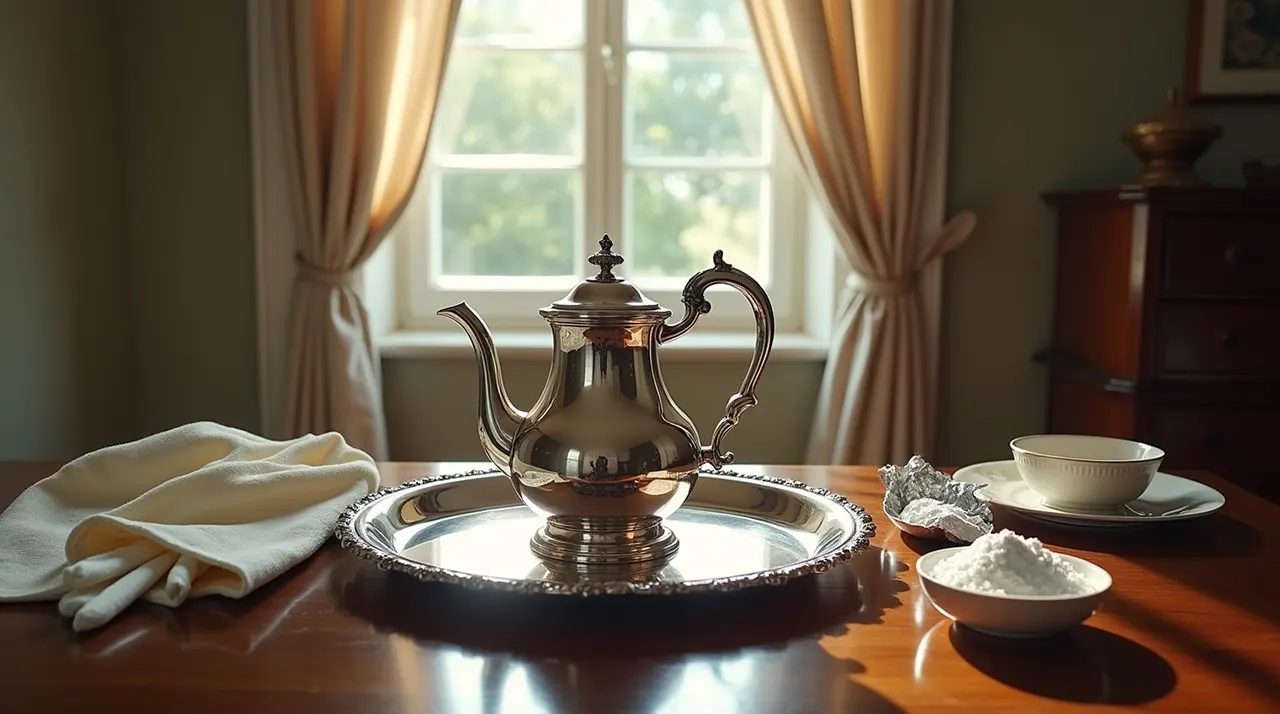
How to clean tarnished EPNS? Well, restore the gleam to your treasured EPNS items with these simple, effective cleaning methods. Learn how to remove tarnish effortlessly and bring back their original brilliance.
EPNS, or Electroplated Nickel Silver, can lose its luster over time, developing unsightly tarnish that dulls its once-proud shine. Many of us have inherited or collected beautiful EPNS cutlery, teapots, or decorative pieces that now look a shadow of their former selves.
Don’t let tarnish relegate these heirlooms to the back of the cupboard! This guide will walk you through the best methods to clean tarnished EPNS, making the process surprisingly easy and yielding brilliant results. Get ready to see your cherished items sparkle again.
What is EPNS and Why Does It Tarnish?
EPNS is a popular material for tableware and decorative items, known for its silvery appearance and affordability. It consists of a base metal, often brass or copper, coated with a thin layer of pure nickel and then silver. This silver plating is what gives EPNS its shine, but it’s also susceptible to tarnishing.
Tarnish is a chemical reaction, primarily a form of corrosion, that occurs when the silver plating comes into contact with sulfur compounds in the air and other environmental elements. This reaction creates a dark film on the surface, obscuring the bright silver underneath. Understanding this process helps us appreciate why specific cleaning methods are effective.
Identifying Your EPNS Items
Before you start polishing, it’s helpful to confirm your item is indeed EPNS. Look for hallmarks or maker’s marks on the underside or back of the piece. Common EPNS markings include “EPNS,” “EPBM” (Electroplated Britannia Metal), “Silver on Copper,” or the maker’s name often accompanied by a crown or other insignia.
Sometimes, you might see a number stamped, which can indicate the quality of the plating. If there are no markings, or if the item feels unusually light, it might be a different alloy or a less expensive plating. Knowing you’re working with EPNS ensures you use the right cleaning techniques to avoid damaging the plating.
How to clean tarnished EPNS?
Essential Tools and Materials for EPNS Cleaning
Gathering the right supplies is key to a successful and efficient cleaning session. You’ll want to have a few key items on hand to tackle tarnish effectively. These aren’t exotic or expensive; most can be found around your home or at a local hardware store. Having everything ready means you can dive right into the cleaning process without interruption. This preparation ensures a smoother, more satisfying restoration of your EPNS pieces.
Here’s a list of what you’ll need:
- Soft cloths (microfiber or cotton)
- Mild dish soap
- Warm water
- Baking soda
- Aluminum foil
- Small bowl or basin
- Specialized EPNS/silver polish (optional, for tougher tarnish)
- Soft-bristled toothbrush (for intricate areas)
- Gloves (to protect your hands and prevent fingerprints)
Having these items prepared will make the cleaning process much more manageable and effective.
Recommended Products:
Wright’s Silver Cleaner & Polish Cream

The Baking Soda and Aluminum Foil Method: An Effortless Shine
This is one of the most popular and surprisingly effective DIY methods for cleaning tarnished EPNS. It uses a chemical reaction to lift the tarnish without abrasive scrubbing, making it ideal for delicate plating. The process is simple and requires very common household items, offering a budget-friendly and gentle way to restore shine. It’s a fantastic first approach for moderately tarnished items and often yields impressive results with minimal effort.

Here’s how to do it:
- Line a heat-safe basin or sink with aluminum foil, ensuring the shiny side faces up.
- Place your EPNS items on top of the foil, making sure they are in contact with it.
- Pour enough boiling water into the basin to fully submerge the EPNS pieces.
- Add a tablespoon or two of baking soda to the hot water. It will fizz.
- Allow the items to soak for a few minutes. You should see the tarnish transferring from the EPNS to the foil.
- Carefully remove the EPNS items using tongs, rinse them thoroughly with warm water, and dry immediately with a soft cloth.

This method works because the baking soda and aluminum foil create an electrochemical reaction. The sulfur in the tarnish is attracted to the aluminum, essentially transferring the tarnish from your EPNS onto the foil.
Using Mild Dish Soap for Regular Cleaning
For EPNS items that aren’t heavily tarnished or for routine maintenance, a gentle wash with mild dish soap is often sufficient. This method removes everyday grime, fingerprints, and light oxidation without risking damage to the silver plating. It’s a safe and easy way to keep your EPNS looking its best between deeper cleanings. Regular gentle washes prevent the buildup of more stubborn tarnish.
Follow these simple steps:
- Fill a basin with warm water and add a few drops of mild dish soap.
- Submerge your EPNS item in the soapy water and gently wash it with a soft cloth.
- For intricate areas, a soft-bristled toothbrush can be used carefully.
- Rinse the item thoroughly under warm running water to remove all soap residue.
- Dry the EPNS immediately and completely with a clean, soft cloth to prevent water spots.
This regular cleaning prevents the formation of more persistent tarnish and keeps your EPNS pieces in good condition.
When to Use Specialized Silver Polish
While DIY methods are excellent, some EPNS items may have very stubborn or deeply ingrained tarnish that requires a bit more power. In such cases, a good quality silver polish specifically designed for plated silver can be very effective. These polishes contain mild abrasives and chemical cleaners that can cut through tougher tarnish more quickly. It’s important to use these sparingly and gently to avoid wearing down the silver plating over time.
Using a commercial silver polish involves these steps:
- Wear gloves to protect your hands and prevent new fingerprints from appearing on the polished surface.
- Apply a small amount of silver polish to a soft cloth, not directly to the EPNS item.
- Gently rub the tarnished areas in a back-and-forth motion, following the grain of the metal if visible. Avoid circular motions, which can cause micro-scratches.
- Use a clean section of the cloth or a separate soft cloth to buff the item to a shine.
- Rinse the item under cool water if the polish instructions recommend it, and dry thoroughly.
Always follow the specific instructions on the silver polish product for best results and to ensure the longevity of your EPNS.
Cleaning Intricate Designs and Details
EPNS items, especially decorative pieces like candelabras or ornate serving trays, often feature intricate designs with many nooks and crannies. Cleaning these areas requires a bit more care and the right tools to ensure you don’t miss any spots or damage delicate parts. A gentle approach is crucial here to preserve the fine details and prevent them from being worn away. Patience is key when tackling these detailed restorations.
Here’s how to approach them:
- A soft-bristled toothbrush is your best friend for getting into small crevices.
- For very delicate filigree, a cotton swab dipped in your chosen cleaning solution (mild soap or baking soda paste) can be effective.
- Work gently and methodically, cleaning small sections at a time.
- Rinse carefully, ensuring water doesn’t get trapped in the design.
- Dry thoroughly using a soft cloth and consider using a cotton swab to dab dry any hard-to-reach areas.
Taking the time to clean these details properly will make a significant difference in the overall appearance of your EPNS piece.
What to Avoid When Cleaning EPNS
Protecting the delicate silver plating on your EPNS items is paramount. Certain cleaning methods and materials can cause irreversible damage, stripping the plating or creating scratches. Knowing what to avoid is just as important as knowing what to do. Steer clear of these common pitfalls to keep your EPNS looking its best for years to come.
Here are the key things to avoid:
- Harsh Abrasives: Steel wool, abrasive scouring pads, and gritty cleaning powders can scratch the surface and remove the silver plating.
- Strong Chemicals: Avoid ammonia, bleach, and other harsh chemicals, as they can react with the silver and cause discoloration or damage.
- Dishwashers: The high heat and harsh detergents in dishwashers can degrade the plating and cause significant damage over time.
- Prolonged Soaking: While some methods involve soaking, extended immersion, especially in acidic or alkaline solutions, can weaken the plating.
- Ignoring Manufacturer Instructions: If your EPNS item came with specific care instructions, always follow them.
By avoiding these practices, you’ll significantly extend the life and beauty of your EPNS collection.
How to Prevent Future Tarnishing
Once you’ve restored the shine to your EPNS items, the next step is to keep them that way. Prevention is always easier than cure, and with a few simple habits, you can significantly slow down the tarnishing process. Protecting your EPNS from the elements that cause tarnish will ensure it remains beautiful for longer. These preventative measures are straightforward and require minimal effort.
Here are some effective prevention tips:
- Store Properly: Wrap each EPNS item individually in acid-free tissue paper or a soft cloth before storing.
- Use Anti-Tarnish Bags: Consider placing wrapped items in anti-tarnish storage bags, which absorb sulfur compounds in the air.
- Avoid Air Exposure: Store items in a sealed box or drawer away from direct sunlight and humid conditions.
- Regular Gentle Cleaning: Wipe down your EPNS items with a soft cloth periodically to remove fingerprints and dust.
- Handle with Care: Always handle EPNS with clean hands or gloves to avoid transferring oils and acids from your skin.
Implementing these practices will help maintain the gleam and extend the life of your treasured EPNS pieces.
Frequently Asked Questions About Cleaning EPNS
Can I use toothpaste to clean tarnished EPNS?
While toothpaste can be tempting due to its mild abrasiveness, it’s generally not recommended for EPNS. The abrasives in toothpaste can be too harsh for the thin silver plating, potentially causing micro-scratches and dulling the finish over time. Stick to gentler methods like baking soda or specialized silver polish.
How often should I clean my EPNS items?
The frequency of cleaning depends on how often you use the items and where they are stored. For everyday use items, wash them after each use and dry thoroughly. For decorative items, a gentle dusting and occasional polish every few months, or when tarnish becomes noticeable, is usually sufficient.
Will the baking soda and foil method remove the silver plating?
No, the baking soda and aluminum foil method is a chemical reaction that lifts the sulfur compounds causing tarnish, not the silver plating itself. It’s a non-abrasive way to remove tarnish, making it safe for EPNS when done correctly.
What if my EPNS item has a dark, dull coating that won’t come off?
This might indicate heavy oxidation or that the plating has worn thin in places. For heavy tarnish, you might need to use a good quality silver polish. If the plating is severely worn, professional restoration might be an option, though it can be costly.
Is it safe to use vinegar on EPNS?
Vinegar is acidic and can be too harsh for EPNS. While some sources suggest it for cleaning, it’s best to avoid it. Prolonged exposure or strong concentrations can damage the silver plating. Stick to milder, pH-neutral cleaning agents.
Conclusion: Effortless Shine for Your Cherished EPNS
Hope, now you have the answer to How to clean tarnished EPNS. Restoring the brilliance of tarnished EPNS doesn’t have to be a daunting task. By understanding the material and employing the right techniques, you can achieve an effortless shine that brings your treasured pieces back to life. From the simple yet effective baking soda and aluminum foil method to gentle dish soap washes and the careful use of specialized polishes, there’s a solution for every level of tarnish. Remember to always handle your EPNS with care, avoid harsh abrasives and chemicals, and store them properly to prevent future dullness. With these essential tips on how to clean tarnished EPNS, you can confidently maintain the beauty of your collection, ensuring these elegant items continue to grace your home for years to come.
