


Published on: September 13, 2025 | Updated on: September 13, 2025
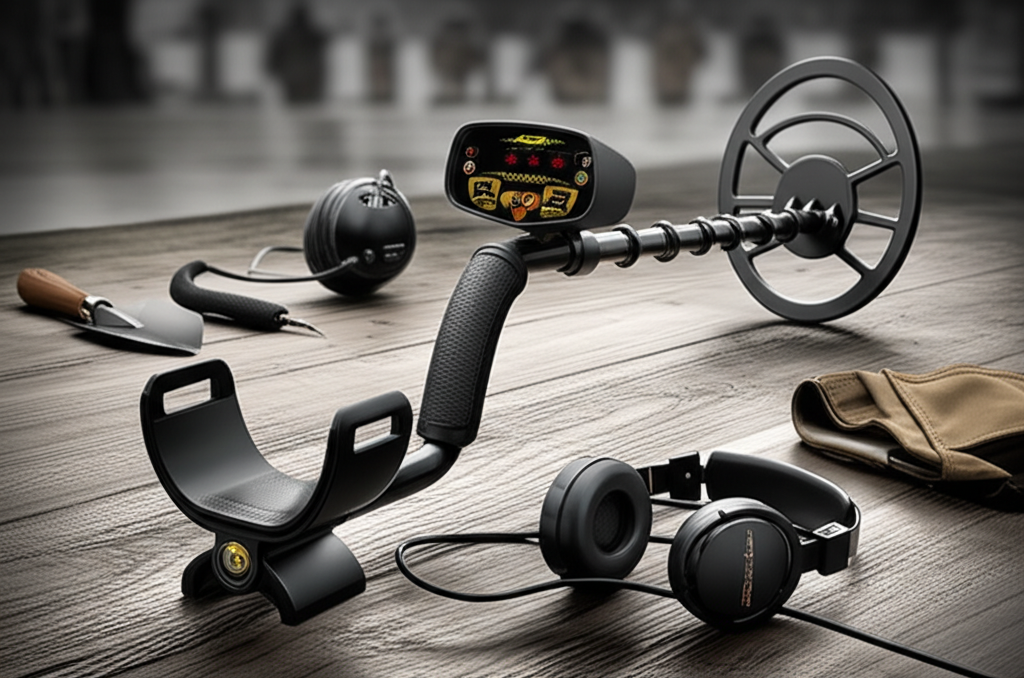
The Garrett Ace 350 metal detector offers a significant breakthrough for hobbyists and seasoned detectorists alike, delivering exceptional performance, user-friendly features, and robust build quality at an accessible price point. It’s your essential tool for unlocking hidden treasures and making your detecting adventures more rewarding.
The thrill of finding something buried, whether it’s an old coin, a lost piece of jewelry, or a historical relic, is a powerful draw for many. However, choosing the right metal detector can feel overwhelming, especially when you’re just starting out or looking to upgrade. Many detectors promise the moon but deliver little in the field, leaving you frustrated and your pockets lighter. If you’ve been searching for a reliable, effective, and easy-to-use metal detector that truly delivers, your search might just be over. We’re diving deep into a detector that has consistently impressed users and proven itself time and again. Get ready to learn why this model is considered an essential breakthrough for your treasure-hunting journey.
Why the Garrett Ace 350 is a Game-Changer for Detectorists
The Garrett Ace 350 represents a significant leap forward in metal detector technology for its class. It strikes an ideal balance between advanced features and intuitive operation, making it suitable for a wide range of users. This detector isn’t just another piece of equipment; it’s a gateway to more successful and enjoyable detecting experiences. Its design focuses on delivering performance that often rivals more expensive models, ensuring you get the most bang for your buck.
Understanding the Core Technology of the Ace 350

At its heart, the Garrett Ace 350 utilizes advanced VLF (Very Low Frequency) technology. This allows it to effectively discriminate between different types of metal targets, reducing the frustration of digging up junk. It operates at a powerful 8.25 kHz frequency, which is excellent for a broad range of targets, including coins, jewelry, and relics. This frequency is a sweet spot, providing good depth and sensitivity without being overly susceptible to ground mineralization.
The detector’s single-frequency operation simplifies its use while still offering impressive capabilities. This focused approach means Garrett has refined the algorithms for this specific frequency to maximize target identification and minimize false signals. It’s a testament to smart engineering, prioritizing effective detection over complex, unnecessary features.
Key Features That Set the Ace 350 Apart
What truly elevates the Garrett Ace 350 are its thoughtfully integrated features. These are designed with the detectorist’s experience in mind, from the moment you turn it on to the moment you unearth a find. I’ve personally found these features make a tangible difference in the field, leading to more exciting days out.
Large 8.5″ x 11″ (21.5cm x 28cm) Elliptical Double-D Search Coil: This coil is a standout feature, offering superior coverage and depth compared to smaller, concentric coils. The Double-D design is particularly effective at handling mineralized ground and providing excellent target separation. It allows you to sweep a wider area with each pass, increasing your efficiency.
Five Search Modes: Whether you’re hunting for coins, jewelry, or relics, there’s a mode for it. These pre-set modes optimize the detector’s settings for specific target types, simplifying the process of identifying desirable finds. This saves you time fiddling with settings and lets you focus on the hunt.
Accept/Reject Notch Discrimination: This allows you to customize what the detector signals on. You can choose to ignore common trash items like iron nails while still detecting valuable targets. It’s a powerful tool for refining your search and minimizing digging unnecessary junk.
Continuous Ground Mineralization Reading: The Ace 350 provides real-time information about the ground you’re detecting. This helps you understand how mineralization might be affecting your readings and allows you to make adjustments if needed. It’s an invaluable feature for challenging ground conditions.
Coin Depth Indicator: Once a target is detected, this feature estimates its depth. Knowing how deep a target is can help you decide whether it’s worth digging and what digging tool you might need. It adds another layer of intelligence to your detecting.
Low Battery Indicator: Essential for any outdoor activity, this ensures you’re not caught with a dead detector in the middle of a promising spot. It’s a small but crucial feature for uninterrupted detecting sessions.
Ease of Use: A Beginner’s Best Friend
One of the most praised aspects of the Garrett Ace 350 is its user-friendliness. Garrett has a reputation for creating detectors that are easy to learn and operate, and the Ace 350 is no exception. From the moment you assemble it, which is typically a simple three-piece process, you’ll find it intuitive. The control panel is laid out logically, with clear buttons and an easy-to-read LCD screen.
For those new to metal detecting, the pre-set search modes mean you can head out and start finding things almost immediately. There’s no steep learning curve to get started. As you gain experience, you can explore the customization options, like adjusting sensitivity and discrimination, to fine-tune the detector to your specific needs and hunting environments. This makes the Ace 350 a detector that grows with you.
Performance in the Field: What to Expect
In real-world detecting scenarios, the Garrett Ace 350 performs admirably across various terrains. Its robust 8.25 kHz frequency is versatile, making it effective on beaches, in parks, and in fields. The large Double-D coil provides excellent ground coverage, helping you find targets that might be missed by smaller coils.
I’ve found its sensitivity to be quite good for its price point, reliably detecting coins and jewelry at respectable depths. The discrimination capabilities are also a significant advantage, allowing for efficient hunting by minimizing the digging of pull tabs and other common trash. While it might not compete with high-end, multi-frequency detectors in extremely mineralized soil or for tiny gold flakes, for general coin, relic, and jewelry hunting, it’s a stellar performer. Its ability to handle lightly to moderately mineralized ground is particularly impressive for a detector in this category.
Getting Started with Your Ace 350 Metal Detector
Setting up and taking your Garrett Ace 350 out for the first time is straightforward. Proper initial setup and understanding basic operation will significantly enhance your detecting experience right from the start. I always recommend a few simple steps to ensure you’re ready for your first adventure.
Assembly and Initial Setup
Assembling the Ace 350 is usually a breeze. It typically comes in three main parts: the search coil, the lower shaft, and the control box/handle assembly. Simply slide the lower shaft into the upper shaft, adjust it to your comfortable height, and attach the search coil to the bottom of the lower shaft. Then, connect the cable from the coil to the control box. The battery compartment is usually located on the back of the control box.
Once assembled, insert fresh batteries. It’s a good practice to familiarize yourself with the control panel before heading out. Power on the detector and listen to the tones. Understand the different tones for different types of metal, and get a feel for how the visual target ID on the screen changes.
Understanding the Control Panel and Modes
The control panel of the Ace 350 is designed for simplicity. You’ll typically find buttons for Power, Mode Selection, Sensitivity, and Discrimination.
Power: Simple on/off button.
Mode: This button allows you to cycle through the pre-set search modes. Common modes include:
All Metal: Detects all types of metal. This mode offers the deepest detection but will signal on everything.
Jewelry: Optimized for jewelry, with settings to help differentiate between various metals commonly found in jewelry.
Coin: Designed to detect common coin targets while ignoring most trash.
Relic: Tuned for detecting larger, often older, metal objects like relics, which can sometimes be deeper or made of different alloys.
Custom: Allows you to save your preferred discrimination settings.
Sensitivity: This adjusts how sensitive the detector is to faint signals. Higher sensitivity can detect targets at greater depths but may also increase false signals in highly mineralized ground or near electromagnetic interference.
Discrimination: This is where you set the detector to ignore unwanted targets. You can adjust the level of discrimination to filter out iron, foil, or other common junk items. The Accept/Reject notch feature lets you fine-tune this further.
First Steps in the Field: Practice Makes Perfect
Before you embark on a serious hunt, I always recommend a “test garden.” Bury a few common targets at different depths in your backyard or a local park. Include items like a coin, a pull tab, a nail, and a piece of aluminum foil. Walk over these targets with your Ace 350 in different modes and settings.
This practice will help you learn the detector’s sounds and visual cues for different metals. You’ll begin to understand how the discrimination settings affect target identification and how deep you can expect to find certain items. This hands-on experience is invaluable for building confidence and interpreting signals accurately in the field.
Maximizing Your Finds with the Ace 350’s Coil and Discrimination
The search coil and discrimination settings are two of the most critical components influencing your success with any metal detector, and the Garrett Ace 350 excels in both areas. Utilizing them effectively can dramatically increase the quality and quantity of your finds. I’ve learned that mastering these aspects is key to turning a good day of detecting into a great one.
The Power of the 8.5″ x 11″ Elliptical Double-D Coil
The large, elliptical Double-D coil that comes standard with the Ace 350 is a significant advantage. Its size means it covers more ground with each sweep, making your detecting sessions more efficient. The elliptical shape also helps with pinpointing targets more accurately than a round coil of the same width.
The Double-D configuration is known for its superior performance in mineralized soil. It tends to provide a sharper signal response and better target separation, meaning you’re less likely to get confused signals when multiple targets are close together. This coil is also less susceptible to ground noise, allowing for smoother operation in challenging conditions.
Advanced Discrimination Techniques
The Ace 350’s Accept/Reject notch discrimination is a powerful tool. Instead of just setting a general discrimination level, you can choose to accept or reject specific segments of the target ID scale. This allows you to fine-tune your detector to ignore specific types of junk while still picking up desirable targets that might fall within a similar range.
For instance, if you’re consistently digging iron nails, you can adjust the discrimination to reject iron. If you’re finding too many pull tabs, you can adjust to reject those. However, be cautious: over-discriminating can cause you to miss good targets, as some valuable items can register in similar ranges to trash. Learning to interpret the tones and visual ID alongside your discrimination settings is crucial. A quick search on target ID charts for the Ace 350 can be very helpful here.
When to Use All Metal Mode
While discrimination is useful for filtering out junk, there are times when All Metal mode is your best friend. This mode provides the deepest possible detection and will signal on every metallic object. It’s particularly useful for:
Initial sweeps of a new area: To get a general sense of what’s in the ground.
Detecting in areas with little trash: If you know an area is relatively clean, All Metal can help you find deeper targets.
Prospecting for certain relics: Some historical artifacts might register in ranges that overlap with common trash, and All Metal ensures you don’t miss them.
After finding a target in All Metal mode, you can switch to a discrimination mode or use the pinpoint function to help identify it before digging. This balanced approach, combining the depth of All Metal with the filtering of discrimination, maximizes your chances of a successful hunt.
Exploring Different Terrains with Your Ace 350
The versatility of the Garrett Ace 350 allows it to perform well in a variety of environments, from manicured parks to rugged beaches. Each terrain presents unique challenges and opportunities, and understanding how your detector interacts with them is key to maximizing your success. I’ve spent countless hours with detectors on different soils, and the Ace 350 has proven its mettle.
Detecting in Parks and Lawns
Parks and lawns are often prime hunting grounds, as they are areas where people congregate and lose items. The Ace 350’s sensitivity and discrimination are excellent for these environments. You’ll primarily be looking for coins, jewelry, and small personal items. The relatively low mineralization in most parks means you can often use higher sensitivity settings for greater depth.
Be mindful of park rules regarding digging, and always fill your holes properly. The Ace 350’s ability to discriminate against common trash like bottle caps and pull tabs will be a huge asset here, saving you from digging a lot of unwanted junk.
Beach Detecting with the Ace 350
Beach hunting with the Ace 350 can be very rewarding, but it comes with its own set of challenges, primarily saltwater and wet sand. While the Ace 350 is not waterproof, its standard coil is designed to handle salt air and spray. However, it is not submersible for wet sand or water use. For true wet sand and water detecting, you’d need a specialized waterproof detector or a waterproof coil.
The detector’s ground balancing feature (though not adjustable on the Ace 350, it has a fixed balance suitable for many conditions) and its frequency are reasonably good for dry sand and above the tideline. In wet sand, the high salt content can cause falsing. If you plan on frequent beach detecting, especially in wet sand, consider a detector with adjustable ground balance or a lower operating frequency.
Woodland and Field Exploration
Woodlands and open fields are excellent for finding older coins and relics. These areas often have less surface trash than parks, allowing for deeper detection. The Ace 350’s 8.25 kHz frequency is a good all-rounder for detecting a variety of targets found in these locations.
The larger Double-D coil is beneficial for covering larger areas efficiently. You might encounter more ground mineralization in some fields, so experimenting with sensitivity settings is key. If you notice excessive falsing, reducing the sensitivity slightly can often resolve the issue. Remember to always get permission before detecting on private land.
Essential Accessories for Your Ace 350 Setup
While the Garrett Ace 350 is a fantastic detector on its own, a few key accessories can significantly enhance your detecting experience and improve your recovery rates. Investing in the right tools alongside your detector is part of being a prepared and successful detectorist. I never leave home without a few of these.
Pinpointers: The Secret to Quick Target Recovery
Once your Ace 350 signals a target, a pinpointer is invaluable for locating it quickly within the dug plug of soil. These small, handheld detectors can pinpoint the exact location of the target, saving you time and effort. Without a pinpointer, sifting through dirt can be a tedious and frustrating process.
Garrett offers excellent pinpointers, like the Pro-Pointer AT. These devices use audio and vibration alerts to guide you to the target. They are essential for efficient recovery and minimizing the impact of your digging.
Digging Tools: The Right Tool for the Job
The right digging tools are crucial for safely and efficiently recovering your finds. You’ll want a sturdy trowel or digging spade, depending on the terrain and depth of your targets. A serrated edge can be helpful for cutting through roots.
For deeper targets or tougher soil, a larger digging shovel might be necessary. Always aim to make the smallest possible plug and to fill it neatly afterward. Tools designed for metal detecting, often made of durable steel, are a worthwhile investment.
Headphones: Enhance Your Auditory Experience
Using headphones with your Ace 350 is highly recommended. They allow you to hear faint signals that might otherwise be masked by ambient noise. This is especially important in windy conditions or noisy environments.
Many headphones also offer volume control, helping you protect your hearing. Wired headphones are common, but wireless options are also available for many detectors. Ensure the headphones you choose have the correct connector for your Ace 350.
Carrying Bag and Protection
A durable carrying bag will protect your Ace 350 during transport and storage. It can also hold your accessories, such as pinpointers, digging tools, and spare batteries. A cover for the control box can protect it from rain and dust, ensuring its longevity.
Maintaining Your Garrett Ace 350 for Longevity
Proper maintenance is key to ensuring your Garrett Ace 350 metal detector continues to perform at its best for years to come. Like any piece of equipment, a little care goes a long way in preventing issues and prolonging its lifespan. I treat my detectors well, and they reward me with reliable performance.
Cleaning Your Detector
After each detecting session, especially if you’ve been in sandy or muddy conditions, it’s important to clean your Ace 350. Use a soft, damp cloth to wipe down the control box, shafts, and coil. Avoid using harsh chemicals or abrasive cleaners, as they can damage the plastic and finishes.
Pay special attention to the coil. Ensure no dirt or debris is trapped around the edges or where the cable connects. A clean coil ensures optimal signal transmission and reception.
Battery Care
The Ace 350 typically runs on AA batteries. Always use good quality batteries, and remove them if you plan to store the detector for an extended period. This prevents potential battery leakage, which can damage the battery compartment and the electronics.
Keep the battery contacts clean. If you notice any corrosion, gently clean them with a pencil eraser or a cotton swab dipped in isopropyl alcohol.
Storage and Protection
Store your Ace 350 in a dry, climate-controlled environment when not in use. Avoid leaving it in direct sunlight or extreme temperatures, such as in the trunk of a hot car. A protective cover for the control box and coil can offer an extra layer of defense against dust, moisture, and minor impacts.
Coil Care
The search coil is the most sensitive part of your detector. Be careful not to drop it or subject it to hard impacts. While the coil is designed to be durable, a significant blow could damage the internal electronics or the housing. Regularly inspect the coil for any cracks or damage, especially around the cable entry point.
Troubleshooting Common Issues with the Ace 350
Even the best metal detectors can sometimes present minor issues. Understanding common problems and their solutions can save you time and frustration in the field. I’ve encountered a few hiccups over the years, and usually, they have simple fixes.
False Signals and Chattering
False signals, often described as chattering or random beeping, can be caused by several factors. High sensitivity settings in mineralized ground are a common culprit. Try reducing the sensitivity setting gradually until the chattering stops.
Electromagnetic interference (EMI) from power lines, buried utilities, or even other nearby detectors can also cause false signals. If this happens, try moving to a different location or turning your detector off and on again. Sometimes, a different coil orientation or even a different search coil can help mitigate EMI.
Weak or No Signal
If you’re not getting any signal or the signals are very weak, check the battery level first. Low batteries can significantly reduce performance. Ensure the batteries are inserted correctly and that the battery contacts are clean.
Make sure the search coil cable is securely connected to the control box. A loose connection will prevent the detector from functioning properly. If you’re in a highly mineralized area, even with proper settings, extreme mineralization can sometimes mask targets.
Difficulty Identifying Targets
Interpreting signals takes practice. If you’re having trouble distinguishing between different targets, revisit your test garden. Practice identifying the tones and visual IDs for common items.
Remember that target ID numbers can fluctuate, especially with deeper targets or when targets are close together. Using the pinpoint function after getting a signal is crucial for accurate identification before digging. Experimenting with different discrimination patterns can also help refine your target identification.
Is the Garrett Ace 350 Right for You?
Deciding if a piece of gear is the right fit involves weighing its strengths against your specific needs and expectations. The Garrett Ace 350 has earned its reputation for a reason, offering a compelling package for many detectorists. I believe it’s a strong contender for a wide audience.
Who Will Benefit Most from the Ace 350?
Beginners: The Ace 350 is an excellent entry-level detector. Its intuitive interface, pre-set modes, and straightforward operation make it easy to learn and use right out of the box. It provides a solid foundation for learning the basics of metal detecting without being overly complex.
Hobbyists on a Budget: If you’re looking for a capable detector without breaking the bank, the Ace 350 offers fantastic value. It delivers performance that punches above its weight class, making it accessible to a broader range of enthusiasts.
Coin and Jewelry Hunters: The detector’s frequency and discrimination capabilities are well-suited for finding modern and older coins, as well as various types of jewelry.
Relic Hunters in Less Challenging Ground: For those exploring fields or historical sites with moderate mineralization, the Ace 350 can yield great results.
When Might You Consider Other Options?
Serious Gold Prospecting: For tiny gold nuggets, especially in highly mineralized ground, specialized gold detectors operating at higher frequencies or using Pulse Induction (PI) technology are generally more effective.
Submerged Water Detecting: As mentioned, the Ace 350 is not waterproof. If your primary hunting ground is underwater or in deep wet sand, you’ll need a submersible detector.
Extremely Mineralized Ground: While the Ace 350 handles moderate mineralization well, highly mineralized soils might require detectors with more advanced ground balancing capabilities or multi-frequency technology.
Advanced Users Seeking Cutting-Edge Features: Seasoned detectorists who need features like advanced ground balancing, multi-frequency simultaneous operation, or detailed target analysis might look towards higher-end models.
The Ace 350’s Place in the Market
The Garrett Ace 350 occupies a sweet spot in the metal detecting market. It bridges the gap between basic, entry-level models and more expensive, feature-rich machines. It provides a robust, reliable, and effective detecting experience that satisfies the needs of a vast majority of hobbyists. Its widespread popularity is a testament to its balanced performance and value.
Frequently Asked Questions About the Ace 350 Metal Detector
Here are some common questions beginners often have about the Garrett Ace 350, designed to give you quick, clear answers.
Q1: Is the Garrett Ace 350 waterproof?
A1: No, the Garrett Ace 350 is not waterproof. The control box and lower shaft are water-resistant, but the search coil is not submersible, and the control box should not be submerged. It’s suitable for dry conditions and light spray but not for underwater use.
Q2: What types of targets can the Ace 350 find?
A2: The Ace 350 is excellent for finding coins, jewelry (rings, necklaces, bracelets), relics, and other metallic objects. Its 8.25 kHz frequency is versatile for a wide range of common targets.
Q3: How deep can the Ace 350 detect?
A3: The detection depth varies greatly depending on the size of the target, its conductivity, and the ground mineralization. Generally, it can detect larger coins up to 8-10 inches deep and deeper for very large metallic objects.
Q4: Do I need to adjust the ground balance on the Ace 350?
A4: The Ace 350 has a fixed ground balance that is suitable for most common detecting conditions. You do not need to manually adjust it, which simplifies operation for beginners.
Q5: What accessories are essential for the Ace 350?
A5: Essential accessories include a pinpointer for quick target recovery, a good digging tool (trowel or spade), and headphones to hear faint signals. A carrying bag is also recommended for protection and transport.
Q6: Can I use the Ace 350 on the beach?
A6: Yes, you can use the Ace 350 on dry beach sand and above the tideline. However, it is not designed for wet sand or saltwater submersion, as it is not waterproof.
Q7: How much does the Ace 350 typically cost?
A7: The price can vary depending on the retailer and any bundled accessories, but the Garrett Ace 350 is generally considered a mid-range detector, offering excellent value for its performance.
Conclusion: Your Essential Breakthrough Awaits
The Garrett Ace 350 metal detector is more than just a tool; it’s your essential breakthrough into a more rewarding and successful treasure-hunting hobby. It masterfully blends user-friendly design with robust performance, making it an ideal companion for both newcomers and experienced detectorists looking for reliable performance without an exorbitant price tag. Its powerful 8.5″ x 11″ elliptical Double-D coil provides excellent coverage and depth, while the intuitive controls and multiple search modes allow you to adapt to various environments and target types.
From the simplicity of its setup to the effectiveness of its discrimination features, the Ace 350 is engineered to get you out there finding treasures. It’s a testament to Garrett’s commitment to creating detectors that offer genuine value and enhance the detecting experience. If you’re ready to elevate your hunts, minimize frustration, and maximize your finds, the Garrett Ace 350 metal detector is an investment you won’t regret. Your next great discovery might just be a sweep away.
