


Published on: September 15, 2025 | Updated on: October 24, 2026
Metal detectors are generally safe around pacemakers, but understanding the science and following simple precautions ensures peace of mind for detectorists with implanted devices.
Navigating the world of metal detecting, whether hunting for old coins in the park or prospecting for gold in the backcountry, is a thrilling pursuit. Many of us, myself included, spend countless hours with our trusty detectors, exploring new territories. But what happens when personal health considerations, like having a pacemaker, intersect with our passion? It’s a question that crosses the minds of many detectorists who rely on these life-saving devices. You might be wondering, “Are pacemakers affected by metal detectors?” This concern is completely understandable, and I’m here to help you find clear, reassuring answers based on real-world understanding and a bit of science.
Understanding Pacemakers and Electromagnetic Fields
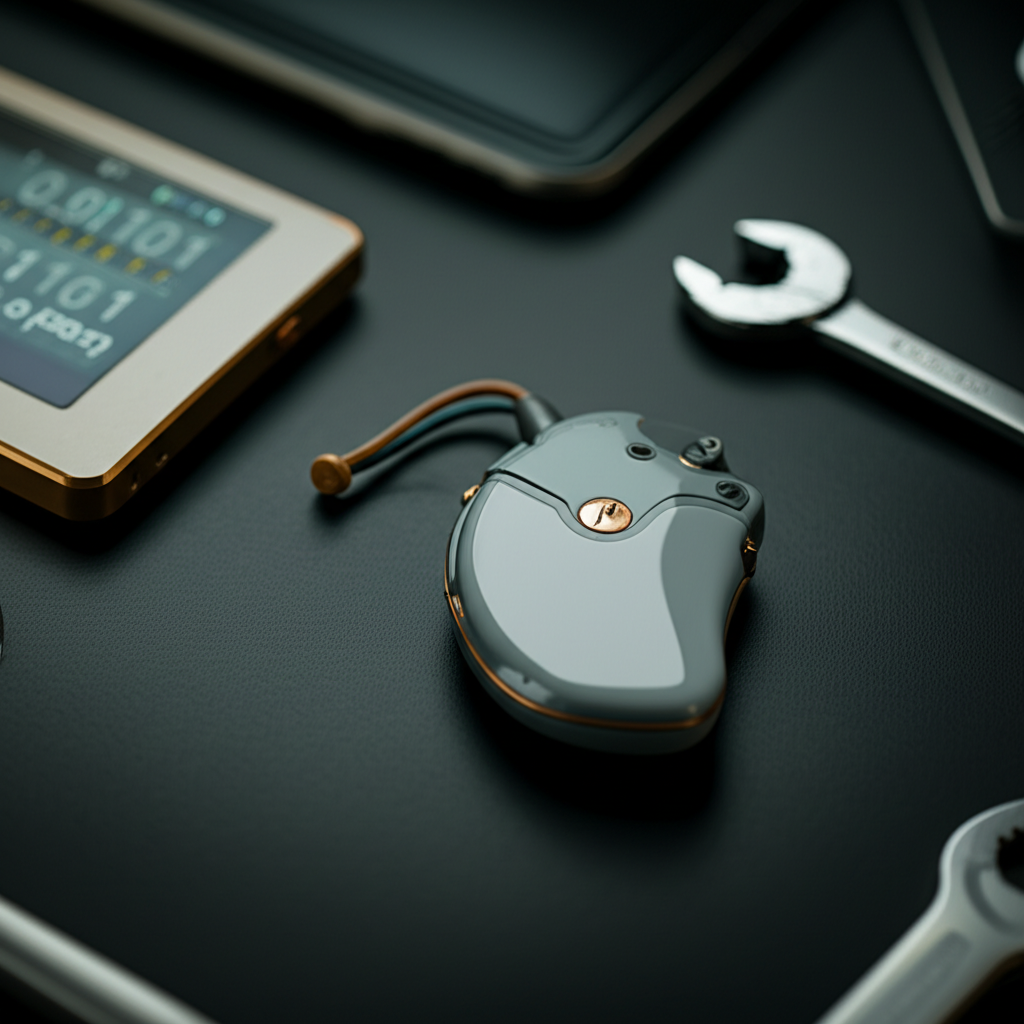
Pacemakers are incredible pieces of technology designed to regulate heart rhythms. They work by sending electrical impulses to the heart muscle, ensuring it beats at a proper pace. These devices are shielded to protect them from everyday electromagnetic interference. Modern pacemakers are quite sophisticated and have built-in defenses against common electronic signals found in our daily lives.
The concern arises because metal detectors also generate electromagnetic fields (EMFs) to function. These fields are what allow the detector to sense the presence of metal objects underground. It’s natural to question if these fields could disrupt the sensitive electronics of a pacemaker.
How Metal Detectors Work (The Basics)
To understand the potential interaction, it’s helpful to know how a metal detector operates. Most detectors use a coil that generates a fluctuating electromagnetic field. When this field encounters a metallic object, it induces eddy currents within that object. These eddy currents, in turn, create their own magnetic field, which the detector’s coil then senses and translates into an audio signal or visual display.
The strength of this field decreases rapidly with distance. This is a crucial point when considering proximity to any electronic device, including a pacemaker. The closer you are to the detector’s coil, the stronger the field.
The Science Behind Pacemaker Safety and EMFs
Medical devices like pacemakers are rigorously tested to ensure they function correctly in various electromagnetic environments. Regulatory bodies set strict standards for electromagnetic compatibility (EMC) that pacemakers must meet. This testing includes exposure to fields similar to, and often stronger than, those produced by typical consumer metal detectors.
The primary concern with EMFs and pacemakers is interference that could lead to inappropriate pacing or inhibition of pacing. However, the fields generated by most handheld metal detectors are relatively weak and localized. They are generally not powerful enough to cause significant disruption at a safe distance.
Are Pacemakers Affected By Metal Detectors? The Expert Answer
So, are pacemakers affected by metal detectors? For the vast majority of individuals with modern pacemakers, the answer is a resounding no, provided they follow simple precautions. The electromagnetic fields produced by standard hobbyist metal detectors are typically not strong enough to interfere with the function of a well-shielded, modern pacemaker when used responsibly.
However, it’s always best to err on the side of caution and be aware of potential interactions. Medical professionals and pacemaker manufacturers often advise maintaining a certain distance from strong sources of electromagnetic fields.
Potential Interference and What to Watch For
While rare, there’s a theoretical possibility of interference, especially with older pacemaker models or if the detector is held very close to the implanted device for an extended period. Symptoms of potential interference might include feeling dizzy, lightheaded, or noticing an irregular heartbeat. These symptoms are usually temporary and resolve when the source of interference is removed.
It’s important to note that airports security scanners, which can generate stronger fields, are also generally considered safe for pacemaker users, though it’s always advisable to inform security personnel. The fields from a handheld metal detector are typically much weaker than those found in airport security gates.
Practical Precautions for Pacemaker Users Who Metal Detect
To ensure your safety and peace of mind while metal detecting with a pacemaker, I recommend the following practical steps:
1. Consult Your Cardiologist: This is the most important step. Discuss your hobby with your doctor. They can provide personalized advice based on your specific pacemaker model and your overall health.
2. Maintain a Safe Distance: As a general guideline, try to keep the metal detector’s search coil at least 6-12 inches (15-30 cm) away from your chest area where the pacemaker is implanted. This distance significantly reduces any potential exposure to the EMF.
3. Be Aware of Your Body: Pay attention to how you feel while detecting. If you experience any unusual symptoms like dizziness or palpitations, stop detecting immediately and move away from the detector.
4. Avoid Prolonged Direct Contact: Don’t rest the detector’s search coil directly on your chest or lap for extended periods. Keep it actively swinging over the ground.
5. Use Modern Equipment: Newer pacemakers have better shielding. If you have an older model, consult your doctor about its specific sensitivities. Similarly, most modern metal detectors are designed with lower power outputs than older, industrial equipment.
Following these guidelines will allow you to continue enjoying your metal detecting adventures safely.
Metal Detector Coil Types and EMF Strength
The type of metal detector coil can influence the strength and reach of its electromagnetic field. Most hobbyist detectors use either concentric or Double-D coils. Concentric coils tend to have a slightly wider and more focused electromagnetic field, while Double-D coils are known for their good depth and ground balancing capabilities.
The strength of the EMF also depends on the detector’s frequency and power output. Higher frequency detectors or those designed for extreme depth (often used for gold prospecting) might produce slightly stronger fields, but this is still usually well within safe limits at a reasonable distance. The key takeaway is that for standard treasure hunting and coin shooting, the fields are generally mild.
What About Pinpointers?
Pinpointers are essential tools for any serious detectorist, helping to pinpoint the exact location of a target once you’ve dug a plug. They are typically small, handheld devices that also generate a localized electromagnetic field. Because they are used very close to the ground and sometimes close to your hand, it’s worth considering their proximity to a pacemaker.
Similar to the main detector, pinpointers are designed for low power consumption and localized fields. Holding a pinpointer in your hand, away from your chest, is highly unlikely to cause any issues. If you are concerned, you can hold the pinpointer with the hand furthest from your pacemaker.
Airport Security and Other EMF Sources
It’s worth briefly touching on other common EMF sources you might encounter. Airport security scanners, both walk-through metal detectors and body scanners, generate EMFs. Most pacemaker manufacturers state that these are safe. However, if you are concerned, you can always request a manual pat-down.
Other common electronic devices like mobile phones, microwaves, and Wi-Fi routers produce EMFs, but these are generally at levels far below what would be considered problematic for pacemaker function. The fields from your metal detector are more concentrated but still typically less intense than some of these common household devices when used at a distance.
Real-World Experiences from the Detecting Community
I’ve spoken with many fellow detectorists over the years, and the consensus among those with pacemakers is generally positive. Many have been detecting for years without any ill effects. Stories of interference are exceptionally rare and often linked to very old pacemaker technology or extremely close proximity.
One detectorist I know, who has had a pacemaker for over a decade, continues to hunt for relics and coins regularly. He follows the advice of keeping his detector coil at a distance and has never experienced any issues. His doctor, after reviewing his pacemaker’s specifications, gave him the green light.
Frequently Asked Questions (FAQ)
Q1: Can I go through airport security with a pacemaker if I metal detect?
A: Yes, most modern pacemakers are safe to go through airport security scanners. If you have concerns, inform the security personnel that you have a pacemaker and request a manual screening.
Q2: Are older pacemakers more sensitive to metal detectors?
A: Older pacemaker models may have less sophisticated shielding. It’s crucial to consult your cardiologist for advice specific to your device if you have an older pacemaker.
Q3: How close can I hold a metal detector to my pacemaker?
A: It’s recommended to keep the search coil at least 6-12 inches (15-30 cm) away from your pacemaker. This distance significantly minimizes any potential electromagnetic field exposure.
Q4: What should I do if I feel unwell while metal detecting with a pacemaker?
A: If you experience any symptoms like dizziness, lightheadedness, or palpitations, stop detecting immediately. Move away from the detector and rest. If symptoms persist, seek medical attention.
Q5: Do different types of metal detectors affect pacemakers differently?
A: While all metal detectors produce EMFs, the strength varies. Generally, standard hobbyist detectors are safe at a distance. Very high-powered or specialized detectors might require slightly more caution, but always consult your doctor.
Q6: Is it safe to use a pinpointer with a pacemaker?
A: Yes, it is generally safe to use a pinpointer. They produce very localized and low-power fields. Holding it away from your chest area is recommended for extra caution.
Conclusion: Detecting with Confidence
The question, “Are pacemakers affected by metal detectors?” can cause worry, but the scientific evidence and the experiences of many detectorists suggest that with modern devices and sensible precautions, the risks are minimal. The sophisticated shielding in contemporary pacemakers, combined with the relatively weak and localized electromagnetic fields of typical metal detectors, means you can usually continue enjoying your hobby without concern.
Always prioritize your health by consulting with your cardiologist. They are your best resource for personalized advice regarding your specific pacemaker and its interaction with electromagnetic fields. By maintaining a safe distance, being aware of your body, and using your equipment responsibly, you can confidently pursue your passion for metal detecting, unearthering history and treasures with peace of mind. Happy hunting!

