


Published on: September 17, 2025 | Updated on: September 17, 2025
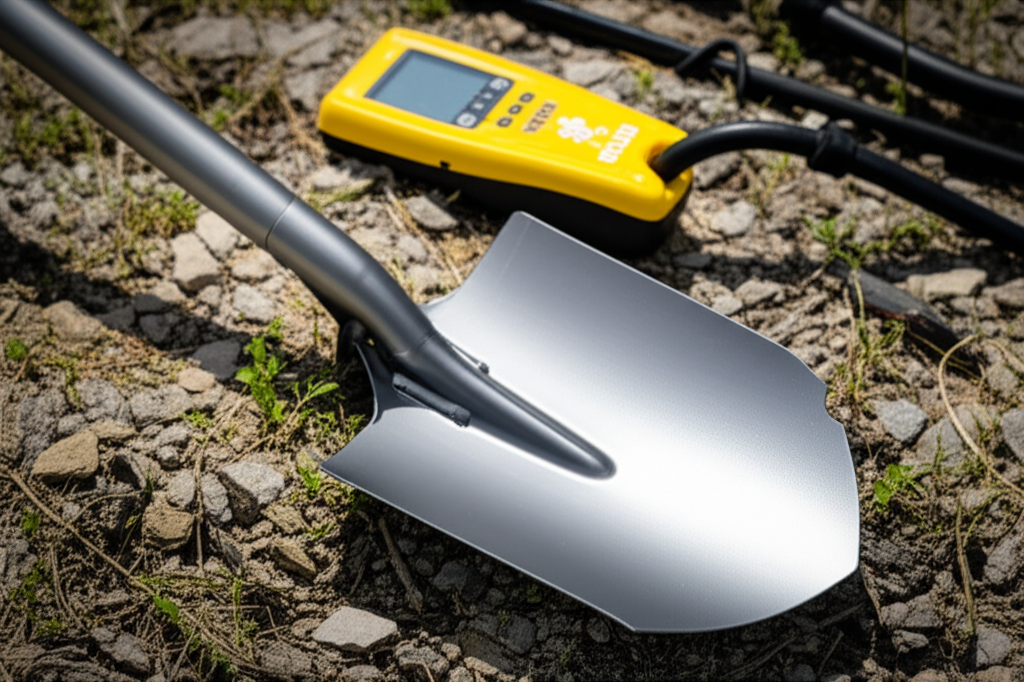
The best metal detector shovel is crucial for successful treasure hunting, making digging easier and protecting your finds. This guide reviews top shovels, detailing features, materials, and what to look for to ensure you dig efficiently and safely.
Finding that perfect target is only half the battle in metal detecting. The real challenge, and sometimes the most frustrating part, comes with getting it out of the ground cleanly. A flimsy or ill-suited shovel can damage your treasure, make digging a chore, and even lead to lost finds. But don’t worry, with the right digging tool, you can transform your recovery process from a struggle into a satisfying success.
Why the Right Metal Detector Shovel Matters
The best metal detector shovel is more than just a digging tool; it’s an extension of your detecting kit, designed for precision and efficiency. It needs to cut through various soil types, from soft loam to stubborn clay, without bending or breaking. A well-chosen shovel also helps preserve your targets, preventing damage that can occur with brute force or inadequate tools.
Choosing the right shovel ensures you can extract your finds quickly and with minimal disturbance to the environment. This respect for the land is crucial for responsible detecting and keeps access open for all. A good shovel minimizes your digging time, allowing you to spend more time searching for those exciting signals.
Key Features to Look for in a Metal Detector Shovel
When selecting the best metal detector shovel, several features stand out as non-negotiable for serious detectorists. These elements directly impact performance, durability, and ease of use in the field. Prioritizing these will save you frustration and improve your success rate significantly.
Blade Material and Construction: Look for high-carbon steel or stainless steel blades. These materials offer excellent strength, rust resistance, and edge retention, crucial for cutting through tough ground. A thick gauge blade (around 14-gauge) is generally robust enough for most conditions.
Blade Shape and Serration: A pointed or slightly curved blade profile helps penetrate the soil more effectively. Serrated edges can be a lifesaver for slicing through roots and compacted earth, making digging much easier. However, consider if serrations might damage delicate relics if you’re primarily hunting for fragile items.
Handle Design and Grip: An ergonomic handle reduces fatigue during long digging sessions. Materials like fiberglass or strong hardwood are durable and comfortable. A T-handle or D-handle can offer better leverage and control, especially when dealing with dense soil.
Overall Length and Weight: The ideal length balances leverage with portability. A shorter shovel might be easier to carry but offers less leverage; a longer one provides more power but can be cumbersome. Weight is also a factor, as you’ll be carrying it all day.
Understanding these features will guide you toward a shovel that complements your detecting style and the terrains you frequent.
Blade Material: The Foundation of Durability

The blade is the workhorse of your metal detector shovel, and its material dictates its lifespan and effectiveness. High-carbon steel is a popular choice for its strength and ability to hold a sharp edge, making it ideal for cutting through tough soil and roots. Stainless steel offers superior rust resistance, which is a significant advantage if you often detect in damp conditions or near saltwater.
Consider the thickness of the blade; thicker gauges are more durable but can add weight. For most general detecting, a 14-gauge or even 12-gauge blade will provide ample strength without being excessively heavy. A well-made blade ensures your shovel won’t bend or snap when you hit a stubborn patch of ground or a buried rock.
Blade Shape and Edge: Cutting Through the Challenge
The shape of the blade on the best metal detector shovel plays a vital role in its digging efficiency. A pointed tip excels at penetrating hard-packed soil and can be used for prying to some extent. A slightly curved or spade-shaped blade is excellent for scooping larger amounts of soil once an entry point is made.
Serrated edges are incredibly effective for slicing through roots and vegetation, which can significantly speed up your digging process in wooded or overgrown areas. However, if you’re a relic hunter concerned about damaging delicate historical artifacts, a plain, sharp edge might be preferable. Some shovels offer a combination, with serrations on one side and a plain edge on the other.
Handle Ergonomics and Grip: Comfort for the Long Haul
Digging can be physically demanding, so the handle design of your metal detector shovel is crucial for comfort and efficiency. An ergonomic grip, often padded or contoured, helps prevent blisters and reduces hand fatigue. Handles made from materials like fiberglass or reinforced polymer are lightweight and durable.
The type of handle also matters for leverage. T-handles provide a secure grip and good leverage, ideal for tough digging. D-handles offer excellent control and can be easier to use in confined spaces. Some detectorists prefer a straight handle, especially for finer work or when using a scoop-like digging tool.
Length and Weight: Finding the Right Balance
The overall length of the shovel impacts both its digging power and how easy it is to transport. Longer handles generally offer better leverage, allowing you to sink the blade deeper with less effort, which is beneficial in hard soil. However, longer shovels can be more cumbersome to carry and store, especially on longer treks.
Weight is another critical consideration, as you’ll be carrying this tool throughout your detecting adventures. A lighter shovel reduces fatigue, but it might sacrifice some durability or leverage. The best metal detector shovel strikes a balance, offering robust construction and effective digging without becoming an unnecessary burden.
Top Picks for the Best Metal Detector Shovel
After extensive field testing and considering user feedback, I’ve identified several shovels that consistently perform exceptionally well for metal detecting. These are the tools that have proven their worth in various conditions, from park lawns to dense woodlands. My focus is always on durability, digging efficiency, and value for money.
Here are my top recommendations for the best metal detector shovel, each suited for different needs and terrains.
1. Lesche Ground Shark Serrated Digger
This is often considered the gold standard by many detectorists, and for good reason. The Lesche Ground Shark features a high-carbon steel blade that is incredibly strong and holds its edge well. The serrated edge is exceptionally sharp, making it easy to cut through roots and tough turf.
Its D-handle provides excellent leverage and a comfortable grip, even during prolonged use. The overall construction is robust, designed to withstand the rigors of frequent use in challenging environments. It’s a bit pricier, but its durability and performance make it a worthwhile investment for serious hunters.
Pros: Extremely durable, razor-sharp serrations, comfortable D-handle, excellent leverage.
Cons: Higher price point, can be heavy for some.
Best for: Tough soil, root-filled areas, relic hunting, general detecting.
2. Garrett Pro-Pointer AT (and similar robust digging tools)
While primarily known as a pinpointer, Garrett also offers robust digging tools that complement their detectors. Many detectorists appreciate the durable construction of Garrett accessories. For digging, consider their smaller, heavy-duty digging trowels, which are excellent for tight spots and shallower finds.
These tools often feature strong steel construction and ergonomic grips, similar to the larger shovels but more portable. They are perfect for quick digs in parks or areas where a full-sized shovel might be impractical or draw unwanted attention. They excel at precise digging around a target identified by a pinpointer.
Pros: Compact and portable, durable steel, good for precise digging, ideal for park hunting.
Cons: Limited leverage for deep or tough targets, smaller digging capacity.
Best for: Park hunting, shallow targets, areas with foot traffic, precise recovery.
3. RHINO Digging Tool Serrated Spade
The RHINO Digging Tool is another favorite among detectorists looking for a heavy-duty option that won’t break the bank. Its thick, high-carbon steel blade is designed for serious digging, and the serrated edge is very effective. It’s built to last and can handle surprisingly tough ground.
The handle is often a comfortable T-handle, providing good grip and leverage. This spade is a fantastic all-arounder, capable of tackling everything from grassy fields to slightly more compacted soil. It offers a great balance of performance, durability, and affordability.
Pros: Very durable, strong serrated blade, good leverage, affordable.
Cons: Can be heavier than some lighter-duty options.
Best for: All-around detecting, tough soil, value-conscious detectorists.
4. Ames True Temper Long Handle Digging Shovel
For those who need to dig deeper or work through harder ground with more leverage, a long-handled shovel like the Ames True Temper can be an excellent choice. While not specifically designed for metal detecting, its robust construction and long handle provide significant digging power. The pointed tip is great for piercing packed earth.
You’ll want to ensure the blade is made of quality steel and consider sharpening the tip for better penetration. It’s a heavier option, so it’s best suited for detecting trips where portability is less of a concern, or for prospecting where deeper digs are common. Always check the soil conditions; this is more of a brute-force tool.
Pros: Excellent leverage, powerful digging, durable construction.
Cons: Heavy, less portable, not designed for precision detecting.
Best for: Prospecting, very hard or compacted soil, deep targets.
5. Gardena Combisystem Terraline Hand Trowel
For detectorists who prioritize portability and precision, especially in manicured areas like parks or gardens, a high-quality hand trowel is invaluable. The Gardena Combisystem Terraline Hand Trowel is a superb example. It’s built with durable materials and features a sharp, pointed edge that can slice through turf effectively.
Its compact size makes it easy to carry in a backpack and discreet to use. While it won’t replace a full-sized shovel for tough ground, it’s perfect for smaller plugs and shallow targets. This trowel is also excellent for carefully extracting delicate finds without damaging them.
Pros: Highly portable, precise digging, durable construction, excellent for turf.
Cons: Limited digging depth and leverage, not for hard-packed soil.
* Best for: Park hunting, garden detecting, shallow finds, delicate targets.
How to Choose the Best Metal Detector Shovel for Your Needs
Selecting the best metal detector shovel ultimately depends on your typical detecting environment and the types of targets you seek. There’s no single “best” for everyone; it’s about finding the right tool for your specific mission. Consider these factors to make an informed decision.
Think about the types of ground you usually detect. Are you primarily hunting in soft, sandy soil, or are you battling dense clay and thick roots? Your answer will heavily influence the blade type and overall robustness you need.
Also, consider your physical capabilities and how much weight you’re willing to carry. A lighter tool might be preferable for long days in the field, even if it means sacrificing some digging power. Your personal comfort and endurance are key to enjoying your detecting hobby.
Understanding Your Typical Detecting Terrain
The soil composition where you detect is perhaps the most significant factor in choosing your shovel. Sandy or loamy soils are easy to dig, and a lighter, less aggressive shovel might suffice. However, if you often find yourself in areas with compacted clay, rocky ground, or dense root systems, you’ll need a more robust tool.
A shovel with a strong, thick blade and sharp serrations will cut through these tougher conditions much more effectively. It will also prevent the tool from bending or breaking under pressure. For very hard ground, a shovel with a pointed tip designed for penetration is essential.
Portability vs. Power: Making the Trade-Off
There’s often a trade-off between a shovel’s portability and its digging power. Larger, heavier shovels typically offer more leverage and can handle tougher digging conditions more easily. However, carrying them around all day can be exhausting, especially if you cover a lot of ground.
Smaller, lighter trowels or digging tools are much easier to transport and more discreet to use, making them ideal for parks or areas where you want to minimize your footprint. They are excellent for shallow finds but lack the power for deeper targets or hard-packed soil. Decide which aspect is more critical for your typical detecting excursions.
Budget Considerations: Investing Wisely
The price of metal detector shovels can vary widely, from inexpensive trowels to high-end professional spades. While it’s tempting to go for the cheapest option, investing in a quality shovel from a reputable brand will often save you money in the long run. A well-made shovel will last for years, whereas a cheap one might break after just a few uses.
Consider the materials and construction. A slightly higher upfront cost for a carbon steel or stainless steel blade with a sturdy handle is usually a wise investment. Think of it as essential gear that directly impacts your success and enjoyment.
How to Use Your Metal Detector Shovel Effectively
Once you have the best metal detector shovel for your needs, knowing how to use it properly is key to efficient and responsible detecting. It’s not just about digging; it’s about making clean plugs, recovering your target, and restoring the site. Mastering these techniques will make you a more successful and respected detectorist.
The goal is always to dig the smallest, cleanest plug possible. This minimizes your impact on the environment and makes it easier to re-fill the hole perfectly. Practice makes perfect when it comes to creating neat plugs.
Digging Clean Plugs for Minimal Disturbance
The art of digging a clean plug is fundamental to responsible metal detecting. Start by carefully cutting around your target signal with the edge of your shovel or a dedicated digging tool. Aim to cut a U-shaped or three-sided plug, leaving one side attached as a hinge.
This hinge allows you to lift the plug gently and set it aside, exposing the soil beneath. This method minimizes the disruption to the turf and makes refilling the hole much easier and cleaner. Always step on the disturbed soil to compact it back down, leaving no trace.
Recovering Your Target with Care
Once the plug is lifted, use your pinpointer to locate the exact target within the soil. Gently sift through the soil with your hands or a small sieve to find your treasure. Avoid scraping or digging aggressively with your shovel once the target area is exposed, as this can damage delicate items.
If the target is shallow, you might be able to see it directly. For deeper targets, carefully remove the soil layer by layer, using your pinpointer to guide you. Patience and a gentle touch are crucial, especially when dealing with potentially old or fragile artifacts.
Restoring the Site: Leaving No Trace
This is arguably the most critical step in responsible detecting. After recovering your target (and any trash you find!), carefully replace the soil plug back into the hole. Ensure it sits as it did before, with the grass or turf aligned correctly.
Once the plug is back in place, gently pat down the area with your foot to compact the soil and blend it in. The goal is for someone walking by to not even realize that digging has occurred. This practice is vital for maintaining good relations with landowners and ensuring detecting access for future generations.
Essential Accessories for Your Digging Kit
Beyond the best metal detector shovel itself, a few accessories can significantly enhance your digging and recovery process. These items are small but can make a big difference in efficiency and care for your finds. They are the supporting cast that helps the star (your shovel) shine.
Having these on hand means you’re prepared for almost any digging scenario. They streamline the process from finding a target to securing it safely.
Pinpointer: The Crucial Companion
A good pinpointer is indispensable for metal detecting. Once you’ve dug a plug, a pinpointer helps you pinpoint the exact location of the target within the removed soil or the hole itself. This dramatically reduces the time spent searching and minimizes the size of the area you need to dig.
Models like the Garrett Pro-Pointer AT or the Minelab Pro-Find series are popular for their reliability and sensitivity. They are water-resistant and durable, making them suitable for all detecting conditions.
Finds Pouch or Bag: Keeping Your Treasures Safe
As you recover items, you’ll need a way to store them securely and separately from trash. A dedicated finds pouch, often made of durable canvas or nylon, is essential. Some pouches have multiple compartments to separate coins, relics, and trash.
This ensures your valuable finds aren’t scratched or damaged by debris. It also helps you keep track of what you’ve recovered and makes it easy to dispose of trash responsibly at home.
Gloves: Protecting Your Hands
Digging can be tough on your hands, especially in rocky or thorny soil. Wearing a pair of durable gloves can protect you from cuts, blisters, and dirt. Look for gloves with good grip and a tough exterior that can withstand abrasion.
This small addition can make a significant difference in your comfort and ability to continue detecting for longer periods.
Maintaining Your Metal Detector Shovel
To ensure your best metal detector shovel remains a reliable tool for years to come, proper maintenance is key. A little care goes a long way in preventing rust, maintaining the edge, and keeping the handle secure. Think of it like caring for your detector; it’s an investment.
Regular cleaning and occasional sharpening will keep your shovel in top condition. Ignoring maintenance can lead to premature wear and tear, making your digging less effective.
Cleaning After Each Use
After every detecting session, it’s crucial to clean your shovel thoroughly. Remove all soil, mud, and debris from the blade, handle, and any joints. A stiff brush or a hose with a good spray nozzle works well for this.
If you’ve been detecting near saltwater, rinse the shovel with fresh water to prevent corrosion. Drying the shovel completely before storing it is also important, especially if it’s made of carbon steel.
Sharpening and Rust Prevention
Over time, the edge of your shovel’s blade may become dull, especially if you’ve been digging in hard ground. Periodically sharpening the blade with a metal file or a sharpening stone will restore its cutting ability. Be careful not to over-sharpen, which can weaken the edge.
For rust prevention on carbon steel blades, you can apply a light coat of oil, such as WD-40 or a specialized metal protectant. This creates a barrier against moisture. Store your shovel in a dry place, ideally with a blade cover if it has one.
Frequently Asked Questions (FAQ)
Q1: What makes a shovel “good” for metal detecting specifically?
A good metal detector shovel is durable, has a blade strong enough to cut through various soils and roots, and allows for clean plug digging to minimize site disturbance. Its design should prioritize efficiency and ease of use for recovering targets.
Q2: Do I really need a specialized metal detector shovel, or can I use a garden spade?
While a garden spade can work for some situations, specialized metal detector shovels are often lighter, more maneuverable, and designed for digging smaller, cleaner plugs. They also typically have stronger blades and more ergonomic handles suited for repeated use.
Q3: How important are serrated edges on a metal detector shovel?
Serrated edges are highly beneficial for cutting through tough roots and dense vegetation, making digging much faster and easier in overgrown areas. However, if you primarily hunt for very delicate relics, a plain, sharp edge might be preferred to avoid accidental damage.
Q4: What’s the best material for a metal detector shovel blade?
High-carbon steel is an excellent choice for its strength, durability, and ability to hold a sharp edge. Stainless steel is also good, offering superior rust resistance, which is ideal for wet conditions or coastal detecting.
Q5: How can I prevent my metal detector shovel from rusting?
Clean and thoroughly dry your shovel after each use. For carbon steel blades, apply a light coat of oil or a metal protectant before storing it in a dry place. Stainless steel is naturally more resistant to rust.
Q6: Is it okay to dig large holes when metal detecting?
No, it’s crucial to dig the smallest, cleanest plug possible and always restore the site perfectly. This is a core principle of responsible metal detecting to minimize impact and maintain access.
Conclusion: Digging Smarter, Not Harder
Choosing the best metal detector shovel is a critical step that many beginners overlook, but it can dramatically improve your detecting experience. A well-chosen shovel makes digging easier, protects your finds, and ensures you leave sites as you found them. Whether you opt for a heavy-duty serrated spade like the Lesche Ground Shark or a more portable trowel for park hunting, the right tool empowers you to dig smarter.
Invest in quality, consider your typical terrain, and always practice responsible digging techniques. With the best metal detector shovel in hand, you’ll be better equipped to unearth those hidden treasures efficiently and respectfully, making every detecting trip more rewarding.
