


Published on: September 6, 2025 | Updated on: September 6, 2025
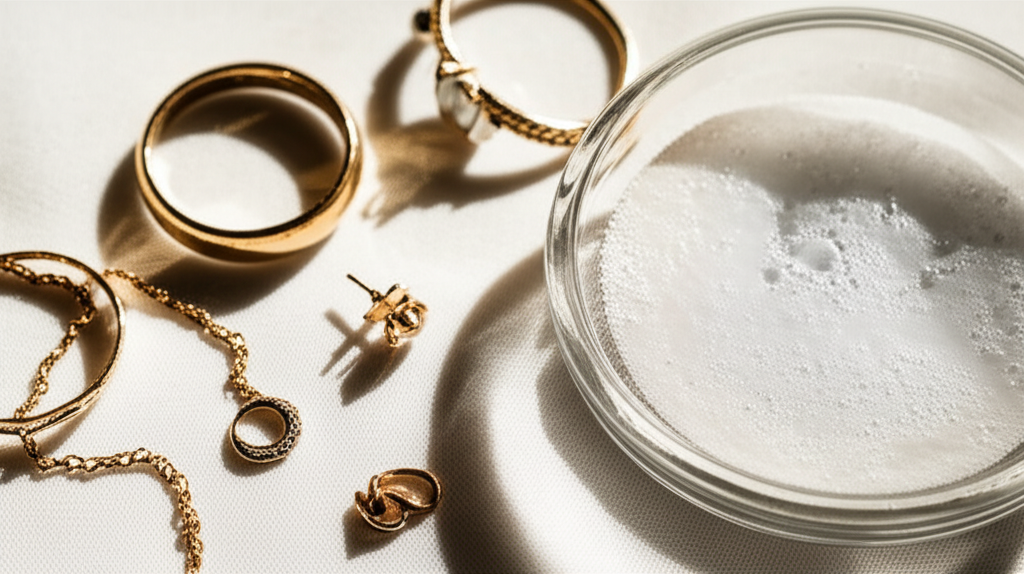
Yes, you can effectively clean gold with baking soda using a gentle, DIY method that brings back its shine without harsh chemicals, making it a safe and accessible option for most gold jewelry and items.
Gold jewelry, rings, necklaces, and even gold-plated items can lose their luster over time, accumulating dirt, oils, and grime that dull their brilliance. Many people worry about using harsh chemicals on their precious gold, fearing damage or discoloration. Fortunately, a common kitchen staple, baking soda, offers a surprisingly effective and gentle solution. This guide will walk you through the safest and most genius way to clean your gold using baking soda, restoring its original sparkle.
Can You Clean Gold With Baking Soda? A Gentle Approach
Yes, you absolutely can clean gold with baking soda, and it’s a method I’ve used countless times with fantastic results. Baking soda, or sodium bicarbonate, is a mild abrasive and a natural deodorizer, making it perfect for lifting away tarnish and grime without scratching delicate gold surfaces. Its gentle nature is key to preserving the integrity of your gold pieces, whether they are solid gold, gold-plated, or even feature gemstones.
This method is a favorite because it’s accessible, affordable, and avoids the potentially damaging chemicals found in many commercial jewelry cleaners. You likely already have everything you need in your kitchen pantry right now, making it an ideal go-to solution for a quick shine-up.
Why Baking Soda is a Gold Cleaner’s Best Friend
Baking soda’s effectiveness in cleaning gold stems from its unique chemical and physical properties. As a mild alkali, it helps to neutralize acidic residues that can contribute to tarnish. Its fine, crystalline structure acts as a gentle abrasive, capable of scrubbing away dirt and oils without causing noticeable scratches on the relatively soft metal of gold. This dual action makes it remarkably suitable for restoring shine.
Unlike harsher substances, baking soda is non-toxic and readily available, making it a practical choice for home use. Its affordability further cements its status as a go-to cleaning agent for precious metals.
The Science Behind Baking Soda’s Cleaning Power

Baking soda’s chemical formula, NaHCO3, reveals its alkaline nature. This alkalinity helps to break down the organic compounds, such as body oils and lotions, that often adhere to jewelry. The mild abrasive quality comes from its crystalline structure; when mixed with water to form a paste, these crystals can gently lift away surface impurities. This process is crucial for maintaining the gleam of gold without etching or damaging the metal’s surface.
When used correctly, it acts as a safe polishing agent. It’s important to remember that gold is a soft metal, so abrasive methods should always be approached with caution.
Essential Tools and Materials for Baking Soda Gold Cleaning
Gathering the right supplies is the first step to a successful gold cleaning session. You’ll need a few common household items that ensure a safe and effective cleaning process. Having these ready will make the entire operation smooth and efficient, allowing you to get back to admiring your sparkling gold in no time.
The beauty of this method is its simplicity, requiring minimal and easily accessible items. This means you can often tackle your gold cleaning needs on a whim, without a special trip to the store.
Your Baking Soda Gold Cleaning Toolkit:
- Baking Soda: The star ingredient, of course. Ensure it’s fresh for best results.
- Warm Water: Crucial for creating a paste and for rinsing.
- A Small Bowl: For mixing the baking soda and water.
- A Soft-Bristled Toothbrush: An old, clean toothbrush works perfectly for gentle scrubbing.
- A Soft, Lint-Free Cloth: For drying and polishing. Microfiber cloths are ideal.
- Optional: Mild Dish Soap: A drop can help lift stubborn grease.
- Optional: Tweezers: For handling small or delicate gold items.
Having these items on hand ensures you’re prepared for a thorough and safe cleaning. The key is gentleness throughout the entire process.
The Genius Step-by-Step Baking Soda Method for Cleaning Gold
Now, let’s get to the core of how to clean your gold with baking soda effectively. This step-by-step guide is designed for ease of use and maximum sparkle, ensuring you don’t miss any crucial details. Following these instructions will help you achieve a brilliant shine safely.
This method prioritizes the longevity and beauty of your gold, making it a smart choice for any gold item you cherish.
Step 1: Prepare Your Baking Soda Paste
In your small bowl, combine a few tablespoons of baking soda with just enough warm water to create a thick paste. The consistency should be similar to toothpaste – not too runny, but spreadable. This paste is where the magic happens, gently lifting dirt and tarnish.
Ensure the paste is smooth and free of large clumps for even application. A well-made paste is the foundation of a successful cleaning.
Step 2: Apply the Paste to Your Gold
Using your fingertips or the soft-bristled toothbrush, gently apply the baking soda paste to your gold jewelry or item. Cover all surfaces, paying attention to crevices and intricate designs. Avoid rubbing too vigorously at this stage; the paste does the hard work.
Be thorough but gentle, ensuring all areas needing a clean are covered. This careful application protects the gold’s finish.
Step 3: Gentle Scrubbing (If Necessary)
For most items, simply letting the paste sit for a few minutes is enough. If there’s stubborn grime, use the soft-bristled toothbrush to very gently scrub the gold. Move the brush in small, circular motions, applying minimal pressure. This step is about dislodging dirt, not polishing through abrasion.
Remember, gold is soft, so any scrubbing should be exceptionally light. The goal is to remove debris, not to abrade the metal itself.
Step 4: Rinse Thoroughly with Warm Water
Once you’ve applied the paste and gently scrubbed (if needed), it’s time to rinse. Use warm running water to wash away all traces of the baking soda paste. Ensure no residue remains, as this could leave a dull film.
A thorough rinse is critical to reveal the true shine underneath. Any leftover paste can obscure the results you’re aiming for.
Step 5: Dry and Polish
Gently pat your gold item dry with a soft, lint-free cloth. Avoid rubbing vigorously, as this can still cause micro-scratches over time. Once dry, you can use the cloth to give it a final gentle polish, bringing out its natural luster.
Proper drying and a final buff will enhance the brilliance of your cleaned gold. The result should be a noticeable sparkle.
When to Use Caution: What NOT to Do with Baking Soda and Gold
While baking soda is generally safe for gold, there are a few crucial caveats to be aware of. Misapplication or using it on certain types of gold items can lead to unintended consequences. Understanding these limitations is as important as knowing the method itself.
Being mindful of these exceptions will help you avoid potential damage and keep your gold looking its best for years to come.
Gold Items Requiring Extra Care:
- Gold-Plated or Vermeil Jewelry: While baking soda is mild, excessive scrubbing or prolonged soaking can wear away the thin layer of gold plating. Be extremely gentle and limit contact time.
- Jewelry with Porous Gemstones: Opals, pearls, turquoise, and emeralds can be damaged by alkaline substances or abrasions. Avoid using baking soda on jewelry featuring these stones, or ensure the paste doesn’t come into direct contact.
- Antique or Intricately Engraved Gold: These items may have delicate details that could be affected by even mild abrasion. Assess the condition carefully before proceeding.
- Heavily Tarnished or Damaged Gold: If your gold has significant damage or very deep tarnish, baking soda might not be sufficient and could potentially exacerbate existing issues. Professional cleaning might be a better option.
Always assess your gold item before deciding on a cleaning method. When in doubt, it’s best to err on the side of caution or consult a professional jeweler.
The Dangers of Over-Abrasion and Harsh Scrubbing
The primary risk when cleaning gold with baking soda comes from excessive scrubbing. Gold is a relatively soft metal, and even the mild abrasive nature of baking soda, combined with vigorous scrubbing, can lead to micro-scratches. These tiny imperfections can dull the finish over time and are irreversible.
Therefore, it’s essential to remember that gentleness is paramount. The paste does most of the work; scrubbing should be a last resort and always extremely light.
Alternative Gentle Cleaning Methods for Gold
While baking soda is a fantastic option, sometimes you might want to explore other gentle methods or have specific needs. Fortunately, there are several other DIY and readily available solutions that can help keep your gold gleaming. These alternatives offer different approaches to cleaning, catering to various preferences and situations.
Having a few different gentle cleaning methods in your arsenal ensures you can always find the right solution for your gold pieces.
1. Mild Dish Soap and Warm Water Soak
This is perhaps the gentlest method. Mix a few drops of mild dish soap with warm water in a bowl. Submerge your gold jewelry and let it soak for 15-30 minutes. Afterward, use a soft toothbrush to gently dislodge any loosened dirt, then rinse and dry.
This method is excellent for removing everyday oils and lotions without any abrasive action. It’s a great starting point for regular cleaning.
2. Ammonia-Based Solutions (Use with Extreme Caution)
A solution of one part ammonia to six parts warm water can be effective for cleaning gold, especially for removing stubborn grease and grime. Soak jewelry for no more than 10 minutes, then rinse thoroughly and dry. However, ammonia can be harsh and should never be used on gold with pearls, turquoise, or other porous gemstones, as it can cause permanent damage.
Ammonia is potent and requires careful handling and thorough rinsing. It’s best reserved for solid gold pieces without sensitive stones.
3. Toothpaste (Non-Gel, Non-Whitening)
Similar to baking soda, a tiny dab of non-gel, non-whitening toothpaste can be used as a mild abrasive. Apply a small amount to a soft brush, gently scrub the gold, and rinse thoroughly. Be warned: some toothpastes contain ingredients that can be too abrasive for gold, so use this method sparingly and with extreme caution.
This is a less recommended method due to the variability in toothpaste abrasiveness. Always test on an inconspicuous area first if you choose this route.
4. Specialized Jewelry Cleaning Cloths
For a quick touch-up and to maintain shine, specialized jewelry cleaning cloths are a convenient option. These cloths are impregnated with a mild cleaning agent and are designed to buff away tarnish and restore luster without water. They are perfect for maintaining the sparkle between deeper cleanings.
These cloths are excellent for regular maintenance and quick shine boosts. They are particularly useful for keeping your gold looking its best daily.
Understanding Gold Purity and Cleaning
The purity of your gold significantly impacts how it should be cleaned. Gold is rarely found in its purest form (24 karats) in jewelry because it’s too soft. Instead, it’s alloyed with other metals like copper, silver, or zinc to increase its durability. Understanding the karat of your gold helps you determine the best and safest cleaning approach.
Knowing your gold’s karat is crucial for choosing the right cleaning method and avoiding damage. Purity levels dictate the metal’s inherent softness and susceptibility to wear.
Karat Ratings and Their Implications:
| Karat | Gold Purity | Pros | Cons | Cleaning Suitability |
|---|---|---|---|---|
| 24K | 99.9% Pure Gold | Deepest yellow color, hypoallergenic | Very soft, easily scratched, expensive | Very gentle cleaning only; baking soda paste is okay if applied very lightly. |
| 18K | 75% Gold | Rich color, durable, hypoallergenic | Softer than 14K, can still scratch | Baking soda method is generally safe with light scrubbing. |
| 14K | 58.3% Gold | Good balance of color and durability, common | Less pure color than 18K, can still scratch | Baking soda method is very suitable; can tolerate gentle scrubbing. |
| 10K | 41.7% Gold | Most durable, affordable | Less pure color, more likely to react with skin (green marks) | Baking soda method is suitable, but be mindful of alloys. |
As the karat of gold decreases, the proportion of other metals increases, making it harder and more resistant to scratching. However, these alloys can sometimes react differently to cleaning agents.
The Role of Alloys in Cleaning
The metals alloyed with gold can affect its cleaning needs. For instance, copper alloys can sometimes be more prone to tarnishing than silver or zinc. While baking soda is mild enough not to react negatively with common gold alloys, it’s always wise to consider the overall composition of your jewelry.
Understanding the alloys helps in anticipating how your gold might respond to cleaning. This knowledge empowers you to choose the most appropriate and safest method.
When to Seek Professional Gold Cleaning Services
While DIY methods like using baking soda are effective for routine cleaning, there are times when a professional touch is indispensable. Certain situations call for the expertise and specialized equipment that only a jeweler can provide. Don’t hesitate to seek professional help when your gold items are particularly valuable, delicate, or heavily damaged.
Knowing when to step back and let the experts handle your gold ensures its preservation and value. Professional cleaning offers peace of mind for your most cherished pieces.
Signs You Should Visit a Jeweler:
- Extensive or Deep Tarnish: If your gold has developed heavy, dark tarnish that doesn’t respond to gentle methods, a jeweler has stronger, safer solutions.
- Damaged or Loose Settings: If the prongs holding your gemstones are bent, loose, or damaged, a jeweler can repair them. Trying to clean around them could worsen the problem.
- Valuable or Antique Pieces: For very expensive, heirloom, or antique gold jewelry, professional cleaning is the safest bet to preserve its condition and value.
- Special Gemstones: Jewelry with delicate or porous gemstones (like pearls, opals, emeralds) often requires specialized cleaning techniques that only professionals can provide.
- Uncertainty About Purity or Condition: If you’re unsure about the gold’s karat, plating, or if it has hidden damage, a jeweler can assess it accurately.
A professional cleaning can restore brilliance and address minor issues you might miss. It’s an investment in the longevity of your gold.
Frequently Asked Questions about Cleaning Gold with Baking Soda
Many questions arise when people consider using household items for cleaning precious metals. Here are answers to some of the most common concerns to help you feel confident in using the baking soda method.
Addressing these common questions can help demystify the process and ensure you use the baking soda method correctly and safely.
Q1: Can baking soda scratch my gold jewelry?
Baking soda is a mild abrasive. When used as a paste with water and applied gently, it is unlikely to scratch most solid gold jewelry. However, excessive pressure or scrubbing, especially on softer gold alloys or plated gold, can potentially cause micro-scratches over time. Always use a soft toothbrush and minimal pressure.
Q2: How often can I clean my gold with baking soda?
For most everyday jewelry, cleaning with baking soda once a month or as needed is sufficient to maintain its shine. If your jewelry is exposed to a lot of dirt, oils, or lotions, you might clean it more frequently. Avoid over-cleaning, as even mild methods can cause wear with repeated vigorous application.
Q3: Is baking soda safe for gold-plated items?
Baking soda is generally safe for gold-plated items if used with extreme caution. The key is to be very gentle, avoid scrubbing altogether if possible, and rinse quickly. Prolonged contact or vigorous scrubbing can wear away the thin layer of gold plating, exposing the base metal underneath.
Q4: Can I use baking soda on gold with gemstones?
This depends on the gemstone. Baking soda is generally safe for hard, non-porous gemstones like diamonds, sapphires, and rubies. However, it should be avoided for porous or delicate stones such as pearls, opals, turquoise, emeralds, and coral, as the alkaline nature and abrasive particles can cause damage or discoloration.
Q5: What if my gold is heavily tarnished?
For light to moderate tarnish, the baking soda paste method can be effective. If your gold is heavily tarnished, baking soda might not be enough. You might need to repeat the process or consider a slightly stronger, yet still gentle, cleaning solution. For severe tarnish, professional cleaning is often the best and safest option.
Q6: Should I use hot or cold water with baking soda?
Warm water is recommended. Warm water helps to dissolve the baking soda more effectively and can also help to loosen oils and dirt from the gold’s surface. Very hot water is not necessary and could potentially damage certain gemstones or the gold itself if left to soak for extended periods.
Conclusion: Shine Bright with Your Baking Soda Gold Cleaning Method
So, can you clean gold with baking soda? Absolutely! The essential, genius method involves creating a gentle paste, applying it with care, and rinsing thoroughly. This accessible, budget-friendly approach can restore the sparkle to your gold jewelry and other items without resorting to harsh chemicals.
Remember to always be gentle, especially with gold-plated items or jewelry featuring delicate gemstones. For most solid gold pieces, this baking soda method is a safe, effective, and highly recommended way to keep them looking their best. Embrace this simple solution and enjoy your brilliantly shining gold!
