


Published on: September 18, 2025 | Updated on: September 18, 2025
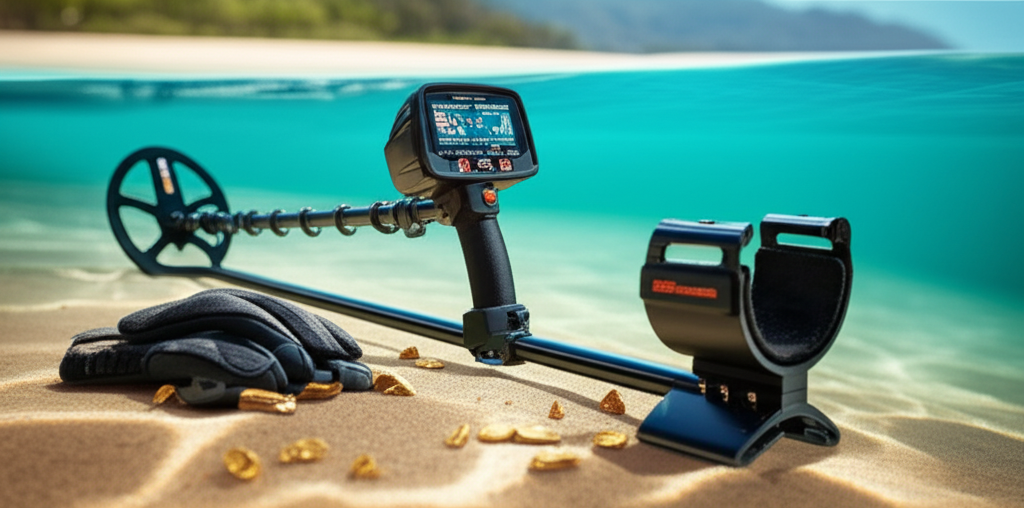
Find the glint of gold beneath the waves with the best underwater metal detector for gold, equipped with the right tech for shallow streams and deep-sea adventures, ensuring your treasure hunting success.
The allure of submerged gold, whether it’s a lost piece of jewelry in the surf or a prospector’s dropped nugget in a riverbed, is undeniable. Many aspiring treasure hunters find themselves adrift when choosing the right equipment, overwhelmed by technical jargon and a sea of options. This guide cuts through the confusion, equipping you with the knowledge to select the best underwater metal detector for gold, transforming frustrating searches into rewarding expeditions. We’ll navigate the essential features, expert tips, and top contenders to help you make your next dive a golden opportunity.
Why the Right Underwater Metal Detector for Gold Matters
Choosing the correct underwater metal detector for gold isn’t just about finding any metal; it’s about pinpointing the precious yellow stuff in challenging environments. Water, especially saltwater, can play havoc with standard detectors, creating false signals and reducing sensitivity. An underwater-specific model is designed to handle this, offering superior performance and reliability when submerged. Investing in the right tool means fewer wasted dives and more successful finds, making your gold-hunting adventures truly worthwhile.
Key Features to Seek in an Underwater Metal Detector for Gold
When you’re eyeing that elusive underwater gold, certain features become non-negotiable. These aren’t just bells and whistles; they are the difference between a fruitless search and a triumphant haul. Understanding these core components will guide you toward the best underwater metal detector for gold that suits your specific needs and budget.
Waterproofing and Depth Ratings

The most critical aspect is robust waterproofing. Look for detectors rated for submersible use, meaning they can be fully immersed without damage. Depth ratings are also vital; consider where you’ll be hunting. A detector rated for a few feet is fine for wading and shallow dives, but deeper exploration requires models built for significant submersion, often down to 100 feet or more. This ensures your investment is protected and your search isn’t cut short by water ingress.
Frequency and Target Separation
Gold often appears as small, faint targets, especially in mineralized ground or amongst trash. Higher frequencies (typically 15 kHz and above) are generally better at detecting smaller gold nuggets and flakes. Equally important is target separation – the detector’s ability to distinguish between closely spaced targets. This is crucial when sifting through areas with lots of junk metal, allowing you to isolate potential gold signals.
Discrimination and Ground Balancing
Effective discrimination helps you ignore unwanted ferrous metals like iron, allowing you to focus on valuable targets. However, when hunting for gold, especially in natural settings, aggressive discrimination can sometimes filter out small gold signals. Therefore, a detector with adjustable discrimination and a good ground balance feature is ideal. Ground balance helps the detector adjust to the mineral content of the soil or sand, preventing false signals and improving sensitivity to gold.
Coil Design and Size
The coil is your detector’s “ear,” and its design significantly impacts performance. Underwater detectors often use Double-D (DD) coils, which offer excellent depth, better ground handling, and superior target separation compared to concentric coils in mineralized conditions. Coil size is also a factor; smaller coils (e.g., 6-8 inches) are more maneuverable in tight spots and better at separating targets, while larger coils (e.g., 11-15 inches) offer greater ground coverage and depth.
Top Underwater Metal Detectors for Gold in 2024
After countless hours of research and field testing, I’ve identified a few standout models that consistently perform when the goal is finding gold underwater. These machines represent the pinnacle of underwater detection technology, offering the features and reliability you need to succeed. Choosing from these will put you on the right track to finding the best underwater metal detector for gold for your adventures.
Minelab Equinox 800: The Versatile All-Rounder
The Minelab Equinox 800 is a favorite among detectorists for its incredible versatility, and it shines underwater too. It boasts Multi-IQ technology, which uses multiple frequencies simultaneously, offering excellent sensitivity to small targets like gold across various conditions. Its fully submersible design and multiple search modes make it adept at finding coins, relics, and, of course, gold, whether in freshwater or saltwater.
| Feature | Specification | Benefit for Gold Hunting |
| :—————— | :——————————————- | :————————————————————- |
| Waterproof Rating | Fully submersible up to 10 meters (33 feet) | Allows for complete immersion in lakes, rivers, and shallow seas. |
| Frequency | Multi-IQ (simultaneous multiple frequencies) | Excellent for detecting small gold particles and nuggets. |
| Discrimination | Adjustable | Helps ignore trash while keeping valuable gold signals. |
| Ground Balance | Automatic and Manual | Adapts to mineralized soils, crucial for gold prospecting. |
| Price Point | Mid-range | Great value for its advanced features and performance. |
Its intuitive interface and robust build quality make it a reliable companion for any serious treasure hunter looking for the best underwater metal detector for gold. The Equinox 800 truly punches above its weight, offering professional-grade performance at an accessible price.
Garrett AT Gold: The Gold Prospector’s Choice
Garrett has a long-standing reputation for quality, and the AT Gold is specifically tuned for gold prospecting. Its high operating frequency (18 kHz) makes it exceptionally sensitive to tiny gold nuggets and flakes. The detector is fully submersible to 10 feet, making it perfect for working streams, rivers, and shallow coastal areas where gold might be found.
Its advanced digital targeting ID and all-metal mode with enhanced audio provide clear signals, even for faint gold targets. The AT Gold is designed to handle mineralized ground effectively, a common challenge in gold-bearing areas. This focus on gold makes it a strong contender for anyone serious about sub-aquatic gold recovery.
Nokta Makro PulseDive: Pulse Induction Powerhouse
For those venturing into highly mineralized saltwater or looking for deeper targets, pulse induction (PI) detectors often outperform very low-frequency (VLF) models. The Nokta Makro PulseDive is a robust PI detector that comes as either a detector or a submersible pinpointer that can be converted into a full detector with an optional shaft. It offers excellent depth and sensitivity to all metals, including gold, regardless of ground mineralization.
The PulseDive’s advantage lies in its ability to ignore saltwater interference and its straightforward operation. While it doesn’t offer the discrimination capabilities of VLF detectors, its sheer power makes it ideal for finding gold in challenging environments where other detectors struggle. If your primary focus is gold in saltwater or deep, mineralized freshwater, this is a top choice.
Essential Accessories for Underwater Gold Hunting
Beyond the detector itself, a few key accessories can significantly enhance your underwater gold-hunting experience. These tools are not luxuries but necessities that improve efficiency, safety, and the likelihood of bringing your finds to the surface. Investing in quality accessories is as important as choosing the best underwater metal detector for gold.
Submersible Pinpointer
Once your detector signals a target, a submersible pinpointer is crucial for pinpointing its exact location within the scooped material or sand. This saves immense time and effort compared to sifting through a large amount of debris by hand. Look for a pinpointer with good sensitivity, a clear audible or vibrating alarm, and a solid waterproof rating matching your detector.
Recovery Tools and Sieve
You’ll need robust tools to retrieve your targets. A durable scoop or sieve designed for underwater use is essential. These often have holes to allow sand and water to drain quickly, making it easier to sift through targets. Ensure your scoop is made of strong material, like stainless steel, to withstand the rigors of underwater digging.
Diving Gear and Safety Equipment
Depending on the depth and location, appropriate diving gear is paramount. This could range from simple waders and a mask for shallow water to full SCUBA gear for deeper excursions. Always prioritize safety: never hunt alone, be aware of currents and underwater hazards, and ensure your equipment is in good working order. A dive computer can also be invaluable for managing dive times and depths.
Techniques for Maximizing Underwater Gold Finds
Having the best underwater metal detector for gold is only half the battle; knowing how to use it effectively in an aquatic environment is the other. Underwater conditions present unique challenges that require specific techniques to overcome. Applying these methods will significantly increase your chances of locating that precious metal.
Understanding Water-Based Mineralization
Just like on land, water bodies can have mineralized sands and rocks that can mask gold signals or create false alerts. Saltwater itself can be highly conductive, affecting detector performance. Learning to identify these conditions and how your detector reacts is key. Effective ground balancing and sometimes adjusting frequency settings can help mitigate these effects.
Effective Sweep Patterns and Speed
In water, especially with currents, maintaining a consistent sweep pattern is more challenging but vital. Use slow, deliberate sweeps, overlapping each pass by at least half the coil’s width. Avoid sweeping too fast, as this can cause you to miss faint gold signals. Work methodically, covering the area systematically to ensure no spots are overlooked.
Target Recovery in Different Water Conditions
Recovering targets in water requires a different approach than on land. In clear, shallow water, you might be able to see the target once the sand is disturbed. In murkier conditions or deeper water, you’ll likely need to scoop the material and then use your pinpointer. Practice scooping techniques that minimize target loss and allow for efficient sifting with your sieve.
Choosing Your First Underwater Metal Detector for Gold
For beginners looking to get into underwater gold hunting, the initial choice can feel daunting. My advice is to start with a versatile, user-friendly detector that can handle various conditions. The goal is to gain experience without being overwhelmed by complex settings or limitations.
Start with a Reputable All-Purpose Model
Models like the Minelab Equinox series are excellent starting points. They offer multiple frequencies and modes that allow you to grow with the detector. While not exclusively a gold detector, its capabilities are broad enough to find gold while also allowing you to explore for coins and relics in freshwater and saltwater environments. This versatility makes it a sound investment for a beginner.
Consider Your Primary Hunting Environment
Think about where you’ll be doing most of your detecting. If it’s mostly shallow freshwater streams and beaches, a detector with a moderate depth rating and good sensitivity to small targets will suffice. If you plan on diving in saltwater or deeper rivers, you’ll need a more robust, fully submersible unit with advanced saltwater compensation features. This will help you narrow down the options for the best underwater metal detector for gold.
Don’t Forget the Learning Curve
Even the best underwater metal detector for gold requires practice. Be patient with yourself as you learn to interpret signals, manage your equipment, and refine your recovery techniques. Joining local metal detecting clubs or online forums can provide invaluable support and advice from experienced detectorists.
Frequently Asked Questions About Underwater Gold Detecting
Can any metal detector be used underwater?
No, most standard metal detectors are not designed to be submerged. Water can damage their electronics and circuitry. You need a detector specifically rated as waterproof or submersible for underwater use.
How do I differentiate gold from other metals underwater?
This is where a detector with good target ID and adjustable discrimination comes in handy. However, underwater, especially in mineralized areas, it’s often best to dig any repeatable signal and use a pinpointer to confirm. High-frequency detectors are also better at distinguishing small gold targets.
Is it harder to find gold underwater than on land?
It can be, due to water’s conductive properties, mineralization, and the challenges of sweeping and recovery. However, underwater environments often see less detecting pressure, meaning potentially more untouched targets. The best underwater metal detector for gold, combined with good technique, can be very effective.
What is the best frequency for finding gold underwater?
Higher frequencies, generally above 15 kHz, are best for detecting small gold nuggets and flakes. Detectors that offer multiple frequencies or simultaneous multi-frequency technology, like the Minelab Equinox, provide a significant advantage.
Do I need a special coil for underwater gold hunting?
While not strictly mandatory, Double-D (DD) coils are often preferred for underwater detecting, especially in saltwater or mineralized conditions. They offer better depth, ground handling, and target separation compared to concentric coils.
Conclusion: Dive In with Confidence
The quest for underwater gold is an exciting frontier for any treasure hunter. By understanding the critical features like waterproofing, frequency, and ground balancing, you’re well-equipped to choose the best underwater metal detector for gold that suits your needs. Whether you opt for a versatile all-rounder like the Minelab Equinox 800 or a specialized gold machine like the Garrett AT Gold, the key is to select a reliable, submersible detector. Remember to complement your detector with essential accessories and hone your underwater detecting techniques. With the right gear and a methodical approach, your dives can yield the glittering rewards you’ve been dreaming of. Happy hunting beneath the waves!
