


Published on: September 18, 2025 | Updated on: September 18, 2025
Best Way to Mail Coins: Essential, Proven Guide
Safely mailing coins involves proper packaging, secure envelopes, and choosing the right shipping service to prevent loss or damage. This guide covers essential steps and proven methods to ensure your valuable coins reach their destination intact, protecting your investment and peace of mind.
Mailing coins might seem straightforward, but it’s a task that often causes anxiety for collectors and hobbyists. The fear of a valuable coin getting lost, damaged, or even stolen in transit is a real concern. Whether you’re sending a single rare piece or a batch of newly acquired treasures, knowing the best way to mail coins is crucial. This guide will walk you through the essential, proven steps to ensure your coins arrive safely.
Why Proper Coin Mailing Matters
Mailing coins isn’t just about slapping a stamp on an envelope; it’s about safeguarding your investment and ensuring the integrity of your collection. Coins, especially rare or valuable ones, are susceptible to damage from rough handling, moisture, and even magnetic fields. Furthermore, they can be attractive targets for theft if not shipped discreetly. Understanding the risks helps us appreciate the importance of careful preparation.
Understanding the Risks of Mailing Coins
Before we dive into solutions, it’s vital to acknowledge the potential pitfalls. Standard postal services, while generally reliable, can be tough on packages. Coins are dense and can shift, potentially tearing through flimsy packaging. The lack of specific handling protocols for valuable items in transit means your package could be treated like any other. Awareness of these risks is the first step to mitigating them effectively.
Essential Supplies for Mailing Coins Securely
Gathering the right materials is the cornerstone of securely mailing coins. Having these items on hand before you start ensures a smooth and efficient packing process. Investing in quality supplies protects your coins far better than cutting corners.
Coin Holders and Flips
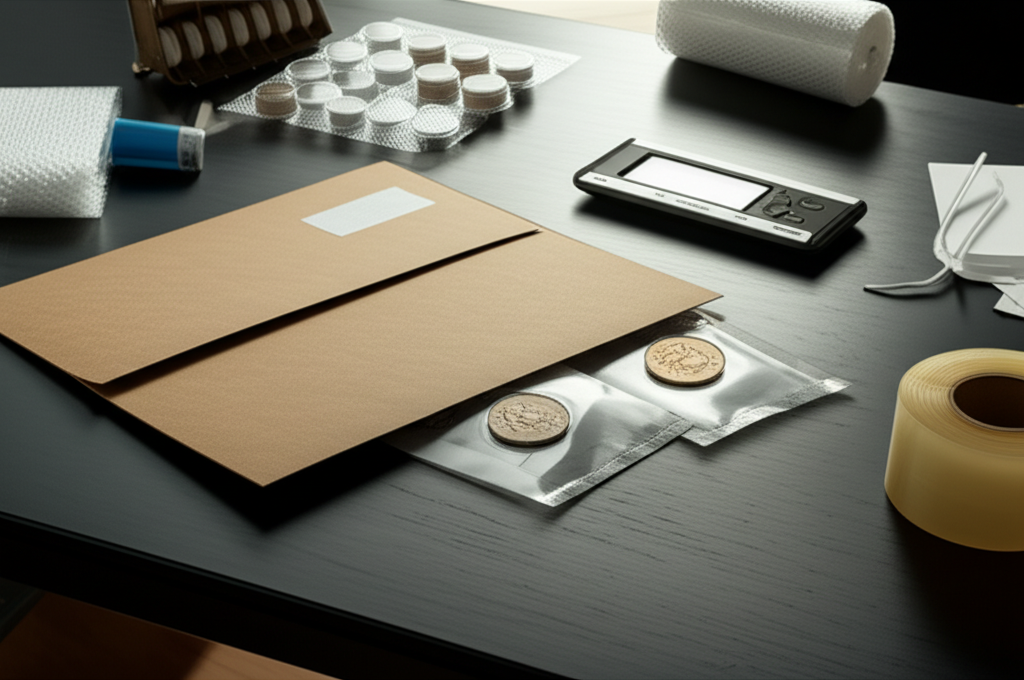
The first line of defense for individual coins is proper containment. Cardboard 2×2 holders are a classic choice, offering protection and space for labeling. For more valuable coins, inert plastic flips or hard plastic holders (like slabs for graded coins) provide superior protection.
Padding and Cushioning Materials
Once your coins are in their holders, they need ample cushioning. Bubble wrap is excellent for this purpose, but consider using foam peanuts or even shredded paper for extra void fill. The goal is to prevent the coin holders from shifting within the outer envelope or box.
Sturdy Envelopes and Boxes
The outer packaging needs to be robust enough to withstand the rigors of shipping. Padded envelopes offer a good balance of protection and cost-effectiveness for single or a few coins. For larger quantities or more valuable items, a small, sturdy cardboard box is highly recommended.
Sealing Materials
Strong packing tape is essential to ensure your package remains sealed throughout its journey. Don’t rely on the adhesive of the envelope alone; always reinforce seams and edges.
Step-by-Step Guide: The Best Way to Mail Coins
Following a structured approach ensures no critical step is missed. This method prioritizes security, protection, and discretion.
Step 1: Prepare Your Coins
Ensure your coins are clean and free from any loose debris. If they are in protective holders, double-check that they are securely closed. For extremely valuable coins, consider professional grading services, as these coins come in tamper-evident, secure cases.
Step 2: Individual Coin Protection
Place each coin into its own protective holder. For standard cardboard 2x2s, tape the coin securely in the center to prevent movement. If using plastic flips, ensure the coin is centered and the flap is taped shut.
Step 3: Inner Packaging
Wrap each individually protected coin in a layer or two of bubble wrap. If mailing multiple coins, group them together and wrap them as a single unit. This creates a soft cushion and adds a layer of shock absorption.
Step 4: Outer Packaging Selection
Choose your outer packaging based on the number and value of the coins. A heavy-duty padded envelope works well for one or two standard coins. For more coins or higher value, opt for a small, sturdy corrugated cardboard box.
Step 5: Secure the Inner Package
Place the bubble-wrapped coin(s) inside the padded envelope or box. Fill any empty space with additional cushioning material like foam peanuts or crumpled paper. The contents should not be able to shift when you gently shake the package.
Step 6: Seal the Outer Package
Seal the envelope or box securely with strong packing tape. Ensure all seams and edges are covered to prevent accidental opening. For boxes, tape across the opening and along all seams, including the bottom and top flaps.
Step 7: Address and Label Clearly
Write the recipient’s address and your return address clearly and legibly. Avoid any markings that might indicate the contents are valuable, such as “coins,” “gold,” or specific brand names related to coin collecting.
Choosing the Right Shipping Service
The shipping carrier and service you select can significantly impact the security and speed of your delivery. Each has its pros and cons, especially when dealing with valuable items like coins.
USPS (United States Postal Service)
The USPS is a common choice for mailing coins due to its affordability and widespread reach. For valuable coins, consider using USPS Priority Mail or Priority Mail Express, which offer tracking and insurance options. Registered Mail is another secure option, though it can be slower and more expensive, involving multiple levels of security and hand-offs.
Private Carriers (UPS, FedEx)
Services like UPS and FedEx often provide more robust tracking and potentially faster delivery times. They can be a good option for higher-value shipments, as their insurance policies might be more comprehensive. However, they can also be more expensive than USPS for standard mail.
Insurance and Tracking: A Must-Have
Regardless of the carrier, always opt for shipping services that include tracking and insurance. Insurance provides financial protection in case of loss or damage, and tracking allows you to monitor the package’s progress. For valuable coins, ensure the insurance coverage accurately reflects the item’s worth.
Discreet Shipping: Keeping Your Contents Private
Discretion is paramount when mailing coins. You want to avoid drawing unnecessary attention to your package, which could make it a target for theft.
Avoid Descriptive Labels
As mentioned earlier, refrain from using any words that hint at the contents. Stick to standard shipping labels and your return address. The less said, the better.
Consider the Return Address
While a return address is necessary, ensure it’s a standard residential or business address, not one that screams “coin collector’s paradise.”
Packaging Alternatives
Sometimes, using a plain brown box or a non-descript padded envelope can be more discreet than branded shipping materials. The goal is for the package to blend in.
Shipping Graded Coins
Graded coins, encased in their tamper-evident slabs, are already well-protected. However, the mailing process still requires care.
Handling Graded Slabs
While the slabs are robust, they are not indestructible. Treat them with care and avoid dropping or bending them.
Packaging Graded Coins
Wrap the graded slab in a generous amount of bubble wrap. Then, place it in a sturdy box with ample cushioning to prevent any movement during transit. Ensure the box is appropriately sized to avoid excessive empty space.
Insurance for Graded Coins
Always insure graded coins for their full market value. This is especially important for rare or high-grade specimens.
International Coin Shipments: Extra Precautions
Mailing coins internationally adds layers of complexity, including customs regulations and potentially longer transit times.
Customs Declarations
Accurately declare the contents and value of your shipment on customs forms. Misrepresenting items can lead to delays, fines, or confiscation. Consult the postal service or carrier’s guidelines for specific country restrictions.
Carrier Choice for International Mail
International shipping services from major carriers like USPS, UPS, and FedEx are generally reliable. Research which service offers the best combination of speed, tracking, and insurance for your destination country. Be aware that some countries may have restrictions on importing coins.
Prohibited Items
Always check the import regulations of the destination country and the prohibited items list for your chosen carrier. Some countries may restrict or prohibit the import of numismatic items.
What Not to Do When Mailing Coins
Avoiding common mistakes is just as important as following the right procedures. These are the pitfalls to steer clear of.
Using Standard Envelopes for Valuable Coins
Thin paper envelopes are insufficient for protecting coins. They can easily tear, and the coins’ weight can cause them to fall out.
Skipping Insurance and Tracking
Never mail valuable coins without both tracking and adequate insurance. The potential cost of loss far outweighs the expense of these services.
Over-Packaging or Under-Packaging
Too much padding can make a package unwieldy, while too little leaves coins vulnerable to damage. Aim for snug but well-cushioned.
Declaring Contents Incorrectly
Honesty on customs forms and shipping labels is crucial to avoid legal issues and delays.
Best Practices Summary Table
| Step | Best Practice | Why It’s Important |
| :———————— | :—————————————————————————— | :——————————————————————————— |
| Coin Holder | Use 2×2 cardboard holders, plastic flips, or graded slabs. | Protects individual coins from scratches and damage. |
| Inner Cushioning | Wrap coins/holders in bubble wrap. | Absorbs shock and prevents movement within the outer package. |
| Outer Packaging | Use sturdy padded envelopes or small cardboard boxes. | Provides structural integrity against crushing and tearing. |
| Void Fill | Use foam peanuts, shredded paper, or more bubble wrap to eliminate empty space. | Prevents contents from shifting during transit, reducing impact damage. |
| Sealing | Use strong packing tape on all seams and edges. | Ensures the package remains securely closed throughout the shipping process. |
| Labeling | Write clearly; avoid descriptive terms about contents. | Maintains discretion and reduces the risk of attracting unwanted attention. |
| Shipping Service | Choose USPS Priority Mail/Express, UPS, or FedEx with tracking and insurance. | Provides traceability and financial protection against loss or damage. |
| Insurance Value | Insure for the full market value of the coins. | Guarantees reimbursement up to the declared value if the shipment is lost or damaged. |
| Discretion | Use plain packaging and avoid mentioning “coins” on labels. | Minimizes the risk of theft by not advertising valuable contents. |
| International Shipping | Declare accurately and check country-specific regulations. | Ensures compliance with customs laws and avoids delays or confiscation. |
Frequently Asked Questions (FAQ)
Can I mail loose coins in a padded envelope?
No, it’s strongly advised against mailing loose coins, even in a padded envelope. They can shift, tear through the packaging, and get lost or damaged. Always use individual coin holders and sufficient cushioning.
Is it safe to mail coins via regular mail?
Mailing coins via regular mail (like standard USPS First-Class Mail) is generally not recommended for anything of significant value. While it might work for very low-value coins, the lack of tracking and insurance makes it a risky proposition for collectors.
How much insurance do I need for mailing coins?
You should insure your coin shipment for its full market value. This ensures that if the package is lost or damaged, you can be fully reimbursed for your loss.
Should I declare that I am mailing coins?
When shipping domestically, you don’t need to declare that you are mailing coins. However, for international shipments, you must accurately declare the contents and their value on customs forms. Avoid descriptive terms that might attract attention.
What is the most secure way to mail coins?
The most secure way involves using individual coin holders, ample bubble wrap, a sturdy box, strong tape, a reputable carrier with tracking and insurance, and maintaining discretion by avoiding descriptive labels. For extremely high-value items, USPS Registered Mail offers enhanced security but can be slower.
Can I mail coins through UPS or FedEx?
Yes, you can mail coins through UPS and FedEx. These carriers offer good tracking and insurance options, which are essential for valuable shipments. Ensure you package them securely as described in this guide.
Conclusion
When it comes to the best way to mail coins, it boils down to preparation, protection, and prudence. By investing in the right supplies, following a meticulous packing process, and choosing a reliable shipping service with adequate insurance and tracking, you can significantly minimize the risks associated with sending your numismatic treasures through the mail. Remember that discretion is key; avoid any markings that could indicate the valuable nature of your contents. Whether you’re a seasoned collector or just starting, this proven guide will help ensure your coins reach their destination safely, giving you peace of mind throughout the process.
