


Published on: September 6, 2025 | Updated on: September 6, 2025
Ammonia can effectively clean jewelry, removing tarnish and grime for an effortless sparkle. This guide details how to safely and efficiently use ammonia for a brilliant shine on various jewelry types.
Got dull, grimy jewelry that’s lost its luster? Don’t reach for harsh chemicals or spend a fortune on professional cleaning just yet. There’s a surprisingly simple and effective solution hiding in your cleaning closet: ammonia. Yes, the same stuff you might use for household chores can bring back the dazzling sparkle to your favorite rings, necklaces, and earrings.
In this guide, I’ll walk you through exactly how to use ammonia to clean your jewelry safely and effectively. We’ll cover which types of jewelry it’s best suited for, what you’ll need, a step-by-step process, and crucial safety precautions. Get ready to rediscover the brilliance of your treasured pieces with minimal effort and maximum shine.
Why Ammonia is a Surprisingly Great Jewelry Cleaner
Ammonia is a potent cleaning agent that excels at breaking down the grease, grime, and oils that accumulate on jewelry, dulling its shine. Its alkaline nature allows it to dissolve these substances effectively, restoring the metal and gemstones to their original brilliance. This makes it an excellent choice for a quick, DIY jewelry refresh.
This common household chemical is remarkably effective at cutting through the build-up that diminishes jewelry’s sparkle. It works by chemically reacting with and breaking down the organic matter, such as skin oils and lotions, that cling to your precious metals and stones. When used correctly, ammonia can achieve results comparable to commercial jewelry cleaners, often at a fraction of the cost.
Understanding Ammonia: What It Is and How It Works
Ammonia (NH₃) is a colorless gas with a distinctive pungent odor. In cleaning solutions, it’s typically found as ammonium hydroxide, a solution of ammonia gas dissolved in water. This alkaline compound is a powerful degreaser and disinfectant, making it useful for a wide range of cleaning tasks around the house.
Its cleaning power comes from its ability to saponify fats and oils, meaning it breaks them down into water-soluble soaps. This process effectively lifts away dirt, grease, and tarnish from surfaces. For jewelry, this means it can tackle the invisible grime that dulls your pieces, revealing their inherent shine beneath.
Which Jewelry Can You Safely Clean with Ammonia?
Ammonia is best suited for cleaning solid gold, platinum, and sterling silver jewelry without gemstones or porous materials. It’s particularly effective on yellow gold and white gold, as well as platinum. For sterling silver, it helps to remove tarnish, bringing back its bright shine.
However, it’s crucial to know what not to clean with ammonia. Avoid using it on pearls, opals, turquoise, coral, emeralds, or any other soft, porous, or treated gemstones. These delicate materials can be damaged, discolored, or etched by ammonia. Always err on the side of caution if you’re unsure about your jewelry’s composition.
Jewelry Best Suited for Ammonia Cleaning

- Solid Gold (Yellow, White, Rose)
- Platinum
- Sterling Silver
- Diamond jewelry (without porous settings or treatments)
- Sapphire and Ruby jewelry (if natural and untreated)
Jewelry to AVOID Cleaning with Ammonia
- Pearls
- Opals
- Turquoise
- Coral
- Emeralds
- Amber
- Lapis Lazuli
- Jewelry with glued-in stones
- Jewelry with porous or treated gemstones
Essential Tools and Materials for Ammonia Jewelry Cleaning
Gathering the right supplies before you start is key to a smooth and effective cleaning process. You’ll need a few common household items, ensuring you have everything on hand for that effortless sparkle. Safety is paramount, so don’t skip the protective gear.
The process itself is straightforward, but having the correct tools will make it easier and safer. From the cleaning solution itself to gentle drying methods, each element plays a role in achieving a brilliant, damage-free shine on your treasured pieces.
What You’ll Need:
- Ammonia: A standard household ammonia solution (e.g., Windex or a diluted pure ammonia).
- Warm Water: To dilute the ammonia and rinse.
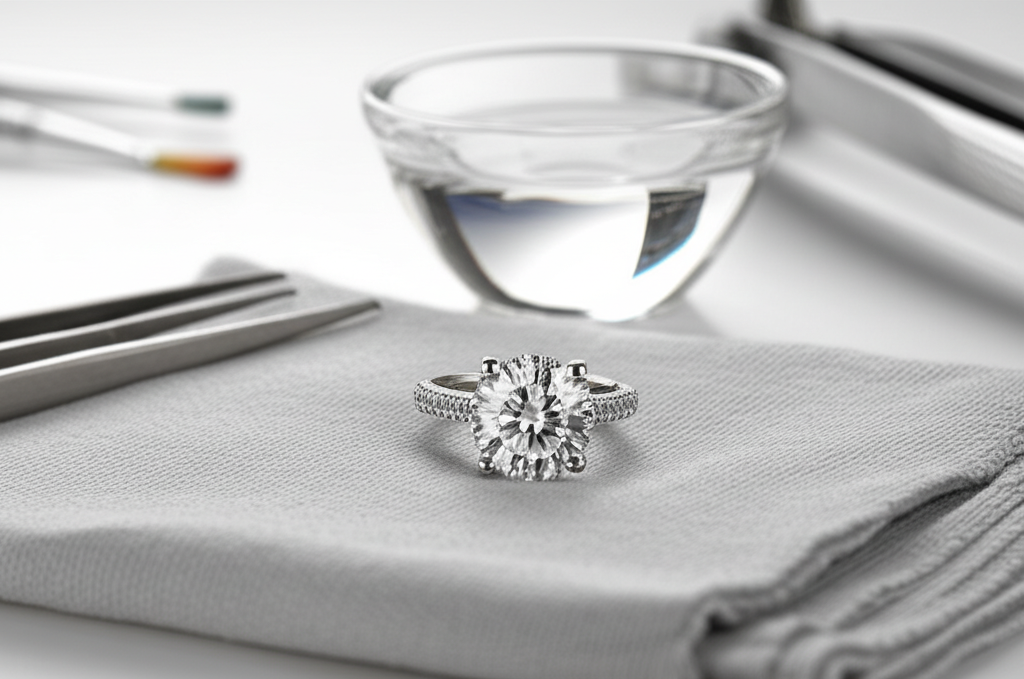
- Glass Bowl or Ceramic Container: Never use metal containers, as ammonia can react with them.
- Soft Bristle Brush: An old, clean toothbrush works perfectly for gently scrubbing.
- Soft, Lint-Free Cloths: For drying and buffing (microfiber cloths are ideal).
- Tweezers (Optional): For safely handling small items.
- Protective Gloves: To protect your skin from ammonia.
- Safety Glasses: To protect your eyes from splashes.
- Well-Ventilated Area: Crucial for safety when working with ammonia.
Step-by-Step Guide: Cleaning Jewelry with Ammonia
Following these simple steps will ensure your jewelry gets a thorough clean without any damage. Remember, patience and gentle handling are your best friends throughout this process. The goal is to bring back the sparkle, not to scrub away the metal.
This method is designed to be safe and effective for suitable jewelry types. By carefully following each step, you can achieve professional-looking results right in your own home. Let’s get started on bringing that dazzling shine back to your favorite pieces.
The Ammonia Cleaning Process:
- Prepare Your Workspace: Ensure you are in a well-ventilated area, like near an open window or outdoors. Put on your protective gloves and safety glasses.
- Mix the Solution: In your glass or ceramic bowl, mix one part household ammonia with three parts warm water. For a milder solution, you can use a commercial glass cleaner containing ammonia.
- Submerge the Jewelry: Carefully place your gold, platinum, or sterling silver jewelry into the ammonia solution. Ensure the pieces are fully submerged.
- Soak Briefly: Let the jewelry soak for no more than 10-15 minutes. For heavily tarnished items, you might extend this slightly, but avoid prolonged soaking.
- Gentle Scrubbing: Using a soft-bristle brush (like an old toothbrush), gently scrub each piece to remove loosened grime and tarnish. Pay attention to crevices and settings.
- Rinse Thoroughly: Remove the jewelry from the solution and rinse each piece under cool, running water. Ensure all traces of the ammonia solution are washed away.
- Dry and Buff: Gently pat your jewelry dry with a soft, lint-free cloth. For extra shine, buff the metal with a clean section of the cloth.
- Inspect and Repeat (If Necessary): Check your jewelry for any remaining grime or tarnish. If needed, you can repeat the process, but always be gentle.
This methodical approach ensures that every piece of suitable jewelry receives the attention it needs for a brilliant, lasting shine. Proper rinsing and drying are key to preventing water spots and preserving the polish.
Safety First: Precautions When Using Ammonia
Ammonia is a powerful chemical, and safety should always be your top priority. Mishandling can lead to skin irritation, eye damage, or respiratory issues. By taking the right precautions, you can use ammonia for cleaning jewelry with confidence.
Always remember that ventilation is non-negotiable when working with ammonia. Never mix ammonia with other cleaning products, especially bleach, as this can create dangerous toxic fumes. Your health and safety are more important than any piece of jewelry.
Critical Safety Guidelines:
- Ventilation is Key: Always work in a well-ventilated area. Open windows or work outdoors.
- Wear Protective Gear: Use gloves to protect your skin and safety glasses to shield your eyes.
- Never Mix Chemicals: Do not mix ammonia with bleach or other cleaning agents. This can produce toxic gases.
- Avoid Inhalation: Try to minimize breathing in the fumes.
- Keep Away from Children and Pets: Store ammonia solutions safely out of reach.
- Rinse Thoroughly: Ensure all cleaning solution is rinsed off the jewelry and your hands.
- Avoid Certain Materials: Never use ammonia on porous stones, pearls, or treated gemstones.
Adhering to these safety measures ensures a positive cleaning experience and protects you from potential harm. A little caution goes a long way in keeping both you and your jewelry safe.
Ammonia vs. Other Jewelry Cleaning Methods
While ammonia is a powerful cleaner, it’s not the only option. Comparing it to other popular methods can help you decide when ammonia is the best choice for your needs. Each method has its strengths and weaknesses, making them suitable for different situations and jewelry types.
Understanding these differences allows you to select the most appropriate cleaning technique, ensuring the longevity and beauty of your cherished pieces. Sometimes, a gentler approach is better, while other times, ammonia’s strength is exactly what’s needed.
Ammonia vs. Commercial Jewelry Cleaners
Commercial cleaners are specifically formulated for jewelry and often contain mild abrasives or polishing agents. They are generally safe for a wider range of gemstones but can be more expensive. Ammonia is a more potent degreaser and tarnish remover, often more effective for heavily soiled solid metal pieces.
Ammonia vs. Dish Soap and Water
A simple solution of mild dish soap and warm water is the gentlest method and safe for almost all types of jewelry, including most gemstones. It’s excellent for everyday cleaning and removing light dirt and oils. However, it’s less effective against heavy tarnish or stubborn grime compared to ammonia.
Ammonia vs. Baking Soda Paste
Baking soda paste can be effective for polishing sterling silver and removing light tarnish due to its mild abrasive nature. However, it can scratch softer metals or delicate gemstones if used too aggressively. Ammonia offers a non-abrasive chemical cleaning action.
Ammonia vs. Ultrasonic Cleaners
Ultrasonic cleaners use sound waves and a cleaning solution to dislodge dirt. They are very effective but require specialized equipment and can sometimes loosen fragile settings or damage certain gemstones. Ammonia offers a manual, accessible cleaning alternative.
Here’s a quick comparison table to illustrate the differences:
| Method | Best For | Pros | Cons |
| :——————— | :——————————————————————— | :—————————————————————- | :———————————————————————- |
| Ammonia Solution | Gold, Platinum, Sterling Silver (no porous stones) | Powerful degreaser, effective on tarnish, inexpensive | Risky for porous/soft stones, requires ventilation, pungent odor |
| Commercial Cleaners | Wide range of metals and gemstones (check product label) | Formulated for jewelry, convenient, often includes polish | Can be expensive, some contain harsh chemicals |
| Dish Soap & Water | All jewelry types, including delicate stones and pearls | Safest, most gentle, readily available | Least effective on heavy tarnish and grime |
| Baking Soda Paste | Sterling silver, light tarnish removal | Mildly abrasive for polishing, inexpensive | Can scratch softer metals/stones, not for delicate jewelry |
| Ultrasonic Cleaner | Intricate designs, heavily soiled durable jewelry | Deep cleaning, reaches difficult areas | Requires equipment, can damage certain stones/settings, needs solution |
Choosing the right method depends on your jewelry’s material and the type of cleaning needed. For tough grime on solid metals, ammonia is a strong contender.
Troubleshooting Common Jewelry Cleaning Issues with Ammonia
Even with careful use, you might encounter a minor hiccup. Knowing how to troubleshoot common problems will help you achieve that perfect sparkle without damaging your precious items. Most issues are easily resolved with a little adjustment.
Don’t get discouraged if your first attempt isn’t flawless. These troubleshooting tips are designed to help you refine the process and get the best possible results for your specific jewelry pieces.
Stubborn Tarnish Remains
If tarnish persists after the initial ammonia soak, it might be too deep for ammonia alone or indicate a different type of metal issue. For sterling silver, try a dedicated silver polishing cloth or a commercial silver cleaner. Ensure you are using enough ammonia in your solution and allowing adequate (but not excessive) soak time.
Jewelry Still Looks Dull
Dullness can sometimes be due to fine scratches on the metal surface, which ammonia won’t fix. For minor scratches on gold or platinum, a professional jeweler might be able to re-polish it. Ensure you are thoroughly rinsing and drying, as residue can also cause dullness.
Concerns About Stone Safety
If you have jewelry with stones you’re unsure about, always perform a spot test on an inconspicuous area first, or better yet, avoid using ammonia altogether. For pieces with mixed materials, consider a gentler cleaning method like dish soap and water for the entire piece.
Faint Ammonia Odor Lingers
Ensure you rinse the jewelry thoroughly under running water for at least a minute. After drying, you can leave the jewelry out in the open air for a few hours to allow any residual odor to dissipate naturally. Never store jewelry while still damp or with cleaning residue.
Addressing these issues promptly ensures that your jewelry not only shines but remains in excellent condition for years to come. Proper care is paramount for maintaining the value and beauty of your collection.
Maintaining Your Jewelry’s Sparkle Between Ammonia Cleanings
Keeping your jewelry looking its best between deeper cleans is all about preventative care and regular, gentle maintenance. Simple habits can make a big difference in how often you need to use stronger cleaning methods like ammonia. Protecting your investment is key.
By adopting a routine, you’ll keep your pieces looking radiant and reduce the need for intensive cleaning sessions. Think of it as light housekeeping for your jewelry collection.
Daily Habits for Lasting Shine:
- Remove Jewelry for Activities: Take off rings before doing chores, gardening, swimming, or exercising to avoid scratches and chemical exposure.
- Wipe Down Regularly: After wearing, gently wipe your jewelry with a soft, lint-free cloth to remove oils and sweat.
- Store Properly: Keep jewelry in separate compartments or pouches to prevent scratching and tarnishing. Use airtight bags for sterling silver.
- Avoid Direct Contact with Chemicals: Remove jewelry before applying lotions, perfumes, hairspray, or cleaning products.
Consistent, gentle care is the secret to long-lasting brilliance. These simple practices extend the time between necessary cleanings and help preserve the integrity of your jewelry.
Frequently Asked Questions about Ammonia and Jewelry Cleaning
Here are some common questions beginners have when considering ammonia for cleaning their precious pieces. Understanding these points can help you feel more confident in your approach.
Can I use ammonia to clean my wedding ring?
If your wedding ring is made of solid gold or platinum and does not contain porous gemstones like emeralds or opals, then yes, you can use ammonia. For rings with diamonds or rubies/sapphires (if natural and untreated), ammonia is generally safe. Always check the specific materials of your ring.
How often can I clean jewelry with ammonia?
You should only clean jewelry with ammonia when necessary, typically when it appears visibly dirty, grimy, or significantly tarnished. Over-cleaning, even with gentle methods, can cause wear over time. For most people, cleaning with ammonia might be needed only a few times a year, or less, depending on wear and environmental factors.
Is Windex safe for cleaning jewelry?
Many Windex formulations contain ammonia and are often used for cleaning jewelry. However, always check the ingredients. If it contains ammonia and your jewelry is suitable (solid gold, platinum, diamonds), it can be used. It’s best to dilute it slightly with water and rinse thoroughly.
What if my jewelry has a coating or plating?
Ammonia can potentially damage or strip plating from jewelry. If your jewelry is gold-plated, silver-plated, or has any kind of coating, it is strongly recommended to avoid using ammonia. Stick to very mild cleaning methods like a soft cloth or a specialized cleaner designed for plated items.
Can ammonia clean tarnish from sterling silver?
Yes, ammonia can help remove tarnish from sterling silver by breaking down the sulfur compounds that cause it. However, it’s not as effective as dedicated silver polishes or dips for heavy tarnish. Always rinse thoroughly and dry immediately after using ammonia on silver to prevent further discoloration.
Conclusion: Effortless Sparkle with Ammonia is Achievable
Ammonia to clean jewelry is a practical, budget-friendly solution for restoring the shine to your gold, platinum, and sterling silver pieces. When used with the proper precautions and on the correct types of jewelry, it can effectively cut through grime and tarnish, revealing a brilliant sparkle. Remember to always prioritize safety by working in a well-ventilated area and wearing protective gear.
By understanding which gemstones and materials are safe for ammonia cleaning and following the step-by-step guide, you can confidently tackle dull jewelry. For delicate pieces or those with porous stones, alternative methods like mild soap and water are always a safer bet. With a little knowledge and care, achieving that effortless, dazzling sparkle at home is well within reach.
