


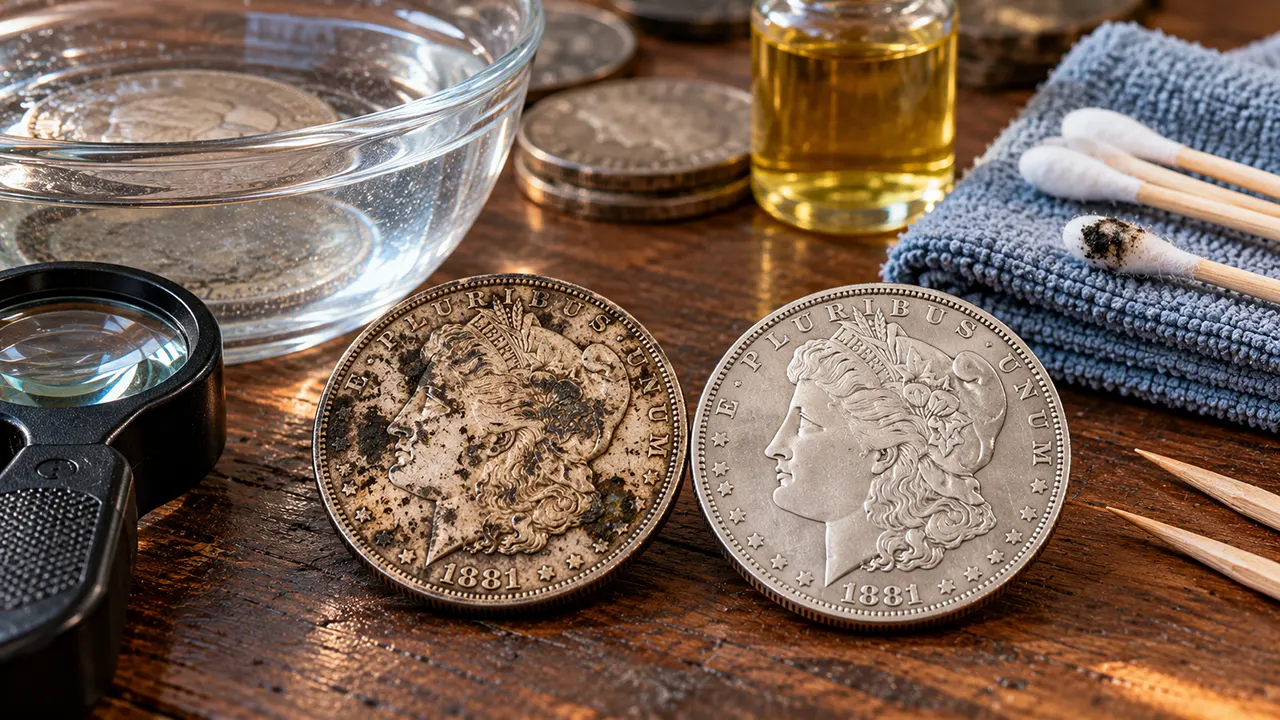
Black spots on silver coins are a common challenge for collectors and detectorists. This guide reveals proven cleaning secrets to safely restore their shine, preserve their value, and identify the causes of these unsightly marks.
Finding a silver coin is always a thrill, but seeing those stubborn black spots can be disheartening. These marks aren’t just ugly; they can sometimes indicate deeper issues with the coin’s surface. Many detectorists worry about damaging their finds during cleaning, and rightfully so. I’ve seen too many good coins ruined by aggressive methods. But don’t despair, there are safe and effective ways to tackle these black spots and bring your silver treasures back to life. We’ll walk through the causes, the tools, and the step-by-step techniques that have worked for me in the field.
Understanding Black Spots on Silver Coins: The Detectorist’s Dilemma
Black spots on silver coins are a frequent puzzle for treasure hunters. These marks can range from superficial tarnish to more serious corrosion, often stemming from the coin’s burial environment. Understanding their origin is the first step to safe and effective removal. Ignoring them can lead to further degradation of the coin’s surface.
What Causes Black Spots on Silver Coins?
The primary culprits behind black spots on silver coins are environmental reactions. Sulfur compounds in the soil are notorious for reacting with silver, forming silver sulfide, which appears as dark tarnish or black spots. Other elements in the soil, like chlorides and even certain types of bacteria, can also contribute to the formation of these unsightly blemishes. The longer a coin remains buried in a reactive environment, the more pronounced these spots can become.
The Difference Between Tarnish and Corrosion
It’s crucial to distinguish between simple tarnish and genuine corrosion. Tarnish, often seen as a black or dark gray film, is typically a surface-level reaction. It can usually be removed with gentle cleaning methods without harming the coin’s intrinsic value. Corrosion, on the other hand, involves a more aggressive chemical breakdown of the metal itself, potentially causing pitting or loss of detail. Identifying which you’re dealing with will guide your cleaning approach.
Assessing Your Find: Before You Clean Anything
Before you even think about picking up a cleaning tool, take a moment to assess your coin. Is it a common find or something potentially rare and valuable? Aggressive cleaning can decimate the value of a rare coin, turning a significant find into a mere curiosity. I always recommend erring on the side of caution, especially with older or unidentifiable silver pieces.
The Value of Patina
For many collectors, the dark toning or patina on a coin is part of its historical appeal and can even enhance its value. This natural coloring tells a story of the coin’s age and journey. Aggressively removing it can make a coin look artificially cleaned, which is a major turn-off for serious numismatists. Always consider if preserving the existing appearance is more desirable than achieving a bright, shiny surface.
Identifying the Coin Type
If you can identify the coin, even partially, it can inform your cleaning decisions. For instance, a well-preserved Victorian silver shilling might be best left with its natural toning, while a heavily corroded common date modern silver dollar might be a candidate for more thorough cleaning. Resources like coin identification guides or online forums can be invaluable here.
Essential Tools for Gentle Coin Cleaning
When it comes to cleaning silver coins with black spots, less is definitely more. The goal is to remove the offending spots without damaging the coin’s surface or its numismatic value. I’ve assembled a kit of gentle tools that have served me well over the years, focusing on non-abrasive materials and methods.
The Soft Touch: Microfiber Cloths and Cotton Swabs
My first line of defense is always a high-quality microfiber cloth. These are incredibly soft and designed to lift dirt and tarnish without scratching. For more targeted work, I use cotton swabs. They allow me to focus cleaning efforts on specific black spots without disturbing the surrounding areas.
Gentle Solvents: Distilled Water and Olive Oil
For many common tarnish issues, distilled water is surprisingly effective. It’s pure and won’t introduce new contaminants. For stubborn, waxy residue that sometimes accompanies buried coins, a soak in pure olive oil can work wonders. The oil helps to break down the gunk without being abrasive.
Specialized Tools (Use with Extreme Caution)
For very stubborn cases, a wooden or bamboo skewer can be used very gently to pick away at encrustations. Toothpicks are also an option, but they can be more prone to snapping and scratching if not used with extreme care. Never use metal tools for this purpose, as they will almost certainly scratch the silver.
Step-by-Step Cleaning Process for Black Spots
This is the process I follow for most silver coins found with black spots. Remember, patience is key, and always start with the least aggressive method.
Step 1: Initial Assessment and Rinse
First, carefully examine the coin under good light. Note the extent and depth of the black spots. Rinse the coin gently under cool, running tap water to remove any loose dirt or soil. Avoid hot water, as it can sometimes accelerate unwanted reactions.
Step 2: The Distilled Water Soak
Fill a small, clean glass or plastic container with distilled water. Submerge the coin completely. Let it soak for at least 24 hours, but sometimes up to a week for heavily soiled coins. This process helps to loosen surface grime and some types of tarnish.
Step 3: Gentle Swabbing
After the soak, remove the coin and gently pat it dry with a soft, lint-free cloth. Use a cotton swab dipped in fresh distilled water to gently rub the black spots. Work in small, circular motions. If the spots begin to lift, continue gently. If you encounter resistance, stop.
Step 4: The Olive Oil Treatment (For Stubborn Grime)
If distilled water alone isn’t enough, try pure olive oil. Place the coin in a small container and cover it with olive oil. Let it soak for several days, even up to a week. The oil will help to break down organic matter and waxy deposits.
Step 5: Post-Olive Oil Cleaning
After the olive oil soak, remove the coin and rinse it thoroughly with warm water and a mild dish soap (like Dawn). Use your fingers or a soft cloth to gently remove any remaining oil residue. Dry the coin with a microfiber cloth. You might find that the black spots have softened or loosened considerably.
Step 6: Targeted Swabbing with Olive Oil Residue
With the coin clean of oil, use a fresh cotton swab, perhaps lightly dampened with a bit of the residual olive oil, to gently work on any remaining stubborn black spots. The slight lubrication can help lift them without abrasion.
Step 7: Final Rinse and Air Dry
Give the coin a final, thorough rinse under distilled water. Pat it dry with a microfiber cloth. For the absolute best results and to prevent water spots, I often let coins air dry completely on a soft, clean cloth in a dust-free environment.
What NOT to Do: Cleaning Methods to Avoid
I cannot stress this enough: there are many cleaning methods that will destroy the value of your silver coins. As a rule of thumb, if it sounds too aggressive or involves harsh chemicals, steer clear. The allure of a perfectly shiny coin can be tempting, but the potential loss of historical integrity and monetary value is rarely worth it.
The Dangers of Abrasives
Never use abrasive cleaners, scouring pads, steel wool, or even abrasive toothpaste. These will instantly scratch the surface of the silver, creating a dull, unappealing finish that cannot be undone. Even fine-grit sandpaper is a definite no-go.
Harsh Chemicals: Baking Soda, Vinegar, and Polishes
While baking soda is a mild abrasive, it’s still too harsh for most collectible coins. Vinegar is acidic and can etch the silver. Commercial silver polishes, like Brasso or Silvo, are designed for jewelry and tableware, not for preserving the delicate surfaces and original toning of collectible coins. They remove too much metal and flatten details.
Ultrasonic Cleaners and Electropolishing
Ultrasonic cleaners can be too aggressive, potentially damaging coins with delicate surfaces or existing damage. Electropolishing is a process used in industry to create a bright, shiny finish but it removes metal and is absolutely unsuitable for numismatic items.
Advanced Techniques for Persistent Black Spots
Sometimes, the black spots are deeply ingrained, and the gentler methods require more time and patience. If you’ve tried the distilled water and olive oil methods diligently and still have issues, there are slightly more involved, but still relatively safe, options. These are for when you’re willing to take a slightly higher risk for a potentially better result.
The Acetone Bath for Organic Residues
If you suspect waxy or organic residues are contributing to the black spots, a short soak in pure acetone can be effective. Acetone is a strong solvent that dissolves many organic compounds. Ensure you use 100% pure acetone, not nail polish remover which often contains other additives. Work in a well-ventilated area and rinse the coin thoroughly with distilled water afterward.
Electrolysis (Use with Extreme Caution and Knowledge)
Electrolysis is a method that uses an electrical current to remove corrosion and encrustations. It can be very effective for heavily corroded coins, but it is also the riskiest method and can easily damage a coin if not done correctly. It requires a power supply, a sacrificial anode, and an electrolyte solution. I only recommend this for experienced individuals who have thoroughly researched the process and understand the potential for irreversible damage. It’s often best left to professional conservators.
When to Seek Professional Coin Conservation
There are times when the best course of action for black spots on silver coins is to do nothing yourself and seek expert help. If you have a coin that you believe is rare, historically significant, or has exceptional eye appeal despite the spots, it’s worth consulting a professional coin conservator. They have specialized knowledge and tools to address issues without compromising the coin’s integrity.
Preserving Numismatic Value
Professional conservators understand the principles of numismatics and the impact of cleaning on a coin’s value. They can often stabilize a coin, remove harmful contaminants, and sometimes even improve its appearance through methods that are undetectable to the untrained eye. This is particularly important for coins destined for grading or high-end collections.
Identifying Reputable Conservators
Look for conservators who are members of professional organizations like the American Numismatic Association (ANA) or the Professional Numismatists Guild (PNG). They often have websites where you can see examples of their work and read testimonials. Don’t hesitate to ask for references or a consultation before committing your valuable find.
Protecting Your Silver Coins After Cleaning
Once you’ve successfully treated the black spots on your silver coins, the next crucial step is to prevent them from returning. Proper storage and handling are key to preserving their condition and ensuring they remain in the best possible state for years to come. My aim is always to halt any further degradation.
Archival Quality Storage
Invest in archival-quality coin holders, flips, or albums. These are made from inert materials that won’t react with the silver. Avoid PVC (polyvinyl chloride) plastics, as they can break down and cause green or brown gunk on your coins. Mylar or polyethylene flips are generally safe choices.
Handling with Care
Always handle your cleaned silver coins by their edges, using cotton gloves or a soft, lint-free cloth. This prevents fingerprints, which can contain oils and acids that accelerate tarnishing. Keep them away from direct sunlight and humid environments, as these conditions can also promote degradation.
Frequently Asked Questions About Black Spots on Silver Coins
Q1: Will cleaning black spots decrease the value of my silver coin?
A: It can, especially for rare or uncirculated coins. Aggressive cleaning removes patina, which collectors often value. For common coins, gentle cleaning to remove damaging spots might be acceptable, but always proceed with caution.
Q2: Can I use toothpaste to clean black spots on silver coins?
A: Absolutely not. Toothpaste is abrasive and will scratch the coin’s surface, significantly reducing its numismatic value and appeal.
Q3: How long should I soak a silver coin in distilled water or olive oil?
A: For distilled water, 24 hours to a week is common. For olive oil, several days to a week can be necessary for stubborn residues. Patience is key.
Q4: What is the safest way to dry a cleaned silver coin?
A: Gently pat it dry with a soft, lint-free microfiber cloth. For best results, allow it to air dry completely on a clean, soft surface in a dust-free area.
Q5: Are black spots on old silver coins always a sign of damage?
A: Not necessarily. Black spots are often just surface tarnish (silver sulfide). However, if the spots are pitted or the coin feels rough, it could indicate corrosion, which is more serious.
Q6: Can I use baking soda to clean silver coins?
A: It’s strongly advised against. While it might seem like a gentle cleaner, baking soda is still abrasive enough to scratch the coin’s surface and remove desirable patina.
Conclusion: Preserving Your Silver Finds
Tackling black spots on silver coins is a delicate balancing act. My experience in the field has taught me that the most valuable finds are often those that retain their historical character. By understanding the causes of these spots and employing gentle, methodical cleaning techniques, you can significantly improve the appearance of your silver coins without sacrificing their intrinsic value. Always remember to start with the least invasive method, assess the coin’s potential rarity, and when in doubt, consult a professional. Proper handling and storage are your best allies in keeping your silver treasures looking their best for years to come. Happy hunting!
