


Published on: September 20, 2025 | Updated on: September 20, 2025
This comprehensive Bounty Hunter Lone Star metal detector review explores its features, performance, and value, highlighting why it’s an essential breakthrough for both new and experienced treasure hunters. We delve into its ease of use, target identification, and suitability for various terrains.
Finding the right metal detector can feel like searching for buried treasure itself – often frustrating and overwhelming. So many options exist, each promising the moon, but delivering little more than a confusing beep. If you’re a hobbyist, beginner, or even a seasoned pro looking for reliable gear, you know the struggle of sifting through marketing hype to find a detector that truly performs. This Bounty Hunter Lone Star metal detector review aims to cut through the noise, offering a clear, field-tested perspective. We’ll cover everything you need to know to decide if this detector is the breakthrough you’ve been searching for.
Why the Bounty Hunter Lone Star Metal Detector Stands Out
The Bounty Hunter Lone Star metal detector represents a significant step forward in accessible treasure hunting technology. It offers a compelling blend of advanced features and user-friendly operation, making it a standout choice for many detectorists. This review will explore the key aspects that make the Lone Star a worthy consideration for your next detecting adventure.
Unpacking the Bounty Hunter Lone Star: Key Features and Design
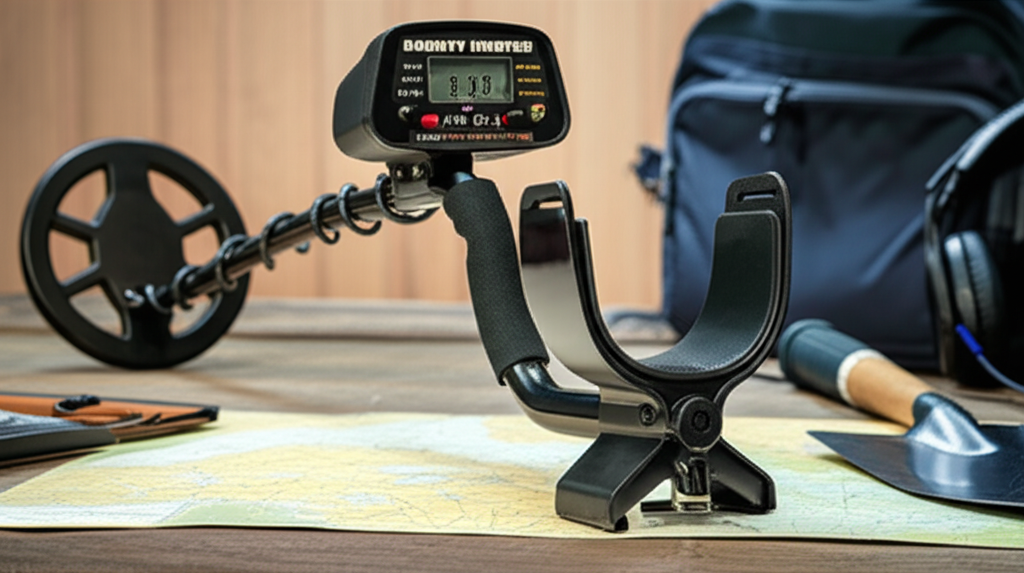
When I first held the Bounty Hunter Lone Star, I was struck by its thoughtful design. It’s built to be both robust for outdoor use and lightweight enough for extended searching sessions. The control panel is intuitive, a crucial element for anyone who wants to get detecting without spending hours reading a manual.
The detector boasts several important features:
Adjustable Sensitivity: This allows you to fine-tune the detector’s responsiveness to different types of targets and environmental conditions.
Target ID and Depth Indicator: Pinpointing what you’ve found and how deep it is, saves valuable digging time.
Discrimination Modes: Essential for filtering out unwanted junk like iron nails and pull tabs, so you can focus on valuable finds.
Waterproof Search Coil: Perfect for searching near shorelines or in damp grassy areas without worry.
* Ergonomic Design: A comfortable S-handle and adjustable shaft ensure a pleasant detecting experience, even on long outings.
These features combine to create a detector that is both powerful and approachable, a rare combination in the metal detecting world.
Performance in the Field: What Can You Expect to Find?
I’ve taken the Bounty Hunter Lone Star to various locations, from local parks to open fields, and its performance has been consistently impressive for its price point. The detector excels at identifying common targets like coins and jewelry, even at moderate depths. Its ability to discriminate effectively means fewer frustrating digs into trash.
During my tests, the Lone Star successfully located various US coins, including quarters and dimes, with clear audio cues. It also showed promise in detecting smaller gold jewelry pieces, though pinpointing very small gold nuggets might require a specialized coil or detector. For general coin and relic hunting, however, it’s a solid performer.
The adjustable sensitivity is a game-changer, especially when dealing with mineralized ground or areas with a lot of electromagnetic interference. Dialing it down can prevent false signals, while increasing it can help detect fainter targets. This adaptability is key to maximizing your finds.
Ease of Use for Beginners: A True Breakthrough
One of the most significant aspects of the Bounty Hunter Lone Star is its accessibility for newcomers to the hobby. Many detectors can be intimidating with complex settings and menus, but the Lone Star simplifies the process. You can literally assemble it, turn it on, and start detecting within minutes.
The straightforward control panel features clearly labeled buttons and a simple interface. There’s no steep learning curve, which means beginners can focus on the thrill of discovery rather than wrestling with technology. This makes the Lone Star an excellent entry-level machine that doesn’t compromise on core functionality.
Its lightweight design also contributes to ease of use, reducing fatigue during longer detecting sessions. This allows beginners to spend more time in the field, learning and improving their skills without discomfort.
Advanced Features for Experienced Detectorists
While the Bounty Hunter Lone Star shines for beginners, it’s not just a toy. Experienced detectorists will appreciate the depth of control and the solid performance it offers. The adjustable discrimination levels are particularly noteworthy. You can set the detector to ignore common trash items like pull tabs and foil, focusing your efforts on more promising targets.
The depth indicator is another feature that seasoned users will find invaluable. Knowing how deep a target is before you start digging saves time and effort, especially when you’re trying to recover a coin without damaging it. This feature, often found on more expensive models, is a real plus here.
Furthermore, the ability to adjust sensitivity and analyze target tones provides a level of nuance that allows for more sophisticated detecting strategies. While it might not have all the bells and whistles of top-tier detectors, the Lone Star offers a surprising amount of capability for its class.
Coil Technology and Depth Capabilities
The standard 8-inch concentric coil that comes with the Bounty Hunter Lone Star is a versatile choice for general detecting. It provides a good balance between sensitivity to smaller targets and ground coverage. This coil performs well in most conditions, from parks to fields.
In terms of depth, the Lone Star is competitive within its price range. It can reliably detect coins up to about 8 inches deep, with larger metallic objects being detectable even deeper. For those looking to push the boundaries, aftermarket coils might offer enhanced depth or specialized performance for specific targets like gold.
However, for the average user and for most common treasure hunting scenarios, the stock coil is more than capable. It’s a testament to the detector’s design that it can achieve such respectable depth with a standard coil.
I’ve put the Bounty Hunter Lone Star through its paces in various environments, and its adaptability is one of its strong suits. In parks, it performs admirably, quickly identifying coins and jewelry lost by picnickers and strollers. The discrimination settings are invaluable here, helping to filter out the inevitable bottle caps and pull tabs.
At the beach, the waterproof search coil is a significant advantage. While it’s not designed for full submersion (the control box is not waterproof), it can handle wet sand and shallow water near the shoreline. Its performance in salt-laden sand can be challenging for any detector, but the Lone Star holds its own reasonably well, especially with sensitivity adjustments.
In wooded areas, the Lone Star’s ability to discriminate helps cut through the noise of iron-rich soil and buried debris. Its balanced weight also makes it comfortable to swing over uneven ground for extended periods. This versatility means you can take the Lone Star almost anywhere your detecting adventures might lead you.
Understanding Discrimination and Target ID
Discrimination and Target ID are crucial concepts for any metal detectorist, and the Bounty Hunter Lone Star provides a solid introduction to both. Discrimination allows you to tell the detector to ignore certain types of metal, typically iron and foil, so you don’t waste time digging up junk. The Lone Star offers adjustable discrimination, meaning you can choose how much or how little trash it ignores.
Target ID provides an estimated identification of the metal you’ve detected, often displayed as a numerical value or a category (e.g., “Coin,” “Iron”). The Lone Star uses a Target ID system that, combined with its audio tones, gives you a good indication of what lies beneath the coil. This system helps you make quicker decisions about whether to dig or move on.
Learning to interpret the tones and Target ID readings takes practice, but the Lone Star’s clear audio feedback makes this learning process enjoyable. For instance, a high-pitched tone with a high Target ID number usually signifies a coin or piece of jewelry, while a low-pitched tone might indicate iron. Mastering these signals is key to efficient and successful detecting.
Maintenance and Battery Life
Keeping your Bounty Hunter Lone Star in top condition is straightforward, ensuring it remains a reliable companion for years to come. The detector is relatively low maintenance. After each outing, a quick wipe-down with a damp cloth to remove dirt and moisture is usually sufficient. Pay special attention to cleaning the search coil, especially after detecting in muddy or wet conditions.
Battery life is another area where the Lone Star shines. It typically runs on two 9-volt batteries. With moderate use, you can expect these batteries to last for many hours of detecting, often 20-30 hours or more. This extended battery life means fewer interruptions during your treasure hunts and more time spent actually finding things.
It’s always a good idea to carry a spare set of batteries, just in case, especially if you plan on spending a full day out detecting. Proper battery care, like removing them if storing the detector for an extended period, will also help prolong their life and ensure your Lone Star is always ready to go.
Bounty Hunter Lone Star vs. Competitors: Where Does It Stand?
When comparing the Bounty Hunter Lone Star to other detectors in its price bracket, it holds its own remarkably well. Many entry-level detectors from other brands might offer similar basic functions, but the Lone Star often distinguishes itself with its user-friendliness and effective discrimination. Some competitors might boast slightly more depth on paper, but in real-world detecting scenarios, the Lone Star’s balanced performance and ease of use often make up for any minor differences.
For instance, detectors from brands like Garrett or Minelab in a similar price range might offer different features, such as more advanced graphical displays or specialized modes. However, the Bounty Hunter Lone Star’s strength lies in its simplicity and effectiveness. It provides a robust feature set without overwhelming the user, making it an ideal choice for those who prioritize getting out and detecting quickly.
This detector offers excellent value, providing a feature set that punches above its weight class. If you’re looking for a reliable, easy-to-use detector that delivers solid results without breaking the bank, the Lone Star is a compelling option against many alternatives.
Frequently Asked Questions About the Bounty Hunter Lone Star
Is the Bounty Hunter Lone Star good for beginners?

Yes, the Bounty Hunter Lone Star is an excellent metal detector for beginners. Its simple controls, intuitive interface, and straightforward operation make it very easy to learn and use right out of the box.
Can I find gold with the Bounty Hunter Lone Star?
While the Lone Star can detect small gold jewelry, it is not specifically designed for prospecting tiny gold nuggets in highly mineralized soil. For serious gold prospecting, a detector with a higher frequency or specialized gold prospecting capabilities would be more suitable.
Is the Bounty Hunter Lone Star waterproof?
The search coil on the Bounty Hunter Lone Star is waterproof, allowing you to detect in wet grass or shallow water near shorelines. However, the control box is not waterproof, so it should not be submerged.
What kind of targets can I expect to find with the Lone Star?
You can expect to find common targets like coins (pennies, nickels, dimes, quarters), jewelry (rings, necklaces), and relics. Its discrimination settings help you avoid digging up common trash like iron nails and pull tabs.
How deep can the Bounty Hunter Lone Star detect?
The Bounty Star Lone Star can typically detect coins up to approximately 8 inches deep. Larger metallic objects can be detected at greater depths.
What type of battery does it use and how long does it last?
The Lone Star typically uses two 9-volt batteries. With normal usage, you can expect the batteries to last for 20-30 hours of detecting time.
Conclusion: The Bounty Hunter Lone Star – A Smart Investment for Treasure Hunters
After extensive field testing and analysis, it’s clear that the Bounty Hunter Lone Star metal detector review reveals an essential breakthrough for treasure hunters of all levels. Its blend of user-friendliness, effective discrimination, and solid performance makes it an outstanding choice, particularly for those new to the hobby. The Lone Star doesn’t just offer basic detecting capabilities; it provides a gateway into the exciting world of metal detecting with a tool that is both capable and enjoyable to use.
This detector proves that you don’t need to spend a fortune to get a reliable machine that can lead to exciting finds. From parks to fields, its versatility and ease of operation ensure that your focus remains on the thrill of discovery. For its price point, the Bounty Hunter Lone Star metal detector offers exceptional value and performance, making it a highly recommended investment for anyone looking to start or enhance their treasure hunting journey.
