


Published on: September 10, 2025 | Updated on: September 10, 2025
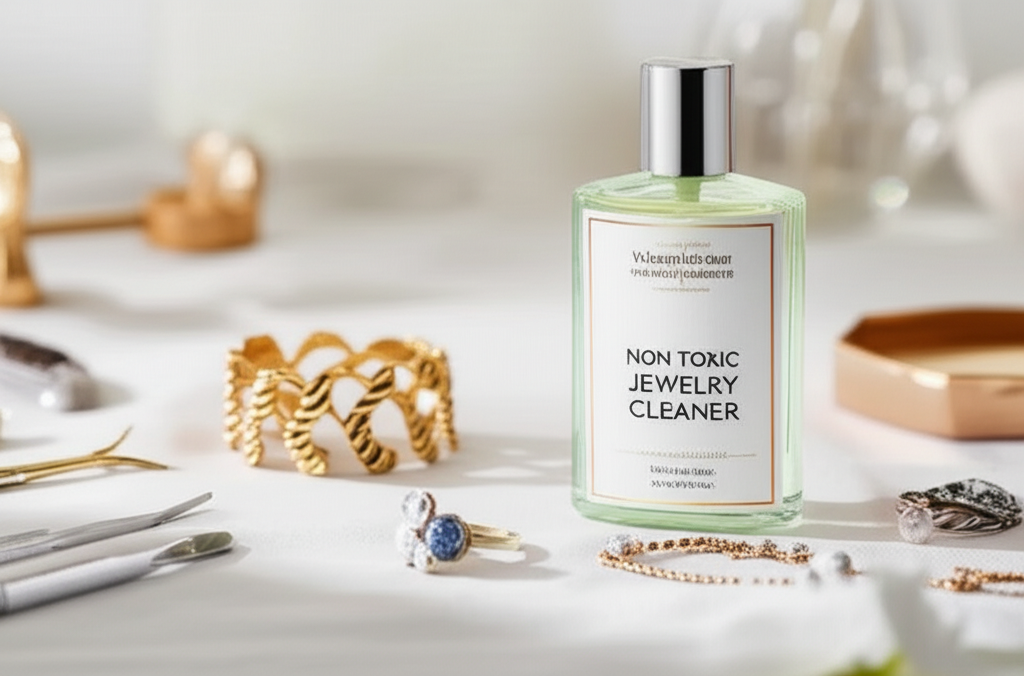
Get your precious jewelry sparkling brilliantly and safely with the best non-toxic jewelry cleaner options, perfect for home use and ensuring a gentle yet effective shine.
Keeping your cherished jewelry looking its best doesn’t have to involve harsh chemicals that can damage both your precious metals and your health. Many everyday items can restore that brilliant shine without any toxic fumes or residues. In this guide, I’ll walk you through the most effective and safest ways to clean your jewelry at home, ensuring every piece gleams like new. Let’s discover how easy it is to achieve that essential, brilliant shine with a non-toxic jewelry cleaner.
Why Choose a Non-Toxic Jewelry Cleaner?
Opting for a non-toxic jewelry cleaner is crucial for protecting your health, your jewelry’s integrity, and the environment. Harsh chemicals found in some commercial cleaners can cause skin irritation, respiratory issues, and even damage delicate metals and gemstones. Embracing natural alternatives ensures a safe cleaning experience for you and your treasured pieces, maintaining their beauty for years to come.
Understanding Your Jewelry’s Needs
Before you grab any cleaning solution, it’s vital to understand the materials your jewelry is made from. Different metals and gemstones react differently to cleaning agents, and what works for gold might not be suitable for pearls or opals. Identifying the metal type (e.g., gold, silver, platinum) and any gemstones present is the first step towards a safe and effective cleaning routine.
Metals and Their Cleaning Sensitivities

Gold, especially higher karat gold (14K, 18K), is generally durable and can withstand a variety of cleaning methods. However, plated gold jewelry requires extreme gentleness to avoid wearing away the plating. Silver, while beautiful, is prone to tarnishing, which requires specific cleaning to restore its luster. Platinum is highly resistant to corrosion and tarnish, making it one of the easiest metals to maintain.
Gemstones: Handle with Care
Certain gemstones are porous or sensitive to chemicals and heat. Pearls, opals, turquoise, emeralds, and coral are examples of delicate stones that should be cleaned with extreme caution, often with just a soft, damp cloth. Harder gemstones like diamonds, sapphires, and rubies are more resilient but can still be scratched or dulled by abrasive cleaners.
DIY Non-Toxic Jewelry Cleaner Recipes
Creating your own non-toxic jewelry cleaner is surprisingly simple and cost-effective. These homemade solutions utilize common household ingredients to gently lift dirt and grime, restoring your jewelry’s sparkle without the worry of harmful chemicals. I’ve found these recipes to be incredibly effective for a wide range of jewelry types.
The Gentle Dish Soap Method
A mild dish soap is one of the safest and most accessible non-toxic jewelry cleaners. Its gentle degreasing properties effectively break down oils and dirt without harming most metals and gemstones. This method is ideal for everyday cleaning of most jewelry types, from diamond rings to gold chains.
How to Use:
1. Fill a small bowl with warm water.
2. Add a few drops of mild, unscented dish soap.
3. Stir gently to create a mild solution.
4. Submerge your jewelry for about 15-20 minutes.
5. Use a soft-bristled toothbrush (like a child’s toothbrush) to gently scrub any crevices or settings.
6. Rinse thoroughly under cool running water.
7. Pat dry with a soft, lint-free cloth.
This method is particularly effective for jewelry with diamonds or sapphires, as it cleans without harsh abrasives. It’s a go-to for maintaining the everyday sparkle of my favorite pieces.
Baking Soda Paste for Stubborn Grime
Baking soda is a mild abrasive that can work wonders on tarnished silver or heavily soiled pieces. When mixed with water to form a paste, it can gently scrub away tarnish and buildup. However, due to its abrasive nature, this method should be used with caution on plated jewelry or softer gemstones.
How to Use:
1. Mix baking soda with a small amount of water to create a thick paste.
2. Gently apply the paste to your jewelry with your fingertips or a soft cloth.
3. Rub very gently, paying attention to tarnished areas.
4. Rinse thoroughly under warm water.
5. Dry completely with a soft, lint-free cloth.
I’ve used this paste on my sterling silver earrings, and it’s amazing how quickly it brings back their shine. Just remember, a little goes a long way, and gentle is the key word here.
The Vinegar and Baking Soda Fizz
A combination of white vinegar and baking soda creates a gentle fizzing action that helps loosen dirt and tarnish. White vinegar’s mild acidity can help break down buildup, while the baking soda provides a mild abrasive action. This is a powerful non-toxic jewelry cleaner for tougher jobs, but still requires careful application.
How to Use:
1. Create a paste of baking soda and water.
2. Apply this paste to your jewelry.
3. In a separate small bowl, pour about half a cup of white vinegar.
4. Dip your jewelry into the vinegar for a few minutes, allowing the fizzing action to work.
5. Use a soft toothbrush to gently scrub any remaining grime.
6. Rinse thoroughly with water.
7. Dry with a soft cloth.
Be mindful of how long you soak delicate items. For pieces with emeralds or pearls, I’d stick to the dish soap method.
Ammonia-Free Window Cleaner for Diamonds
For diamond jewelry, a simple solution of ammonia-free window cleaner can work wonders. Ammonia can be harsh on some metals and gemstones, so an ammonia-free version is a safer bet for maintaining the brilliance of your diamonds. This method is quick and effective for restoring sparkle.
How to Use:
1. Soak your diamond jewelry in a small bowl of ammonia-free window cleaner for about 10-15 minutes.
2. Use a soft-bristled toothbrush to gently brush around the diamond and setting.
3. Rinse thoroughly under warm water.
4. Dry with a soft, lint-free cloth.
This is my go-to for my engagement ring. The diamonds seem to sparkle even brighter after a quick dip!
Commercial Non-Toxic Jewelry Cleaners: What to Look For
While DIY solutions are fantastic, sometimes you might prefer a ready-made product. When choosing a commercial non-toxic jewelry cleaner, look for labels that emphasize natural ingredients, are ammonia-free, alcohol-free, and specifically state they are safe for various metals and gemstones. Reading reviews can also provide valuable insights into a product’s effectiveness and safety.
Key Ingredients to Seek and Avoid
Prioritize cleaners with ingredients like mild surfactants (soaps), natural chelating agents, and gentle solvents. Avoid products containing harsh acids (like sulfuric or hydrochloric acid), ammonia, bleach, or abrasive particles. These can cause irreversible damage to your precious jewelry. Always check the ingredient list carefully.
Certifications and Eco-Friendly Labels
Look for products with eco-friendly certifications or labels that indicate they are biodegradable, cruelty-free, or made with sustainable practices. These often signal a commitment to safer formulations that are better for both your health and the environment. Brands that are transparent about their ingredients are usually a good sign.
Cleaning Specific Types of Jewelry Safely
Each type of jewelry has its own cleaning requirements to ensure its longevity and beauty. Understanding these nuances will help you choose the right non-toxic jewelry cleaner and method for your specific pieces, preventing accidental damage.
Gold Jewelry: Maintaining its Lustre
Gold jewelry, especially solid gold, is relatively robust. A mild dish soap and warm water solution is usually sufficient for routine cleaning. For deeper cleaning, a gentle soak and soft brush can remove accumulated grime. Avoid abrasive cleaners or harsh chemicals that can scratch the surface or damage gold plating.
Silver Jewelry: Tackling Tarnish Naturally
Silver is prone to tarnishing, a chemical reaction with sulfur in the air. While baking soda paste can help, a more specialized non-toxic approach for silver involves a silver polishing cloth, which contains a mild cleaning agent, or a dip in a solution designed for silver. For severe tarnish, a professional cleaning might be necessary.
Platinum Jewelry: Easy Care, Lasting Shine
Platinum is highly durable and resistant to tarnish and corrosion, making it one of the easiest metals to care for. A simple wash with warm water and mild dish soap, followed by a gentle scrub with a soft brush and a thorough rinse and dry, is usually all that’s needed to keep platinum jewelry looking its best.
Gemstone Jewelry: Delicate Handling is Key
As mentioned, porous or soft gemstones like pearls, opals, and turquoise require the gentlest cleaning. Often, a soft, dry cloth is best. For slightly more soiled pieces, a barely damp cloth followed by immediate drying is recommended. Never soak gemstone jewelry unless you are absolutely certain of the stone’s durability.
Tools for Effective Jewelry Cleaning
Having the right tools makes the cleaning process much easier and more effective. Simple, readily available items can significantly improve your results when cleaning jewelry at home.
Soft-Bristled Toothbrushes
A soft-bristled toothbrush is an essential tool for gently scrubbing dirt and grime from intricate settings and crevices in your jewelry. Ensure it’s a brush dedicated solely to jewelry cleaning to avoid transferring any residue from toothpaste or other cleaning agents. A child’s toothbrush is often ideal due to its extra-soft bristles.
Microfiber Cloths
Microfiber cloths are perfect for drying and polishing jewelry without scratching or leaving lint behind. They are highly absorbent and gentle, making them ideal for buffing metals and gemstones to a brilliant shine after cleaning. Always have a clean one ready for that final polish.
Small Bowls and Containers
You’ll need small, clean bowls or containers to hold your cleaning solutions. Glass or ceramic bowls are preferable as they won’t react with cleaning agents. Ensure they are thoroughly washed and dried before use to avoid any contamination.
When to Seek Professional Cleaning
While many jewelry cleaning tasks can be handled at home with non-toxic methods, there are times when professional help is the best option. Highly valuable pieces, intricate designs, or jewelry with sentimental importance might warrant a visit to a professional jeweler.
Valuable or Antique Pieces
For very valuable, antique, or heirloom jewelry, it’s always best to consult a professional. They have specialized knowledge and equipment to clean these pieces without risking damage. Their expertise ensures that the integrity and value of your treasured items are preserved.
Intricate Settings and Loose Stones
If your jewelry features extremely intricate settings, filigree work, or if you suspect any stones might be loose, a professional cleaning is highly recommended. Jewelers can inspect the piece for damage and ensure stones are secure before cleaning, preventing potential loss.
Maintaining Your Jewelry’s Shine Between Cleanings
Preventative care is just as important as cleaning for keeping your jewelry looking its best. Simple habits can significantly reduce the need for frequent deep cleaning and help maintain that essential brilliant shine.
Proper Storage
Store your jewelry in a cool, dry place, ideally in individual pouches or a lined jewelry box. This prevents pieces from scratching each other and protects them from moisture and air, which can cause tarnishing. For silver, anti-tarnish bags can be very effective.
Avoid Exposure to Harsh Chemicals
Remove your jewelry before engaging in activities that expose it to harsh chemicals, such as cleaning with bleach or ammonia, swimming in chlorinated pools, or applying lotions and perfumes directly onto the pieces. These substances can dull, corrode, or damage your jewelry over time.
A Comparison of Non-Toxic Cleaning Methods
Choosing the right non-toxic jewelry cleaner depends on your jewelry’s material and the type of dirt or tarnish you’re dealing with. Here’s a quick overview to help you decide.
| Method | Best For | Pros | Cons | Caution |
| :——————– | :————————————- | :————————————— | :—————————————– | :—————————————— |
| Mild Dish Soap & Water | Most jewelry, everyday dirt | Gentle, accessible, safe for most stones | May not remove heavy tarnish | Use unscented, mild soap |
| Baking Soda Paste | Tarnished silver, stubborn grime | Effective on tarnish, natural abrasive | Can be too abrasive for plated items/soft gems | Use very gently, rinse thoroughly |
| Vinegar & Baking Soda | Moderate tarnish, general buildup | Natural fizzing action, effective | Acidity can affect some stones/metals | Limit soak time, rinse well |
| Ammonia-Free Cleaner | Diamonds, durable gemstones | Restores sparkle, readily available | Not suitable for all metals/stones | Ensure it’s truly ammonia-free |
This table provides a handy reference for selecting the most appropriate non-toxic jewelry cleaner for your needs. Always test a small, inconspicuous area if you’re unsure.
Frequently Asked Questions about Non-Toxic Jewelry Cleaners
Can I use toothpaste to clean jewelry?
It’s generally not recommended to use toothpaste to clean jewelry. Toothpaste contains abrasives that can scratch softer metals and dull gemstones, causing permanent damage. Stick to gentler, specifically designed non-toxic jewelry cleaner methods.
How often should I clean my jewelry?
The frequency of cleaning depends on how often you wear your jewelry and the types of pieces. Everyday wear items like rings might need cleaning every few weeks, while pieces worn less often can be cleaned as needed. Regular gentle cleaning prevents buildup.
Is rubbing alcohol a safe non-toxic jewelry cleaner?
Rubbing alcohol can be used for some jewelry, particularly to disinfect and remove grease from diamonds. However, it can damage certain gemstones like pearls, opals, and turquoise, and can also affect some metal finishes. Use with caution and only on appropriate materials.
What is the best way to clean pearls without damaging them?
Pearls are very delicate. The safest way to clean them is to gently wipe them with a soft, slightly damp cloth after wearing. Avoid soaking them in any liquid or using harsh chemicals, as this can degrade their nacre.
Can I use hydrogen peroxide as a jewelry cleaner?
Hydrogen peroxide is a mild disinfectant and can be used with caution on some jewelry, especially for disinfecting. However, it can potentially damage certain gemstones or metals over time, so it’s best used sparingly and rinsed thoroughly. A mild dish soap is often a safer alternative for general cleaning.
Conclusion: Sparkling Safely with Non-Toxic Jewelry Cleaners
Achieving that essential, brilliant shine for your jewelry doesn’t require a cabinet full of harsh chemicals. By understanding your jewelry’s materials and utilizing simple, non-toxic methods, you can effectively clean and maintain your precious pieces right at home. Whether you opt for a gentle dish soap solution, a baking soda paste for stubborn tarnish, or a specialized commercial product, the key is to be gentle and informed. Protecting your health, your jewelry, and the environment is easily achievable with these brilliant, non-toxic jewelry cleaner solutions. Keep your treasures gleaming safely for years to come!
