


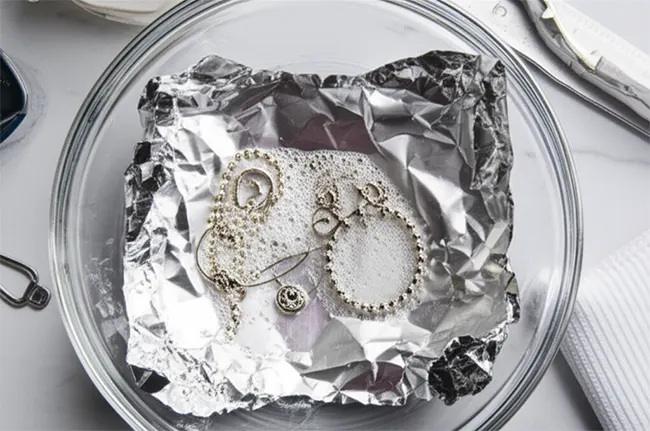
Cleaning jewelry with baking soda and aluminum foil is a surprisingly genius and effective DIY method to restore shine to your precious metals without harsh chemicals. This guide breaks down the simple, safe, and budget-friendly process.
Tired of dull, tarnished jewelry that’s lost its sparkle? You’re not alone. Many of us have drawers full of pieces that used to gleam but now look lackluster. Professional cleaning can be expensive, and harsh chemical cleaners can sometimes damage delicate metals or stones. But what if I told you a brilliant solution lies right in your kitchen pantry? Get ready to discover a simple yet incredibly effective method for cleaning jewelry with baking soda and aluminum foil.
Why This Baking Soda and Aluminum Foil Method Works Wonders
This ingenious technique leverages a basic chemical reaction and the gentle abrasive power of baking soda to lift tarnish and grime. It’s a time-tested, cost-effective, and surprisingly gentle approach for many types of jewelry. The combination creates a mild electrolytic reaction that helps transfer tarnish from your metal to the foil.
Understanding the Science Behind the Sparkle
The magic behind cleaning jewelry with baking soda and aluminum foil lies in a simple electrochemical process. Baking soda (sodium bicarbonate) acts as a mild alkali and a gentle abrasive, helping to loosen dirt and oils. When combined with hot water, it creates a solution that facilitates the transfer of sulfur compounds (the main cause of tarnish on silver) from your jewelry to the aluminum foil. This is a form of ion exchange that safely lifts the discoloration.
What Jewelry Can You Safely Clean?
This method is primarily effective and safe for solid sterling silver and gold jewelry. It’s also a good option for some plated items, though caution is advised. Always test on an inconspicuous area first. Avoid using this method on gemstones, pearls, or antique pieces with delicate finishes. These materials can be damaged by the heat or the mild alkalinity.
Jewelry Types Best Suited for This Method:
- Sterling Silver
- 10K, 14K, 18K Gold (Solid)
- Some Gold-Plated Items (with caution)
Jewelry Types to Avoid:
- Pearls
- Opals
- Turquoise
- Emeralds
- Lacquered or Enamelled Pieces
- Antique or Heavily Patinated Items
For pieces with gemstones or intricate settings, a professional cleaning might be the safer bet. Always prioritize the longevity and integrity of your treasured items.

Gathering Your Simple Supplies
You likely have everything you need for this jewelry cleaning hack right in your kitchen. It’s one of the reasons this method is so popular among DIY enthusiasts and budget-conscious individuals. The fewer specialized tools you need, the better!
Essential Items You’ll Need:
- Aluminum Foil
- Baking Soda
- Hot Water (not boiling)
- A Non-Metallic Bowl or Container
- Soft Cloth or Microfiber Towel
- Tongs or Tweezers (optional, for handling hot items)
Having these few items ready makes the entire process quick and hassle-free. You can tackle that tarnished ring or necklace in minutes.
Step-by-Step Guide: Cleaning Jewelry With Baking Soda and Aluminum Foil
This process is incredibly straightforward and requires minimal effort. I’ve used this method countless times myself, and the results are consistently impressive. Follow these steps carefully for the best outcome.
Step 1: Prepare Your Container
Line a non-metallic bowl or container completely with aluminum foil. Ensure the shiny side of the foil is facing upwards, as this is where the tarnish will transfer. A glass baking dish or a plastic container works perfectly.
Step 2: Add Your Jewelry
Place your tarnished jewelry items on top of the aluminum foil inside the container. Make sure each piece is in direct contact with the foil. For multiple pieces, arrange them so they don’t overlap excessively.
Step 3: Sprinkle Baking Soda
Sprinkle a generous amount of baking soda over your jewelry. You want enough to coat the pieces, ensuring good contact with the foil. Don’t be shy with the baking soda; it’s a key ingredient in this cleaning solution.
Step 4: Pour Hot Water
Carefully pour hot (but not boiling) water into the container. The water should be hot enough to activate the baking soda but not so hot that it could damage delicate jewelry or cause burns. Fill the container until your jewelry is fully submerged. You’ll notice a slight fizzing reaction as the baking soda and hot water interact.
Step 5: Let It Soak
Allow the jewelry to soak in the baking soda and hot water solution for about 5 to 10 minutes. The exact time may vary depending on the level of tarnish. You can gently agitate the solution with a non-metallic utensil if needed.
Step 6: Rinse Thoroughly
Using tongs or tweezers, carefully remove your jewelry from the solution. Rinse each piece thoroughly under cool running water to remove any baking soda residue. This step is crucial to prevent a cloudy film from forming on your jewelry.
Step 7: Dry and Polish
Gently dry your jewelry with a soft, lint-free cloth or a microfiber towel. For an extra shine, you can lightly polish it with a jewelry polishing cloth. Inspect your jewelry for any remaining tarnish; if necessary, repeat the process.
This simple, seven-step process transforms dull jewelry into sparkling treasures. It’s a testament to how effective common household items can be.

Important Considerations and Safety Precautions
While cleaning jewelry with baking soda and aluminum foil is generally safe, there are a few crucial points to keep in mind. These precautions will help ensure you don’t accidentally damage your precious pieces or yourself. Always prioritize caution when working with hot water and delicate items.
Key Safety Tips:
- Never use boiling water, as it can damage certain metals and stones.
- Ensure your jewelry is completely dry after rinsing to prevent water spots.
- Avoid this method for jewelry with glued-in stones, pearls, or porous gemstones.
- Test on an inconspicuous area first if you’re unsure about the material.
- Wear gloves if you have sensitive skin, as baking soda can be drying.
Adhering to these guidelines ensures a successful and safe cleaning experience. Your jewelry deserves careful handling.

Pros and Cons of the Baking Soda and Aluminum Foil Method
Like any cleaning method, this DIY approach has its advantages and disadvantages. Understanding these will help you decide if it’s the right choice for your specific jewelry needs. It’s a fantastic option for many situations, but not a universal solution.
Advantages:
- Cost-Effective: Uses inexpensive, readily available household ingredients.
- Effective for Tarnish: Excellent at removing sulfur-based tarnish, especially from silver.
- Non-Toxic: Avoids harsh chemicals found in many commercial jewelry cleaners.
- Simple and Quick: The process takes minimal time and effort.
- Environmentally Friendly: Uses natural ingredients and minimal waste.
Disadvantages:
- Not for All Materials: Can damage porous stones, pearls, and certain plated items.
- Potential for Scratches: While mild, baking soda is abrasive; vigorous rubbing can cause minor scratches.
- Limited for Heavy Grime: May not be effective for deeply embedded dirt or heavily oxidized pieces.
- Requires Direct Contact: The foil needs to be in direct contact with the metal for the reaction to work.
This method shines for its simplicity and affordability, making it a go-to for everyday tarnish. However, for delicate or valuable pieces, professional services are always a safer bet.
Comparing with Other DIY Jewelry Cleaning Methods
While cleaning jewelry with baking soda and aluminum foil is a star player, it’s useful to know how it stacks up against other popular DIY methods. Each has its place, depending on your jewelry and the type of cleaning needed. Understanding these differences helps you make informed choices.
Toothpaste Method:
Toothpaste, especially whitening varieties, contains mild abrasives that can polish away tarnish. However, it can also scratch softer metals and leave a residue if not rinsed thoroughly. The baking soda method is generally gentler and more effective for tarnish removal.
Dish Soap and Water:
A simple soak in warm water with a mild dish soap is excellent for removing surface dirt and oils. It’s very safe for most jewelry types, including those with gemstones. However, it won’t tackle significant tarnish like the baking soda and foil method can.
Ammonia or Bleach (Not Recommended for DIY):
While some sources might suggest ammonia or bleach for jewelry cleaning, I strongly advise against using these. They are harsh chemicals that can permanently damage many types of jewelry, especially gold alloys and gemstones, and pose significant health risks. Stick to safer alternatives.
The baking soda and aluminum foil method offers a superior balance of effectiveness for tarnish and safety for common metals compared to many other DIY approaches. For a comprehensive look at jewelry care, resources like the Gemological Institute of America (GIA) offer expert advice.
When to Call in the Professionals
There are times when even the most brilliant DIY methods aren’t suitable. For certain jewelry pieces, professional cleaning is the only safe and effective option. Trusting an expert can save your treasured items from irreversible damage.
Situations Requiring Professional Cleaning:
- Valuable or Antique Jewelry: Pieces with significant monetary or sentimental value require expert handling.
- Jewelry with Intricate Settings: Loose stones or delicate filigree work need specialized care.
- Jewelry with Porous or Soft Gemstones: Opals, pearls, emeralds, and turquoise are best cleaned by professionals.
- Heavily Tarnished or Damaged Pieces: Significant damage or extreme tarnish might require specialized restoration.
- Items with Glued Components: Adhesives can be compromised by DIY cleaning methods.
If your jewelry falls into any of these categories, it’s best to seek out a reputable jeweler or gemologist. They have the tools and expertise to clean your pieces safely and effectively.
Maintaining Your Jewelry’s Sparkle Between Cleanings
Preventing tarnish and buildup is often easier than removing it. Implementing a good jewelry care routine can keep your pieces looking their best for longer. Simple habits make a big difference in preserving that initial shine.
Tips for Ongoing Jewelry Care:
- Store Properly: Keep jewelry in airtight bags or lined boxes to minimize exposure to air and moisture, which accelerate tarnishing.
- Avoid Chemicals: Remove jewelry before applying lotions, perfumes, hairspray, or cleaning with household chemicals.
- Wipe Down After Wear: Gently wipe your jewelry with a soft cloth after each wear to remove oils and dirt.
- Regular Inspections: Check for loose prongs or damage periodically to prevent loss of stones.
- Gentle Polishing: Use a soft jewelry polishing cloth for light buffing as needed.
Consistent, gentle care is the secret to long-lasting sparkle. This proactive approach complements effective cleaning methods like the baking soda and foil trick.
FAQ: Your Questions About Cleaning Jewelry With Baking Soda and Aluminum Foil Answered
Here are some common questions people have when considering this popular DIY cleaning method. I’ve aimed to provide clear, straightforward answers to help you feel confident.
Q1: Can I use this method on gold-plated jewelry?
You can try it, but with extreme caution. The baking soda solution is mildly alkaline, and prolonged exposure or vigorous scrubbing could potentially wear away the plating. Always test on an inconspicuous area first and limit the soaking time to just a few minutes. For heavily plated items, it’s often safer to stick to mild soap and water.
Q2: What if my jewelry still looks tarnished after trying this?
This can happen if the tarnish is very deep or if the jewelry has other types of grime. You can try repeating the process, ensuring good contact with the foil and sufficient baking soda. For stubborn tarnish, a professional cleaning or a specialized commercial silver cleaner might be necessary.
Q3: Will this method remove scratches from my jewelry?
No, this method is designed to remove tarnish and surface grime, not scratches. Scratches are physical damage to the metal. Removing them typically requires polishing by a professional jeweler, which involves removing a small amount of metal.
Q4: Can I use cold water instead of hot water?
While cold water might still have some effect due to the baking soda and foil interaction, hot water is much more effective. The heat helps to speed up the chemical reaction and dissolve the tarnish more efficiently. It also helps to loosen oils and dirt.
Q5: Is it safe to leave jewelry in the solution for a long time?
It’s generally recommended to limit the soaking time to 5-10 minutes. Leaving jewelry in the solution for extended periods, especially plated items or those with delicate components, could potentially cause damage or discoloration. Monitor your jewelry closely during the process.
Q6: Can I use this for cleaning silverware?
Yes, this method is also very effective for cleaning tarnished sterling silver flatware. Just ensure your silverware is made of sterling silver and not silver-plated, as excessive cleaning could affect the plating. Follow the same steps as for jewelry.
Conclusion: A Brilliant, Budget-Friendly Sparkle Solution
Cleaning jewelry with baking soda and aluminum foil is a testament to the power of simple science and common household items. It’s a remarkably effective, safe, and budget-friendly way to bring back the shine to your favorite sterling silver and gold pieces. By understanding the process, taking necessary precautions, and knowing when to seek professional help, you can confidently tackle tarnish and keep your jewelry looking its best. Give this genius method a try – you’ll be amazed at the results!
