


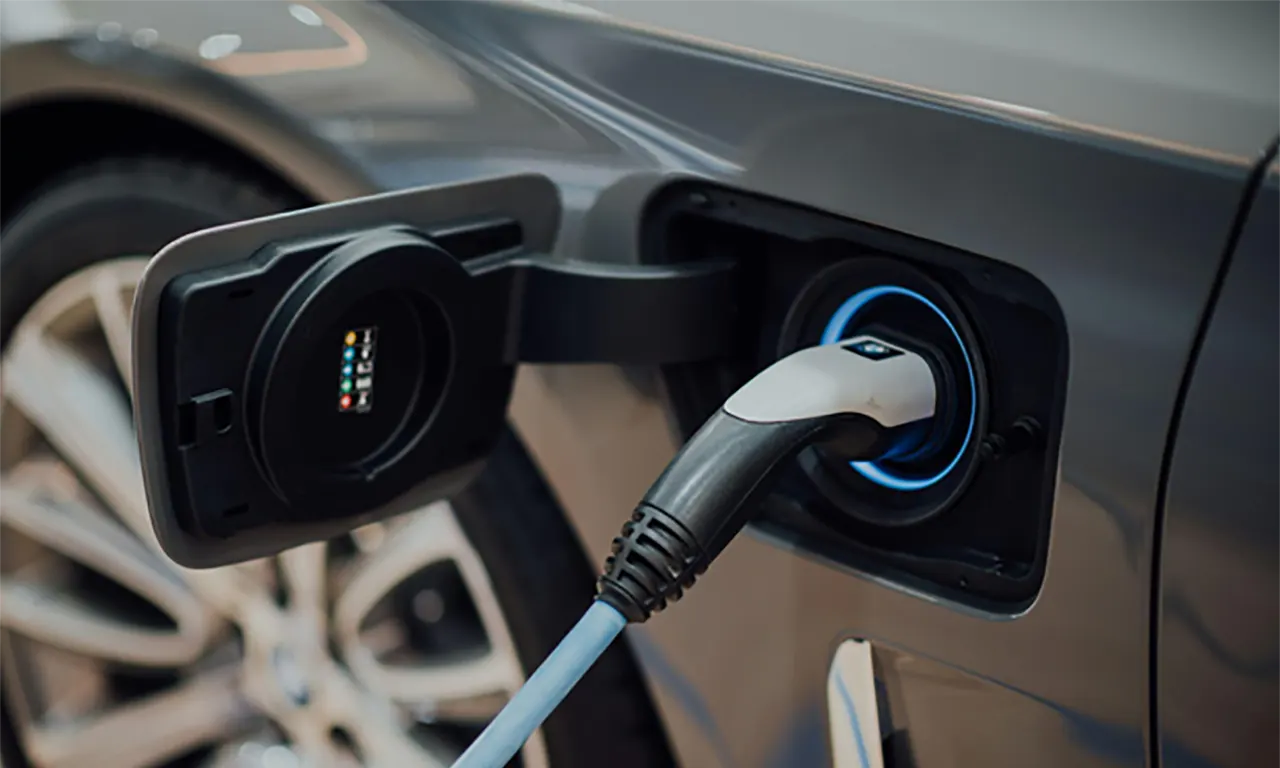
Owning a new electric vehicle (EV) is exciting. It’s swapping the rumble of a gas engine for a silent, smooth glide and the satisfaction of driving past gas stations without a second glance. Your home is now your personal fueling station. For the best at-home charging experience, you need to plan a bit. Keep these factors in mind to ensure your EV charger ticks all the boxes and integrates seamlessly into your home.
7 overlooked factors for EV charger installation
1. Assessing Your Home’s Electrical Capacity
Your home has a total electrical capacity that all your appliances share, and you must ensure that it can accommodate your EV’s charger. A Level 2 charger is a far cry from plugging in a toaster. It’s more similar to a central air conditioner or an electric range.
A qualified electrician can add up the electrical demand of all the major appliances in your home to determine if there’s enough leftover capacity to safely add an EV charger. This calculation can keep your panel from overloading, which can lead to frequently tripped breakers or even create a fire hazard.
If the load calculation shows you have plenty of room, the installation may only involve adding a new dedicated 240V circuit. The electrician could install a smaller subpanel to create more room for circuits if the main panel is full but the service has capacity. If your total service isn’t enough, you need a full-service upgrade. This is the most expensive scenario, as it may involve coordinating with your local utility company.
2. Choosing a Strategic Charger Location
A garage offers protection from rain, snow and extreme temperatures, which can prolong an EV charger’s lifespan. It also provides better security from vandalism and theft. The main drawback is that the installation can take up valuable wall or floor space.
Setting up the charger in the driveway is an excellent option for homes without garages or for those who want to offer charging to guests. You just need to ensure the charger is rated for outdoor use and take extra measures to keep it safe from theft and the elements.
Also, consider your EV’s charging port when deciding. If you typically back into your two-car garage on the right side, but your EV’s port is on the front driver’s side, a charger installed on the back wall might not reach it. You may need to mount it on a side wall or the front wall instead.
3. Evaluating the Security of Your Garage
An EV and a Level 2 charger are a significant financial investment, which can make your garage more attractive to thieves. Assess your garage door opener. If it was installed before 1993, it likely uses a fixed code. This is like having a single, unchanging password for your garage that thieves can capture.
Modern garage door openers use rolling code technology, which functions like two-factor authentication. It generates a brand-new, one-time-use code every time you use your remote, making it virtually impossible to copy. Some openers also come with other security features, such as vacation modes that turn off remotes and Wi-Fi connectivity that sends updates whenever the door opens and closes.
4. Integrating Your Charger With a Smart Home
Choosing a smart or Wi-Fi-connected charger provides significant benefits. These advantages include:
- Scheduled charging: You can program the charger to only operate during off-peak hours, such as 12 a.m. to 6 a.m., when electricity rates are lowest. This strategy can help you save on your utility bills.
- Usage monitoring: You can check how many kilowatt-hours were used to charge the vehicle on the smart charger’s app. This can make household budgeting easier.
- Smart home routines: You can create routines that cater to your daily habits. For example, telling your smart speaker to lock the doors can also initiate EV charging, but only if it’s after 9 p.m.
5. Considering the Impact on Home Design
Many homeowners find a bulky piece of equipment unattractive. Fortunately, many modern chargers come in sleek, minimalist designs and a variety of colors to complement a garage’s look.
Cable management solutions are another must-have when installing an EV charger. Long charging cables on the garage floor are not only messy but also a tripping hazard. You also risk driving over and damaging them. A simple wall hook or holster will give you a place to nearly coil the cable. You can also invest in a ceiling-mounted retractor that keeps the cable suspended and out of the way until needed.
6. Verifying Your Installer’s Qualifications
Installing an EV charger is not a DIY job. It’s a high-voltage installation that, if done incorrectly, can damage the EV’s battery, the charger itself or even cause an electrical fire.
While any licensed electrician can legally do the job, it’s best to find one with experience installing EV supply equipment. Specialized knowledge leads to a better, safer result.
7. Planning for Your Next EV
Think at least five years ahead. The auto market is rapidly electrifying, and it’s likely that your next car will also be an EV. Consider installing more power than you need now.
For example, your current EV might only have a 7.7-kilowatt onboard charger, which works perfectly with a 40-amp circuit. However, for an additional cost, you could install a 60-amp circuit instead. This prepares you for an EV with a faster onboard charger in the future. Even if you don’t connect a charger to it for years, the wiring will be ready to go, saving you hundreds on a future installation.
Your Fully Charged Future Awaits
Regarding EV charger installation, setting up an EV charger is a significant upgrade that touches on your home’s security, future value and daily functionality. It deserves the same thoughtful planning as a kitchen or bathroom remodel. Think holistically and consider these often overlooked factors to move from simply installing a product to making it a truly integrated home feature.
