


Published on: October 12, 2025 | Updated on: October 12, 2025
A good finds bag for metal detecting is key to keeping your treasures safe and organized. This guide covers the best options, features, and tips to help you pick the perfect one for your detecting adventures.
There’s nothing quite like the thrill of unearthing a cool find with your metal detector. But once you’ve found it, what do you do with it? Stuffing it in your pocket can damage it or lose it. That’s where a dedicated finds bag comes in. It’s more than just a sack; it’s your treasure’s safe haven. This article will guide you through choosing the ultimate finds bag, ensuring your precious discoveries are protected and easy to manage on every outing.
Why a Dedicated Finds Bag is a Detectorist’s Best Friend
A finds bag for metal detecting is crucial for keeping your finds secure and organized. Without one, you risk losing or damaging the items you work so hard to locate. It also makes sorting and cleaning your treasures much easier after a day in the field.
Essential Features of a Top-Notch Finds Bag
When looking for a finds bag for metal detecting, several features make a big difference. Think about durability, size, and how easy it is to access your finds. A good bag protects your treasures and makes your detecting experience smoother.
Material Strength: It needs to be tough. You’ll be putting dirt, rocks, and metal objects inside. Look for rip-resistant fabrics like heavy-duty nylon or canvas.
Secure Closure: A drawstring or zipper keeps everything inside. You don’t want your prize find falling out!
Multiple Compartments: Pockets help separate different types of finds. This prevents coins from scratching jewelry or relics from getting damaged.
Water Resistance: Some bags offer protection against light rain. This keeps your finds dry and prevents the bag from getting soaked.
Comfortable Carry: Adjustable straps or a belt loop make it easy to carry. You’ll be wearing it for hours.
Types of Finds Bags for Every Detectorist
There are several styles of finds bags, each suited for different detecting needs. Choosing the right type can greatly improve your comfort and efficiency in the field. Consider your typical detecting spots and the kinds of items you hope to find.
The Classic Pouch
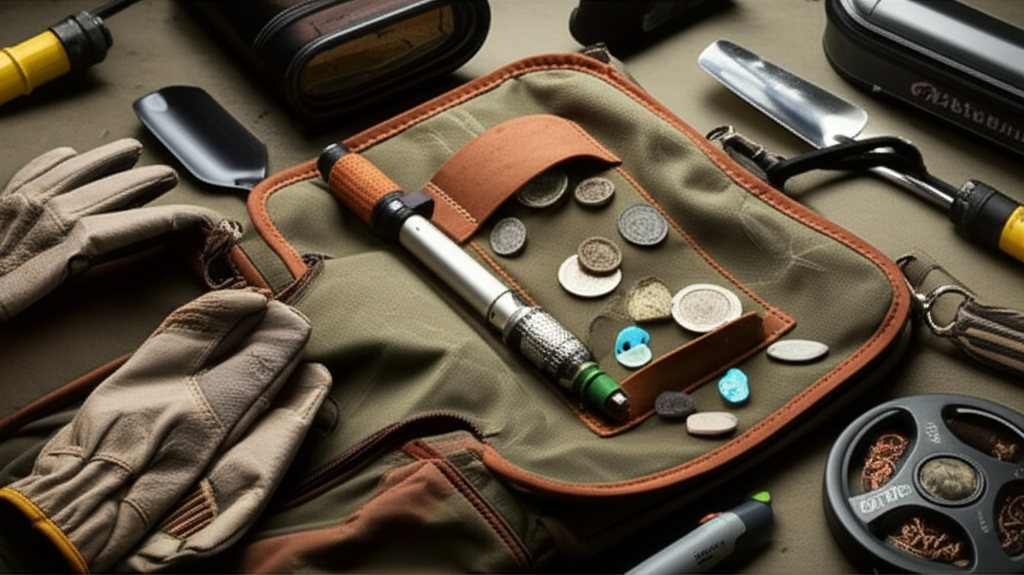
This is the most common type. It’s a simple bag, usually with a drawstring closure. They are often made of durable fabric and can be worn on a belt.
Pros: Lightweight, easy to access, affordable.
Cons: Limited organization, can get heavy if overloaded.
The Multi-Pocketed Bag
These bags offer more organization with several internal and external pockets. This is great for keeping different finds separate.
Pros: Excellent organization, protects delicate items.
Cons: Can be bulkier, might cost more.
The Backpack Style
For longer detecting trips or when carrying more gear, a backpack-style finds bag is a good choice. They distribute weight evenly.
Pros: High capacity, comfortable for long days, can carry other gear.
Cons: Less immediate access to finds, can be hot in warm weather.
The Vest/Apron Combo
Some detectorists prefer vests or aprons with built-in finds pouches. These keep your hands free and your finds close.
Pros: Hands-free operation, quick access, integrated with other gear.
Cons: Limited capacity, can be restrictive in movement for some.
What to Look for: Material and Durability
The material of your finds bag is critical for its lifespan and how well it protects your treasures. A bag that can withstand the elements and rough handling will serve you better. Investing in quality materials means you won’t have to replace it often.
Choosing the Right Fabric
Nylon and canvas are top choices for finds bags. Ripstop nylon is especially good because it resists tears. Look for bags with reinforced stitching at stress points.
Weather Resistance
While not always essential, a water-resistant lining or coating can be a lifesaver. It protects your finds from moisture and keeps the bag itself from getting heavy when wet.
Size Matters: How Big Should Your Finds Bag Be?
The ideal size of your finds bag depends on what you’re looking for and how long you’ll be out. A small bag might be fine for a quick park hunt, but a larger one is better for a day in the woods.
For Casual Hunts
A medium-sized pouch (around 10×12 inches) is usually sufficient for finding coins and small relics. It’s easy to carry and doesn’t get in the way.
For Extended Expeditions
If you plan on spending all day detecting or prospecting for gold, you’ll need a larger bag. A bag that can hold several pounds of dirt and finds is recommended. Consider a bag with a wider opening for easier dumping.
Organization is Key: Pockets and Compartments
Good organization within your finds bag prevents damage and makes sorting your finds much simpler. It’s like having a small toolbox for your treasures.
Separating Your Finds
Use smaller internal pockets for delicate items like jewelry or old coins. Keep larger finds in the main compartment. This stops scratching and breakage.
Pinpointer Holsters
Many modern finds bags include a special pocket or loop for your pinpointer. This keeps your essential tool easily accessible.
Attaching Your Finds Bag: Belt Loops and Straps
How you carry your finds bag affects your comfort and mobility. The best attachment method keeps the bag secure without being annoying.
Belt Attachment
Most pouches have a sturdy belt loop or clip. Ensure it fits your belt snugly. This keeps the bag from swinging around as you walk.
Shoulder Straps
Some bags come with adjustable shoulder straps. These can be useful for distributing weight, especially with larger bags.
Maintaining Your Finds Bag
Just like any piece of gear, your finds bag needs a little care. Keeping it clean will help it last longer and prevent dirt from getting into your finds.
Cleaning After a Hunt
Empty your bag completely after each outing. Brush off excess dirt and debris. For deeper cleaning, hand wash with mild soap and water.
Drying Properly
Always let your finds bag air dry completely before storing it. This prevents mold and mildew. Avoid direct, intense heat, which can damage some materials.
Top Finds Bag Brands and Models
Several reputable brands offer excellent finds bags for metal detecting. Exploring these options can help you find a bag that fits your specific needs and budget. Many detectorists trust these names for their quality and performance.
Garrett: Known for their durable and practical pouches, often bundled with their detectors.
Minelab: Offers well-made bags that complement their high-end detectors.
Fisher: Provides robust options that stand up to tough field conditions.
XP Metal Detectors: Their accessories are often innovative and user-friendly.
When choosing, read reviews from other detectorists. They often share valuable insights about real-world performance.
Making Your Own Finds Bag
If you’re crafty, you can create your own finds bag. This allows for complete customization to your exact preferences. It can also be a more budget-friendly option.
Simple DIY Pouch
A basic pouch can be made from sturdy fabric with a drawstring. Measure, cut, sew, and add a casing for the cord. It’s a rewarding project.
Adding Features
You can add pockets, belt loops, and even padding to your homemade bag. This lets you tailor it precisely to your needs.
Frequently Asked Questions About Finds Bags
What is the best finds bag for a beginner?
For beginners, a simple, durable pouch with a secure closure is ideal. Look for something not too big, easy to clean, and affordable. Many brands offer starter pouches that work well.
Can I use any bag as a finds bag?
While you can* use any bag, a dedicated finds bag is designed for the job. It’s made of tougher materials and has features like secure closures and easy access that make detecting much better.
How do I clean my finds bag?
Empty all contents, then brush off loose dirt. Most fabric bags can be hand-washed with mild soap and water. Let it air dry completely.
Should my finds bag be waterproof?
Water resistance is helpful to protect your finds from light rain. Fully waterproof bags are less common and might trap moisture inside if not properly sealed.
How do I prevent my finds bag from getting too heavy?
Empty your bag periodically when you find a good spot to sort or at the end of your hunt. Distribute the weight by using a larger bag or a backpack-style option if you expect many finds.
Conclusion: Your Finds Bag is Your Treasure’s Home
Choosing the right finds bag for metal detecting is an important step for any detectorist. It’s not just about carrying your discoveries; it’s about protecting them and making your hobby more enjoyable. A good finds bag is durable, organized, and comfortable to carry. Whether you opt for a classic pouch or a more advanced multi-pocketed design, ensure it suits your detecting style. With the right finds bag, you can focus on the thrill of the hunt, knowing your treasures are safe and sound.
