


Published on: October 31, 2025 | Updated on: October 31, 2025
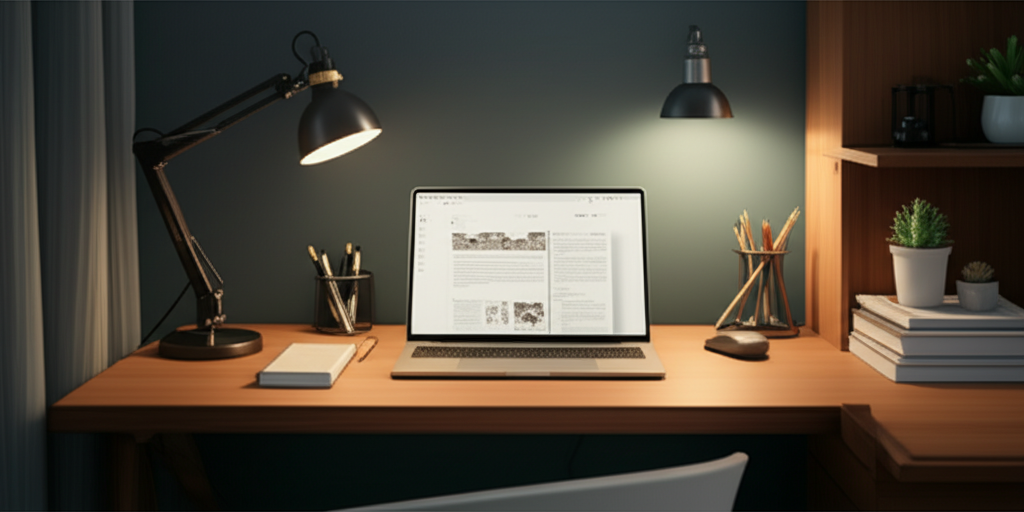
Create a functional home office in a tiny apartment with these smart, space-saving ideas. Maximize your area for work and focus without feeling cramped.
Working from home is now common. Many people live in small apartments. Finding space for a dedicated workspace can be hard. It might feel impossible to create a work zone without clutter. This guide will show you how. I will share simple, effective tips. You will learn to design a cozy and productive home office. Let’s make your small apartment work for you.
Why a Home Office in a Small Apartment Matters
Having a designated workspace is crucial for productivity. It helps you focus and separate work from home life. Even in a small apartment, a dedicated spot can boost your efficiency. It signals to your brain that it’s time to work. This separation is vital for mental well-being. Without it, work can spill into relaxation time. This article will guide you through creating that essential space.
The Challenge of Limited Space
Small apartments offer less room. This makes creating a separate office tricky. You might feel like you’re sacrificing living space. Traditional desks and large furniture don’t fit well. The goal is to make the most of every inch. We need clever solutions that are both functional and stylish.
Finding the Perfect Spot for Your Workspace
The first step is choosing where your office will be. Look for areas that are less used. Corners of rooms or unused nooks can work well. Consider natural light and distractions. A quiet corner is often best for focus. Think about where you can set up without disrupting your daily life.
Utilizing Underused Corners
A corner of your living room or bedroom can be ideal. You can place a small desk there. This creates a defined work zone. Add a tall bookshelf to use vertical space. This helps keep things organized and out of the way.
The Power of Vertical Space
When floor space is limited, look up. Use wall shelves for storage. Floating shelves are great for books and supplies. Wall-mounted desks also save floor space. This keeps your main living area clear.
Considering Natural Light and Noise
Natural light is good for mood and focus. Try to place your desk near a window. If that’s not possible, good artificial lighting is key. Also, think about noise. If your apartment is noisy, consider noise-canceling headphones. A quieter spot will help you concentrate better.
Smart Furniture Choices for Small Spaces
Choosing the right furniture is key. You need items that are multi-functional and compact. Avoid bulky pieces. Look for furniture designed for small living. This will help your workspace feel integrated, not imposed.
Compact Desks That Fit Anywhere
Consider a slim desk or a writing table. A wall-mounted desk that folds up is a great option. This saves space when you’re not working. You can also use a console table as a desk. Look for desks with built-in drawers for storage.
The Ergonomic Chair: Your Back’s Best Friend
An ergonomic chair is essential for comfort. It supports your back and helps you sit properly. Look for chairs that are adjustable. They should offer good lumbar support. Even in a small space, comfort is non-negotiable. A good chair prevents pain and boosts productivity. Investing in one is worth it.
Multi-Functional Furniture Solutions
Think about furniture that serves more than one purpose. A storage ottoman can be a seat and a place to store items. A bookshelf can also act as a room divider. These pieces maximize utility in a small area.
Maximizing Storage Without Clutter
Storage is a big challenge in small apartments. You need to keep your workspace tidy. Smart storage solutions are vital. They help you keep essentials close by. They also prevent your work area from looking messy.
Vertical Storage Solutions
As mentioned, vertical space is your friend. Install shelves above your desk. Use wall-mounted organizers for pens and papers. Tall, slim bookshelves take up less floor space. They offer plenty of room for books and supplies.
Drawer Organizers and File Holders
Keep your desk clear with drawer organizers. These small boxes keep pens, clips, and other items neat. Use file holders for important papers. Wall-mounted file holders save desk space. This helps maintain a clean look.
Hidden Storage Options
Look for furniture with hidden storage. A desk with drawers or cabinets is ideal. A storage bed can hold office supplies if your office is in your bedroom. These solutions keep clutter out of sight.
Lighting Your Workspace for Productivity
Good lighting is often overlooked. It affects your mood and focus. Poor lighting can cause eye strain and headaches. Proper lighting makes your workspace more inviting. It can also make a small space feel larger.
Natural Light Maximization
Position your desk to get the most from natural light. Avoid glare on your screen. Use sheer curtains to diffuse bright sunlight. Natural light is best for energy and well-being. It makes your workspace feel more pleasant.
Choosing the Right Artificial Lighting
If natural light is limited, use artificial light well. A good desk lamp is essential. Choose one with adjustable brightness. Ambient lighting can also help. Consider a floor lamp for general room light. A combination of lights works best.
Task Lighting for Detail Work
For tasks requiring fine detail, use task lighting. A focused beam of light on your work area is helpful. This prevents eye strain. Ensure the light is not too harsh. It should be comfortable for long periods.
Decorating Your Small Home Office
Your workspace should be inspiring. Even a small office can be stylish. Add touches that reflect your personality. This makes it a place you want to spend time in. Decorating can boost your mood and creativity.
Minimalist Design Principles
Minimalism is perfect for small spaces. Keep your decor simple and functional. Choose a few key pieces that you love. Avoid too many knick-knacks. A clean, uncluttered look is calming. It helps you focus on your work.
Adding Greenery with Plants
Plants add life and color to any space. They also improve air quality. Choose small plants that don’t take up much room. A small potted plant on your desk can make a big difference. Snake plants or ZZ plants are good low-maintenance options.
Personal Touches and Motivation
Display a few inspiring photos or quotes. A small piece of art can brighten the space. These personal touches make the office feel like yours. They can also provide motivation. Keep these items minimal to avoid clutter.
Technology and Cable Management
Wires and cords can quickly make a small space messy. Good cable management is crucial. It keeps your workspace looking neat. It also makes it safer. Untidy cables can be a tripping hazard.
Taming the Cable Chaos
Use cable ties or Velcro straps to bundle cords. Cable clips can attach cords to the back of your desk. A cable management box hides power strips and excess wires. This creates a much cleaner look.
Choosing Space-Saving Technology
Consider technology that saves space. A laptop is more portable than a desktop. A wireless keyboard and mouse reduce cord clutter. A monitor arm can lift your screen off the desk. This frees up valuable surface area.
Essential Home Office Accessories for Small Spaces
Here are some items that can help:
Monitor Arm: Frees up desk space by mounting your screen.
Vertical File Organizer: Keeps papers upright and accessible.
Desk Mat: Protects your desk surface and provides a stable mouse area.
Noise-Canceling Headphones: Essential for focus in noisy environments.
* Compact Printer: If you need a printer, choose a small, efficient model.
Boosting Productivity in Your Small Workspace
A well-designed workspace directly impacts productivity. With a small apartment office, intentionality is key. Every element should support your work. Small changes can lead to big improvements in focus.
Creating a Routine
Establish a work routine. Start and end your workday at set times. This helps create boundaries. It also trains your brain to switch into work mode. A routine is vital for consistent output.
Minimizing Distractions
Identify common distractions. Is it noise, visual clutter, or phone notifications? Address these proactively. Use your cable management and storage solutions. Turn off unnecessary notifications. Let others in your household know your work hours.
The Importance of Breaks
Even in a small space, take regular breaks. Step away from your desk. Stretch your legs. This prevents burnout. Short, frequent breaks are more effective than one long one.
Ergonomics and Well-being in Your Tiny Office
Ergonomics is about designing for comfort and efficiency. In a small space, it’s easy to compromise. But your health and well-being are paramount. A comfortable setup prevents injuries. It also keeps you energized throughout the day.
Setting Up Your Ergonomic Station
Ensure your chair is adjusted correctly. Your feet should be flat on the floor. Your elbows should be at a 90-degree angle when typing. Position your monitor at eye level. This reduces neck strain.
Movement and Stretching
Incorporate movement into your day. Stand up and stretch every 30 minutes. Consider a standing desk converter. This allows you to switch between sitting and standing. Regular movement is vital for circulation. It combats the negative effects of prolonged sitting.
Creating a Healthy Atmosphere
Keep your workspace clean and organized. Ensure good ventilation. Add plants to improve air quality. Good ergonomics and a healthy atmosphere lead to better work. They also improve your overall mood.
Frequently Asked Questions (FAQ)
How can I create a home office in a studio apartment?
In a studio, use a room divider or a strategically placed bookshelf to separate your workspace. Opt for foldable furniture or a wall-mounted desk that can be put away. Choose multi-functional pieces to save space.
What is the best lighting for a small home office?
A combination of natural light, a good desk lamp for task lighting, and soft ambient light is best. Avoid harsh overhead lights. Ensure your screen doesn’t have glare from windows.
Do I really need a separate chair for my home office?
Yes, an ergonomic chair is essential. It supports your posture and prevents pain. Even a compact, supportive chair is better than using a dining chair for long periods.
How can I organize my home office if I have a lot of paperwork?
Use vertical storage like wall shelves and file holders. Invest in drawer organizers and a good filing system. Regular decluttering is also key to managing paperwork.
What if my small apartment gets too hot when I’m working?
Ensure good ventilation by opening windows. Use a small fan. Choose light-colored decor. Consider plants that can help cool the air.
Can I use my kitchen counter as a temporary home office?
While possible for short periods, it’s not ideal for long-term productivity or ergonomics. The kitchen is often a busy area with distractions. It can also lead to poor posture.
Conclusion: Your Productive Small Apartment Home Office Awaits
Creating a functional home office for a small apartment is achievable. It requires smart planning and careful choices. By utilizing vertical space, choosing multi-functional furniture, and managing clutter, you can build a productive zone. Remember to prioritize good lighting and ergonomics. Your well-being and productivity depend on it. Start implementing these genius tips today. You can transform even the tiniest space into your ideal home office. Your productive small apartment home office is within reach.
