


Published on: August 30, 2025 | Updated on: August 30, 2025
How To Clean Nose Jewelry: Essential & Proven Guide
Keeping your nose jewelry sparkling clean is crucial for preventing infections and ensuring it always looks its best. This guide provides simple, effective methods to clean all types of nose jewelry, protecting your piercing and enhancing its shine. Learn the best practices for daily care and deep cleaning.
Your nose jewelry can quickly become a magnet for bacteria and debris, dulling its shine and potentially leading to irritation or infection. It’s a common concern for anyone with a nose piercing, but thankfully, keeping it pristine doesn’t require complicated tools or harsh chemicals. With the right approach, you can maintain hygiene and beauty effortlessly. This comprehensive guide will walk you through the essential, proven steps to clean your nose jewelry, ensuring a healthy piercing and dazzling adornment. We’ll cover everything from daily upkeep to tackling tougher grime, so your nose stud or ring always looks its absolute best.
Why Regular Cleaning of Nose Jewelry is Non-Negotiable
Regular cleaning of your nose jewelry is crucial for preventing infections and maintaining the health of your piercing. It removes bacteria, dead skin cells, and product buildup that can cause irritation, redness, and more serious complications. Keeping it clean also ensures your jewelry maintains its original shine and appeal.
Your nose piercing is a gateway for bacteria to enter your body, and jewelry can trap all sorts of things. Think about sweat, makeup, lotions, and even tiny particles from the air. If these aren’t cleaned away regularly, they create a breeding ground for germs. This can lead to nasty infections that are painful and can even cause scarring or damage to your piercing site. So, a quick clean isn’t just about aesthetics; it’s a vital part of responsible piercing care.
Understanding Your Nose Jewelry Materials
Different materials require different cleaning approaches to avoid damage and maintain their integrity. Knowing what your jewelry is made of is the first step to cleaning it effectively and safely. From precious metals to implant-grade materials, each has unique properties that influence the best cleaning methods.
Precious Metals: Gold, Silver, and Platinum
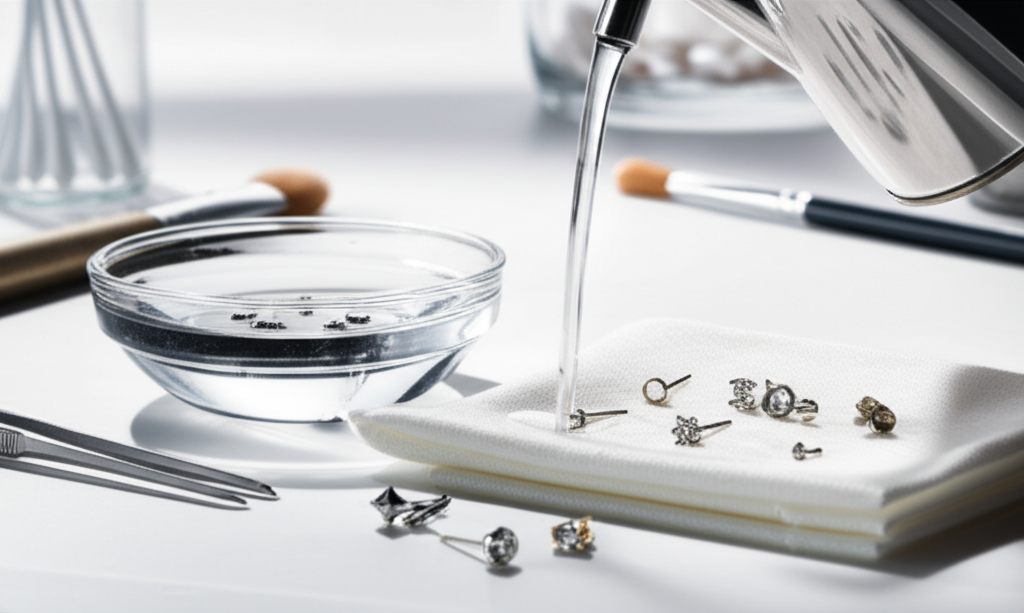
Precious metals like gold, silver, and platinum are popular for their beauty and durability. However, they can tarnish or react with certain chemicals. Silver, in particular, is prone to tarnishing when exposed to air and sulfur compounds.
Gold jewelry, especially 14k or 18k, is relatively stable, but lower karats contain more alloy metals that can react. Platinum is highly resistant to tarnish and corrosion, making it very low maintenance. For these metals, gentle cleaning solutions are usually best, and abrasive tools should be avoided to prevent scratches.
Implant-Grade Materials: Titanium and Niobium
Implant-grade titanium and niobium are the gold standard for initial piercings and for those with metal sensitivities. They are biocompatible, meaning they don’t react with the body, and are highly resistant to corrosion and tarnishing. These materials are incredibly forgiving when it comes to cleaning.
Because they are so inert, you can use a wider range of gentle cleaning agents without worrying about damaging the metal. Their non-porous surface also makes them less likely to harbor bacteria compared to some other materials. This makes them an excellent choice for both new and established piercings.
Surgical Stainless Steel
Surgical stainless steel is another common and affordable option for nose jewelry. It’s generally safe for most people, though some individuals with very specific metal sensitivities might react to the nickel content. It’s more prone to scratching and can dull over time if not cared for properly.
When cleaning stainless steel, mild soaps and warm water are usually sufficient. Avoid harsh abrasives that can scratch the surface, as these scratches can trap bacteria and become hard to clean. Regular polishing can help maintain its luster.
Other Materials: Glass, Acrylic, and Wood
Materials like glass, acrylic, and wood require very specific care. Glass is non-porous and easy to clean, but it can break if dropped. Acrylic can be scratched easily and may degrade with exposure to certain chemicals or prolonged heat. Wood jewelry is porous and needs to be kept dry; it can swell or crack if soaked.
For glass, mild soap and water are perfect. Acrylic jewelry should be cleaned with mild soap and water, avoiding alcohol or abrasive cleaners. Wood jewelry should be wiped clean with a damp cloth and dried immediately; never soak wood jewelry. Always check the manufacturer’s recommendations for specific care instructions for these materials.
The Essential Tools and Solutions for Cleaning Nose Jewelry
Having the right tools and solutions makes cleaning your nose jewelry a simple and effective process. You don’t need a specialized kit; common household items often suffice. The key is to use gentle, non-irritating products and tools that won’t damage your jewelry or your piercing.
Gathering these items beforehand ensures you’re prepared for regular cleaning and can address any issues promptly. Having everything within reach makes the task less daunting and more efficient, promoting consistent care.
Your Cleaning Arsenal: What You’ll Need
To effectively clean your nose jewelry, you’ll want a few key items. These are readily available and safe for most types of jewelry and piercings. Having these on hand will make the cleaning process straightforward.
Mild, Fragrance-Free Soap: Look for liquid hand soap or dish soap without added perfumes or dyes. Baby soap is often a good choice.
Warm Water: This is your primary rinsing agent.
Non-Woven Gauze Pads or Cotton Swabs: For gentle wiping and drying. Avoid cotton balls as they can leave fibers.
Small Bowl or Cup: For soaking the jewelry if necessary.
Soft Bristle Toothbrush (Optional): For gently scrubbing stubborn debris from textured jewelry. Ensure it’s a new, dedicated brush.
Saline Solution (Pre-made or Homemade): Excellent for cleaning piercings and jewelry, especially during the healing process. You can find sterile saline wound wash in most pharmacies.
Choosing the Right Cleaning Solution
The choice of cleaning solution depends heavily on your jewelry material and whether your piercing is fully healed. For most situations, mild, unscented soap and warm water are perfectly adequate. For tougher grime or during the initial healing stages, saline solution is a fantastic option.
Avoid harsh chemicals like rubbing alcohol, hydrogen peroxide, or strong antibacterial soaps on your jewelry, especially if it’s made of precious metals or has delicate stones. These can damage the material or cause adverse reactions with your skin. Always prioritize gentleness and safety for both your piercing and your jewelry.
Step-by-Step Guide: How to Clean Nose Jewelry Safely
Following a clear, step-by-step process ensures you clean your nose jewelry thoroughly without causing harm to your piercing or the jewelry itself. This method is designed to be gentle yet effective, suitable for daily or weekly cleaning. Precision and care are key to achieving the best results.
This routine will help maintain the health of your piercing and the beauty of your jewelry, preventing common issues like irritation and infection.
Daily/Weekly Cleaning Routine
A consistent cleaning routine is the best defense against irritation and infection. This involves gently cleaning the jewelry and the surrounding piercing area regularly. Making this a habit is simple and highly beneficial.
1. Wash Your Hands Thoroughly: Before touching your jewelry or piercing, wash your hands with soap and water to prevent transferring bacteria.
2. Gently Clean the Jewelry: If the jewelry is removable, take it out carefully. Place it in a small bowl with warm water and a drop of mild, fragrance-free soap. Let it soak for a few minutes.
3. Scrub (If Necessary): Use a soft-bristled toothbrush or a cotton swab dipped in the soapy water to gently scrub away any visible debris. Be extra gentle with delicate or intricate designs.
4. Rinse Thoroughly: Rinse the jewelry under warm running water until all soap residue is gone. Make sure no soap remains, as it can irritate the piercing.
5. Dry Completely: Pat the jewelry dry with a clean, lint-free cloth or gauze pad. Ensure it’s completely dry before reinserting.
6. Clean the Piercing Site: If your piercing is still healing or you’re cleaning without removing the jewelry, use a saline solution. Soak a clean cotton swab or gauze pad in the saline and gently wipe around the piercing and the jewelry.
This straightforward process, when done regularly, keeps both your piercing and jewelry in excellent condition. Proper drying is especially important to prevent moisture buildup, which can encourage bacterial growth.
Deep Cleaning for Stubborn Grime
Sometimes, your nose jewelry might accumulate more stubborn buildup, especially around intricate settings or if it hasn’t been cleaned for a while. For these situations, a slightly more intensive approach is needed, but still with a focus on gentleness.
1. Prepare a Soaking Solution: Mix warm water with a small amount of mild, fragrance-free soap in a clean bowl. For very stubborn buildup, you can use a sterile saline solution.
2. Soak the Jewelry: Submerge the jewelry in the solution for 5-10 minutes. This helps to loosen dried-on debris and oils.
3. Gentle Scrubbing: Use a soft-bristled toothbrush or a cotton swab to gently scrub the jewelry. Pay attention to crevices and settings where grime can hide.
4. Rinse Meticulously: Rinse the jewelry under warm running water, ensuring all traces of soap or buildup are washed away.
5. Drying: Dry the jewelry thoroughly with a clean, lint-free cloth. Ensure no moisture is trapped, especially in small details.
This method ensures that even hard-to-reach areas are cleaned effectively, restoring the jewelry’s shine and hygiene. Always be patient and avoid aggressive scrubbing, which could scratch or damage the piece.
Cleaning Nose Jewelry Without Removing It
For many, especially those with fresh piercings or who find removal difficult, cleaning the jewelry while it’s still in place is the preferred method. This still requires care to be effective and safe for the piercing. The key is to use gentle solutions and avoid excessive movement.
This approach is practical for daily maintenance and can help keep the piercing healthy without the risk of dropping or losing small jewelry pieces.
1. Wash Hands: Always start by washing your hands thoroughly with soap and water.
2. Prepare Saline Solution: Use a sterile saline solution, either store-bought or homemade (1/4 teaspoon of non-iodized sea salt dissolved in 1 cup of distilled or boiled-then-cooled water).
3. Apply Saline: Soak a clean cotton swab or gauze pad in the saline solution.
4. Clean Around the Piercing: Gently wipe around the piercing site and the jewelry, removing any visible crust or buildup. Be careful not to twist or pull the jewelry.
5. Allow to Air Dry or Gently Pat Dry: Let the area air dry, or gently pat it dry with a clean, lint-free tissue. Avoid using cotton balls, as they can leave fibers.
This method is ideal for maintaining cleanliness daily, especially for healing piercings, as it minimizes disturbance to the delicate tissue. It’s a safe and effective way to keep the area clean and promote healing.
Dealing with Tarnished or Dull Nose Jewelry
Tarnish on precious metals or dullness on other materials can detract from the beauty of your nose jewelry. Fortunately, there are specific methods to restore its sparkle without causing damage. The key is to use the right polish or cleaning agent for the material.
Revitalizing tarnished jewelry can bring back its original luster, making it look as good as new.
Restoring Shine to Silver and Gold
Silver jewelry is prone to tarnishing, a chemical reaction that creates a dark layer. Gold jewelry, especially lower karat gold, can also lose its luster over time. Gentle polishing is the answer.
For Silver: Use a silver polishing cloth or a paste made from baking soda and water. Gently rub the tarnished areas. Rinse thoroughly and dry completely. For heavily tarnished silver, a commercial silver dip cleaner can be used, but follow instructions carefully and rinse very well. Avoid this if your jewelry has stones, as the chemicals can damage them.
For Gold: Mild soap and water are usually sufficient for regular cleaning. For dullness, a very mild gold polish or a paste of baking soda and water can be used sparingly. Always rinse and dry thoroughly.
Always test any cleaning solution or polish on an inconspicuous area first, especially if your jewelry features gemstones or intricate designs.
Revitalizing Stainless Steel and Titanium
Stainless steel and titanium are generally resistant to tarnishing and dullness. However, they can accumulate oils and grime that make them look less shiny.
For stainless steel and titanium, the best way to restore shine is often through thorough cleaning with mild soap and water, followed by a good polish with a soft cloth. If there are minor scratches on stainless steel, a specialized stainless steel polish might help buff them out, but use with caution. Titanium, being very durable, typically only needs basic cleaning to regain its shine.
Tips for Preventing Buildup and Irritation
Prevention is always better than cure, and this applies to your nose jewelry too. Simple habits can significantly reduce the buildup of debris and prevent irritation or infection. Focusing on these practices makes cleaning easier and keeps your piercing healthier.
By incorporating these tips into your daily routine, you can minimize issues and keep your nose piercing looking and feeling great.
Avoid Harsh Products: Steer clear of alcohol, peroxide, and heavily fragranced soaps near your piercing.
Be Mindful of Makeup and Skincare: Try to keep makeup, lotions, and sunscreen from accumulating directly on your jewelry. Cleanse the area after applying these products.
Rinse After Swimming: If you swim in chlorinated pools or saltwater, rinse your piercing with clean water afterward.
Dry Thoroughly: Always ensure your jewelry and the surrounding skin are completely dry after cleaning or washing.
Regular Cleaning Schedule: Stick to a regular cleaning routine, whether daily or weekly, depending on your piercing’s needs.
Don’t Over-Clean: While cleaning is important, excessive cleaning or harsh scrubbing can irritate a healing piercing. Follow professional advice.
These preventative measures are simple yet highly effective in maintaining a healthy piercing and beautiful jewelry. They contribute to a smoother healing process and long-term piercing health.
When to Seek Professional Advice
While most nose jewelry cleaning can be done at home, there are times when you should consult a professional piercer or a doctor. Recognizing these signs ensures you address potential problems promptly and safely. Don’t hesitate to reach out for expert help when needed.
Professional guidance can prevent minor issues from becoming major health concerns, safeguarding your piercing’s integrity.
Signs of Infection: If you notice excessive redness, swelling, warmth, pus, or a foul odor, consult a doctor immediately. These are clear indicators of infection.
Persistent Irritation: If your piercing is constantly sore, red, or has a persistent bump (like a keloid or irritation bump), a professional piercer can assess the situation. They might suggest jewelry changes or alternative cleaning methods.
Difficulty Removing Jewelry: If you find it impossible to remove your jewelry for cleaning, especially if it’s a captive bead ring, a piercer can assist.
Jewelry Damage: If your jewelry breaks or has sharp edges, it should be replaced or repaired by a professional.
Your piercer is an invaluable resource for all aspects of piercing care, including jewelry cleaning and troubleshooting. They can offer personalized advice based on your specific piercing and jewelry.
Frequently Asked Questions About Cleaning Nose Jewelry
Here are answers to some common questions people have about how to clean nose jewelry, ensuring you have all the information you need for proper care.
Can I use rubbing alcohol to clean my nose jewelry?
No, it is generally not recommended to use rubbing alcohol to clean nose jewelry, especially if the piercing is still healing. Alcohol is very drying and can irritate the delicate skin around the piercing, potentially slowing down the healing process and causing redness or discomfort. It can also damage certain types of jewelry materials.
How often should I clean my nose jewelry?
For a fully healed piercing, cleaning your jewelry 1-2 times a week with mild soap and water or saline solution is usually sufficient. If you notice any buildup or your piercing area feels irritated, you can clean it more frequently. For healing piercings, follow your piercer’s specific cleaning instructions, which often involve cleaning the piercing and jewelry 1-2 times daily with saline.
What should I do if my nose jewelry is stuck?
If your nose jewelry is stuck, do not force it. This can cause injury. Gently try cleaning the area with saline solution to loosen any dried discharge. If it remains stuck, it’s best to visit a professional piercer who has the proper tools and expertise to safely remove it without causing damage.
Is it okay to clean my nose jewelry in my nose?
Yes, it is possible to clean the jewelry while it is still in your nose, particularly if it is a fresh piercing or you find removal difficult. Use a sterile saline solution on a cotton swab or gauze pad to gently clean around the jewelry and piercing site. Avoid twisting or manipulating the jewelry excessively.
What’s the best way to clean a nose stud with a flat back?
For nose studs with flat backs, cleaning the jewelry itself can be done by carefully removing it and soaking it in mild soap and water or saline. Afterward, use a cotton swab to gently clean the post and the flat back. Clean the piercing channel with saline solution on a swab without removing the stud if it’s still healing. Ensure everything is dry before reinserting.
Can I use toothpaste to clean my jewelry?
No, you should never use toothpaste to clean any type of jewelry, including nose jewelry. Toothpaste is abrasive and contains chemicals that can scratch your jewelry, damage porous materials, and severely irritate your piercing. Always stick to mild soaps, saline solutions, or specialized jewelry cleaners recommended for your material.
Conclusion: Maintaining a Healthy and Beautiful Piercing
Keeping your nose jewelry clean is a fundamental aspect of responsible piercing care, ensuring both the health of your piercing and the aesthetic appeal of your adornment. By understanding your jewelry’s material and employing gentle, consistent cleaning practices, you can effectively prevent infections, irritation, and dullness. Remember to always wash your hands, use mild, fragrance-free soaps or saline solutions, and dry thoroughly. For specific issues like tarnish or persistent irritation, don’t hesitate to seek advice from a professional piercer. Mastering how to clean nose jewelry is a simple skill that pays significant dividends in comfort and appearance, allowing you to confidently showcase your style.
