


Published on: October 15, 2025 | Updated on: October 15, 2025
Transform your workspace into a green oasis with these essential tips on how to decorate office with plants. Discover stunning, easy-care options that boost mood, reduce stress, and enhance productivity.
Are you looking to make your home office a more inviting and productive space? Many of us spend hours at our desks, and the environment plays a huge role in how we feel and perform. A common frustration is a bland, uninspiring workspace that drains our energy. But what if a simple, natural touch could change everything? This guide will show you exactly how to decorate office with plants, turning your work area into a vibrant sanctuary. Get ready to bring life and color into your office, one plant at a time.
Why Plants Make Your Office Better

Adding plants to your office space is more than just decoration; it’s an investment in your well-being and productivity. Studies show that greenery can reduce stress and improve air quality. They bring a sense of calm and focus to your work. Even a few small plants can make a big difference in your mood. Let’s explore the powerful benefits plants offer.
Plants help clean the air you breathe. They absorb carbon dioxide and release oxygen. This can make your office air feel fresher. Plants also have a proven effect on reducing stress. Seeing green and natural elements can lower your heart rate and blood pressure. This leads to a more relaxed state.
Furthermore, plants can boost your creativity and productivity. A more pleasant environment makes you want to spend more time working. It can also improve your concentration. This means you can get more done. Adding plants is a simple yet effective way to upgrade your workspace.
Choosing the Right Plants for Your Office
Not all plants are created equal when it comes to office environments. You need to consider light, care, and the space you have. Low-light tolerant plants are ideal for offices with limited natural light. Easy-care options are perfect if you’re new to plant parenting. Think about the size of the plant too.
For dimly lit offices, snake plants and ZZ plants are excellent choices. They tolerate low light well and don’t need frequent watering. Spider plants are also very forgiving and can adapt to various conditions. They also help purify the air. If you have a sunny spot, consider succulents or a small peace lily.
When selecting plants, always check their specific needs. This includes how much light and water they require. You can find this information on the plant tag or by doing a quick online search. Choosing the right plant ensures it will thrive in your office. This makes your decorating efforts successful and rewarding.
Top Office Plants for Beginners
If you’re new to the world of plants, don’t worry! There are many hardy plants that are perfect for beginners. These plants are forgiving and can withstand a bit of neglect. They are a great way to start your office jungle. You’ll gain confidence as you watch them grow.
Snake Plant (Sansevieria)
The snake plant is a champion of low-maintenance living. It tolerates low light conditions and infrequent watering. Its upright leaves add a modern, architectural touch to any desk. This plant is also known for its air-purifying qualities. It’s a tough plant that thrives on neglect.
ZZ Plant (Zamioculcas zamiifolia)
ZZ plants are incredibly resilient. They can go for weeks without water and tolerate very low light. Their glossy, dark green leaves look sophisticated. This plant is perfect for busy professionals. It will survive even if you forget about it for a while.
Pothos (Epipremnum aureum)
Pothos vines are easy to grow and propagate. They come in many varieties with different leaf patterns. You can let them trail from shelves or hang them in baskets. Pothos plants are also good at cleaning the air. They are a versatile and beautiful choice.
Spider Plant (Chlorophytum comosum)
Spider plants are known for their air-purifying abilities. They produce small “spiderettes” that can be replanted. This plant is very adaptable. It does well in bright, indirect light but can tolerate lower light. It’s a fun plant to watch grow.
These beginner-friendly plants will add life to your office without demanding too much of your time. They are a great starting point for anyone wanting to learn how to decorate office with plants. You can enjoy their beauty and benefits with minimal fuss.
Strategic Placement: Where to Put Your Plants
The placement of your plants can greatly impact your office’s aesthetics and functionality. Think about how you use your space. Where can plants add the most visual appeal? Where can they offer the most benefit? Consider both practical and decorative aspects.
Place larger plants in corners or near windows. This softens the edges of your office. It also draws the eye and makes the space feel more grounded. Smaller plants can sit on your desk, shelves, or filing cabinets. They add pops of color and life without clutter.
Hanging plants are excellent for small spaces. They add vertical interest and keep surfaces clear. Consider a trailing pothos or spider plant from a high shelf. This draws attention upwards. It makes the room feel larger. Strategic placement is key to a balanced and beautiful office.
Enhancing Your Desk Setup with Plants
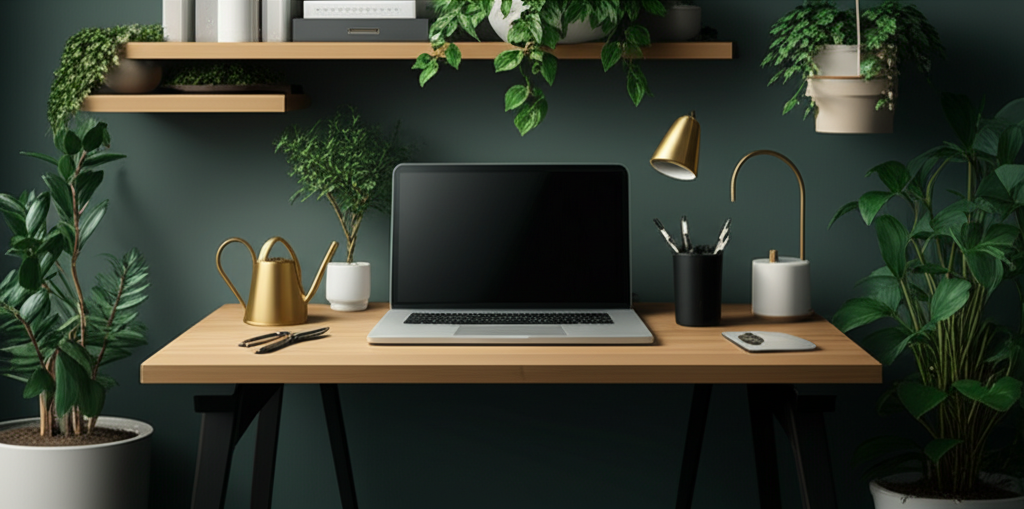
Your desk is the heart of your workspace. Adding plants here can boost your mood and focus. A small plant can make your desk feel more personal and inviting. It can break up the monotony of screens and paperwork. Choose plants that are compact and won’t get in your way.
A small succulent or air plant is perfect for a desk corner. They require minimal space and care. A tiny ZZ plant can also fit neatly. If you have a bit more room, a small snake plant or peace lily can work. Ensure they get the right light.
Remember to choose a pot that complements your desk style. A minimalist ceramic pot for a modern desk. A rustic terracotta pot for a more natural feel. These small touches make a big difference. They personalize your workspace beautifully.
Styling Your Office Shelves with Greenery
Office shelves are prime real estate for plant displays. You can create a stunning visual impact with a mix of plants and other décor. Varying heights and textures adds depth and interest. This is where you can really get creative with how to decorate office with plants.
Group plants of different sizes together. Place a taller plant on one end and a trailing plant on the other. Use books, picture frames, or decorative objects to fill the gaps. This creates a curated, stylish look. Don’t be afraid to experiment with arrangements.
Consider hanging shelves for a floating effect. This adds a modern touch. You can also use tiered shelves to maximize vertical space. Ensure plants have adequate light on their shelves. Rotate plants if needed to ensure even growth. Well-styled shelves can become a focal point.
The Benefits of Vertical Gardens and Wall Planters
For smaller offices or those seeking a bold statement, vertical gardens are a fantastic solution. Wall planters and vertical garden systems allow you to bring in a lot of greenery without taking up floor or desk space. They create a living piece of art. This can dramatically change the feel of your office.
Vertical gardens are not just beautiful; they can also improve air quality significantly. They add a natural element that can reduce ambient noise. The visual impact is stunning. It makes your office feel like an urban oasis. There are many DIY and pre-made options available.
Consider a modular system that you can customize. Or a simple wall-mounted planter for a few herbs or succulents. Ensure your wall can support the weight. Proper installation is key. This is an advanced way to incorporate plants. It truly transforms a workspace.
Plants and Productivity: The Science Behind It
It’s not just about looks; plants actively contribute to your productivity. Studies have shown that the presence of plants in a workspace can increase focus and creativity. They reduce mental fatigue. This allows you to work more effectively. The natural world has a profound impact on our minds.
A report by the University of Exeter found that employees in offices with plants were 15% more productive. This is a significant boost. Plants help reduce stress and anxiety. This leads to a calmer, more focused mindset. When you feel better, you work better.
The psychological benefits are clear. Plants can make your workspace feel more welcoming. They create a sense of well-being. This positive feeling translates into better work performance. So, decorating your office with plants is a smart productivity hack.
Maintaining Your Office Plants: Simple Tips
Keeping your office plants healthy and vibrant is easier than you think. The key is understanding their basic needs: light, water, and occasional feeding. Most office plants prefer indirect light. Avoid placing them in direct, harsh sunlight. This can scorch their leaves.
Watering is where many beginners go wrong. It’s better to underwater than overwater. Stick your finger into the soil. If the top inch feels dry, it’s time to water. Always use pots with drainage holes. This prevents waterlogging. Empty any excess water from the saucer.
For most common office plants, a good watering once a week or every two weeks is enough. This varies by plant type and environment. Check the soil regularly. Feed your plants with a diluted liquid fertilizer a few times a year during their growing season. This provides essential nutrients.
Essential Tools for Plant Care
Watering Can: A small watering can with a long spout is ideal for reaching plants easily.
Mister: Some plants, like ferns, enjoy humidity. A mister helps provide this.
Pruning Shears: Small shears are useful for trimming dead leaves or shaping your plants.
Soil Moisture Meter: This tool helps you accurately check if your plant needs water.
* Fertilizer: Choose a balanced liquid fertilizer for houseplants.
Regularly wipe down plant leaves with a damp cloth. This removes dust. It also helps the plant absorb light better. Observing your plants will teach you their individual rhythms. Soon, you’ll be a confident plant parent.
Common Office Plant Problems and Solutions
Even with the best intentions, you might encounter a few plant issues. Don’t get discouraged! Most problems have simple solutions. Understanding common issues helps you fix them quickly. This ensures your plants continue to thrive.
Yellowing Leaves
Yellow leaves can mean several things. It could be overwatering, underwatering, or lack of light. Check the soil moisture. If it’s too wet, let it dry out. If it’s bone dry, water more consistently. If these don’t help, move the plant to a brighter spot.
Drooping Leaves
Drooping leaves often indicate thirst. The plant is conserving water. Water thoroughly. If the soil is already moist, it could be a sign of root rot from overwatering. In that case, you might need to repot the plant. Remove any rotten roots.
Brown Leaf Tips
Brown tips usually mean low humidity or inconsistent watering. Try misting your plants more often. Ensure you are watering consistently. Sometimes, tap water can cause brown tips due to mineral buildup. Using filtered or distilled water can help.
Pests (e.g., Spider Mites, Mealybugs)
If you spot tiny pests, act fast. Isolate the affected plant. Wipe pests off with a damp cloth. You can also use insecticidal soap or neem oil. Follow product instructions carefully. Regular inspection helps catch pests early.
Addressing these common problems will help you keep your office plants healthy. It’s all part of the learning process. With a little attention, your green friends will flourish. They will continue to beautify your workspace.
Frequently Asked Questions (FAQ)
How do I know if my office has enough light for plants?
Most offices have low to medium light. Look for natural light sources like windows. If you can read comfortably without artificial light during the day, you likely have enough light. Plants like snake plants and ZZ plants thrive in low light.
Can I put plants in a windowless office?
Yes, you can! Choose plants that do not need light, such as snake plants or ZZ plants. They can survive in very dim conditions. You might need to supplement with a grow light for very dark spaces.
How often should I water office plants?
This depends on the plant and environment. A good rule is to check the soil. If the top inch is dry, water it. For most plants, this means watering every 1-2 weeks. Avoid letting them sit in water.
What are the best plants for air purification in an office?
Snake plants, spider plants, and peace lilies are excellent air purifiers. They help remove common indoor toxins. They also add a touch of nature to your workspace. NASA has a list of top air-purifying plants.
Do plants really improve productivity?
Yes, studies show plants can boost productivity by 15%. They reduce stress and improve focus. A greener workspace can make you feel happier and more engaged. This leads to better work performance.
What if I don’t have a green thumb?
Start with very easy-to-care-for plants like snake plants, ZZ plants, or pothos. These are forgiving. They tolerate less-than-ideal conditions. Focus on understanding their basic watering and light needs.
How do I choose the right pot for my office plant?
Choose a pot with drainage holes to prevent root rot. Select a pot size appropriate for the plant’s root ball. The pot’s style should match your office decor. Ceramic, terracotta, and metal pots are popular choices.
Conclusion: Cultivating a Greener, Happier Workspace
Decorating your office with plants is a powerful way to enhance your environment. It’s about more than just aesthetics. It’s about creating a space that supports your well-being and boosts your productivity. By understanding how to choose the right plants, place them strategically, and care for them simply, you can transform your office into a vibrant, inspiring sanctuary.
From the hardy snake plant to the trailing pothos, there are options for every office and every skill level. Remember the science: plants reduce stress, improve air quality, and sharpen your focus. They are natural productivity boosters. Embrace the journey of bringing nature indoors. You’ll find your workspace becomes a more enjoyable and effective place to be. Start today and watch your office bloom!
