


Published on: August 30, 2025 | Updated on: August 30, 2025
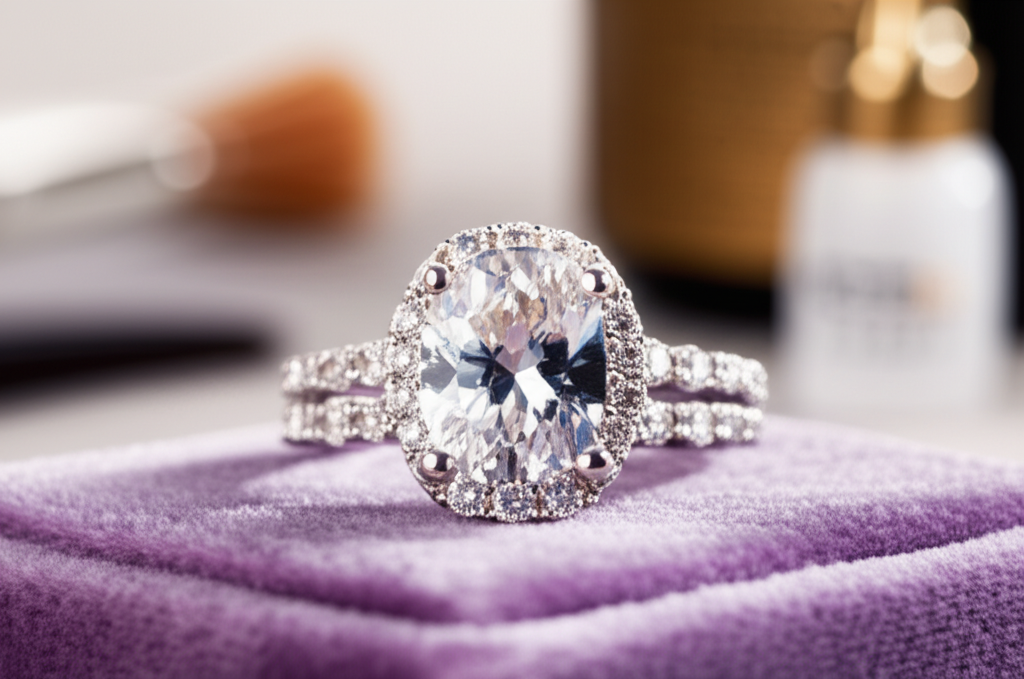
Keep your precious rings sparkling with a jewelry ring cleaner; it’s the easiest way to restore their brilliant shine and remove everyday grime without damaging delicate metals or gemstones.
Are your favorite rings looking a little dull lately? Don’t worry, you’re not alone. Over time, even the most beautiful jewelry can lose its luster due to everyday exposure to lotions, soaps, and natural body oils. This buildup can make your rings appear cloudy and lifeless, hiding the true sparkle of your precious stones. But what if I told you there’s an easy, effective solution right at your fingertips? We’ll explore the best ways to keep your jewelry looking its best, ensuring that effortless shine you love.
Why Your Rings Need a Regular Jewelry Ring Cleaner
Your rings are more than just accessories; they’re often symbols of love, commitment, or personal style. However, daily wear exposes them to a cocktail of substances that can dull their brilliance. From hand lotions and soaps to sweat and environmental pollutants, these elements cling to the intricate settings and facets of your rings. This grime doesn’t just make them look unsightly; it can actually obscure the light that makes your gemstones sparkle. Understanding why regular cleaning is essential sets the stage for choosing the right jewelry ring cleaner.
The Culprits Behind Diminished Sparkle

It’s fascinating how quickly everyday items can affect your jewelry. Lotions and creams leave oily residues that attract dust and dirt, creating a film on the metal and stones. Soaps, especially those with added moisturizers, can leave a similar coating. Even natural body oils, when mixed with environmental particles, contribute to this dulling effect. For rings worn daily, this buildup is inevitable and requires a targeted approach to removal.
Think about the last time you washed your hands or applied hand cream. Those common actions are the primary culprits behind a lackluster ring. This constant exposure means that the beautiful sparkle of your diamonds, the vibrant color of your sapphires, or the subtle glow of your pearls can be significantly muted. Keeping your jewelry clean ensures that its inherent beauty is always on display, a testament to its craftsmanship and your personal taste.
Understanding Different Types of Jewelry Ring Cleaners
When it comes to bringing back that dazzling shine, not all cleaning methods are created equal. The world of jewelry ring cleaners offers a spectrum of solutions, from simple at-home remedies to specialized cleaning solutions and ultrasonic devices. Choosing the right type depends on your jewelry’s materials, the type of grime, and your personal preference for convenience and effectiveness. Let’s break down the most common and effective options available to you.
DIY & At-Home Cleaning Solutions
Many of us prefer to tackle cleaning tasks with what we already have in our homes. Fortunately, several common household items can act as effective jewelry ring cleaners. These methods are often cost-effective and readily accessible, making them a popular choice for regular maintenance. However, it’s crucial to know which materials are safe for your specific jewelry pieces.
A gentle dish soap mixed with warm water is a fantastic starting point for most everyday jewelry. Simply soak your ring for a few minutes, then gently scrub with a soft-bristled toothbrush. Rinse thoroughly and pat dry with a lint-free cloth. This method is safe for most metals and gemstones, including diamonds, sapphires, and rubies. For tougher grime, a paste made from baking soda and water can be effective, but caution is advised with softer stones or porous materials like pearls and opals. Always rinse thoroughly after using baking soda, as any residue can be abrasive.
Commercial Jewelry Cleaning Solutions
For those seeking a more specialized approach, commercial jewelry cleaning solutions offer convenience and proven effectiveness. These products are formulated with specific ingredients designed to break down common jewelry grime without harming precious metals or gemstones. They often come in convenient spray bottles or dip-tanks, making the cleaning process straightforward.
When selecting a commercial jewelry ring cleaner, look for formulations specifically designed for fine jewelry. Many brands offer solutions tailored for diamonds, gold, platinum, and even specific gemstones. Some popular options include ammonia-based cleaners for diamonds, which excel at cutting through grease and oil, and ammonia-free solutions for more delicate stones. Always read the product label carefully to ensure it’s suitable for your particular jewelry pieces. Reputable brands often provide clear instructions on which metals and stones their cleaners are safe for. A quick check on a trusted jeweler’s website or a product review site can help you choose a reliable option.
Ultrasonic Jewelry Cleaners
Ultrasonic jewelry cleaners represent a more advanced and powerful cleaning method. These devices use high-frequency sound waves transmitted through a cleaning solution to create microscopic bubbles. When these bubbles collapse, they generate tiny shockwaves that dislodge dirt and grime from even the most intricate crevices of your jewelry. This process is highly effective at removing stubborn buildup without the need for harsh chemicals or abrasive scrubbing.
Ultrasonic cleaners are particularly beneficial for rings with complex settings or those that are difficult to reach with a toothbrush. They can restore a deep sparkle to diamonds, gold, platinum, and many other precious materials. However, it’s essential to be aware of their limitations. Certain gemstones, like emeralds, opals, pearls, and turquoise, are porous or have natural inclusions that can be damaged by the ultrasonic vibrations or the cleaning solution. Always consult with a jeweler or check the manufacturer’s guidelines before using an ultrasonic cleaner on such delicate pieces. For most durable jewelry, however, an ultrasonic cleaner is a game-changer.
Steam Jewelry Cleaners
Another effective, high-tech option is the steam jewelry cleaner. These machines use pressurized steam to blast away dirt, oils, and residues from your jewelry. The high temperature of the steam is excellent for sanitizing and lifting grime, providing a deep clean without chemicals. They are often very quick, making them ideal for busy individuals who want their jewelry to sparkle instantly.
Steam cleaners are generally safe for most durable metals and gemstones like diamonds and sapphires. The hot steam can effectively penetrate settings and remove buildup. However, similar to ultrasonic cleaners, caution is advised for heat-sensitive or porous stones. Emeralds, pearls, opals, and some treated gemstones can be damaged by the intense heat and steam. Always verify the compatibility of your jewelry with steam cleaning before use. Many professional jewelers use steam cleaners for their efficiency and thoroughness.
Choosing the Right Jewelry Ring Cleaner for Your Needs
Selecting the perfect jewelry ring cleaner hinges on a few key factors: the type of jewelry you own, the level of grime, and your personal preferences for cleaning. A delicate pearl necklace requires a different approach than a diamond-studded platinum band. Understanding these distinctions ensures you clean effectively without risking damage to your treasured pieces. Let’s consider how to make the best choice for your unique collection.
Consider Your Jewelry Materials
The metals and gemstones in your rings are the most critical factors in choosing a cleaner. Gold and platinum are generally durable, but plated jewelry requires extra care to avoid stripping the plating. Diamonds, sapphires, and rubies are very hard and can withstand most cleaning methods. Softer stones like emeralds, opals, pearls, turquoise, and amethyst are more susceptible to scratches, chipping, or damage from chemicals and heat.
For example, if your ring features a large, untreated sapphire set in platinum, you have a lot of flexibility. A mild dish soap solution, a commercial cleaner, or even an ultrasonic cleaner would likely be safe and effective. However, if your ring has a delicate emerald or a precious pearl, you’ll want to stick to very gentle methods. A soft brush with warm water and mild soap, or a specialized cleaner formulated for organic gems, is your best bet. Always err on the side of caution with softer or treated gemstones.
Assess the Level of Grime
Is your ring just a bit dull, or is it heavily coated with a visible film of dirt and oil? The severity of the buildup will influence the type of jewelry ring cleaner you need. For light, everyday tarnish or slight dullness, a simple home remedy might suffice. If your rings haven’t been cleaned in a while and have a noticeable film, a stronger commercial solution or a more powerful cleaning device might be necessary.
A ring worn daily for handwashing and exposure to lotions will accumulate grime faster than one worn only on special occasions. For rings with intricate settings, like pave or halo styles, grime can get trapped easily. These often benefit from the targeted cleaning action of an ultrasonic cleaner or the thoroughness of a steam cleaner. Don’t underestimate the power of a good soak and a gentle scrub with a soft brush for regular maintenance.
Convenience vs. Deep Cleaning Power
Your lifestyle and how much time you’re willing to dedicate to cleaning also play a role. If you need a quick touch-up before heading out, a spray cleaner or a cleaning pen might be ideal. For a more thorough, deep clean that tackles stubborn buildup, investing in an ultrasonic or steam cleaner could be worthwhile. Consider how often you plan to clean your jewelry and what level of effort you’re comfortable with.
Some people enjoy the ritual of carefully cleaning their jewelry by hand, while others prefer a more automated approach. If you have a large collection or wear a lot of rings, a device that speeds up the process can be a significant time-saver. Ultimately, the best jewelry ring cleaner is the one that fits seamlessly into your routine and effectively restores your jewelry’s beauty.
Step-by-Step Guide: Using Your Jewelry Ring Cleaner Effectively
No matter which type of jewelry ring cleaner you choose, following a proper cleaning procedure ensures the best results and protects your precious items. A systematic approach minimizes the risk of damage and maximizes the shine. Here’s a general guide to help you achieve that dazzling sparkle safely and effectively.
Preparation is Key
Before you begin cleaning, gather all necessary supplies. This includes your chosen jewelry ring cleaner, a soft-bristled brush (like a baby toothbrush or a specialized jewelry brush), a lint-free cloth, and a small bowl if you’re using a solution. Ensure your workspace is well-lit and that you have a drain stopper in place to prevent accidental loss of your ring. It’s also wise to identify the materials of your ring if you’re unsure, especially if using stronger cleaners or devices.
Double-check that your jewelry is compatible with the cleaning method you’ve selected. If you’re using a commercial cleaner or an ultrasonic/steam device, consult the product manual or a jeweler to confirm suitability for your specific gemstones and metals. Proper preparation prevents mishaps and ensures a smooth cleaning process, leading to that coveted effortless shine.
The Cleaning Process
For most solutions, start by placing your ring in a bowl of lukewarm water with a drop or two of mild dish soap or your specialized cleaning solution. Let it soak for about 5-10 minutes to loosen the grime. After soaking, use a soft-bristled toothbrush to gently scrub the ring, paying attention to the settings and any intricate details where dirt tends to accumulate. Work the brush carefully around the gemstones and under the band.
If using a commercial spray cleaner, follow the product’s instructions, which usually involve spraying the jewelry, letting it sit for a short period, and then gently brushing. For ultrasonic or steam cleaners, place your jewelry in the designated compartment and run the cycle according to the manufacturer’s instructions. These devices do the scrubbing for you, using vibrations or steam to dislodge dirt.
Rinsing and Drying
Thorough rinsing is crucial to remove all traces of cleaning solution and loosened debris. Rinse your ring under cool running water, ensuring that no residue remains. If you used an ultrasonic cleaner, you might want to rinse the jewelry directly from the cleaning tank. After rinsing, gently pat your ring dry with a soft, lint-free cloth, such as a microfiber cloth or a jewelry polishing cloth. Avoid using paper towels, as they can be abrasive and leave lint behind.
Allowing your jewelry to air dry completely can also be an option, but a gentle pat-down with a soft cloth helps prevent water spots and ensures immediate wearability. A well-dried ring will immediately showcase its restored brilliance, giving you that satisfying effortless shine you were aiming for. Proper drying maintains the finish and prevents watermarks on your precious metals.
Tips for Maintaining Your Jewelry’s Sparkle Between Cleanings
Keeping your jewelry looking its best isn’t just about occasional deep cleans; it’s also about smart habits that minimize grime buildup between uses of your jewelry ring cleaner. By adopting a few simple practices, you can significantly extend the time your rings stay brilliantly clean and reduce the frequency of more intensive cleaning sessions.
Mindful Wear Habits
Be conscious of when you wear your rings. It’s advisable to remove them before engaging in activities that could expose them to harsh chemicals, excessive dirt, or potential damage. This includes cleaning your house with strong chemicals, swimming in chlorinated pools, or participating in sports. Even applying lotions or hairspray can coat your rings, so it’s often best to put them on after these products have dried.
Consider having a designated spot for your rings when you take them off, such as a jewelry dish on your nightstand or bathroom counter. This prevents them from being misplaced or exposed to unnecessary elements. For rings with delicate stones or settings, removing them before sleeping can also prevent them from snagging on fabrics or being knocked against hard surfaces.
Gentle Wipes for Quick Touch-Ups
For minor smudges or fingerprints that appear between full cleanings, a quick wipe can make a big difference. Use a soft, lint-free cloth, like a microfiber cloth specifically designed for jewelry or eyeglasses. Gently polish the metal and stones to remove surface-level oils and dust. This simple step can maintain a good level of shine and prevent minor dirt from becoming stubborn grime.
Specialized jewelry cleaning cloths often contain polishing agents that can help restore luster and remove light tarnish. These are a convenient way to keep your rings looking their best with minimal effort. Think of it as a quick refresh that keeps your jewelry ready to impress.
Proper Storage
How you store your jewelry when you’re not wearing it is crucial for preventing scratches and tarnish. Ideally, store each piece separately in a soft pouch, a lined jewelry box, or individual compartments. This prevents harder metals or gemstones from scratching softer ones and minimizes exposure to air, which can contribute to tarnishing, especially for silver jewelry.
For precious metals like gold and platinum, storing them in airtight bags can further protect them from oxidation and environmental pollutants. Keeping your jewelry organized and protected ensures that it remains in pristine condition, ready for your next cleaning session with your chosen jewelry ring cleaner.
When to Seek Professional Cleaning
While many cleaning tasks can be handled at home, there are times when professional help is the best course of action. Certain types of jewelry, intricate designs, or heavily soiled pieces may require the expertise and specialized equipment that only a professional jeweler can provide. Knowing when to outsource your cleaning ensures the longevity and beauty of your most treasured items.
Intricate Settings and Delicate Stones
If your ring features very intricate settings, such as pave diamonds, milgrain detailing, or hidden clasps, a professional jeweler has the tools and techniques to clean these areas thoroughly without causing damage. Similarly, if your ring contains delicate or porous gemstones like pearls, opals, emeralds, or treated diamonds, a jeweler can assess the best cleaning method to ensure their safety. They have access to specialized solutions and equipment that are tailored for the most sensitive pieces.
Professionals can also identify any potential issues, such as loose prongs or small cracks, during the cleaning process. Addressing these minor problems early can prevent the loss of gemstones or more significant damage down the line. This proactive approach is invaluable for maintaining the integrity of your valuable jewelry.
Heavily Tarnished or Soiled Jewelry
For pieces that have accumulated significant tarnish, especially sterling silver, or are heavily soiled with substances that home cleaning methods can’t tackle, professional cleaning is often necessary. Jewelers have access to ultrasonic cleaners, steam cleaners, and polishing machines that can restore even heavily neglected pieces to their former glory. They can also perform professional polishing to remove minor scratches and restore the metal’s original finish.
If you’ve tried various at-home methods without success, or if you’re hesitant to attempt cleaning on a particularly valuable or sentimental piece, taking it to a professional is a wise decision. They have the experience to safely and effectively remove stubborn buildup, leaving your jewelry looking as good as new.
Insurance and Appraisal Valuations
Sometimes, professional cleaning is part of a larger process, such as obtaining an updated appraisal for insurance purposes. A clean, well-maintained piece of jewelry will present better for an appraisal, potentially reflecting its true value more accurately. Many jewelers offer cleaning services as part of their customer care, making it convenient to combine maintenance with other jewelry-related needs.
Regular professional check-ups, including cleaning, can also help maintain any warranties or guarantees on your jewelry. It’s a good practice to have your fine jewelry inspected and cleaned by a professional at least once a year, especially pieces you wear frequently. This ensures they are always in optimal condition.
Choosing the Best Jewelry Ring Cleaner: A Comparison
To help you make an informed decision, let’s compare the effectiveness, safety, and convenience of the most common jewelry ring cleaner options. This table outlines key features to consider when selecting the best approach for your needs.
| Cleaning Method | Effectiveness | Safety for Most Gems | Convenience | Best For |
|---|---|---|---|---|
| DIY (Dish Soap & Water) | Good for light to moderate grime | High (for most durable stones) | High (easy to do at home) | Daily maintenance, general cleaning |
| Commercial Cleaners | Very Good to Excellent | Moderate to High (depends on formulation) | High (ready to use) | Targeted cleaning for specific metals/stones |
| Ultrasonic Cleaners | Excellent (deep cleaning) | Moderate (use caution with soft/porous gems) | High (automated process) | Intricate settings, stubborn grime |
| Steam Cleaners | Excellent (deep cleaning & sanitizing) | Moderate (use caution with heat-sensitive gems) | High (fast and effective) | Quick, thorough cleaning |
When evaluating your options, remember that the “best” jewelry ring cleaner is subjective and depends entirely on your specific jewelry and preferences. Always prioritize the safety of your gemstones and metals. If in doubt, a gentle approach is always recommended, or consult a professional jeweler.
Frequently Asked Questions About Jewelry Ring Cleaners
Here are some common questions people have when looking to clean their precious rings, along with straightforward answers to help you keep your jewelry sparkling.
Can I use toothpaste to clean my ring?
It’s generally not recommended to use toothpaste as a jewelry ring cleaner. Toothpaste contains abrasives that can scratch softer metals like gold and platinum, as well as delicate gemstones. While it might seem to polish initially, the long-term effects can be damaging.
Is it safe to clean my ring in an ultrasonic cleaner if it has emeralds?
No, it’s generally not safe to clean emeralds in an ultrasonic cleaner. Emeralds are known for their natural inclusions and are often treated with oils or resins to enhance their appearance and durability. The ultrasonic vibrations can dislodge these treatments or even cause the stone to fracture. Stick to gentle, manual cleaning methods for emeralds.
How often should I clean my rings?
The frequency depends on how often you wear your rings and your lifestyle. For rings worn daily, a quick clean with mild soap and water once a week or every two weeks is a good idea. A deeper clean using a commercial solution or device can be done monthly or as needed when you notice a loss of shine.
Can I use rubbing alcohol to clean my jewelry?
Rubbing alcohol (isopropyl alcohol) can be effective for cleaning diamonds and gold jewelry, as it helps to cut through grease and oil. However, it should be used with caution and is not suitable for all gemstones, particularly those that are porous or have been treated, such as pearls, opals, or turquoise. Always rinse thoroughly after using alcohol.
What is the best jewelry ring cleaner for white gold?
White gold is typically rhodium-plated, so it requires gentle cleaning. A mild dish soap and warm water solution with a soft brush is excellent. Commercial jewelry cleaners specifically formulated for gold are also a good option. Avoid abrasive cleaners or ultrasonic cleaners, as they can potentially wear down the rhodium plating over time.
How do I clean a ring with a porous stone like a pearl?
Pearls are very delicate and porous. Avoid harsh chemicals, ultrasonic cleaners, and excessive moisture. The best method is to gently wipe them with a soft, damp cloth. If necessary, use a cloth slightly dampened with a very mild soap and water solution, then immediately wipe with a clean, damp cloth, and dry thoroughly with a soft, dry cloth. Never soak pearls.
Conclusion: Effortless Shine for Your Cherished Rings
Maintaining the brilliance of your jewelry ring cleaner doesn’t have to be a daunting task. By understanding the different types of cleaners available and selecting the method best suited for your precious metals and gemstones, you can effortlessly restore and preserve their sparkle. Whether you opt for a simple at-home solution, a specialized commercial cleaner, or a more advanced ultrasonic or steam device, consistent care is key. Remember to always prioritize gentle methods, especially for delicate stones, and when in doubt, a professional jeweler is your best resource for maintaining the integrity and beauty of your cherished rings.
