


Published on: November 9, 2025 | Updated on: November 9, 2025
“`html
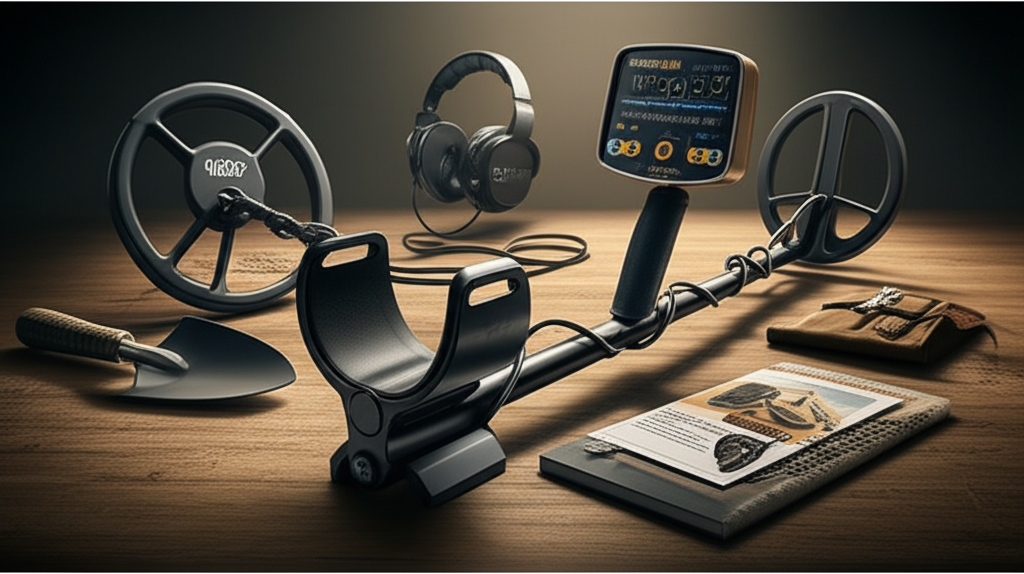
A metal detector starter kit is your first step into treasure hunting. It includes the basic tools needed to find coins, relics, and other buried finds. This guide helps you pick the right kit to begin your exciting adventure.
Metal detecting is a fun hobby. It lets you explore the outdoors and uncover history. Many beginners wonder what they really need to start. Buying the wrong gear can be frustrating and costly. This article will guide you through building the perfect metal detector starter kit. We’ll cover the essential items. You’ll learn what makes a good kit for finding hidden treasures. Get ready to start your detecting journey with confidence.
What is a Metal Detector Starter Kit?
A metal detector starter kit is a bundle of tools for new treasure hunters. It usually includes a metal detector and some basic accessories. These kits are designed to get you started quickly. They provide the essentials without overwhelming you. Having a good starter kit makes your first hunts much more enjoyable.
Why You Need a Metal Detector Starter Kit
Starting metal detecting can seem complicated. A starter kit simplifies things. It gives you the core equipment needed to find objects. This saves you time researching individual items. It also often offers better value than buying pieces separately. A well-chosen kit ensures you have reliable tools from day one.
Choosing Your First Metal Detector
The detector is the heart of your starter kit. For beginners, look for simple, user-friendly models. They should be lightweight and easy to set up. Features like discrimination are important. This helps ignore trash like bottle caps. Many starter kits come with versatile detectors suitable for parks and beaches.
Key Detector Features for Beginners

Adjustable Sensitivity: Lets you control how deep the detector looks.
Discrimination: Helps ignore unwanted metal targets.
Target ID: Shows a number or icon for the likely metal type.
Waterproof Coil: Allows hunting in wet grass or shallow water.
Lightweight Design: Makes it comfortable to swing for long periods.
Brands like Garrett, Minelab, and Nokta Makro offer excellent beginner detectors. Many of these are available in starter packages. I started with a Garrett Ace series detector, and it was a fantastic learning tool. It helped me find my first old coins.
Essential Accessories for Your Kit
Beyond the detector, a few accessories are vital. These items enhance your detecting experience. They help you find targets and recover them safely. A good starter kit includes these important extras. They make a big difference in the field.
The Humble Pinpointer: Your Target’s Best Friend
A pinpointer is a small, handheld detector. It helps you locate the exact spot of your target in the dug soil. Digging a plug and then sweeping it with your main detector can be slow. A pinpointer makes finding small targets in the dirt much faster. It saves you time and reduces the chance of damaging delicate finds. Most serious detectorists consider a pinpointer essential.
Digging Tools: Unearthing Your Finds
You’ll need tools to dig your targets. A good starter kit might include a small shovel or trowel. For tougher ground, a digging tool with a serrated edge is useful. Always use a plug cutter or carefully dig to minimize ground disturbance. This is crucial for responsible detecting. Respecting the land is key to keeping access.
Carry Bag and Protection
A carry bag is useful for transporting your detector. It keeps it safe from bumps and scratches. Many starter kits include a basic bag. A rain cover for the control box is also a good idea. This protects your detector during unexpected showers.
What to Look for in a Pre-Made Starter Kit
Many manufacturers offer pre-packaged metal detector starter kits. These are often a convenient way to begin. They typically include a detector, headphones, and sometimes a digging tool or pinpointer. When choosing a pre-made kit, check the specific items included. Ensure the detector meets your needs. Read reviews to see if the accessories are of good quality.
Pros of Pre-Made Kits
Convenient and ready to use.
Often a cost-effective option.
Includes essential items for beginners.
Cons of Pre-Made Kits
May include accessories you don’t need.
Accessory quality can vary.
Less customization for your specific interests.
Building Your Own Metal Detector Starter Kit
You can also build your own starter kit. This allows you to choose each item. You can select a detector that perfectly suits your budget and needs. Then, you can add the accessories you want most. This approach gives you more control. It ensures you get exactly what you need.
My Recommended Starter Kit Components
Metal Detector: Choose a reputable beginner model (e.g., Garrett Ace 300i, Minelab Vanquish 440).
Pinpointer: A reliable handheld pinpointer (e.g., Garrett Pro-Pointer AT, Nokta Pointer).
Digging Tool: A sturdy hand trowel or a digging spade.
Carry Bag: A padded bag for protection.
Headphones: Essential for hearing faint signals.
This curated approach ensures you get quality in each piece. It might cost a bit more upfront. But it’s often worth it for better performance.
Understanding Metal Detector Coils
The coil is the part of the detector that senses metal. Starter kits usually come with a standard all-purpose coil. These coils are good for general detecting in various conditions. Larger coils can detect deeper but are less sensitive to small targets. Smaller coils are better for trashy areas or pinpointing. Many beginner detectors have interchangeable coils. This allows you to upgrade later if needed.
Where to Use Your Metal Detector Starter Kit
Your starter kit can be used in many places. Beaches are popular for finding lost jewelry and coins. Parks can yield old coins and relics. Schoolyards are often good hunting spots. Old home sites are treasure troves for historical artifacts. Always get permission before detecting on private property. Research local laws regarding detecting on public lands.
Responsible Metal Detecting Practices
Get Permission: Always ask landowners before detecting.
Fill Your Holes: Leave the ground as you found it, or better.
Respect History: Avoid digging in known historical or archaeological sites.
Remove Trash: Take any modern trash you dig.
Follow Laws: Adhere to all local and national regulations.
Troubleshooting Common Starter Kit Issues
Sometimes, new detectorists face minor issues. The most common is not finding anything. This is often due to setting errors or poor coil swing technique. Ensure your detector is on and sensitivity is set correctly. Swing the coil slowly and steadily in an overlapping pattern. Patience is key; treasure hunting takes practice.
Tips for Better Finds
Learn Your Detector: Read the manual and practice in your yard.
Hunt in Different Locations: Explore various types of sites.
Join a Club: Experienced detectorists offer great advice.
* Be Persistent: Don’t get discouraged by trash finds.
FAQ: Your Metal Detector Starter Kit Questions Answered
What is the best metal detector starter kit for a beginner?
The best starter kit depends on your budget and what you want to find. Kits from brands like Garrett, Minelab, and Nokta Makro are highly recommended for beginners. Look for a kit that includes a user-friendly detector, headphones, and a pinpointer.
How much does a good metal detector starter kit cost?
A good metal detector starter kit can range from $200 to $500. Basic kits with just a detector and coil might be cheaper. More advanced starter packages with accessories like pinpointers and digging tools will be at the higher end.
Can I find gold with a starter kit?
While some starter kits can detect larger gold nuggets, they are not specialized for gold prospecting. Dedicated gold detectors have specific features for tiny gold. You can find gold jewelry on beaches with a good starter kit, though.
Do I really need a pinpointer with my starter kit?
Yes, a pinpointer is highly recommended. It drastically speeds up target recovery. It helps you find tiny targets in the soil plug without losing them. It’s a small investment that makes a huge difference.
What are the most common things to find with a starter kit?
With a starter kit, you’ll most commonly find modern coins, pull tabs, and bottle caps. As you learn and hunt in older areas, you can find older coins, relics like buttons and buckles, and jewelry.
How deep can a beginner metal detector find things?
A good beginner metal detector can typically detect coins up to 6-8 inches deep. Deeper targets are possible depending on the target size, ground conditions, and detector settings. Larger metal objects can be detected much deeper.
Conclusion: Your Treasure Hunting Adventure Awaits
Getting the right metal detector starter kit is crucial. It sets the foundation for successful and enjoyable treasure hunting. Whether you choose a pre-made bundle or build your own, focus on quality essentials. A reliable detector, a helpful pinpointer, and proper digging tools are key. With your starter kit, you are ready to explore. Uncover the hidden treasures waiting beneath the soil. Happy hunting!
“`
