


Published on: November 9, 2025 | Updated on: November 9, 2025
Find your lost phone or ring quickly with the right metal detector. This guide shows you how to pick the best tool and use it effectively, turning frustration into a successful recovery.
Metal detecting for a lost phone or ring might seem like a niche pursuit, but it’s a surprisingly common and often desperate situation. Whether it slipped off your finger at the beach or got misplaced in the park, the sinking feeling of loss is universal. Fortunately, a specialized metal detector can be your best friend in these moments. This guide will walk you through everything you need to know to select the right metal detector to find your phone or ring, and how to use it like a pro. We’ll cover the best types of detectors, essential features, and practical tips to maximize your chances of a successful recovery.
Why a Metal Detector is Your Best Bet for Finding a Lost Phone or Ring
Losing a phone or a precious ring is incredibly stressful. These items often hold immense sentimental or monetary value. While a visual search might work in some cases, it’s often inefficient, especially in grassy areas, sand, or at night. A metal detector, however, is specifically designed to locate metallic objects buried or hidden beneath the surface. It offers a systematic and effective way to pinpoint your lost treasure, saving you time and heartache.
This tool is far more effective than just searching with your eyes. It can detect small metallic items even when they are slightly buried. It’s your best chance to recover something you thought was gone forever.
Understanding Metal Detectors: What Makes Them Work
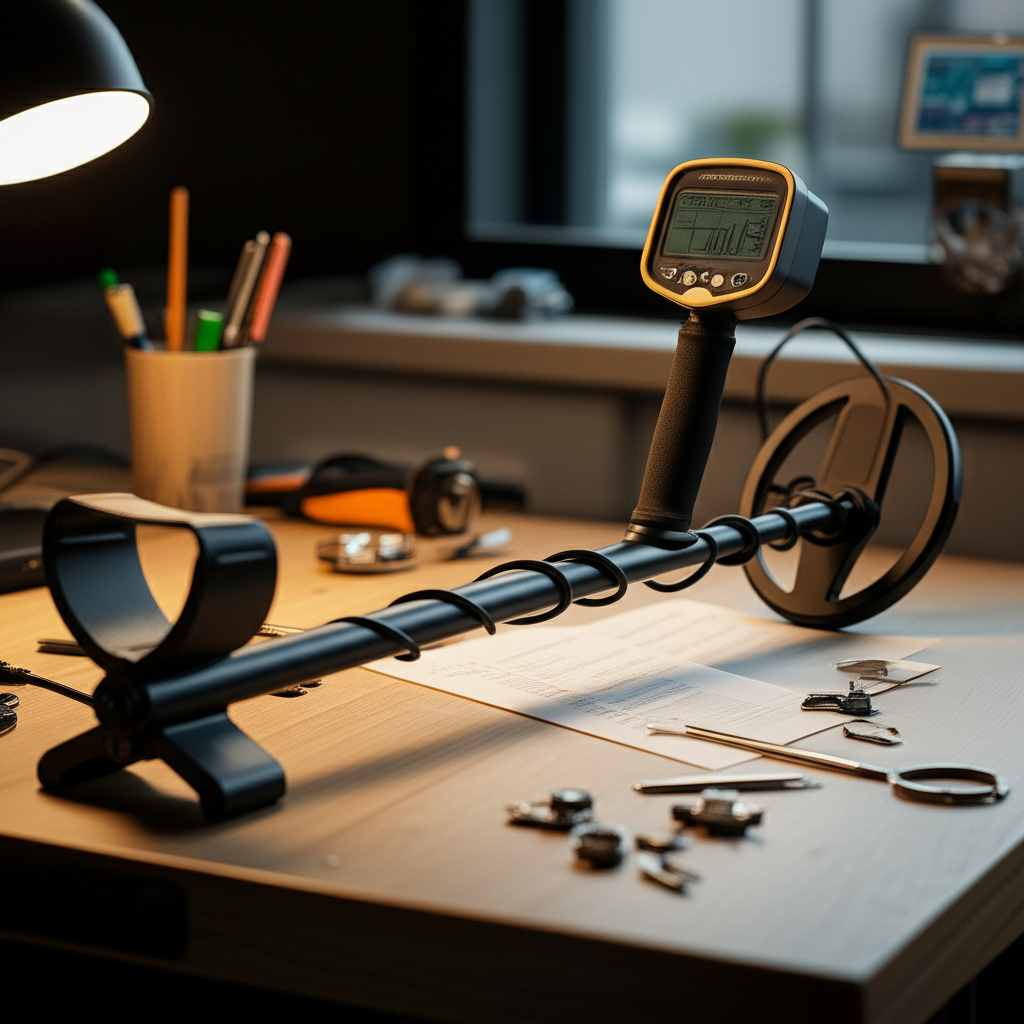
Metal detectors work by creating an electromagnetic field. When this field encounters a metal object, it creates a disturbance. The detector’s circuitry then interprets this disturbance and alerts you, usually with an audible tone or a visual display. Different detectors are designed for different types of metal and depths, which is crucial when looking for specific items like phones or rings.
The coil at the bottom of the detector sends out this field. When metal is near, it bounces the signal back. This return signal is what the detector picks up and tells you about.
Key Features to Look For in a Metal Detector for Finding Phones and Rings
When choosing a metal detector to find a phone or ring, certain features are more important than others. You’ll want a detector that is sensitive to small, lightweight metals, as rings are often made of gold, silver, or platinum. Phones contain various metals, including aluminum, steel, and copper. Look for detectors with adjustable sensitivity and discrimination settings. These allow you to tune out unwanted junk metal, like bottle caps or foil, and focus on your target.
A good detector will also have a visual target ID, which gives you a number or category for the type of metal detected. This helps differentiate between a ring and a pull-tab. Many detectors also offer different audio tones for various metals, providing another layer of information.
Adjustable Sensitivity: Lets you control how deep the detector can sense and how much it picks up.
Discrimination: Helps ignore trash metal objects.
Target ID (Visual & Audio): Shows or tells you what kind of metal you’ve found.
Waterproof Coil: Essential for beach or wet grass searches.
Lightweight Design: Makes it easier to swing for extended periods.
Pinpointer: Your Essential Partner for Precise Location

While a full-sized metal detector can cover a lot of ground, a pinpointer is absolutely vital for pinpointing the exact location of your lost item once the main detector signals it. A pinpointer is a small, handheld detector that you use once you’ve dug up the soil. It helps you narrow down the search area to a few inches, preventing damage to delicate items like rings and ensuring you don’t miss your target in the removed dirt.
Think of a pinpointer as the magnifying glass of metal detecting. It’s small and precise. You use it to confirm the item is right where you think it is.
Types of Metal Detectors Best Suited for the Task
Not all metal detectors are created equal, especially when you’re looking for small, valuable items like rings or a modern smartphone. Here’s a breakdown of the types that will serve you best:
1. All-Purpose Hobby Detectors
These are the most common type of metal detectors and are excellent for beginners and general use. They offer a good balance of features, sensitivity, and ease of use. Many models are capable of detecting small gold jewelry and are perfect for finding lost rings in parks, yards, or even shallow water. Their versatility makes them a solid choice for recovering phones too, as they can detect the various metals found in them.
They are like a Swiss Army knife for metal detecting. You can use them for many different types of searches. They are usually not too expensive either.
2. Jewelry Detectors
Specifically designed for finding small, high-value items, jewelry detectors are highly sensitive to gold, silver, and platinum. They often operate at higher frequencies, which is ideal for detecting tiny pieces of metal. If your primary concern is recovering a lost ring, a dedicated jewelry detector might be worth considering. They are incredibly effective at finding thin bands or small earrings.
These are like specialized tools for finding tiny treasures. They are built to be super sensitive to precious metals. They can find things other detectors might miss.
3. Waterproof Detectors
If you’ve lost your phone or ring near water, like at the beach, by a lake, or in a stream, a waterproof metal detector is a must. These detectors have coils and sometimes entire bodies that can be submerged. This allows you to search effectively in wet sand, shallow water, and even fully underwater. Beach hunting is a popular activity, and a waterproof detector opens up a whole new realm of recovery possibilities.
Losing something in water is extra worrying. A waterproof detector lets you search safely in wet places. You can even dip the coil into the water.
Top Metal Detector Brands and Models for Finding Phones and Rings
When it comes to reliable metal detectors, a few brands consistently deliver quality and performance. For finding phones and rings, I’ve found these brands and models to be excellent choices:
Garrett: Known for user-friendly detectors, the Garrett AT Pro and the Garrett Ace series (like the Ace 400) are popular. The AT Pro is fully waterproof and offers great depth and discrimination. The Ace series is more budget-friendly but still very capable for finding jewelry and everyday items.
Minelab: Minelab detectors are often considered top-tier, especially for gold prospecting but also excellent for general detecting. Models like the Minelab Equinox series are highly versatile, offering multi-frequency technology that boosts sensitivity to various targets. The Vanquish series is a more affordable option with similar benefits.
Nokta Makro: This brand offers robust and feature-rich detectors at competitive prices. The Nokta Makro Simplex+ is a fantastic waterproof option for beginners, offering excellent performance for its price point. The Legend is another powerful, multi-frequency detector.
These brands offer a range of detectors from beginner to advanced. They are well-regarded in the detecting community for their durability and performance. Always check recent reviews for the latest models and their specific capabilities.
Essential Accessories to Boost Your Recovery Success
Beyond the metal detector itself, a few key accessories can significantly improve your chances of finding your lost phone or ring. Having the right gear makes the process smoother and more efficient.
1. Pinpointer
As mentioned earlier, a pinpointer is non-negotiable. It’s a small, handheld detector that you use to precisely locate the target in the soil you’ve dug. Brands like Garrett, Nokta Makro, and Minelab all make excellent pinpointers.
This small tool is crucial for saving time. It helps you find the exact spot without digging a huge hole.
2. Digging Tools
Once your detector signals a target, you’ll need to dig it up. A sturdy digging trowel or a specialized digging tool designed for metal detecting is essential. These are often made of strong steel and have serrated edges to cut through roots.
You need the right tools to get to your target. A good digging tool makes the job easier.
3. Headphones
Using headphones with your metal detector is highly recommended. They block out external noise, allowing you to hear faint target signals more clearly. This is especially important in noisy environments or when searching for very small items.
Headphones help you hear the tiny sounds your detector makes. This is important for catching faint signals.
4. Pouch or Bag
You’ll need a place to put your finds and any trash you dig up. A digging pouch that attaches to your belt is practical. It keeps your hands free and your finds organized.
A pouch is handy for carrying your finds. It also helps you keep the area clean by collecting trash.
Step-by-Step Guide: How to Use Your Metal Detector to Find a Lost Phone or Ring
Finding a lost item with a metal detector involves a systematic approach. Follow these steps to maximize your success:
Step 1: Prepare Your Detector
Assemble the detector: Follow the manufacturer’s instructions to put your detector together.
Install batteries: Ensure fresh batteries are installed for reliable operation.
Adjust settings: Set the sensitivity to high but not so high that it causes false signals. Set discrimination to ignore common trash like pull-tabs or foil, but be cautious not to discriminate out your target (especially small gold rings).
Step 2: Search the Area Systematically
Divide the area: Mentally divide the search area into grids. This ensures you cover every inch without missing spots.
Sweep the coil: Swing the detector coil slowly from side to side in an arc, overlapping each sweep by about half the coil’s width. Keep the coil parallel to the ground.
Listen and watch: Pay close attention to audio signals and any visual target ID indicators on the display.
Step 3: Pinpoint the Target
Mark the spot: Once you get a repeatable signal, mark the spot where the signal is strongest.
Use the pinpointer: Turn on your pinpointer and sweep it over the marked area. Move it closer to the ground until the pinpointer signals strongly. This helps you identify the exact location of the metal object.
Step 4: Excavate Carefully
Dig a plug: Use your digging tool to carefully cut a neat plug of soil around the pinpointed spot. Lift the plug gently.
Search the plug and hole: Use your pinpointer to check both the removed soil plug and the hole. The item might be in the plug or just below it.
Recover the item: Once you locate the item with your pinpointer, carefully remove it.
Step 5: Recover and Clean
Secure your item: Once found, carefully retrieve your phone or ring.
Check for damage: Inspect your item for any damage.
Fill the hole: Always fill in any holes you dug to leave the area as you found it.
Common Challenges and How to Overcome Them
Metal detecting for lost items isn’t always straightforward. You might encounter several challenges, but with the right knowledge, you can overcome them.
1. Trash Metal Interference
Parks and beaches are often littered with junk metal like bottle caps, pull tabs, and foil. These can create signals that mask your target or lead you on wild goose chases.
Solution: Use your detector’s discrimination settings wisely. Start with minimal discrimination and increase it only if necessary. Learn to distinguish between different target ID numbers or audio tones that might indicate trash versus a valuable item. A good pinpointer is also crucial here, as it helps you identify the exact object before digging.
2. Deeply Buried Targets
Sometimes, a phone or ring can be buried deeper than your detector’s coil can easily reach. This is more common with heavier items like phones that might have sunk into softer ground.
Solution: Ensure your detector’s sensitivity is set appropriately. Some detectors have different search modes that can be optimized for depth. Consider using a larger coil, as they can generally detect targets at greater depths, though they might be less sensitive to very small items.
3. Identifying Different Metals
Knowing whether a signal is from a ring, a coin, or a piece of trash can be tricky. Different metals produce different responses.
Solution: Familiarize yourself with your detector’s target ID system. Most detectors have a chart or display that indicates what kind of metal a signal might be. For example, gold rings often register in a specific range, while aluminum foil is usually in another. Practice is key to learning these distinctions.
4. Weather Conditions
Searching in hot sun, wind, or rain can be uncomfortable and affect your search.
Solution: Dress appropriately for the weather. Wear sunscreen and a hat on sunny days, and waterproof gear if it’s raining. If the wind is strong, it can make hearing faint signals difficult, so headphones become even more important. Be aware of lightning if you are near open areas or water.
Can Any Metal Detector Find a Phone?
Yes, most modern metal detectors can detect a phone, as phones are made of various metals like aluminum, steel, copper, and precious metals in their components. However, the effectiveness varies greatly. A basic detector might pick up a phone, but a more advanced one will provide better target identification and depth. For finding a phone that’s been lost in a park or yard, a good all-purpose detector will work well.
The key is the detector’s ability to sense the specific metals present in the phone. Higher frequencies can sometimes be better for detecting the smaller components within a phone.
What About Finding a Lost Ring?
Finding a lost ring is a primary use case for many metal detectorists. Rings, especially those made of gold, silver, or platinum, are excellent targets for metal detectors. The challenge with rings is their size; they are often small and lightweight.
Sensitivity is Key: You need a detector that is highly sensitive to small metal targets. This often means looking at detectors that operate at higher frequencies (e.g., 10 kHz and above) or detectors with advanced multi-frequency capabilities.
Discrimination: You’ll want to be able to discriminate out small trash like aluminum foil, which can sometimes register similarly to gold. Learning your detector’s specific tones and target IDs for different metals is crucial for ring recovery.
Advanced Techniques for Ring and Phone Recovery
Once you’re comfortable with the basics, you can explore advanced techniques to refine your search for lost phones and rings.
1. Using Different Search Modes
Many detectors come with various search modes (e.g., “Jewelry,” “Park,” “Beach”). These modes are pre-programmed settings that optimize the detector’s performance for specific environments or targets. Experimenting with these modes can help you get better results. For instance, a “Jewelry” mode is likely to be tuned for higher sensitivity to small gold and silver targets.
2. Coil Selection
The coil is the part of the detector that senses metal. While most detectors come with a standard coil, specialized coils can improve performance. Smaller coils are generally more sensitive to tiny targets and better at separating them from trash in cluttered areas. Larger coils can detect targets at greater depths. If you’re frequently searching for rings, a smaller, high-frequency coil might be beneficial.
3. Understanding Target ID Numbers
Target ID numbers are numerical values displayed by the detector that suggest the type of metal detected. Different detectors use different numbering systems, so it’s vital to consult your manual. Learning the typical ID ranges for gold, silver, copper, aluminum, and iron will significantly improve your ability to identify potential targets. For example, a gold ring might consistently register in the 30-45 range on some detectors.
Where to Search for Lost Phones and Rings
The location where you lost your item is critical. Different environments require different approaches and detector settings.
Beaches and Parks
These are common places for rings and phones to be lost.
Beaches: Sand can shift, burying items deeper. Waterproof detectors are essential. Search at low tide for the best results. Look for areas where people relax, picnic, or play games.
Parks: Grass and soil can hide items well. Look around benches, playgrounds, and popular walking paths. Be mindful of underground utilities.
Yards and Gardens
If you lost something at home, your own yard is a prime search location.
Focus on Activity Areas: Search around patios, garden beds, and pathways where you frequently walk or spend time.
Be Aware of Irrigation Systems: If you have sprinklers, the ground might be soft, allowing items to sink.
Public Events and Outdoor Gatherings
Concerts, festivals, and sporting events are notorious for lost items.
High-Traffic Zones: Concentrate your search in areas where crowds gathered, like near food vendors, stages, or seating areas.
Timing is Crucial: Try to search soon after the event, as the ground is less likely to have been disturbed by subsequent activity.
Frequently Asked Questions
Q1: What is the best metal detector for finding a lost phone?
A good all-purpose hobby metal detector with adjustable sensitivity and target ID capabilities will work well for finding a lost phone. Models from Garrett, Minelab, or Nokta Makro are great options.
Q2: Can a cheap metal detector find a ring?
Yes, some affordable metal detectors can find rings, especially if they are sensitive to small gold or silver targets. Look for models with adjustable sensitivity and a decent target ID system. A pinpointer is also highly recommended.
Q3: How deep can a metal detector find a phone?
Most hobby metal detectors can find phones buried up to 6-12 inches deep, depending on the detector’s power, coil size, and the phone’s metal content. Larger coils can sometimes detect deeper targets.
Q4: Should I use a pinpointer even if I have a good metal detector?
Absolutely. A pinpointer is essential for quickly and accurately locating your target in the soil you’ve dug, saving you time and effort. It prevents you from damaging delicate items like rings.
Q5: What if my metal detector keeps giving false signals?
This usually means the sensitivity is set too high or there is a lot of trash metal in the area. Try lowering the sensitivity slightly or adjusting the discrimination settings. Also, ensure the coil is swinging smoothly and parallel to the ground.
Q6: Can I use a metal detector in the rain?
Only if your metal detector and its coil are waterproof. Many modern detectors are designed to be used in wet conditions, but always check the manufacturer’s specifications before submerging or exposing them to heavy rain.
Q7: How do I know if the target is a ring or just trash?
Learn your detector’s target ID system. Rings, especially gold and silver, will often register in specific numerical ranges or produce distinct audio tones that differ from common trash like pull-tabs or foil. Practice and experience are the best teachers.
Conclusion: Your Path to Recovering Lost Treasures
Losing a phone or a cherished ring can feel devastating, but with the right tool and a methodical approach, recovery is often possible. A metal detector, especially when paired with a reliable pinpointer, transforms a frustrating search into a manageable task. By understanding the key features to look for, choosing a detector suited to your needs, and employing systematic search techniques, you significantly increase your chances of reuniting with your lost valuables. Remember to practice, be patient, and always leave the search area as you found it. Happy hunting, and may your metal detector lead you straight to your lost treasure!
