


Published on: November 10, 2025 | Updated on: November 10, 2025
Finding your first treasures with the best metal detectors for beginners is easier than you think. This guide covers essential gear, tips, and what to expect, helping you start your metal detecting hobby right. Get ready for exciting discoveries and enjoyable outdoor adventures.
Metal detecting can seem a bit confusing at first. Many people want to try it but don’t know where to start. You might feel overwhelmed by all the choices. This guide is here to help. I’ll walk you through everything you need to know. We’ll cover the best tools and what to look for. Soon, you’ll be ready to find your own treasures.
What Makes a Good Metal Detector for Beginners?
A good beginner metal detector is easy to use and understand. It should not be too heavy. It needs simple controls. You want a detector that can find common items like coins and jewelry. It should also be affordable. The goal is to learn the hobby without spending too much money.
Top Features to Look for in Beginner Metal Detectors
When choosing a detector, look for specific features. Adjustable sensitivity helps ignore ground noise. Different search modes let you focus on certain targets. A discrimination feature helps ignore junk metal. A waterproof coil is useful for wet conditions. A comfortable grip and adjustable shaft are also important.
Understanding Metal Detector Tones and Signals
Metal detectors make different sounds. These sounds tell you what you might have found. A high-pitched tone often means a small, valuable item like a ring. A low-pitched tone might be a larger piece of junk metal. Learning these tones takes practice. Your detector’s manual will explain its specific tones.
Essential Accessories for Beginner Metal Detectors
Beyond the detector, a few accessories are very helpful. A pinpointer is a small, handheld detector. It helps you find the exact spot of your target in the dug soil. Good digging tools, like a trowel and a sand scoop, are also needed. A finds pouch keeps your treasures safe. Always carry headphones to hear faint signals better.
Popular Brands and Models for Beginners
Several brands make great metal detectors for beginners. Garrett, Minelab, and Bounty Hunter are well-known. The Garrett Ace series is very popular. The Minelab Vanquish is also a great choice. Bounty Hunter offers affordable and reliable options. I’ve used many of these, and they are solid choices for starting out.
Where to Start Your Metal Detecting Adventures
You can find interesting things in many places. Parks are often good spots for finding modern coins. Old schoolyards and picnic areas are also promising. Beaches can yield jewelry. Always check local laws. Some areas might have restrictions on metal detecting. Respect private property and always get permission.
Common Finds for Beginner Metal Detectors
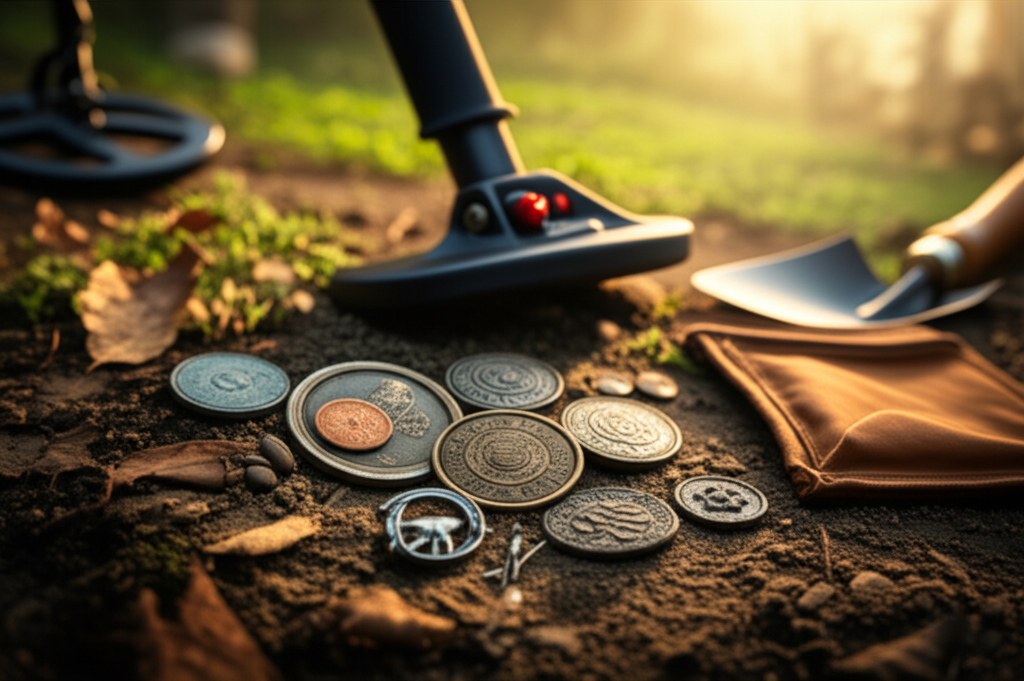
Beginners often find common items first. You’ll likely find modern coins like quarters and dimes. You might also find pull tabs from cans. Old buttons and small pieces of jewelry are exciting finds. Sometimes, you might find relics from the past. Each find is a step in learning your detector.
Tips for Your First Metal Detecting Trips
Go out when it’s not too crowded. This helps you learn your detector’s sounds. Start in an open area with fewer targets. Practice identifying different signals. Digging neatly is important. Always fill your holes. This helps keep the hobby accessible for everyone.
Understanding Metal Detector Specifications
Detectors have specifications like frequency and weight. Frequency tells you how sensitive the detector is to different targets. Higher frequencies are good for small gold. Lower frequencies are good for larger items. Weight affects how long you can swing the detector comfortably.
What to Do with Your Finds
Once you find something, clean it gently. Learn about the history of your finds. Some items might be valuable. Others are just interesting historical pieces. Keep a log of what you find and where. This helps you learn about different locations. Remember to always follow local laws regarding found items.
Frequently Asked Questions About Metal Detectors for Beginners
What is the easiest metal detector for a beginner to use?

The easiest detectors have simple controls and clear displays. Models like the Garrett Ace 200 or Bounty Hunter Junior are often recommended for their user-friendliness. They offer good performance without being overly complicated.
How much should I spend on a beginner metal detector?
You can find good beginner metal detectors for around $200 to $400. This price range offers solid features and performance. It’s a good investment to start learning the hobby without breaking the bank.
Can I find gold with a beginner metal detector?
Most beginner detectors can find larger gold items like rings. However, they are not optimized for finding small gold nuggets. Specialized gold detectors are needed for serious gold prospecting.
Is metal detecting legal everywhere?
No, metal detecting is not legal everywhere. Always check local laws and regulations. Some public lands, historical sites, and private properties have restrictions. Get permission before detecting on private land.
How deep can beginner metal detectors find things?
Beginner detectors can typically find targets 6 to 12 inches deep. The depth depends on the target size, the detector’s settings, and ground conditions. Larger targets are found deeper than smaller ones.
What is the most important accessory for a beginner?
A pinpointer is arguably the most important accessory. It helps you locate small targets in the soil plug quickly. This saves time and reduces the frustration of searching for your find.
Conclusion: Start Your Treasure Hunting Journey
Choosing your first metal detector is an exciting step. The metal detectors for beginners discussed here offer a great starting point. They are user-friendly and effective for common finds like coins and jewelry. Remember to get essential accessories like a pinpointer and digging tools. Always research where you can detect and follow local rules. With patience and practice, you’ll soon be enjoying the thrill of discovery. Happy hunting!
