


Published on: November 10, 2025 | Updated on: November 10, 2025
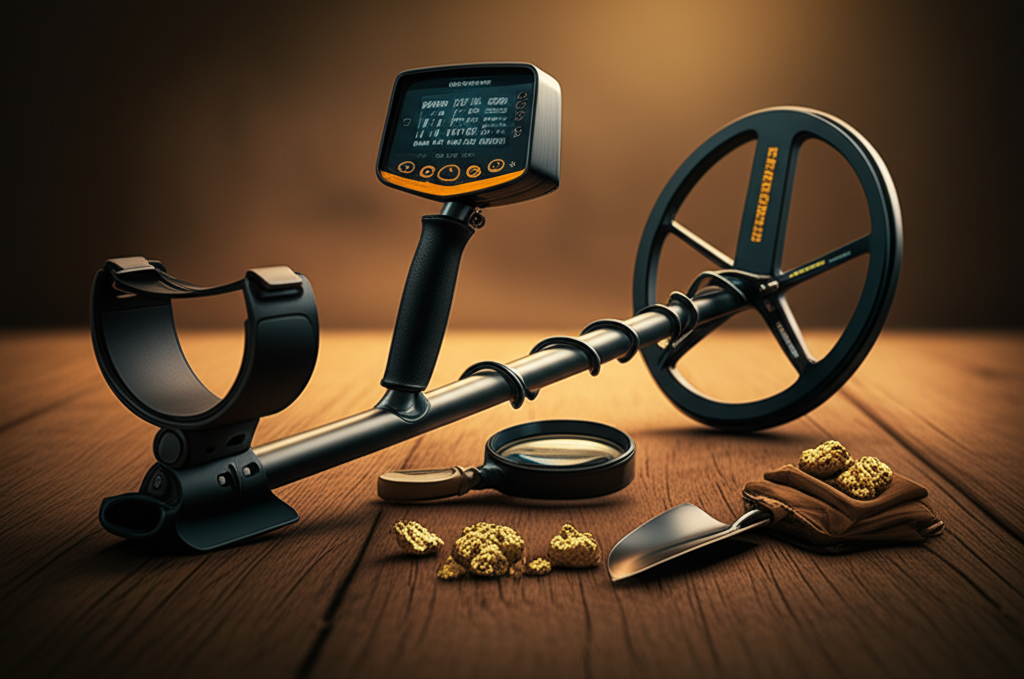
Discover the best metal detectors for gold prospecting with essential breakthroughs that will help you find more gold. Learn about advanced features, coil technologies, and settings crucial for successful gold hunting. Get ready to upgrade your prospecting game and uncover those elusive nuggets.
Gold prospecting can be tough. Finding gold nuggets requires special tools. Not all metal detectors work well for gold. This guide will show you the best metal detectors for gold prospecting. We will cover the newest features and what makes them great. This will help you pick the right one for your adventures.
What Makes a Metal Detector Great for Gold Prospecting?
A great metal detector for gold prospecting is designed for small targets. It needs to handle difficult ground conditions. These detectors often operate at higher frequencies. This helps them pick up tiny gold specks that other machines might miss.
High frequencies allow detectors to see very small gold. They can also distinguish gold from iron trash. This is important in areas where people have lost jewelry or coins. Ground balancing is also key. It helps the detector ignore minerals in the soil.
The Evolution of Metal Detectors for Gold Prospecting
Metal detectors have come a long way. Early detectors were simple. They could find large metal objects. Modern detectors are much more advanced. They are built specifically for finding gold.
Manufacturers have added new features. These features make gold detecting easier. They help find gold in more places. The technology keeps improving. This means better finds for prospectors.
High-Frequency Technology

High frequencies are a big deal for gold. Most general-purpose detectors use lower frequencies. These are good for coins and relics. Gold nuggets are often very small. Small targets need high frequencies to be seen.
Frequencies above 15 kHz are good for gold. Many dedicated gold detectors use 20 kHz or more. Some even go up to 60 kHz or higher. This makes them super sensitive to tiny gold. It’s like having a magnifying glass for gold.
Advanced Ground Balancing
Soil can be tricky. It often contains minerals. These minerals can fool a metal detector. They can make the detector think there is metal when there isn’t. This is called ground mineralization.
Good gold prospecting detectors have excellent ground balancing. They can ignore these mineral signals. This allows them to focus on actual targets. Many offer automatic ground balancing. Others have manual options for fine-tuning.
Specialized Coils for Gold
The coil is the part that searches the ground. The type of coil matters a lot for gold. Smaller coils are often better for gold. They can pinpoint small targets more easily. They also handle iron-infested soil better.
Elliptical coils can get into tight spots. They can weave around rocks and bushes. Concentric coils offer good depth. Many gold prospectors use multiple coils. They switch them out depending on the terrain.
Top Breakthrough Features in Modern Gold Detectors
Today’s metal detectors for gold prospecting have amazing features. These breakthroughs help you find more gold. They make the process more efficient. Let’s look at some of the best.
Discrimination and Target ID for Gold
Finding gold means ignoring iron. Iron trash is common in prospecting areas. A good gold detector can tell gold apart from iron. This is called discrimination. Target ID is a number that shows what the detector thinks the target is.
Many gold detectors have specific settings for gold. These settings help them ignore iron. They can also help identify different types of gold. This saves you from digging up junk. You can focus on what you want to find.
Audio Tones and Iron Audio
The sound a detector makes is important. Different targets make different sounds. Gold prospecting detectors often have special audio tones. These tones help you recognize faint gold signals. They can also help distinguish gold from other metals.
Iron Audio is a useful feature. It lets you hear iron targets. But it lets you hear them with a different sound. This makes it easier to ignore them. You can still hear them if you want to check. This helps avoid missing gold near iron.
Sensitivity and Threshold Adjustments
Sensitivity controls how deep the detector can see. Higher sensitivity can find smaller or deeper targets. But too much sensitivity can cause false signals. You need to find the right balance.
The threshold is a faint background hum. It helps you hear very faint signals. Adjusting the threshold is important for gold. It needs to be set just right. This allows you to hear the tiniest gold whispers.
Understanding Different Types of Gold Detectors
Not all gold detectors are the same. Some are designed for general use with gold capabilities. Others are built from the ground up for gold. Knowing the difference helps you choose.
All-Purpose Detectors with Gold Capabilities
Many popular metal detectors are good for coins and relics. They can also find gold. These detectors usually have multiple frequencies. They offer good all-around performance. They are a great starting point for new prospectors.
These machines are versatile. You can use them for different types of detecting. If you want to find coins, relics, and gold, this is a good choice. They might not be as sensitive to tiny gold as specialized machines. But they are a solid option.
Dedicated Gold Detectors
These detectors are built solely for gold. They use very high frequencies. They have advanced ground balancing. Their audio systems are tuned for gold signals. These are the best for serious gold prospectors.
Dedicated gold detectors are usually more expensive. They are also more specialized. If your main goal is finding gold nuggets, this is the machine for you. They offer the highest sensitivity to small gold.
Key Technologies Driving Gold Prospecting Breakthroughs
The technology inside metal detectors keeps advancing. These advancements make finding gold easier and more productive. Let’s explore some of the most impactful technologies.
Pulse Induction (PI) Technology
Pulse Induction detectors are different. They send out pulses of energy. They are less affected by mineralized ground. This makes them excellent for highly mineralized areas. Many beach prospectors and gold prospectors use PI machines.
PI detectors are very sensitive to gold. They can often detect deeper than VLF (Very Low Frequency) detectors. However, they usually cannot discriminate between different metals. This means you dig more targets. They are often simpler to use.
Very Low Frequency (VLF) Technology
VLF detectors are the most common type. They use two coils: a transmitter and a receiver. They are good at discriminating between metals. This is helpful in areas with lots of trash. Many VLF detectors are now optimized for gold.
Modern VLF gold detectors use higher frequencies. They have better ground balancing. They offer a good balance of sensitivity and discrimination. They are a great choice for many prospecting situations.
Choosing the Right Coil for Gold Prospecting
The coil is your detector’s “eyes” on the ground. The right coil can make a huge difference in your gold finds. Different coil sizes and shapes are suited for different tasks.
Coil Size Matters
Smaller coils are generally better for small gold. They are also good for working in trashy areas. A smaller coil (like 6 inches) can pinpoint targets accurately. It also helps separate closely spaced targets.
Larger coils (like 15 inches) cover more ground. They can also detect deeper. However, they are less sensitive to very small gold. They are also more affected by ground mineralization. A good strategy is to have a couple of coil sizes.
Coil Shape and Type
Concentric coils are shaped like a donut. They offer good depth and target separation. Elliptical coils are shaped like an oval. They can get into tight spots. They are also good for sweeping through scrub and brush.
Double-D coils are another type. They are shaped like two D’s back-to-back. They offer good ground balancing. They are less susceptible to mineral interference. Many modern gold detectors come with a Double-D coil.
Essential Accessories for Gold Prospectors
Having the right accessories can make your gold prospecting trip much better. These tools help you find, extract, and manage your finds. They improve your efficiency and comfort in the field.
Pinpointers: Your Best Friend for Small Finds
Once your detector signals a target, a pinpointer helps you find it. A pinpointer is a small, handheld detector. It helps you narrow down the target’s exact location. This saves a lot of time and effort. You don’t have to dig a huge hole.
Pinpointers are essential for finding small gold nuggets. They can detect targets buried just inches deep. Many are waterproof. This allows you to use them in streams or shallow water.
Digging Tools: Essential for Recovery
You’ll need good digging tools. A sturdy digging trowel or spade is a must. Look for ones made of strong steel. They need to be able to cut through tough soil and roots.
A snuffer bottle is also very useful. It’s a small plastic bottle with a tube. You can use it to suck up small gold nuggets from the soil. This is much easier than picking them up with your fingers.
Headphones: Hear Every Whisper of Gold
Good headphones are crucial for gold prospecting. They block out ambient noise. This allows you to hear faint target signals clearly. Many headphones are designed for metal detecting. They are durable and comfortable.
Some headphones have volume controls. Others are waterproof. Choosing headphones that fit well is important. You’ll be wearing them for long periods.
Practical Tips for Using Metal Detectors for Gold Prospecting
Using your metal detector effectively is key. Here are some tips to help you find more gold. These tips come from years of experience in the field.
Master Your Detector’s Settings
Take time to learn your detector. Read the manual. Practice in your backyard. Understand what each setting does. This is especially important for gold prospecting. High frequencies and ground balance need careful attention.
Experiment with different settings. See how they affect target signals. Learn to identify faint gold signals. This takes practice. But it will pay off in more finds.
Work the Ground Systematically
Don’t just swing your coil randomly. Work the area methodically. Use a grid pattern. Overlap your sweeps slightly. This ensures you cover every inch of ground.
Pay attention to changes in ground noise. This can indicate a target. Slow down your swing speed. This helps pick up smaller targets. Be patient and thorough.
Learn to Identify Gold Signals
Gold signals can be tricky. Small gold nuggets often give a faint, high-pitched sound. Larger nuggets might sound more like a mid-tone. Iron targets usually give a low, scratchy sound.
Practice listening to different signals. Try to distinguish gold from junk. Your ears will become trained over time. This is one of the most important skills for a gold prospector.
Frequently Asked Questions About Metal Detectors for Gold Prospecting
Q1: What is the best frequency for gold prospecting?
A: Higher frequencies are best for gold. Look for detectors that operate at 15 kHz or higher. Many dedicated gold detectors use 20 kHz, 30 kHz, or even higher.
Q2: Can I use a general-purpose metal detector for gold?
A: Yes, many general-purpose detectors can find gold. However, dedicated gold detectors are more sensitive to small gold nuggets. They also perform better in mineralized ground.
Q3: What is ground balancing?
A: Ground balancing helps your detector ignore minerals in the soil. This prevents false signals and allows the detector to find targets more effectively.
Q4: How important is the coil size for gold prospecting?
A: Coil size is very important. Smaller coils are better for tiny gold nuggets and trashy areas. Larger coils cover more ground and can detect deeper, but are less sensitive to very small targets.
Q5: Do I need a pinpointer if I have a metal detector?
A: Yes, a pinpointer is highly recommended. It helps you locate the exact position of a target in the soil, saving you time and effort when digging.
Q6: What is Pulse Induction (PI) technology?
A: PI technology sends out pulses to detect metal. It is less affected by ground mineralization and is excellent for finding gold in difficult soil conditions.
Conclusion: Your Path to Gold Nugget Success
Finding gold with a metal detector is an exciting pursuit. The breakthroughs in metal detector technology have made it more accessible than ever. By understanding high frequencies, advanced ground balancing, and specialized coils, you can select the best metal detectors for gold prospecting.
Investing in a quality detector, a good pinpointer, and proper digging tools will significantly improve your success rate. Master your machine’s settings, work the ground systematically, and train your ears to recognize those faint gold signals. With patience and the right equipment, your gold prospecting adventures can be incredibly rewarding. Happy hunting!
