


Published on: November 10, 2025 | Updated on: November 10, 2025
Metal Detectors for the Beach: Your Ultimate Guide to Ultimate Finds
Discover the best metal detectors for beach hunting to unearth forgotten treasures, from lost jewelry to ancient coins, and make your seaside adventures rewarding.
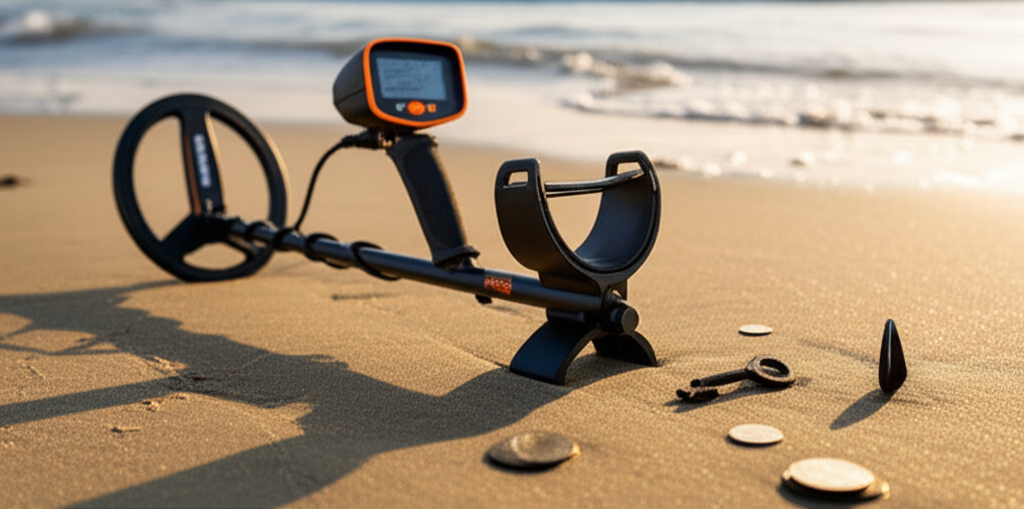
The beach is a fantastic place to use a metal detector. Many people lose valuable items in the sand. Finding these lost treasures can be very exciting. But choosing the right metal detector for the beach is important. This guide will help you pick the perfect tool for your beach detecting trips. We will look at what makes a detector good for sand and saltwater. Get ready to find some amazing things!
Why Beach Metal Detecting is So Rewarding
Beaches are like giant treasure chests. People drop rings, earrings, and coins all the time. They are often unaware they lost them. The sand moves around, sometimes burying these items deeper. Other times, waves bring them closer to the surface. This makes beaches prime spots for finding lost valuables. It’s a fun hobby that can also pay off.
Finding something special on the beach feels amazing. It could be a gold ring or an old coin. These finds connect you to the past. It’s also a great way to spend time outdoors. You get exercise and fresh air.
What Makes a Metal Detector Great for the Beach?
Not all metal detectors work well at the beach. Saltwater is a big challenge. It can cause false signals. Good beach detectors need special features. They must handle wet sand and saltwater. They also need to ignore the salty environment.
Look for detectors with good ground balance. This helps the detector ignore minerals in the sand. Waterproofing is also very important. You might want to detect in shallow water. A detector that can handle this is a big plus.
Key Features to Look For in Beach Metal Detectors
When choosing a metal detector for the beach, several features stand out. These features help you find more and enjoy the hunt. Let’s break down what matters most.
Waterproofing and Submersibility
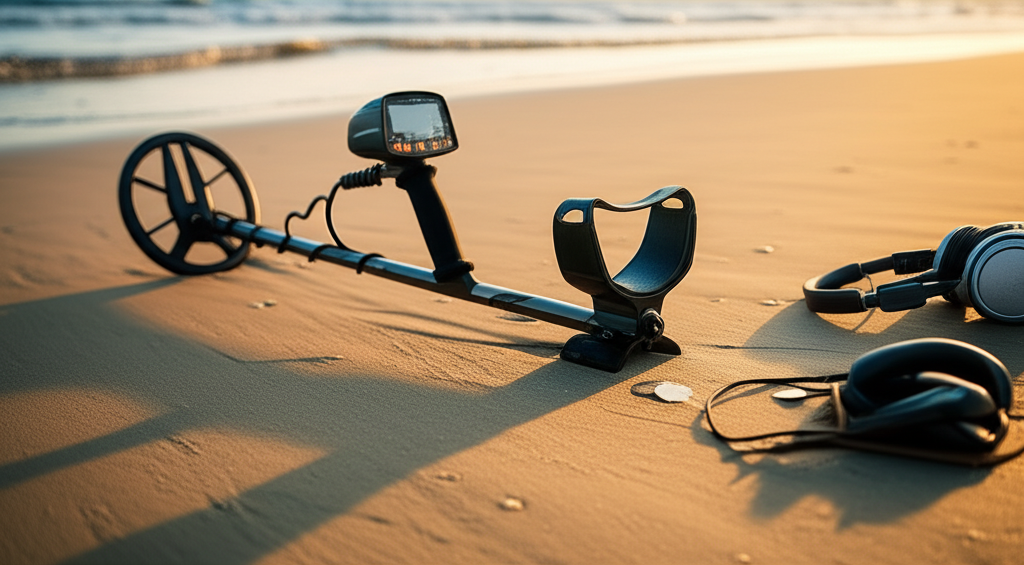
This is crucial for beach detecting. You’ll be in wet sand and possibly shallow water. A detector that is fully waterproof can go underwater. This opens up more hunting spots. Even a water-resistant detector is better than none. Check the depth rating if it’s submersible.
Saltwater Capability and Ground Balance
Saltwater contains minerals that confuse detectors. This can lead to lots of false signals. A good beach detector has special modes for saltwater. It can distinguish between minerals and real targets. Adjustable ground balance is key. It lets you tune the detector to the specific beach conditions.
Frequency and Coil Type
Higher frequencies are often better for small targets like gold rings. Lower frequencies can detect deeper for larger items. Many beach detectors use multiple frequencies. This gives you versatility. The coil is also important. A smaller coil is good for tight spots and shallow water. A larger coil can cover more ground.
Discrimination and Target ID
Discrimination helps you ignore junk targets. This means you won’t dig up as much trash. Target ID gives you a number. This number tells you what the target might be. For example, a ring might show a different ID than a bottle cap. This helps you decide whether to dig.
Top Metal Detectors for Beach Treasure Hunting
Based on my experience, certain detectors consistently perform well on the beach. They offer the right features for saltwater and sand. Here are a few I recommend.
Minelab Equinox 800: This is a very popular all-around detector. It works great on the beach. It has multiple frequencies. It’s also waterproof. The Equinox 800 is good for beginners and experienced users. It handles saltwater very well.
Garrett AT Gold: This is another excellent waterproof option. It’s designed for finding gold, but it’s great for all beach targets. It has good depth and sensitivity. It’s also submersible.
Nokta Makro PulseDive: This is a unique detector. It’s a submersible pinpointer that can also be used as a full detector. It’s very robust and simple to use. It’s perfect for shallow water searches.
Fisher CZ-21: This detector is built specifically for underwater use. It’s a bit older but still very effective. It has excellent saltwater performance. It’s a solid choice if you plan on serious underwater hunting.
These detectors are known for their reliability. They offer features that make beach hunting easier. Always check the latest models. Technology changes fast.
Understanding Beach Detecting Techniques
Finding treasure is not just about the detector. Your technique matters a lot. How you search the beach can make a big difference. Here are some tips for effective beach detecting.
Searching the Wet Sand and Water’s Edge
This is where most jewelry is lost. People often take off rings before swimming. The waves can wash them into the wet sand. Walk slowly along the water’s edge. Sweep your detector back and forth. Listen carefully for signals.
Working the Dry Sand and Dunes
The dry sand can hold older coins and relics. People often lose things while walking or picnicking. Search in patterns. Cover the area systematically. Dunes can be tricky. They shift with the wind. Look for areas where people gather.
Using a Pinpointer Effectively
A pinpointer is a small, handheld detector. It helps you pinpoint the exact location of a target in the dug-up sand. This saves a lot of time. Instead of sifting through a big pile of sand, you can quickly find the item. Dig a plug of sand and use your pinpointer inside the hole or in the sand plug.
Essential Gear for Beach Detectors
Besides a good metal detector, you need other tools. These tools make the whole process smoother. They help you dig safely and recover your finds.
Digging Tools: Sand Scoops and Trowels
You need a way to dig targets out of the sand. Sand scoops are excellent for wet sand. They have holes that let the sand drain. This makes digging faster. A sturdy trowel is good for dry sand. Always use tools that are made for beach conditions. Stainless steel is best.
Trash Pouch and Gloves
You will find a lot of trash on the beach. It’s important to pack it out. Bring a dedicated trash pouch or bag. Gloves protect your hands from sharp objects. They also keep your hands clean. Responsible detecting means leaving the beach cleaner than you found it.
Headphones and Carry Bag
Good headphones help you hear faint signals. They also block out noise from the waves and wind. A comfortable carry bag protects your detector. It makes it easy to transport your gear to and from the beach.
Before you start detecting, know the rules. Beaches have different regulations. Some allow detecting, while others have restrictions. Always check with local authorities. This could be the city or park service.
Respect other beachgoers. Don’t dig holes where people walk or play. Fill in all your holes neatly. Take your trash with you. Being a good detectorist means being a good steward of the beach. This ensures that detecting remains allowed for everyone.
Common Finds on the Beach
What can you expect to find? Beaches offer a variety of treasures. Some are common, and some are rare.
Coins: You’ll find modern coins like quarters and dimes. Sometimes, you’ll find older coins too. These can be valuable depending on their age and condition.
Jewelry: Rings, bracelets, and earrings are common finds. Gold and silver jewelry are especially sought after. Look for lost engagement rings.
Watches: Many people lose watches while swimming or playing. These can be simple or quite valuable.
Other Metal Items: You might find keys, belt buckles, zippers, or even old fishing lures. Some of these might have historical value.
The thrill of discovery is what makes it exciting. Every outing is a new adventure.
Advanced Beach Detecting Tips
Once you get comfortable, try these advanced tips. They can help you find more.
Understanding Different Beach Zones
Beaches have different zones. The wet sand near the water is called the surf zone. The dry sand further up is the upper beach. The dunes are behind the dry sand. Each zone holds different types of targets. Focus your search based on what you want to find.
Timing Your Hunts for Low Tide
Low tide is the best time to hunt the surf zone. The water recedes, exposing more sand. This allows you to search areas usually covered by water. Look for low tide charts for your local beach. Plan your hunts around them.
Using Different Coil Sizes and Frequencies
Switching coils can improve your finds. A smaller coil is good for shallow water and trashy areas. A larger coil can find deeper targets in open areas. Experiment with different frequencies on your detector. Some settings are better for gold. Others are better for general detecting.
FAQ: Your Beach Detecting Questions Answered
Here are some common questions beginners have about beach metal detecting.
Q1: Do I need a waterproof metal detector for the beach?
Yes, it is highly recommended. Beaches have wet sand and sometimes shallow water. A waterproof detector can handle these conditions better. It prevents damage and allows you to search more areas.
Q2: Can I use my regular metal detector on the beach?
Some detectors work okay on dry sand. But saltwater and wet sand can cause issues. They might give false signals. A detector designed for beach use will perform much better.
Q3: What is the best time of day to metal detect on the beach?
Early morning or late evening is often best. There are fewer people. The sun is not too hot. Low tide is also a great time to search the wet sand.
Q4: How deep can beach metal detectors find targets?
Depth depends on the detector, coil size, target size, and ground mineralization. Most good beach detectors can find targets from 6 to 12 inches deep. Larger targets or those in less mineralized soil will be found deeper.
Q5: What should I do if I find a valuable item?
If you find something valuable like jewelry, try to find the owner. Many beaches have lost and found areas. If you can’t find the owner, keep it. You might need to report significant finds to local authorities depending on local laws.
Q6: Is it legal to metal detect on all beaches?
No, it’s not. Some beaches have restrictions or prohibit metal detecting. Always check local rules and regulations before you start detecting. Respect private property signs.
Conclusion: Start Your Beach Treasure Hunt Today!
Metal detecting on the beach is an incredibly rewarding hobby. With the right metal detectors for the beach, you can uncover lost treasures. Look for features like waterproofing and good saltwater performance. Learn the best techniques for searching different beach zones. Always use appropriate digging tools and follow beach etiquette.
Armed with this knowledge, you are ready. Choose a detector that fits your needs and budget. Get out there and explore. Your ultimate beach finds are waiting beneath the sand. Happy hunting!
