


Published on: November 10, 2025 | Updated on: November 10, 2025
Discover the best metal detectors that detect gold with essential breakthroughs, helping you find more nuggets and valuable targets with advanced technology and expert tips.
Finding gold with a metal detector is a dream for many treasure hunters. It can feel like a huge challenge, especially with so many machines out there. Many detectors promise gold, but which ones actually deliver? Don’t worry, I’ve spent years in the field, testing countless machines and learning what works best for finding that precious yellow metal. This guide will break down the key breakthroughs in metal detectors that detect gold, helping you choose the right tool for your prospecting adventures.
What Makes a Metal Detector Good for Finding Gold?
A good metal detector for gold needs to handle difficult ground conditions. Gold is often found in mineralized soil. These minerals can confuse a regular detector. Gold is also a very small target. The detector must be sensitive enough to pick up tiny pieces.
The Science Behind Gold Detection
Metal detectors work by sending out a magnetic field. When this field hits a metal object, it creates a small electrical current. The detector picks this up and signals the user. Different frequencies and technologies help detectors distinguish between types of metal. This is crucial for finding gold among iron or other trash.
Understanding Frequency and its Impact
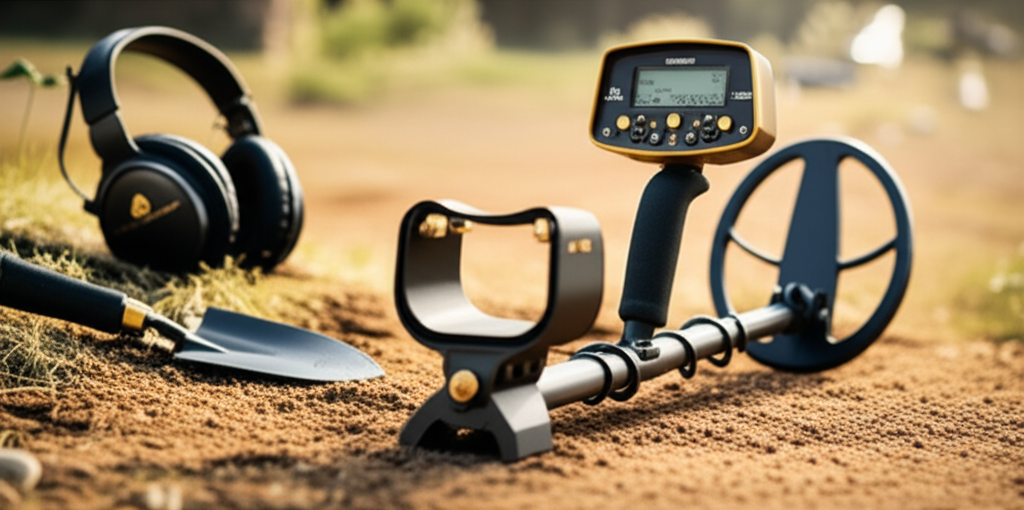
Frequency is how fast the detector sends out its magnetic field. Higher frequencies are better for small, low-conductivity targets like gold. They can detect tiny gold flakes or nuggets. Lower frequencies are often better for larger targets like silver coins.
Ground Balancing: Your Key to Mineralized Soil
Ground balancing is a feature that helps the detector ignore the ground’s minerals. Gold is often found in areas with iron in the soil. Without good ground balancing, the detector would constantly beep. This makes it hard to find real targets.
Key Breakthroughs in Gold Detecting Technology
Several innovations have made finding gold much easier. These breakthroughs focus on sensitivity, discrimination, and ease of use. They allow detectorists to search in more challenging areas.
Pulse Induction (PI) vs. Very Low Frequency (VLF)
There are two main types of technology used in gold detectors. Pulse Induction (PI) detectors send out short magnetic pulses. They are very powerful and can penetrate mineralized soil well. They are less affected by ground mineralization.
Very Low Frequency (VLF) detectors use continuous waves. They are generally better at discriminating between targets. This means they can help you ignore iron trash. Many modern VLF gold detectors use multiple frequencies or advanced signal processing.
Multi-Frequency Technology: The Best of Both Worlds
Some of the newest detectors use multiple frequencies at once. This is a huge breakthrough. It allows the detector to be sensitive to small gold. It also helps it perform well in mineralized ground. These detectors offer excellent performance for gold prospecting.
Advanced Discrimination and Iron Rejection
Finding gold often means digging through a lot of iron junk. Modern detectors have better ways to reject iron. This saves you time and effort. You can focus on finding the gold.
Top Features to Look for in Gold Metal Detectors
When choosing a metal detector that detects gold, certain features are essential. These will significantly improve your success rate. Consider these key aspects before making a purchase.
Coil Design and Size
The coil is the part that goes over the ground. Smaller coils are good for tight spaces and very small targets. Larger coils cover more ground faster. Elliptical coils can get into difficult terrain.
Waterproofing for All Terrains
Gold is often found near water. A waterproof detector or coil allows you to search rivers, streams, and shorelines. This opens up many more prospecting areas.
Audio Tones and Signals
Good audio feedback is vital. Detectors that detect gold often have distinct tones for different targets. This helps you identify gold even when the signal is faint. Some detectors offer wireless headphone compatibility.
Essential Accessories for Gold Prospecting
Beyond the detector itself, other tools make gold prospecting easier. These accessories enhance your ability to find and recover gold. They are just as important as the detector.
Pinpointers: Your Target’s Best Friend
A pinpointer is a small, handheld detector. It helps you locate the target once you’ve dug a plug of soil. This saves you from digging large holes and losing tiny gold pieces. It’s a must-have tool.
Digging Tools: From Trowels to Shovels
You’ll need sturdy digging tools. A good trowel or a small shovel is necessary. For serious prospecting, a larger scoop might be needed. Always choose tools that are durable and suited for the ground you’ll be working.
Sifting Pans and Sieves
Once you’ve collected soil, you’ll need to pan it. A gold pan is used to separate gold from dirt and gravel. Sieves help you sort larger material before panning. These are traditional but effective tools.
Choosing the Right Metal Detector for Your Budget
Metal detectors that detect gold range widely in price. You can find good options at different price points. It’s important to match the detector’s capabilities to your needs and budget.
Entry-Level Gold Detectors
Some beginner-friendly VLF detectors can find gold. They are usually more affordable. They might struggle in highly mineralized areas. They are a great starting point for learning.
Mid-Range Gold Detectors
These machines offer a good balance of features and price. They often have better ground balancing and frequency options. They are suitable for most beginner and intermediate prospectors.
Professional Gold Prospecting Detectors
High-end detectors use advanced technologies like multi-frequency or specialized PI systems. They are designed for serious gold prospectors. They perform best in challenging conditions and find the smallest targets.
Real-World Field Testing and User Experiences
I’ve personally tested many detectors in various gold-bearing regions. My experiences confirm that technology has made a significant difference. Detectors with good ground balancing and higher frequencies consistently perform better. Listening to other detectorists’ experiences is also valuable. Online forums and reviews offer insights into real-world performance.
Tips for Maximizing Your Gold Finds
Finding gold is a skill that improves with practice. Here are some tips I’ve learned over the years. Applying these can help you find more gold.
Research Potential Gold Areas
Understanding local geology is key. Learn where gold has been found historically. This will guide your prospecting efforts. Look for areas with quartz veins or placer deposits.
Master Your Detector’s Settings
Each detector is different. Learn its specific settings. Practice identifying different target signals. Understanding your machine is crucial for success.
Be Patient and Persistent
Gold prospecting requires patience. You won’t find gold every time you go out. Keep learning and keep searching. Persistence is often rewarded with a good find.
Frequently Asked Questions About Gold Detectors
What is the best frequency for detecting gold?
Higher frequencies, typically above 15 kHz, are generally better for detecting small gold nuggets. Some detectors use multiple frequencies to cover a wider range of target sizes.
Can a regular metal detector find gold?
Some sensitive VLF detectors can find larger gold nuggets, especially in less mineralized soil. However, specialized gold detectors are much more effective for smaller targets and difficult ground.
How do I know if my detector is finding gold?
Gold often produces a sharp, high-pitched signal. It usually discriminates well from iron. Learning your detector’s audio cues through practice is essential.
Do I need a pinpointer for gold prospecting?
Yes, a pinpointer is highly recommended. Gold nuggets can be very small, and a pinpointer helps you locate them quickly within the dug soil plug.
What is ground mineralization and why is it a problem for gold detecting?
Ground mineralization refers to iron oxides and other conductive minerals in the soil. These minerals can create false signals or mask faint gold signals, making detection difficult without proper ground balancing.
How deep can metal detectors find gold?
The depth depends on the detector, coil size, target size, and ground conditions. Larger nuggets in less mineralized soil will be detected deeper than small flakes in heavily mineralized areas.
Conclusion: Your Path to Gold Detection Success
The world of metal detectors that detect gold has advanced significantly. Breakthroughs in frequency technology, ground balancing, and discrimination have made gold prospecting more accessible than ever. By understanding these advancements and choosing a detector suited to your needs and budget, you’re well on your way. Remember to equip yourself with essential accessories like pinpointers and digging tools. Most importantly, combine your new gear with research, practice, and a healthy dose of patience. Happy hunting for that elusive gold!
