


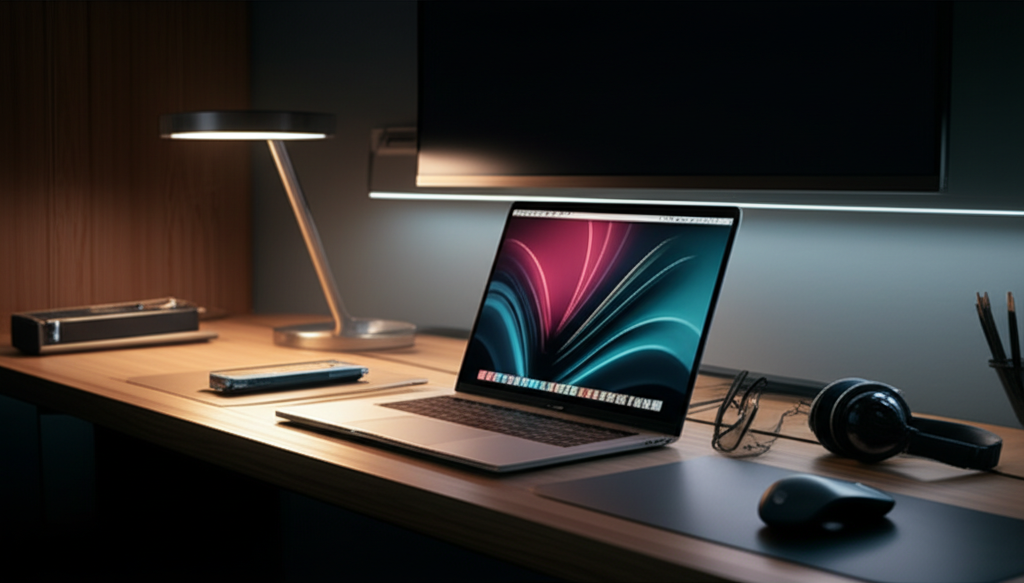
Published on: September 20, 2025 | Updated on: September 20, 2025
Transform your workspace with modern office LED backlighting, a genius upgrade that enhances aesthetics, reduces eye strain, and boosts productivity. Discover why this essential element is a game-changer for any home office setup.
The glow of a screen in a dimly lit room can be a familiar, yet often uncomfortable, scene for many of us working from home. It’s easy to overlook the impact of lighting on our focus and well-being, leading to tired eyes and a less-than-inspiring workspace. But what if a simple, stylish addition could dramatically improve your home office experience? We’re talking about the magic of LED backlighting. This isn’t just about aesthetics; it’s a smart, essential upgrade that can make your modern office feel more inviting, functional, and a true sanctuary for productivity. Let’s explore why this is more than just a trend, and how it can become the genius centerpiece of your workspace.
The Underrated Power of Light in Your Workspace

Light plays a far more significant role in our daily lives than we often realize, especially when it comes to our work environments. The quality and type of light we expose ourselves to can directly influence our mood, energy levels, and even our ability to concentrate. Harsh overhead lighting can create glare and eye strain, while insufficient light can lead to fatigue and a general sense of sluggishness. Understanding these effects is the first step toward creating a workspace that truly supports you.
This section will delve into the fundamental principles of workplace lighting and how it impacts our physical and mental state throughout the workday. We’ll explore the science behind why good lighting is crucial for productivity and well-being.
Why Lighting Matters for Productivity and Well-being
Our circadian rhythm, the body’s internal clock, is heavily influenced by light exposure. Natural daylight signals our bodies to be alert and awake, while dimmer, warmer light helps us wind down. In a home office, replicating these natural light cycles can be incredibly beneficial. Proper lighting can reduce eye strain, minimize headaches, and improve overall mood, all of which contribute to a more productive and enjoyable workday.
Poor lighting can manifest in several ways, from physical discomfort to diminished cognitive function. Glare from screens, shadows cast by inadequate light sources, and the wrong color temperature can all contribute to a less-than-ideal working environment. These issues aren’t just minor annoyances; they can significantly hinder your ability to focus and perform at your best.
The Downsides of Traditional Home Office Lighting
Many home offices start with the most basic lighting solutions – a single overhead fixture or a desk lamp that casts harsh shadows. These setups often lack versatility and can create an environment that feels sterile or uninspiring. The constant battle against glare on your monitor and the strain on your eyes can become a daily struggle.
Overhead lighting, while functional, often fails to provide ambient warmth or reduce contrast effectively. Desk lamps can be too focused, leaving the rest of your surroundings dark and creating a stark visual imbalance. This lack of balanced illumination can make your workspace feel less welcoming and more taxing on your visual system over long periods.
Introducing LED Backlighting: A Modern Office Essential
LED backlighting offers a sophisticated solution to the common lighting challenges faced in home offices. It’s a versatile technology that can be integrated in numerous ways to enhance your workspace’s ambiance and functionality. This type of lighting isn’t just about illuminating your desk; it’s about creating a more immersive and comfortable visual experience.
This section will introduce the concept of LED backlighting and its specific applications within a modern office setting. We’ll highlight why it’s become an essential component for those seeking a stylish and functional workspace.
What Exactly is LED Backlighting?
LED backlighting involves using light-emitting diodes (LEDs) to cast a soft, diffused light behind a monitor, TV, or other display. In the context of a modern office, this typically refers to placing LED strips or panels behind your computer monitor, desk, or even along shelves and wall accents. The goal is to create a gentle glow that reduces the stark contrast between your bright screen and the darker surrounding environment.
Unlike direct lighting, which can be harsh, LED backlighting provides indirect illumination. This diffused light source softens the overall lighting in your workspace, making it easier on your eyes and creating a more pleasant atmosphere. It’s a subtle yet powerful way to upgrade your office’s visual appeal and comfort.
Why LED Backlighting is Genius for Your Workspace
The genius of LED backlighting lies in its ability to solve multiple problems simultaneously. It significantly reduces eye strain by providing a softer, more balanced light environment. This makes prolonged screen time much more comfortable, helping to prevent fatigue and headaches.
Beyond the ergonomic benefits, LED backlighting adds a touch of modern sophistication to any office. It creates a visually appealing ambiance, making your workspace feel more professional and inviting. This can positively impact your mood and motivation, turning a utilitarian space into a place you genuinely enjoy spending time in.
The Multifaceted Benefits of LED Backlighting
LED backlighting is more than just a trendy addition; it offers a range of tangible benefits that directly contribute to a more productive and healthier work environment. From reducing physical strain to enhancing the aesthetic appeal of your space, its advantages are numerous and impactful.
This section will explore the specific benefits you can expect by incorporating LED backlighting into your modern office setup. We’ll cover how it impacts your eyes, your mood, and the overall feel of your workspace.
Reducing Eye Strain and Fatigue
One of the most significant advantages of LED backlighting is its effectiveness in combating eye strain. Staring at a bright screen in a dimly lit room creates a high contrast that forces your eyes to constantly adjust, leading to fatigue, dryness, and headaches. By illuminating the area behind your monitor, LED backlighting softens this contrast, providing a more comfortable viewing experience.
This gentle illumination helps your eyes relax by creating a more balanced visual field. When the brightness of your screen is closer to the ambient light of your surroundings, your visual system doesn’t have to work as hard. This makes it possible to work for longer periods without discomfort, boosting your endurance and focus.
Enhancing Ambiance and Aesthetics
Beyond its functional benefits, LED backlighting is a powerful tool for interior design. It can transform a plain desk or wall into a focal point, adding depth and visual interest to your office. The ability to choose from a spectrum of colors allows you to tailor the mood of your workspace to your preferences or even your current task.
A soft, ambient glow can make your office feel more sophisticated and inviting, whether you’re on a video call or simply enjoying your work. It’s a simple yet effective way to elevate the design of your home office from functional to fabulous, reflecting your personal style.
Improving Focus and Productivity
While not a direct productivity tool in itself, the comfort and ambiance created by LED backlighting indirectly foster better focus. When you’re not battling eye strain or feeling uninspired by your surroundings, you’re more likely to stay engaged with your work. A visually pleasing and comfortable environment can significantly boost your motivation.
The subtle glow can also help to define your workspace, creating a dedicated zone that signals to your brain that it’s time to concentrate. This psychological cue, combined with the physical comfort, can lead to more sustained periods of deep work.
Customizable Lighting for Mood and Task
The versatility of LED lighting is a major draw. Many LED strips come with remote controls or app connectivity, allowing you to adjust brightness, color temperature, and even dynamic lighting effects. This means you can tailor the lighting to suit different tasks or moods throughout the day.
For example, you might opt for a cool, bright white light in the morning to enhance alertness, and switch to a warmer, softer glow in the afternoon to promote relaxation. This level of customization ensures your workspace lighting is always optimized for your needs.
Types of LED Backlighting for Your Modern Office
When you decide to integrate LED backlighting into your modern office, you’ll find a variety of options available. Each type offers unique installation methods and aesthetic possibilities, allowing you to choose what best fits your space and your vision.
This section will guide you through the different types of LED backlighting solutions suitable for home offices. We’ll discuss their features and how they can be applied.
LED Light Strips
LED light strips are perhaps the most popular and versatile option. These flexible strips contain multiple LEDs and can be easily adhered to the back of monitors, under desks, along shelves, or around architectural features. They are often cuttable to size, making them adaptable to various shapes and lengths.
Many LED strips come with adhesive backing for simple peel-and-stick installation. They can be powered via USB, typically connecting to your computer or a wall adapter. The ability to choose between single-color or RGB (color-changing) options provides ample customization.
LED Light Bars and Panels
For a more integrated or diffused lighting effect, LED light bars and panels are excellent choices. Light bars can be mounted discreetly behind monitors or along the edges of desks. Panels, on the other hand, can be used for larger-scale ambient lighting, mounted on walls or ceilings to create a soft, diffused glow.
These options often provide a more uniform light output compared to strips, which can be preferable for certain aesthetics. Installation might require a bit more effort, but the result is often a cleaner, more professional look.
Smart LED Systems
For the ultimate in control and integration, smart LED systems offer advanced features. These systems can often be controlled via smartphone apps, voice commands (e.g., Alexa, Google Assistant), and can be programmed for schedules or linked to other smart home devices.
Smart LEDs also offer a wider range of color and brightness options, and some even feature dynamic effects that can mimic natural light patterns. While typically more expensive, they provide unparalleled convenience and customization for your modern office.
Integrating LED Backlighting: Design and Installation Tips
Successfully integrating LED backlighting into your modern office requires a thoughtful approach to both design and installation. The goal is to create a harmonious blend of functionality and aesthetics, ensuring the lighting enhances rather than distracts from your workspace.
This section will provide practical advice on how to best incorporate LED backlighting into your office design, covering placement, power sources, and control options.
Strategic Placement for Maximum Impact
The placement of your LED backlighting is key to achieving the desired effect. For monitors, aim to place the lights evenly along the back edge, ensuring the light diffuses outwards without creating direct glare on the screen itself. This creates a halo effect that softens the visual transition.
Consider also backlighting elements like shelves, desk edges, or even behind artwork to add depth and dimension to your room. The idea is to create layers of light that make your space feel more dynamic and less flat.
Powering Your LEDs: USB vs. Wall Adapters
When choosing LED backlighting, consider how you will power it. Many LED strips and light bars are USB-powered, making them incredibly convenient for home offices. You can simply plug them into a spare USB port on your computer or a USB wall adapter.
For more powerful or complex setups, you might opt for LED systems that use dedicated wall adapters. This ensures a stable power supply, especially if you’re running multiple strips or brighter lights. Always check the power requirements of your chosen LEDs.
Control Options: Remotes, Apps, and Smart Home Integration
The way you control your LED backlighting will significantly impact your user experience. Basic LED strips often come with simple infrared (IR) remote controls, which are straightforward to use but require direct line of sight. For more advanced control, consider app-controlled LEDs.
Smart LED systems offer the most flexibility, allowing you to control your lighting via smartphone apps or integrate them with your existing smart home ecosystem. This enables voice control, scheduling, and the creation of custom lighting scenes.
Installation Best Practices
Most LED light strips come with strong adhesive backing, making installation relatively simple. Ensure the surface you’re applying them to is clean and dry for optimal adhesion. If you need to cut strips to size, do so only at the designated cut points to avoid damaging the circuitry.
For more permanent installations or when dealing with heavier light bars or panels, you might need to use mounting clips or brackets. Always follow the manufacturer’s instructions for the specific product you are using.
Beyond the Monitor: Creative LED Backlighting Ideas
While backlighting your computer monitor is a popular and effective use of LED technology, the possibilities extend far beyond. Think creatively about how ambient lighting can enhance different aspects of your modern office, turning it into a truly inspiring and personalized space.
This section will explore innovative ways to use LED backlighting to elevate the design and functionality of your entire home office.
Under-Desk Illumination
Adding LED strips beneath your desk can create a soft, floating effect, adding a modern touch and improving visibility in that often-dark area. This can make your workspace feel more expansive and less grounded.
This subtle lighting can also help reduce the stark contrast between your desk surface and the floor, contributing to a more balanced visual environment. It’s an excellent way to add a touch of sophistication without overpowering your main work area.
Shelf and Cabinet Accent Lighting
Illuminate your bookshelves or display cabinets with LED strips to highlight your favorite items and add depth to your office. This turns functional storage into a decorative feature, making your office feel more curated and personalized.
This type of accent lighting can make your office feel warmer and more inviting, especially during evening hours. It draws attention to your personal touches and creates a cozy atmosphere.
Wall Art and Architectural Feature Highlighting
Use LED lighting to draw attention to specific pieces of wall art or interesting architectural features in your office. A well-placed strip can create dramatic shadows and highlight textures, adding a professional gallery feel to your space.
This creative use of light can transform plain walls into dynamic displays, showcasing your personality and design sensibilities. It’s a sophisticated way to make your office truly unique.
Creating a Productive Mood with Color
The color of your LED lighting can have a profound impact on your mood and focus. Experiment with different colors to see what works best for you. Blue and green hues are often associated with calmness and concentration, while warmer tones like orange and yellow can boost energy and creativity.
Many smart LED systems allow you to create custom lighting scenes for different tasks. For instance, a “focus” scene might use cool white light, while a “creative” scene could incorporate warmer, more vibrant colors.
Choosing the Right LED Backlighting Products
With so many options available, selecting the right LED backlighting products can feel overwhelming. Consider your budget, desired features, and ease of installation when making your choice to ensure you get the best value for your modern office upgrade.
This section will provide guidance on what to look for when purchasing LED backlighting, helping you make an informed decision.
Key Features to Consider
Brightness (Lumens): While backlighting is often about diffusion, some applications might require more brightness. Check the lumen output if you need significant ambient light.
Color Options: Decide if you want a single, static color (like warm white or cool white) or if you desire the flexibility of RGB (millions of color options).
Color Temperature (Kelvin): For white light, consider the color temperature. Lower Kelvin (e.g., 2700K-3000K) is warmer and more relaxing, while higher Kelvin (e.g., 5000K-6500K) is cooler and more energizing.
Dimmability: The ability to dim your lights is crucial for adjusting ambiance and reducing eye strain.
Control Method: Will you use a remote, an app, or smart home integration? Ensure the control method suits your preference.
Water Resistance (IP Rating): While not critical for most indoor office setups, a higher IP rating indicates better protection against dust and moisture.
Adhesive Quality: For light strips, good quality adhesive is essential for a secure and long-lasting installation.
Power Source: USB-powered options are convenient for desks, while wall adapters might be needed for more demanding setups.
Popular Brands and Where to Buy
Several reputable brands offer high-quality LED lighting solutions. Govee and TP-Link (Kasa) are well-known for their smart LED strips and affordable RGB options with app control. Philips Hue is a premium choice offering sophisticated smart lighting systems with excellent color rendering and integration capabilities. For more basic, budget-friendly options, brands like Minger or HitLights can be found on online marketplaces.
You can typically purchase these products from major online retailers like Amazon, Best Buy, or directly from the manufacturers’ websites. Always read customer reviews to gauge product quality and reliability.
Budget Considerations
LED backlighting solutions range widely in price. Simple, single-color USB-powered LED strips can be found for as little as $15-$30. RGB LED strips with remote controls typically fall in the $20-$50 range. Smart LED systems, especially those from premium brands like Philips Hue, can cost $100 or more for a starter kit.
Determine your budget before you start shopping. For a modern office with LED backlighting, even a modest investment can yield significant improvements in comfort and aesthetics.
Maintaining Your LED Backlighting Setup
Once you’ve installed your LED backlighting, a little bit of care will ensure it continues to function optimally and enhance your workspace for years to come. Proper maintenance is straightforward and contributes to the longevity of your setup.
This section offers simple tips for keeping your LED lights in top condition.
Cleaning and Care
Keep your LED strips and fixtures clean by gently wiping them with a soft, dry cloth. If more thorough cleaning is needed, use a slightly damp cloth, ensuring no moisture gets into the electrical components. Avoid using harsh chemicals or abrasive cleaners, as they can damage the LEDs or the strip’s surface.
Regularly check the adhesive to ensure it remains secure. If a section begins to peel, you can often reapply it with a stronger adhesive tape designed for electronics.
Checking Connections and Power
Periodically inspect all connections, especially if you’re using multiple strips or extensions. Ensure all wires are securely plugged in and that there’s no visible damage. If you’re using a USB connection, make sure the port is functioning correctly.
If your lights flicker or dim unexpectedly, it could indicate a loose connection or a power issue. Addressing these small problems promptly can prevent more significant issues down the line.
Software and Firmware Updates (for Smart LEDs)
If you’re using smart LED systems, make sure to keep their associated apps and firmware updated. Manufacturers regularly release updates to improve performance, add new features, and enhance security. These updates are usually managed through the product’s mobile app.
Following these simple maintenance steps will help ensure your modern office with LED backlighting remains a brilliant and functional part of your workspace.
Addressing Common Concerns About LED Backlighting
As with any technology, there might be some hesitations or questions about incorporating LED backlighting into your home office. Understanding these common concerns can help you make a confident decision about this smart upgrade.
This section addresses typical questions and concerns to provide a clearer picture of LED backlighting’s practicality and benefits.
Is LED Backlighting Safe for My Eyes?
Yes, when used correctly, LED backlighting is designed to be safe and even beneficial for your eyes. Its primary function is to reduce the harsh contrast between your screen and the surrounding environment, which is a major cause of eye strain. By softening this contrast, it makes prolonged screen use more comfortable.
However, it’s always important to maintain proper screen brightness, take regular breaks, and ensure your overall workspace lighting is adequate. LED backlighting complements, rather than replaces, good lighting practices.
Will it Affect My Monitor’s Performance?
No, LED backlighting is an external light source and will not interfere with your monitor’s display performance. It operates independently of your monitor’s internal lighting system. In fact, by reducing eye strain, it can indirectly help you maintain focus and productivity, potentially improving your perceived performance.
The light is typically positioned behind the monitor, casting a diffuse glow on the wall or desk behind it, so it doesn’t directly impact the image you see on your screen.
Is Installation Difficult?
For most LED light strips, installation is very simple and requires no special tools. They typically come with a strong adhesive backing that allows you to peel and stick them directly onto the desired surface. Many are also cuttable, so you can adjust them to the perfect length for your setup.
More complex installations, like mounting LED panels or integrating them into custom fixtures, might require basic DIY skills or professional help, but these are less common for typical home office backlighting.
Are They Energy Efficient?
Yes, LED (Light Emitting Diode) technology is renowned for its energy efficiency. LEDs consume significantly less power than traditional incandescent or fluorescent bulbs, meaning they are both environmentally friendly and cost-effective to run. This makes them an excellent choice for continuous use in a home office.
The low power consumption also means that many LED strips can be safely powered via USB ports without overloading your computer or requiring an extra wall socket.
Can I Use Them with Any Monitor or Desk Setup?
Generally, yes. LED backlighting is highly versatile. Light strips can be applied to the back of virtually any monitor, TV, or display. They can also be adhered to under desk surfaces, shelves, or walls. The main considerations are ensuring the surface is clean and smooth enough for the adhesive to stick properly.
For curved monitors, you might need to use multiple shorter strips or flexible connectors to achieve a seamless effect.
The Future of Home Office Lighting: Smart Integration
The evolution of home office design is increasingly tied to smart technology, and LED backlighting is at the forefront of this integration. As our workspaces become more connected and personalized, smart lighting solutions will play an even more crucial role in enhancing both function and form.
This section looks ahead at how LED backlighting is evolving and its place in the future of productive and comfortable home offices.
Seamless Integration with Smart Home Ecosystems
The trend towards smart homes means that devices are increasingly designed to work together. Smart LED backlighting systems can be integrated with popular platforms like Amazon Alexa, Google Home, and Apple HomeKit. This allows for voice control, automation, and synchronization with other smart devices.
Imagine your lights dimming automatically when you start a movie, or turning on with a voice command as you enter your office. This level of integration makes managing your workspace lighting effortless and intuitive.
Dynamic Lighting for Enhanced Well-being
Future advancements in LED technology are focusing on dynamic lighting that mimics natural daylight patterns. These systems can adjust color temperature and brightness throughout the day to support your body’s natural circadian rhythm. This can lead to improved sleep patterns, increased alertness during work hours, and a greater sense of overall well-being.
These adaptive lighting solutions are moving beyond simple mood setting to actively contribute to your health and productivity.
Personalized Workspaces Through Advanced Control
As LED technology becomes more sophisticated, the level of personalization for home office lighting will continue to grow. Users will have even finer control over color, intensity, and dynamic effects, allowing them to create truly unique and responsive workspaces. This could include setting specific lighting profiles for different types of work or even synchronizing lighting with music or ambient sounds.
The modern office with LED backlighting is not just about illumination; it’s about creating an environment that is perfectly tuned to the individual user’s needs and preferences.
Conclusion: Elevate Your Workspace with Genius Lighting
In the quest for a more productive, comfortable, and aesthetically pleasing home office, the humble LED light strip offers a surprisingly powerful solution. The modern office with LED backlighting has moved from a niche trend to an essential upgrade, providing a genius way to enhance your workspace. By reducing eye strain, improving ambiance, and offering unparalleled customization, it directly contributes to your well-being and efficiency.
Don’t underestimate the impact of good lighting. Integrating LED backlighting is a simple yet profound step towards creating a home office that you’ll love working in. It’s an investment in your comfort, your focus, and the overall quality of your work life.
Frequently Asked Questions
What is the best color temperature for home office LED backlighting?
For reducing eye strain, a neutral to cool white (around 4000K-5000K) is often recommended for daytime work as it promotes alertness. However, many users prefer warmer tones (2700K-3000K) for a cozier ambiance or for use in the evenings. Smart LEDs allow you to switch between these.
How do I connect LED backlighting to my computer?
Most LED strips are powered by USB. You can plug them directly into a USB port on your computer, a USB hub, or a USB wall adapter. Ensure your computer’s USB ports can provide sufficient power.
Can LED backlighting be used with curved monitors?
Yes, but it might require a bit more planning. You can use multiple shorter strips connected with flexible wires or connectors to follow the curve, or simply apply strips to the straight edges for a partial effect.
Will LED backlighting drain my laptop battery if powered via USB?
LEDs are very energy-efficient. A typical LED strip will draw minimal power, so using it with a laptop via USB should have a negligible impact on battery life during typical work sessions.
How do I prevent the LED lights from being visible directly?
The key is diffusion. Position the LED strips so the light bounces off a surface (like your wall or desk) before reaching your eyes. For monitor backlighting, placing the strip along the outer edge ensures the light is cast outwards, creating a halo effect rather than direct glare.
What’s the difference between LED strips and LED light bars for backlighting?
LED strips are flexible and often come in long rolls that can be cut to size, making them versatile for various shapes. LED light bars are rigid and typically offer a more focused or linear light output, often used for more direct accent lighting or larger setups.
