


Published on: October 15, 2025 | Updated on: October 15, 2025
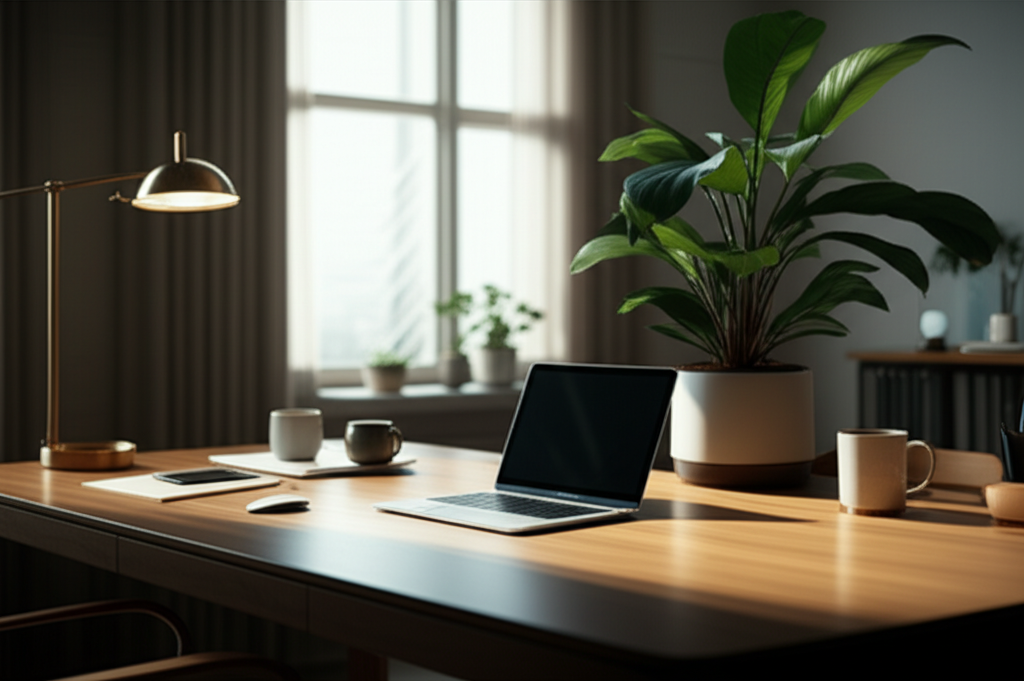
Transform your workspace with an office desk featuring a plant aesthetic. Discover how to blend nature and productivity for a calming, inspiring, and efficient home office.
Creating a home office that feels both productive and peaceful can be a challenge. Many of us struggle to find the right balance between functionality and a welcoming atmosphere. If your workspace feels sterile or uninspiring, you’re not alone. But what if a touch of nature could be the key to unlocking better focus and a happier workday? Let’s explore how an office desk with a plant aesthetic can bring essential green style into your life.
What is an Office Desk With Plant Aesthetic?

An office desk with a plant aesthetic is a workspace designed to incorporate natural elements, primarily plants, into its design and decor. This approach focuses on bringing the calming and refreshing qualities of nature into your work environment. It’s about creating a desk setup that feels alive, serene, and conducive to both focus and well-being.
This style goes beyond simply placing a pot on your desk. It involves thoughtfully integrating greenery to enhance the visual appeal and functional benefits of your workspace. Imagine a desk where plants are a central part of the design, contributing to a more organic and less clinical feel. This aesthetic aims to make your office a sanctuary, not just a place to work.
Why Plants Boost Your Home Office Productivity
Plants are more than just decoration; they are powerful productivity boosters. Studies show that having plants in your workspace can reduce stress and increase focus. They improve air quality, which can make you feel more alert and energized. This natural uplift can lead to better concentration and fewer errors.
When you feel calmer and more focused, your work quality improves. Plants create a more pleasant environment, making you less likely to feel drained. This makes long work hours feel more manageable and less taxing. A few green friends on your desk can make a big difference in how you feel and perform.
Choosing the Right Plants for Your Desk
Selecting the perfect plants for your office desk involves considering a few key factors. You need plants that are easy to care for and can thrive in typical office conditions. Low light and occasional watering are often the best choices for busy professionals. Think about the size of your desk and the plant too.
Some excellent beginner-friendly options include the Snake Plant (Sansevieria), the ZZ Plant (Zamioculcas zamiifolia), and the Pothos (Epipremnum aureum). These plants are hardy and can tolerate a range of light conditions. They also help purify the air, adding another layer of benefit to your workspace.
Snake Plant: Tolerates low light and infrequent watering. Adds a modern, upright look.
ZZ Plant: Extremely drought-tolerant and can survive in very low light. Has glossy, dark green leaves.
Pothos: Easy to grow and can trail from shelves or pots. Comes in various leaf patterns.
Spider Plant: Adaptable to different light levels and produces “babies” that can be repotted.
These plants offer both aesthetic appeal and practical benefits without demanding too much attention. They are a great starting point for anyone new to office plants.
Desk Designs That Embrace the Plant Aesthetic
Many desk designs naturally lend themselves to incorporating a plant aesthetic. Look for desks with built-in planters or shelves that can easily hold greenery. Natural materials like wood also complement the organic feel of plants beautifully. A minimalist desk can also serve as a perfect canvas for a few well-chosen plants.
Consider desks with tiered surfaces or integrated dividers. These can create different levels for placing plants, adding depth to your setup. A simple wooden desk can feel instantly more vibrant with a small succulent or a trailing vine. The key is to choose a desk that allows plants to be a natural extension of the design.
Desks with Integrated Planters: Some modern desks come with built-in pots.
Shelving Units: Attachable shelves or hutch shelves provide vertical space for plants.
Natural Wood Finishes: Wood tones pair perfectly with green foliage.
Minimalist Designs: A clean desk allows plants to stand out as focal points.
These design elements help ensure your plants become a seamless and intentional part of your workspace. They elevate the entire look and feel of your office.
Styling Your Office Desk With Plants: A Step-by-Step Guide
Creating your ideal office desk with a plant aesthetic is a rewarding process. Start by assessing your desk space and the light available. Then, choose your plants based on these conditions and your personal style. Finally, arrange them thoughtfully to create a balanced and inspiring look.
Here’s how to get started:
1. Assess Your Space: Look at the size of your desk and the amount of natural light it receives. This will help you choose the right plants and pots.
2. Select Your Plants: Pick plants that suit your light conditions and are easy to care for. Consider size and shape for visual interest.
3. Choose Complementary Pots: Select pots that match your desk’s style and your personal décor. Materials like ceramic, terracotta, or even natural wood can work well.
4. Arrange Your Greenery: Place larger plants in the back or on the sides. Use smaller plants or succulents closer to you. Consider trailing plants for a cascading effect.
5. Add Other Natural Elements: Incorporate other natural textures like wood, stone, or natural fibers in your accessories. This enhances the overall plant aesthetic.
6. Maintain Your Plants: Set a simple watering schedule and ensure your plants get adequate light. Healthy plants look best and provide the most benefits.
Following these steps will help you build a beautiful and functional plant-filled desk. It’s about creating a space that supports your work and well-being.
The Benefits of a Biophilic Office Desk Setup
Embracing a biophilic office desk setup means connecting your workspace with nature. Biophilia is the idea that humans have an innate tendency to seek connections with nature. This setup leverages that instinct to improve your work life. It’s about creating an environment that feels more natural and restorative.
The benefits are numerous, extending beyond just looking nice. You’ll likely experience reduced stress levels and improved mood. This can lead to increased creativity and problem-solving skills. A biophilic design can even help reduce fatigue and improve air quality. It transforms your desk into a haven of calm and productivity.
Integrating Lighting and Accessories with Your Plant Aesthetic
Good lighting is crucial for both your plants and your productivity. Natural light is best, but if your desk doesn’t get enough sun, consider a grow light. Choose lamps with a warm, natural light spectrum that mimics sunlight. This will help your plants thrive and create a more pleasant ambiance for you.
Accessories should complement the green theme without cluttering your desk. Think about wooden desk organizers, stone coasters, or nature-inspired mousepads. A small water mister can keep your plants happy and add a touch of gentle sound. These elements tie everything together, enhancing the office desk with plant aesthetic.
Desk Lamps: Opt for LED lamps with adjustable brightness and color temperature.
Grow Lights: Small, discreet grow lights can support plants in low-light areas.
Natural Material Organizers: Wooden pen holders, bamboo trays, and stone containers work well.
Nature-Inspired Decor: Artwork, coasters, or mousepads featuring natural scenes or patterns.
These thoughtful additions amplify the natural feel of your workspace. They ensure both form and function are met.
Ergonomics and the Plant Aesthetic: A Healthy Workspace
Combining ergonomics with a plant aesthetic creates a truly healthy and comfortable workspace. An ergonomic setup ensures your desk and chair support good posture and prevent strain. Plants then add the element of well-being and stress reduction. Together, they create a holistic approach to your home office.
Ensure your monitor is at eye level and your chair supports your back. Your keyboard and mouse should be positioned to keep your wrists neutral. Once your ergonomic foundations are set, strategically place your plants. A small plant on a monitor stand or a trailing vine on a shelf can enhance the space without compromising ergonomics.
This synergy between comfort and nature makes working long hours more sustainable. It fosters an environment where you can be productive and feel good. Remember, a healthy body and a healthy mind are key to optimal performance.
Common Challenges and Solutions for a Plant-Filled Desk
Even with the best intentions, you might face a few hurdles when creating your office desk with a plant aesthetic. Overwatering, pests, or plants not getting enough light are common issues. But with simple solutions, you can overcome these challenges. The goal is to enjoy the benefits without the stress.
Problem: Overwatering/Underwatering:
Solution: Use pots with drainage holes. Invest in a moisture meter or learn to check soil dryness by touch. Stick to plants known for drought tolerance if you’re forgetful.
Problem: Pests (e.g., gnats):
Solution: Avoid overwatering, as this attracts gnats. Use sticky traps or a diluted neem oil solution for treatment. Ensure good airflow around your plants.
Problem: Insufficient Light:
Solution: Choose low-light tolerant plants. Supplement with a small grow light. Rotate plants to different locations if possible.
Problem: Desk Space Limitations:
Solution: Utilize vertical space with shelves or wall-mounted planters. Opt for smaller, compact plants like succulents or air plants.
Addressing these issues proactively ensures your green workspace remains beautiful and healthy. It allows you to fully enjoy the plant aesthetic.
Maintaining Your Green Workspace: Tips for Long-Term Success
Keeping your office desk with a plant aesthetic looking its best is simple with a few habits. Regular dusting of leaves and occasional wiping down of pots will keep things fresh. Consistent, but not excessive, watering is key. Also, pay attention to your plants’ needs by observing their leaves and growth.
Pruning or repotting when necessary will help them thrive. Don’t be afraid to rearrange your plants as your needs or preferences change. A little consistent care will ensure your green sanctuary remains a source of inspiration and calm. Your plants will reward you with continued beauty and improved air quality.
FAQ: Your Office Desk With Plant Aesthetic Questions Answered
Q1: What are the easiest plants for a beginner office desk?
Snake plants, ZZ plants, and Pothos are very forgiving and can survive with minimal care. They tolerate low light and infrequent watering, making them perfect for busy spaces.
Q2: How many plants should I have on my desk?
It depends on your desk size and preference. Start with one or two, and add more if you feel it enhances your space without causing clutter. Aim for balance.
Q3: Can plants really improve my focus at work?
Yes, studies suggest that the presence of plants can reduce stress and improve attention. This leads to better concentration and productivity.
Q4: Do I need special pots for my office plants?
Pots with drainage holes are highly recommended to prevent root rot. Beyond that, choose pots that match your style and desk decor.
Q5: What if my office has very little natural light?
Choose low-light tolerant plants like the ZZ plant or Snake Plant. You can also use a small LED grow light to supplement natural light.
Q6: How often should I water my desk plants?
This varies by plant and environment. Generally, water when the top inch of soil feels dry. It’s often better to underwater slightly than to overwater.
Conclusion: Cultivate Your Perfect Productive Oasis
Creating an office desk with a plant aesthetic is more than just decorating; it’s about cultivating a workspace that nurtures your well-being and boosts your productivity. By thoughtfully integrating plants, you bring the calming energy of nature indoors. This essential green style can transform your daily work experience, making it more enjoyable and effective. Remember, even a small touch of green can make a significant difference. Embrace this beautiful and beneficial approach to design your ultimate home office.
