


Published on: November 3, 2025 | Updated on: November 3, 2025
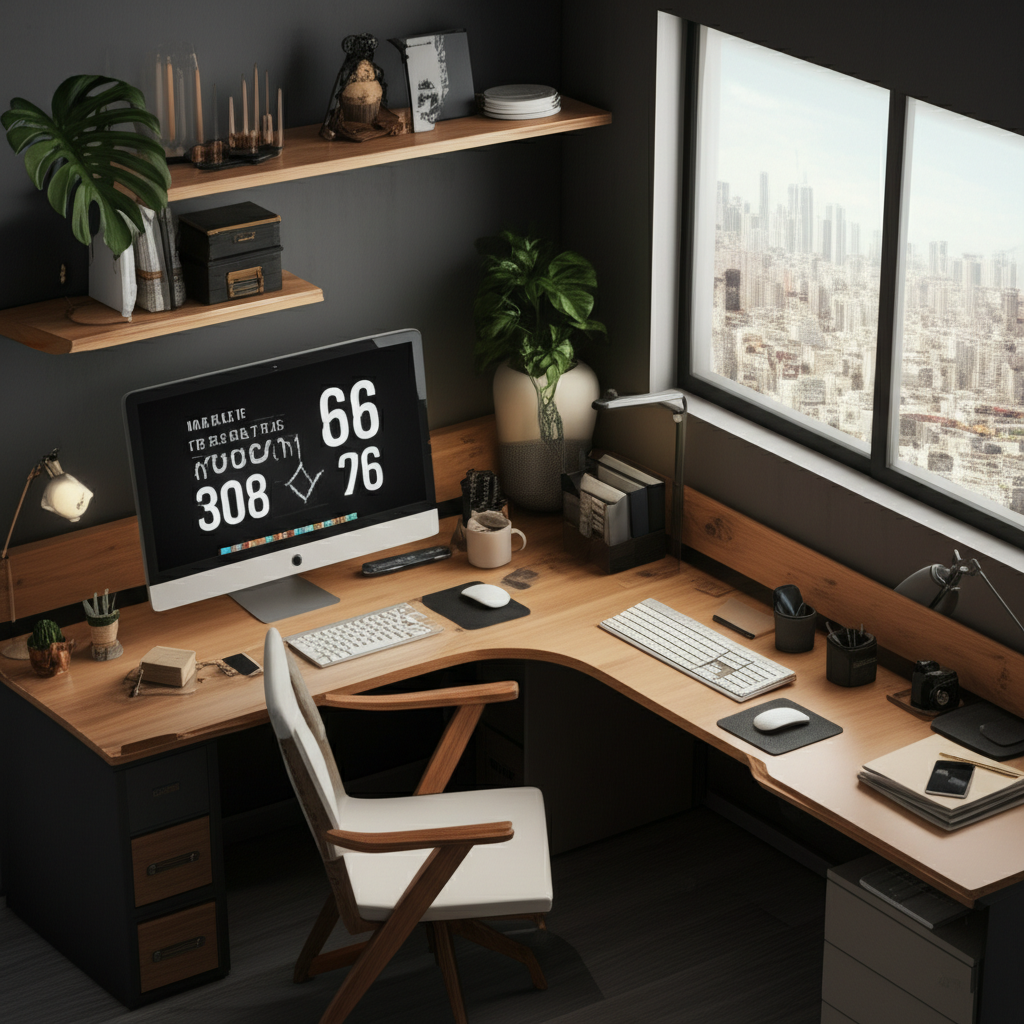
A small office corner desk is a smart choice for study spaces. It uses often-wasted corner space efficiently. This desk helps organize your study area and boosts focus.
If you’re trying to set up a study space, you know how tricky it can be. Finding furniture that fits your room and your needs is hard. Many people struggle with limited space. They want a dedicated area for studying without clutter. A small office corner desk is a great answer to this problem. It makes the most of awkward corners. This guide will show you how it can transform your study experience.
Why a Small Office Corner Desk is Your Study’s Best Friend

A small office corner desk is perfect for tight spaces. It fits into a corner, using that often-empty area. This means you get more usable space for your books and laptop. It helps keep your study materials organized. This setup can make studying feel less stressful and more productive.
Maximizing Space with a Corner Desk Design
Corner desks are clever space savers. They often have a triangular or L-shaped design. This shape fits neatly into a room’s corner. Even small desks can offer surprising storage. Look for designs with shelves or drawers built-in. These features help keep your study essentials tidy.
L-Shaped Corner Desks for More Surface Area
L-shaped corner desks give you two sections of workspace. This is great for multitasking. You can have your laptop on one side and textbooks on the other. It’s like having two desks in one. This layout is excellent for students with lots of research to do.
Compact Corner Desks for Tiny Rooms
For very small rooms, a compact corner desk is ideal. These are often simpler in design. They might just be a flat surface that fits the corner. Even without many features, they provide a dedicated study spot. This is better than studying on your bed or a kitchen table.
Ergonomics: Studying Comfortably and Healthily
Studying for long hours requires a comfortable setup. An ergonomic desk helps prevent aches and pains. It supports good posture. This is important for your health and focus. A well-designed corner desk can be very ergonomic.
Desk Height and Your Posture
The right desk height is crucial. Your elbows should be at a 90-degree angle when typing. Your feet should be flat on the floor. Many small corner desks have a fixed height. If possible, choose one that allows for adjustments. You can also use a footrest if needed.
Monitor Placement for Eye Comfort
Your computer monitor should be at eye level. This prevents neck strain. You can use a monitor stand or a stack of books. Position the screen about an arm’s length away. This helps reduce eye fatigue during long study sessions.
Organizing Your Small Office Corner Desk
Keeping your study area tidy is key to focus. A small desk needs smart organization. Use desk organizers for pens, pencils, and papers. A monitor stand can also add storage space underneath. Cable management keeps wires neat.
Desk Organizers and Storage Solutions
Small bins and trays can hold your stationery. Vertical organizers use less desk surface. Consider a wall-mounted shelf above the desk. This adds storage without taking up floor space. Keeping your desk clear helps you concentrate better.
Cable Management for a Tidy Look
Visible cables can be distracting. Use cable clips or ties to bundle them together. A cable management box can hide power strips. This creates a cleaner look. A tidy desk environment leads to a tidy mind.
Choosing the Right Small Office Corner Desk: Key Features
When buying a small office corner desk, check a few things. Material quality is important for durability. Consider the size and shape carefully. Think about how much space you have. Also, look at the style to match your room.
Materials and Durability
Desks come in wood, metal, and particleboard. Solid wood is durable but expensive. Metal is strong and modern. Particleboard is budget-friendly but less sturdy. For a study desk, look for something that can withstand daily use.
Size and Dimensions Matter
Measure your corner space before buying. Ensure the desk will fit comfortably. Leave room for your chair and to move around. Check the depth of the desk surface. You need enough space for your laptop and books.
Style and Aesthetics
Your desk should look good in your room. Choose a style that matches your decor. Light colors can make a small space feel bigger. Simple designs often work best for small offices.
Top Small Office Corner Desk Picks for Students
Here are some types of small office corner desks that work well for students. They offer good value and functionality.
| Desk Type | Best For | Key Features |
| :——————– | :——————————————— | :——————————————— |
| Compact L-Shaped | Multitasking, moderate space | Two work surfaces, efficient corner fit |
| Minimalist Corner Desk | Very small spaces, clean look | Simple design, basic surface area |
| Corner Desk with Shelves | Books, storage needs | Integrated shelving for organization |
| Standing Corner Desk | Ergonomic flexibility, health-conscious | Adjustable height, dual work modes |
Enhancing Your Study Setup with Desk Accessories
Once you have your small office corner desk, add accessories. These can boost productivity and comfort. They help personalize your study space.
Monitor Stands and Risers
A monitor stand lifts your screen to the right height. It also creates extra storage space below. This is perfect for tucking away keyboards or notebooks. It helps keep your desk surface clear.
Desk Lamps for Better Lighting
Good lighting reduces eye strain. A desk lamp is essential for focused study. Choose an adjustable lamp. This lets you direct light where you need it. LED lamps are energy-efficient.
Ergonomic Chairs for Support
Pairing your desk with a good chair is vital. An ergonomic chair supports your back. Look for adjustable height and lumbar support. This makes long study sessions much more comfortable. A good chair prevents back pain.
Small Office Corner Desk vs. Other Desk Types
How does a corner desk compare to other options? Let’s look at some common desk types.
Small Office Corner Desk vs. Standard Rectangular Desk
A standard desk is easier to place in a room. But a corner desk uses space more efficiently. If you have a corner available, it’s often a better use of space. A rectangular desk might take up more valuable floor area.
Small Office Corner Desk vs. Wall-Mounted Desk
Wall-mounted desks are very space-saving. They fold up when not in use. However, they offer less surface area. A small corner desk provides more stable workspace. It’s better if you need to spread out your materials.
Addressing Common Challenges with Small Corner Desks
Even the best furniture has challenges. Small corner desks are no exception. Let’s talk about some common issues.
Limited Surface Area
The biggest challenge is often limited space. You might not have room for multiple monitors. Or you may struggle to fit all your books. Careful organization and decluttering are key. Consider vertical storage solutions.
Cable Management Complexity
Corners can be tricky for cable routing. Wires might bunch up. Using cable ties and management boxes helps. Plan your tech setup before you buy. This makes managing cables easier.
Placement Limitations
Corner desks must go in a corner. This limits where you can put them. You can’t easily move them around the room. Think carefully about the best corner for your study.
Frequently Asked Questions about Small Office Corner Desks
What is the best size for a small office corner desk?
The best size depends on your corner and needs. Measure your space first. A typical small corner desk might be around 40-50 inches on each side. Ensure it’s deep enough for your computer and books.
Can a small corner desk be ergonomic?
Yes, a small corner desk can be ergonomic. Focus on desk height and monitor placement. Use an ergonomic chair. Adjustable monitor stands are also helpful.
How do I keep a small corner desk organized?
Use desk organizers, shelves, and drawers. Keep only essential items on the surface. Bundle and hide cables. Regularly declutter your workspace.
Are corner desks good for gaming?
Some corner desks work for gaming. Look for L-shaped ones with ample surface area. Ensure it can support your monitor and PC setup. Cable management is also important for a clean gaming look.
What material is best for a small office corner desk?
For durability, solid wood or metal is best. For budget, particleboard or MDF is common. Consider your budget and how long you need it to last.
How do I choose the right corner for my desk?
Consider natural light, power outlets, and traffic flow. Avoid placing it directly opposite a door if possible. A corner with a window can be nice for natural light.
Conclusion: Your Study Space Awaits
A small office corner desk is a powerful tool for any student. It transforms awkward corners into productive study zones. By choosing the right desk and organizing it well, you can create an ideal learning environment. This setup boosts focus and reduces clutter. It makes studying more enjoyable and effective. Invest in a small office corner desk today. It’s a smart step towards academic success.
