


Published on: September 21, 2025 | Updated on: September 21, 2025
Textured fabrics for boho offices bring warmth, personality, and tactile appeal to your workspace, transforming it from sterile to serene. Discover essential styles that blend comfort and creativity, making your home office a true sanctuary for productivity and self-expression.
Working from home has become the new normal for many, and creating a space that inspires and supports you is more important than ever. A home office shouldn’t just be functional; it should feel like you. If you’re drawn to a more relaxed, eclectic, and inviting aesthetic, the boho style might be your perfect fit. But how do you infuse that free-spirited vibe into a workspace without sacrificing productivity? One of the most effective and often overlooked ways is through the strategic use of textured fabrics. These elements add depth, warmth, and a touch of cozy sophistication, making your boho office not just a place to work, but a place to thrive. Get ready to explore how the right textures can elevate your home office from ordinary to extraordinary.
Why Textured Fabrics Are Key to a Boho Office Vibe

Textured fabrics are the unsung heroes of the boho aesthetic, providing visual interest and a sense of tactile comfort that sterile environments often lack. In a boho office, they transform a potentially mundane space into an inviting haven that sparks creativity and promotes well-being. They are essential for softening hard lines, adding layers of personality, and grounding the overall design.
The Essence of Boho Style in Workspace Design
Bohemian style is all about expressing individuality, embracing a relaxed atmosphere, and curating a space that feels lived-in and personal. It’s a departure from rigid rules, favoring instead a blend of colors, patterns, and materials that tell a story. In a home office, this translates to creating an environment that feels less like a corporate cubicle and more like a personal retreat designed for focused work and creative exploration. This style celebrates uniqueness and a connection to nature, often incorporating natural elements and handcrafted items.
The Role of Texture in Creating a Welcoming Workspace
Texture is what gives fabrics their character and appeal, making them more than just flat surfaces. In a boho office, varied textures invite touch, add visual depth, and create a sense of coziness and warmth. They can soften the sharp edges of furniture, absorb sound for better focus, and contribute to a more grounded and calming atmosphere. Imagine running your hand over a plush rug or leaning against a woven throw pillow – these sensory experiences enhance the overall comfort and appeal of your workspace.
Essential Textured Fabrics for Your Boho Office
When building your boho office sanctuary, think about incorporating a variety of fabrics that speak to comfort, natural elements, and artistic expression. These materials are not just decorative; they contribute significantly to the overall atmosphere and functionality of your workspace.
Natural Fibers: The Foundation of Boho Texture
Natural fibers are the cornerstone of the boho aesthetic, offering a raw, organic feel that is both grounding and luxurious. Their inherent textures add visual interest and a connection to the natural world, which is a hallmark of this style.
Linen: Known for its natural slubs and slightly crinkled appearance, linen brings a relaxed elegance to any space. It’s breathable, durable, and softens beautifully with age, making it ideal for desk chair upholstery, curtains, or even a decorative wall hanging. Its subtle texture adds a sophisticated yet understated boho touch.
Cotton: Versatile and widely available, cotton offers a range of textures from smooth and crisp to soft and brushed. Think of textured cotton weaves like slub cotton or dobby weaves for accent pillows, throws, or even a soft rug. It’s a practical choice that adds a layer of comfort without overwhelming the space.
Jute & Rattan: While technically plant fibers, jute and rattan are crucial for adding significant texture through woven materials. Jute rugs provide a natural, earthy base, while rattan furniture or accessories bring an airy, organic feel. Their rough, woven textures are quintessentially boho.
Wool: Wool offers a rich, cozy texture that can range from soft and fluffy to coarse and rustic. A wool rug can anchor your desk area, while wool throws provide ultimate comfort during long work sessions. Its natural insulation properties also add to the coziness factor.
These natural fibers form the tactile backbone of your boho office, providing a warm, inviting, and authentic foundation that resonates with the style’s core principles. Their inherent textures invite touch and add a sense of groundedness to your creative environment.
Woven Wonders: Adding Depth and Dimension
Woven fabrics are indispensable for creating the layered, eclectic look of a boho office. The intricate patterns and tactile qualities of weaves add visual interest and a handcrafted feel.
Macrame: This knotted textile art is pure boho magic. Macrame plant hangers, wall hangings, or even decorative accents on cushions bring an artisanal touch. The intricate knotting creates a beautiful interplay of light and shadow, adding significant textural depth.
Batik & Ikat: These dyeing techniques create unique, often slightly blurred patterns that add a global, artisanal flair. Fabrics featuring batik or ikat prints on cotton or linen can be used for upholstery, throw pillows, or curtains, introducing vibrant color and a distinct visual texture.
Tapestry: Richly detailed tapestries, often featuring floral motifs or abstract designs, can serve as stunning wall art or even a statement piece draped over a chair. Their woven nature adds a substantial textural element and a touch of vintage charm.
Geometric Weaves: Beyond traditional patterns, look for fabrics with subtle geometric weaves. These can add a modern yet still bohemian twist, offering a structured texture that complements softer elements. Think of textured throws or cushion covers with subtle diamond or chevron patterns.
Incorporating these woven wonders brings a handcrafted, worldly feel to your boho office, infusing it with personality and intricate detail that celebrates artisanal craftsmanship.
Plush and Cozy: For Ultimate Comfort
While boho embraces natural elements, it also prioritizes comfort and a sense of sanctuary. Plush and cozy fabrics invite you to relax and settle in, enhancing the overall inviting atmosphere of your workspace.
Velvet: For a touch of unexpected luxury and deep texture, consider velvet. A velvet accent chair, a few plush cushions, or even a velvet desk mat can add a decadent softness that contrasts beautifully with rougher textures. Its pile reflects light, creating a rich visual depth.
Faux Fur: Embracing the cozy, maximalist side of boho, faux fur adds an element of playful luxury. A faux fur throw draped over your chair or a small faux fur rug underfoot can instantly elevate the comfort and add a touch of whimsical opulence.
Chunky Knits: Think oversized, inviting sweaters. Chunky knit blankets or pillows bring an unparalleled level of coziness. Their thick, looped textures are visually appealing and incredibly tactile, making your workspace feel like a warm embrace.
Corduroy: With its distinctive ribbed texture, corduroy offers a retro yet stylish comfort. A corduroy accent chair or cushions can add a unique visual and tactile element that feels both vintage and contemporary.
These plush and cozy fabrics are essential for creating a truly inviting and comfortable boho office, transforming it into a space where you can truly unwind and focus. They add a layer of indulgent softness that complements the natural and artisanal elements.
Styling Your Boho Office with Textured Fabrics
Integrating textured fabrics into your boho office is about creating a harmonious blend of comfort, style, and personal expression. It’s a thoughtful process of layering and balancing different elements to achieve that signature relaxed yet curated look.
Layering Textures for Visual Depth
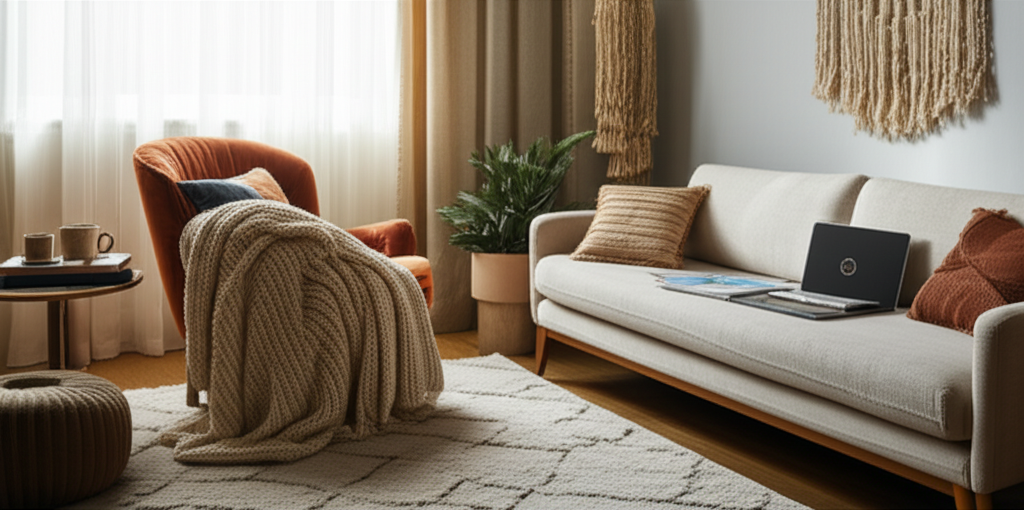
The key to a successful boho aesthetic lies in layering. Don’t be afraid to mix and match different textures to create a rich, visually interesting space. Start with a foundation like a jute rug, then add a softer cotton rug on top for added comfort. Drape a chunky knit throw over a linen-upholstered chair and scatter a few velvet or faux fur accent pillows.
Start with a Base: A textured rug, like jute or a patterned wool blend, grounds the space.
Add Mid-Layer Comfort: Consider upholstery in linen or cotton for your main seating.
Incorporate Accent Pieces: Use pillows, throws, and wall hangings in varied textures like macrame, velvet, or chunky knits.
Balance is Key: Ensure a good mix of rough and smooth, natural and plush textures for visual harmony.
This layering approach creates a dynamic and inviting atmosphere that encourages creativity and comfort. It’s about building a space that feels both thoughtfully designed and effortlessly lived-in, inviting you to truly inhabit your workspace.
Color Palettes and Fabric Choices
While boho style is often associated with earthy tones, it can also embrace vibrant colors and bold patterns. The choice of fabric texture can significantly influence how colors appear and feel within your space.
Earthy Neutrals: For a serene and grounded boho office, stick to natural fibers in shades of beige, cream, terracotta, and olive green. Linen, jute, and unbleached cotton in these colors create a calming, organic foundation.
Jewel Tones & Bold Patterns: If you prefer a more vibrant boho look, incorporate jewel-toned velvets or patterned ikat and batik fabrics. These can be used for accent pieces like pillows or a statement chair to add pops of color and energy.
Black & White Accents: Even in a colorful boho space, black and white textures can provide grounding and definition. A black macrame wall hanging or a black and white geometric rug can add a modern edge.
Metallic Touches: Subtle metallic threads woven into fabrics or metallic accents on decorative items can add a touch of glamour and complement the earthy tones.
The interplay of color and texture allows you to tailor your boho office to your personal style, whether you lean towards a tranquil sanctuary or a vibrant creative hub. This thoughtful selection ensures your space feels cohesive and inspiring.
Furniture and Fabric Pairings
The furniture you choose is a significant canvas for showcasing textured fabrics in your boho office. Think about how different materials can complement or contrast each other to enhance the overall aesthetic.
Wooden Desks: Pair a natural wood desk with a comfortable linen or textured cotton office chair. Add a jute rug underneath and perhaps a macrame plant hanger nearby.
Rattan or Wicker Chairs: These naturally textured furniture pieces pair beautifully with softer fabrics. Consider a plush velvet cushion or a soft faux fur throw to add a cozy contrast.
Metal Accents: If your office features metal elements like a filing cabinet or desk legs, balance them with soft, natural textures like wool throws or cotton curtains. This prevents the space from feeling too industrial.
Upholstered Pieces: For sofas or accent chairs, opt for natural linen, a rich velvet, or even a durable, textured cotton blend. These fabrics invite you to relax and work in comfort.
Thoughtful furniture and fabric pairings are crucial for creating a cohesive and inviting boho office that balances style with functionality. Each choice contributes to the overall tactile and visual experience of your workspace.
Incorporating Textured Fabrics for Productivity & Well-being
Beyond aesthetics, textured fabrics play a vital role in enhancing your productivity and overall well-being within your boho office. They contribute to a more comfortable, focused, and inspiring work environment.
The Psychology of Texture in the Workspace
Our sense of touch is deeply connected to our emotions and cognitive state. Introducing varied, pleasing textures can have a profound psychological impact, making your workspace feel more inviting and less stressful. Soft textures can promote relaxation and reduce anxiety, while natural textures can foster a sense of calm and connection to nature, both beneficial for focus and creativity.
Enhancing Comfort and Ergonomics
While not a substitute for proper ergonomic furniture, textured fabrics can significantly enhance your comfort. A soft throw blanket can provide warmth on cooler days, plush cushions can offer extra lumbar support, and a comfortable rug underfoot can make standing breaks more pleasant. These tactile comforts contribute to a more enjoyable and sustainable work experience.
Sound Absorption and Ambiance
Many textured fabrics, especially thicker ones like wool rugs, tapestries, and heavy curtains, have excellent sound-absorbing qualities. This can help reduce echo and ambient noise in your home office, creating a quieter, more focused environment. A calmer acoustic setting is conducive to deeper concentration and reduced distractions, boosting your productivity.
Creating a Sensory Sanctuary for Focus
A boho office designed with thoughtful use of textured fabrics becomes a sensory sanctuary. The combination of soft, natural, and visually interesting elements can help transition your mind into a focused work state. It’s about creating an environment that not only looks good but feels good, supporting both your mental clarity and emotional balance.
Practical Tips for Implementing Textured Fabrics
Bringing the boho aesthetic to life with textured fabrics is achievable with a few practical considerations. Focus on balance, quality, and personal expression to create a space that truly works for you.
Choosing the Right Fabrics for Durability and Maintenance
When selecting textured fabrics for your office, consider their durability and ease of maintenance, especially for high-traffic items like rugs and chair upholstery.
For High-Traffic Areas (Rugs, Desk Chairs): Opt for durable natural fibers like jute, sisal, or tightly woven wool. Cotton blends can also be a good choice. Look for stain-resistant treatments if available.
For Accent Pieces (Pillows, Throws): You can be more adventurous with delicate textures like velvet, faux fur, or intricate macrame. These are easier to clean or replace if needed.
Consider Washability: For items like cushion covers and throws, choose materials that are machine washable for easy care.
Quality Over Quantity: Investing in a few high-quality textured pieces will often yield better results and longevity than accumulating many cheaper items.
Prioritizing durability and maintenance ensures your beautiful boho office remains functional and easy to care for, allowing you to focus on your work and enjoy your space.
Balancing Textures: Avoiding Overwhelm
While layering is key, it’s also important to strike a balance to avoid creating a visually cluttered or overwhelming space. The goal is to create warmth and interest, not chaos.
Identify a Focal Point: Choose one or two key textured elements that you want to highlight, such as a statement rug or a macrame wall hanging.
Mix Smooth and Rough: Balance rough textures like jute or chunky knits with smoother fabrics like linen or cotton.
Vary Scale: Use a mix of large-scale textures (like a thick rug) and smaller details (like textured pillow embroidery).
Allow for Breathing Room: Don’t cover every surface. Leave some areas with simpler textures or clean lines to provide visual rest.
By thoughtfully balancing different textures, you can create a dynamic and inviting boho office that feels curated and harmonious, enhancing both its aesthetic appeal and your ability to focus.
DIY and Upcycling Opportunities
The boho spirit embraces creativity and resourcefulness, making DIY and upcycling perfect for adding unique textured elements to your office.
Macrame Plant Hangers: Easily learn to knot your own macrame hangers for office plants, adding instant boho charm.
Textured Pillow Covers: Update existing plain pillows with new covers made from interesting textured fabrics or by adding tassels and fringe.
Repurposed Textiles: Vintage scarves, old kilim rugs, or even interesting fabric scraps can be repurposed as wall art, desk mats, or unique upholstery accents.
Customized Furniture: Add texture by reupholstering a small stool or chair in a natural fiber or adding woven details to plain furniture pieces.
Embracing DIY and upcycling not only adds unique, personalized touches to your boho office but also aligns with the sustainable and creative ethos of the style. It’s a rewarding way to infuse your space with personality and character.
Common Pitfalls to Avoid with Boho Office Textures
While the boho aesthetic is forgiving, there are a few common missteps to sidestep when incorporating textured fabrics to ensure your office remains functional and stylish. Avoiding these will help you achieve that perfect balance of creativity and productivity.
The Clutter Trap: Too Much of a Good Thing
Boho is about curated eclecticism, not simply accumulating everything that looks vaguely bohemian. Overdoing textures can lead to a visually noisy and distracting environment, hindering focus rather than fostering it. It’s crucial to maintain a sense of order amidst the artistic flair.
Visual Noise: Too many competing textures and patterns can create visual clutter, making it hard to concentrate.
Distraction: A space that feels too busy can lead to a restless mind, reducing productivity.
The Solution: Employ a thoughtful layering approach. Choose a few statement pieces and balance them with simpler textures. Ensure there is ample negative space to allow the textures to breathe and be appreciated.
Avoiding the clutter trap ensures your boho office remains a sanctuary for focus, not a source of distraction, by maintaining a balance between rich detail and visual calm.
Neglecting Practicality for Pure Aesthetics
While aesthetics are paramount in boho design, functionality should never be sacrificed, especially in a workspace. Choosing incredibly delicate or high-maintenance fabrics for essential office items can lead to frustration and impracticality.
Maintenance Hassles: Fabrics that are difficult to clean or prone to snagging can become a constant source of annoyance.
Durability Issues: Delicate textures might not withstand the daily wear and tear of a working environment.
The Solution: Prioritize durability and ease of care for frequently used items like desk chairs and rugs. Reserve more delicate or high-maintenance fabrics for accent pieces that see less daily use.
By considering the practicalities alongside the aesthetics, you ensure your boho office is not only beautiful but also a functional and stress-free environment for your work.
Ignoring Lighting’s Impact on Texture
The way light interacts with textures is crucial. Harsh or inadequate lighting can make even the most beautiful fabrics look flat, dull, or uninviting. Conversely, the right lighting can bring out the richness and depth of textures.
Flat Appearance: Poor lighting can wash out colors and obscure the subtle details of woven patterns or plush piles.
Shadows and Depth: Direct sunlight or spotlighting can create harsh shadows, while soft, diffused light can highlight texture beautifully.
The Solution: Layer your lighting. Incorporate ambient light (overhead fixtures), task lighting (desk lamp), and accent lighting (perhaps a small lamp near a textured wall hanging) to showcase your fabrics at different times of the day. Natural light is also key.
Paying attention to how light plays with your chosen fabrics ensures their beauty and textural qualities are fully appreciated, enhancing the overall ambiance of your boho office.
Frequently Asked Questions About Boho Office Textures
Here are some common questions beginner designers have when incorporating textured fabrics into their boho office setups.
What are the best beginner-friendly textured fabrics for a boho office?
For beginners, starting with natural fibers like cotton and linen is ideal. They are versatile, relatively easy to care for, and offer a classic boho texture. Jute rugs are also a fantastic, durable starting point. For accents, chunky knit throws or simple woven pillow covers are easy additions.
How can I incorporate textures without making my small boho office feel cluttered?
In a small space, focus on quality over quantity. Choose one or two statement textured pieces, like a patterned rug or a macrame wall hanging. Balance these with smoother surfaces and neutral colors. Ensure good lighting to prevent textures from making the space feel dim.
Are there any specific textures that promote focus and productivity?
While all textures can contribute to a calming atmosphere, natural textures like wood, linen, and wool are often associated with grounding and focus. Their connection to nature can have a soothing effect. Avoid overly busy or highly reflective textures if you find them distracting.
How do I mix different textures effectively without it looking messy?
The key is balance and a cohesive color palette. Mix rough textures with soft ones, and vary the scale of your textures. For example, pair a coarse jute rug with a soft velvet pillow. Sticking to a complementary color scheme will help tie different textures together harmoniously.
Can I use synthetic fabrics that mimic natural textures in my boho office?
Yes, many high-quality synthetic fabrics can effectively mimic the look and feel of natural textures like linen, velvet, or faux fur. These can be more durable and easier to maintain, which is a great advantage for an office setting. Just ensure they have a pleasing tactile quality.
How important is the color of the textured fabric in a boho office?
Color is very important! While boho can embrace a wide spectrum, earthy tones, muted jewel tones, and natural fiber colors (beige, cream, terracotta) are classic choices that enhance the cozy, natural feel. Vibrant colors can be used for accent pieces to add personality and energy.
Conclusion: Weaving Your Perfect Boho Workspace
Creating a boho office that is both stylish and functional is an achievable dream, and textured fabrics are your secret weapon. By thoughtfully selecting and layering materials like linen, cotton, jute, macrame, velvet, and chunky knits, you can infuse your workspace with warmth, personality, and a sense of inviting comfort. Remember to balance these rich tactile elements with practical considerations for durability and maintenance, ensuring your space not only looks good but feels* good to work in. The strategic use of textured fabrics for boho offices transforms a mere workstation into a personal sanctuary, a place where creativity flows freely and productivity thrives in a relaxed, inspiring atmosphere. Embrace the journey of weaving together these elements, and craft a home office that truly reflects your unique style and supports your best work.
