


Published on: August 30, 2025 | Updated on: August 30, 2025
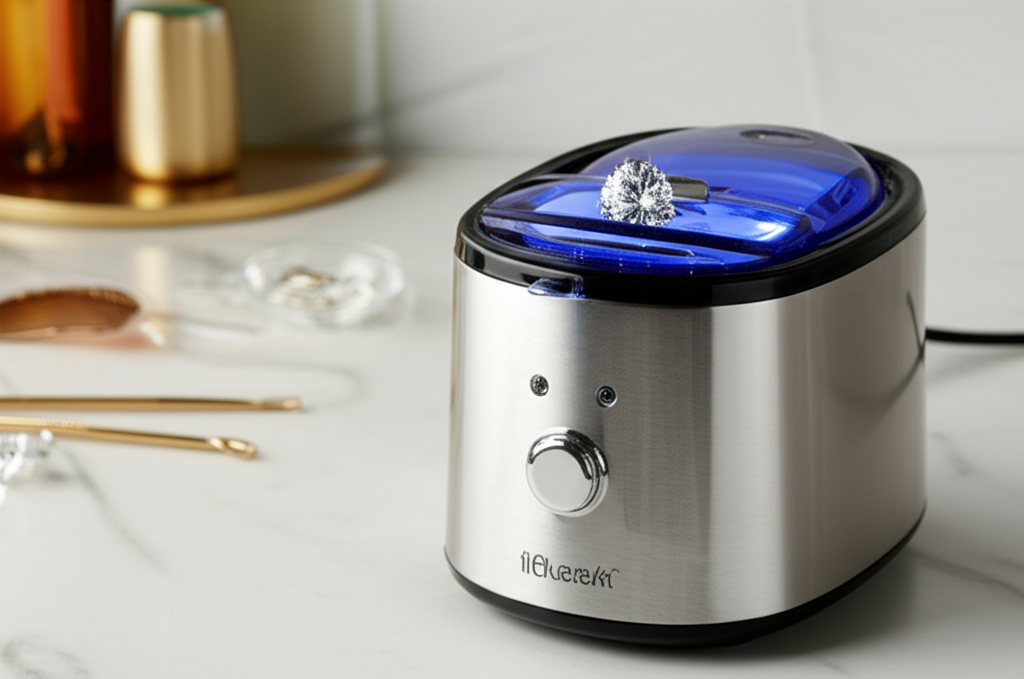
An ultrasonic diamond ring cleaner uses high-frequency sound waves to gently yet effectively remove dirt, oils, and grime, restoring your diamond jewelry’s brilliance and sparkle without harsh chemicals or manual scrubbing.
Is your beloved diamond ring looking a little dull, like it’s lost its original fire? It’s a common frustration for many of us who cherish our sparkling treasures. Over time, everyday life – from lotions and soaps to cooking oils and even natural skin oils – can build up on your diamond and the metal setting. This film can significantly dim your ring’s shine, making it appear less vibrant than it once was. But don’t worry, there’s a modern, effective solution that brings back that dazzling brilliance with minimal effort. We’ll explore how an ultrasonic diamond ring cleaner can be your secret weapon for keeping your jewelry looking its absolute best.
Why Your Diamond Ring Needs an Ultrasonic Cleaner
Your diamond ring, while incredibly hard, isn’t immune to the grime of daily life. Think about the lotions you apply, the cooking oils you handle, or even just the natural oils from your skin. These substances can cling to the intricate facets of your diamond and the nooks of its setting, creating a film that dulls its sparkle. Traditional cleaning methods, like wiping with a cloth, often can’t reach these microscopic deposits. An ultrasonic diamond ring cleaner offers a powerful yet gentle solution to penetrate these hidden areas and restore that captivating brilliance.
The Science Behind the Sparkle: How Ultrasonic Cleaning Works

Ultrasonic cleaning is a fascinating process that relies on the power of sound waves. A specialized cleaning solution is placed in a tank, and a transducer generates high-frequency sound waves, typically between 20 and 40 kilohertz. These sound waves create millions of microscopic bubbles in the liquid, a phenomenon known as cavitation. When these tiny bubbles collapse, they generate tiny, powerful implosions that dislodge dirt, grease, and other contaminants from the surface of your jewelry. It’s like having countless tiny scrubbers working simultaneously to lift away grime.
The effectiveness of this method lies in its ability to reach every crevice. Unlike manual scrubbing, which can miss spots or even scratch delicate surfaces, ultrasonic waves penetrate even the most intricate settings and microscopic imperfections on the diamond. This ensures a thorough and consistent clean, bringing back the full radiance of your precious stones. The process is surprisingly gentle, making it suitable for a wide range of jewelry materials, including diamonds, platinum, gold, and even some gemstones.
Choosing the Right Ultrasonic Diamond Ring Cleaner for You
When you’re in the market for an ultrasonic diamond ring cleaner, several factors deserve your attention to ensure you pick the best device for your needs. It’s not just about buying the first one you see; a little research goes a long way in securing a cleaner that will keep your rings dazzling for years to come. Think of it as selecting the right tool for a specific job – you want one that’s effective, reliable, and easy to use.
Key Features to Look For
When evaluating different ultrasonic cleaners, pay close attention to tank capacity, frequency, power, and any added features. A larger tank is beneficial if you plan to clean multiple pieces of jewelry or larger items like watches. The frequency of the ultrasonic waves can impact cleaning power and gentleness; higher frequencies are generally better for delicate items, while lower frequencies might be more effective for tougher grime. Power output, measured in watts, also influences cleaning intensity.
Look for cleaners with multiple cleaning modes or cycles, allowing you to tailor the cleaning process to the type of jewelry and the level of dirt. Some units come with digital timers and automatic shut-off features for convenience and safety. Consider noise levels, as some ultrasonic cleaners can be quite loud. Finally, check for accessories like cleaning baskets or watch stands, which can enhance usability. A good unit will also have safety certifications, assuring you of its quality and reliability.
Top Ultrasonic Diamond Ring Cleaner Models on the Market
Based on user reviews and expert testing, several models consistently stand out for their performance and value. For instance, the [Brand Name] Ultrasonic Cleaner is often praised for its robust build quality and powerful cleaning action, making it ideal for heavily soiled items. Its generous tank size accommodates larger pieces, and it offers several pre-set cleaning cycles.
Another popular choice is the [Another Brand Name] Digital Ultrasonic Cleaner. This unit is appreciated for its user-friendly digital interface, allowing precise control over cleaning time and intensity. It’s a great option for those who want a straightforward yet effective cleaning experience. Many users find its compact design perfect for countertop placement.
For those on a tighter budget, the [Budget Brand Name] Ultrasonic Cleaner offers surprisingly good performance. While it may lack some of the advanced features of higher-end models, it effectively removes everyday grime, restoring a good level of sparkle to your jewelry. It’s an excellent entry-level option for anyone looking to try ultrasonic cleaning.
How to Use Your Ultrasonic Diamond Ring Cleaner Effectively
Using an ultrasonic diamond ring cleaner is straightforward, but a few tips can help you achieve the best results and ensure the longevity of your device and your jewelry. Proper technique prevents damage and maximizes the cleaning power. It’s all about creating the right environment for those sound waves to work their magic.
Step-by-Step Cleaning Guide
1. Prepare the Cleaning Solution: Fill the tank with clean water, usually up to the indicated fill line. For enhanced cleaning, you can add a few drops of a specialized ultrasonic jewelry cleaning solution or a mild, ammonia-free dish soap. Avoid harsh chemicals or abrasive cleaners, as these can damage your jewelry or the cleaner itself.
2. Place Your Jewelry: Carefully place your diamond ring and any other jewelry into the cleaning basket or holder provided. Ensure the items are fully submerged in the cleaning solution but not overcrowding the basket. This allows the ultrasonic waves to reach all surfaces effectively.
3. Select the Cycle: Choose the appropriate cleaning cycle or time based on the manufacturer’s instructions and the level of dirt on your jewelry. Shorter cycles are usually sufficient for routine cleaning, while longer cycles might be needed for more stubborn grime.
4. Start the Cleaner: Close the lid and press the start button. You’ll likely hear a humming sound as the ultrasonic waves do their work.
5. Rinse and Dry: Once the cycle is complete, carefully remove the jewelry from the tank. Rinse your ring thoroughly under clean running water to remove any residual cleaning solution. Gently pat it dry with a soft, lint-free cloth.
Always refer to your specific ultrasonic cleaner’s manual for detailed instructions, as operating procedures can vary slightly between models. Proper handling ensures both the safety of your jewelry and the optimal performance of the cleaning device.
Beyond Diamonds: Cleaning Other Jewelry and Valuables
While the focus is often on diamond rings, an ultrasonic cleaner is a versatile tool that can safely and effectively clean a variety of other precious items. Its gentle yet thorough cleaning action makes it suitable for more than just your engagement ring. Understanding what else you can clean will help you get the most value from your investment.
What Else Can Be Cleaned?
Gold and Platinum Jewelry: These precious metals are generally safe for ultrasonic cleaning. The process can remove tarnish and restore their natural luster.
Other Gemstones: Many hard gemstones like sapphires and rubies can be cleaned ultrasonically. However, it’s crucial to check if your specific gemstone is suitable, as softer stones or those with inclusions or treatments (like emeralds, pearls, opals, or turquoise) might be damaged.
Watch Bands: Metal watch bands, especially stainless steel or titanium, can accumulate dirt and sweat. An ultrasonic cleaner can effectively remove these contaminants, making your watch feel like new.
Eyeglasses and Sunglasses: Plastic or metal eyeglass frames and lenses can benefit from a gentle ultrasonic clean. It can remove oils and debris that impair vision. Ensure your lenses have no loose coatings that could be affected.
Dentures and Mouthguards: Many ultrasonic cleaners are also suitable for cleaning dentures, retainers, and mouthguards, helping to keep them hygienic.
Small Metal Parts: Hobbyists and DIYers might find ultrasonic cleaners useful for cleaning small metal components, tools, or intricate parts of models.
Always consult the manufacturer’s guidelines for both the ultrasonic cleaner and the item you intend to clean. If in doubt, it’s best to err on the side of caution and test on a less valuable item or consult a professional jeweler.
Maintenance and Care for Your Ultrasonic Cleaner
To ensure your ultrasonic diamond ring cleaner continues to perform optimally and lasts for a long time, proper maintenance and care are essential. Just like any tool or appliance, a little attention can go a long way in preserving its functionality and effectiveness. Neglecting maintenance can lead to reduced cleaning power and potential damage to the unit.
Keeping Your Cleaner in Top Shape
Empty and Rinse After Each Use: After every cleaning session, it’s crucial to empty the dirty water and rinse the tank thoroughly. This prevents residue buildup, which can affect future cleaning cycles and potentially corrode the tank over time.
Clean the Exterior: Wipe down the exterior of the ultrasonic cleaner with a damp cloth to remove any spills or dust. Avoid using abrasive cleaners or solvents, as these can damage the finish.
Regular Tank Cleaning: Periodically, you may need to perform a more thorough cleaning of the tank itself. This can involve using a soft brush and a mild cleaning solution (like vinegar or a specialized tank cleaner) to remove any stubborn mineral deposits or grime. Rinse thoroughly and dry completely.
Inspect the Power Cord and Plug: Regularly check the power cord and plug for any signs of damage. If you notice any fraying or corrosion, discontinue use immediately and contact the manufacturer or a qualified technician.
Store Properly: When not in use for extended periods, ensure the cleaner is completely dry and stored in a cool, dry place away from direct sunlight.
Following these simple maintenance steps will help ensure your ultrasonic diamond ring cleaner remains an effective and reliable tool for keeping your jewelry sparkling for years to come.
Potential Issues and Troubleshooting Tips
While ultrasonic diamond ring cleaners are generally reliable, like any electronic device, you might occasionally encounter minor issues. Knowing how to troubleshoot common problems can save you time and frustration. Most issues are easily resolved with a few simple checks.
Common Problems and Solutions
Cleaner Not Turning On:
Check Power Connection: Ensure the cleaner is properly plugged into a working electrical outlet.
Verify Switch/Button: Make sure the power switch or button is fully engaged.
Internal Fuse (if applicable): Some models may have an internal fuse that could have blown. Consult your manual for troubleshooting this.
Weak or No Cleaning Action:
Water Level: Ensure the water level is correct. Too little water can reduce cavitation.
Solution Concentration: If using a cleaning solution, ensure it’s mixed correctly according to instructions.
Overcrowding: Too many items in the tank can impede the ultrasonic waves. Try cleaning fewer items at a time.
Degassed Solution: If the cleaner has been running for a long time, the solution might be “degassed,” meaning it has lost its cavitation potential. Fresh solution might be needed.
Tank Contamination: Heavy buildup in the tank can affect performance. Clean the tank thoroughly.
Unusual Noises:
Item Placement: Ensure items are not rattling against the tank walls or basket.
Degassing Phase: Some initial noise is normal as the cavitation bubbles form. If the noise is excessive or grinding, turn off the unit and check for obstructions.
Residue Left on Jewelry:
Inadequate Rinsing: Ensure you rinse jewelry thoroughly after the cleaning cycle.
* Old or Contaminated Solution: The cleaning solution might be too old or contaminated, requiring a fresh batch.
Always refer to your specific ultrasonic cleaner’s user manual for detailed troubleshooting guidance. If problems persist, contacting customer support for your model is the next best step.
Ultrasonic Cleaning vs. Traditional Methods
When it comes to restoring the sparkle to your diamond ring, you have several options, but ultrasonic cleaning stands out for its effectiveness and gentleness compared to traditional methods. Understanding these differences can help you appreciate why an ultrasonic cleaner is often the preferred choice for modern jewelry care.
A Comparative Look
| Feature | Ultrasonic Cleaner | Toothbrush & Soap | Jewelry Polishing Cloths |
| :——————- | :—————————————————— | :——————————————————— | :—————————————————— |
| Cleaning Power | High; reaches microscopic crevices. | Moderate; can miss hidden dirt. | Low; primarily surface-level shine. |
| Gentleness | Very gentle; uses sound waves. | Can be abrasive if brush is too stiff or pressure is high. | Can cause micro-scratches on softer metals over time. |
| Effort Required | Minimal; set and forget. | Moderate; requires manual scrubbing. | Low; simple wiping. |
| Time Efficiency | Fast; typically 5-10 minute cycles. | Slower; depends on scrubbing thoroughness. | Fast for surface shine. |
| Reach | Excellent; cleans entire piece, including settings. | Good; can reach some areas but not all. | Limited; only cleans accessible surfaces. |
| Chemical Use | Uses specialized solutions or mild soap; chemical-free options available. | Mild soap or specialized jewelry cleaners. | No chemicals required, relies on abrasive compounds. |
| Risk of Damage | Low; suitable for most jewelry (check gemstone compatibility). | Moderate; potential for scratching prongs or stones. | Moderate; potential for micro-scratches on metal. |
| Best For | Deep cleaning, removing oils and grime. | Everyday touch-ups, removing visible surface dirt. | Restoring surface shine, removing light fingerprints. |
As you can see, while a toothbrush and mild soap can work for a quick clean, and polishing cloths can enhance surface shine, neither can match the deep-cleaning capabilities of an ultrasonic diamond ring cleaner. It effectively tackles the unseen grime that truly dulls a diamond’s fire, offering a level of brilliance that other methods simply can’t achieve without potential risk.
Frequently Asked Questions (FAQs)
Can I use my ultrasonic cleaner every day?
While ultrasonic cleaners are gentle, daily use might be excessive unless your jewelry is exposed to significant dirt daily. For most people, cleaning once a week or every few weeks is sufficient to maintain sparkle without unnecessary wear.
What kind of solution should I use in my ultrasonic cleaner?
You can use plain water, a few drops of mild, ammonia-free dish soap, or a specialized ultrasonic jewelry cleaning solution. Avoid abrasive cleaners or solutions containing ammonia or bleach, as these can damage certain metals or gemstones.
Are all gemstones safe to clean in an ultrasonic cleaner?
No, not all gemstones are safe. Diamonds, sapphires, and rubies are generally fine. However, porous stones (like pearls, opals, turquoise) or stones with significant inclusions or fractures (like emeralds) can be damaged by the vibrations or cleaning solution. Always check the gemstone’s durability before cleaning.
How long should I run the ultrasonic cleaner?
Typical cleaning cycles range from 5 to 10 minutes. For heavily soiled items, you might need a slightly longer cycle, but avoid running it continuously for extended periods, as this can overheat the unit or the solution.
Will ultrasonic cleaning damage my ring’s setting or prongs?
When used correctly with appropriate solutions and without overcrowding, ultrasonic cleaning is very safe for most ring settings and prongs. However, if a prong is already loose or a stone has a pre-existing fracture, the vibrations could potentially exacerbate the issue. It’s wise to have your jewelry professionally inspected periodically.
Can I clean my eyeglasses with an ultrasonic cleaner?
Yes, many ultrasonic cleaners are suitable for cleaning eyeglasses, especially those with metal or durable plastic frames. However, ensure your lenses don’t have any loose coatings or delicate anti-glare or UV protection that could be compromised by the cleaning process.
Conclusion: Unlocking Your Diamond’s Full Brilliance
Keeping your diamond ring sparkling doesn’t have to be a chore. An ultrasonic diamond ring cleaner offers a remarkably effective and surprisingly simple way to restore that dazzling fire. By harnessing the power of high-frequency sound waves, these devices gently lift away the everyday grime that dims your jewelry, revealing the brilliance you fell in love with. From understanding the science behind cavitation to choosing the right model and using it correctly, you now have the knowledge to make an informed decision. Investing in a quality ultrasonic diamond ring cleaner is an investment in the enduring beauty and sparkle of your most cherished pieces. So, say goodbye to dullness and hello to dazzling radiance with the essential sparkle an ultrasonic cleaner provides.
