


Published on: October 10, 2025 | Updated on: October 10, 2025
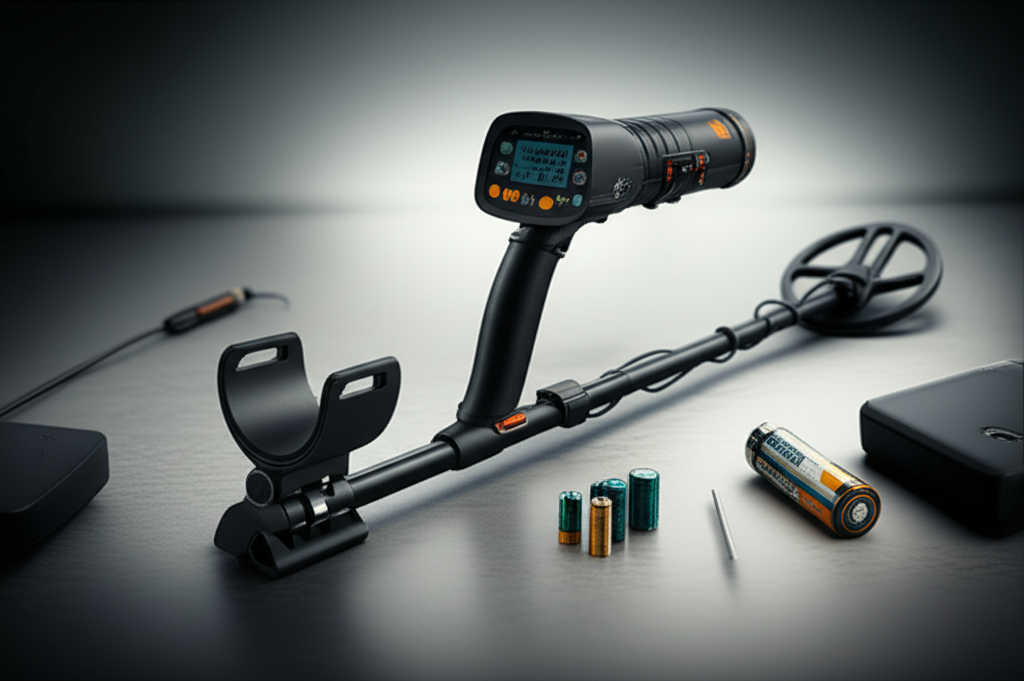
Yes, almost all metal detectors need batteries to run. These power sources are crucial for detecting anything underground, from coins to relics. Understanding your detector’s power needs ensures you can keep hunting without interruption. This guide covers everything about metal detector batteries.
So, you’ve got a shiny new metal detector, or maybe you’re thinking about getting one. A common question pops up: “Do metal detectors need batteries?” It’s a simple question, but the answer is super important for your treasure hunting adventures. Running out of power in the field is a real bummer. It can cut your hunt short and leave you feeling frustrated. Don’t worry, though! I’ve spent years out in the dirt, testing all sorts of detectors. I’ll walk you through everything you need to know about keeping your metal detector powered up and ready to find those hidden treasures. We’ll cover the types of batteries, how to choose them, and how to make them last longer. Let’s get your detector humming and ready for action!
Why Metal Detectors Rely on Batteries
Metal detectors need batteries because they are electronic devices. They use electricity to send out signals into the ground. When these signals hit metal, they bounce back. The detector then processes this signal and tells you something is there. This whole process requires a constant supply of power.
Without a battery, the detector’s circuits can’t turn on. There’s no power to create the magnetic field or to process the returning signals. Think of it like a flashlight without batteries; it just won’t shine. So, yes, batteries are the heart of your metal detecting operation.
Understanding Metal Detector Battery Types
Metal detectors use different kinds of batteries. The most common types are alkaline, rechargeable NiMH, and lithium-ion. Each has its own pros and cons for detectorists. Knowing these helps you pick the best power for your detecting style and budget.
Alkaline batteries are found everywhere and are cheap. Rechargeable batteries cost more upfront but save money over time. Lithium-ion batteries are lighter and last longer, but can be pricier. Your detector’s manual will tell you which type it needs.
Alkaline Batteries: The Everyday Choice

Alkaline batteries are the most common power source for many entry-level metal detectors. They are readily available in stores and are usually the cheapest option upfront. You can buy them as AA, 9-volt, or other sizes. They are great for occasional users or those on a tight budget.
The main downside is that they are not rechargeable. Once they are dead, you have to buy new ones. This can add up if you detect frequently. They also tend to perform less well in very cold weather, losing power faster.
Rechargeable NiMH Batteries: A Greener Option
Nickel-metal hydride (NiMH) batteries are a popular rechargeable choice. They hold more power than alkaline batteries and can be recharged hundreds of times. This makes them a more economical and eco-friendly option for regular detectorists. Many mid-range and higher-end detectors come with NiMH battery packs.
They have a lower self-discharge rate than older rechargeable types, meaning they hold their charge longer when not in use. However, they can still lose some charge over time. You’ll need a compatible charger to keep them powered up.
Lithium-Ion Batteries: Power and Performance
Lithium-ion (Li-ion) batteries are becoming more common in modern metal detectors. They offer excellent energy density, meaning they pack a lot of power for their size and weight. Li-ion batteries tend to last longer on a single charge than other types. They also perform well in a wide range of temperatures.
The initial cost for Li-ion batteries or detectors with built-in Li-ion packs can be higher. However, their long lifespan and strong performance often make them a worthwhile investment for serious detectorists. Always use the charger specifically designed for your detector’s Li-ion battery.
How Many Batteries Does a Metal Detector Use?
The number of batteries a metal detector needs varies by model and brand. Some detectors use a single 9-volt battery. Others might take four or more AA batteries. Higher-end detectors often use a custom rechargeable battery pack.
The detector’s design and power consumption determine how many batteries are required. A more complex detector with more features might need more power. Always check your user manual to know exactly how many batteries your specific detector takes.
Battery Life: How Long Will They Last?
The battery life of your metal detector depends on several factors. The type of battery is a big one, with Li-ion and NiMH generally lasting longer than alkaline. The detector’s power settings and how much you use features like target ID or ground balance also play a role.
Generally, you can expect anywhere from 8 to 40 hours of use on a single charge or set of batteries. Simpler detectors might last longer on a set of batteries than complex ones. Turning off the detector when not actively searching will help conserve power.
Factors Affecting Battery Life
Several things can shorten how long your batteries last. Using the screen’s backlight on high brightness drains power faster. Frequent use of the pinpoint function also uses more energy. Extreme temperatures, especially cold, can reduce battery performance significantly.
The age of the batteries themselves matters too. Older batteries, whether alkaline or rechargeable, won’t hold a charge as well as new ones. Keeping your detector software updated can sometimes improve power efficiency, as manufacturers may optimize performance.
Choosing the Right Batteries for Your Detector
Selecting the correct batteries is vital for your metal detector’s performance and longevity. Always refer to your detector’s user manual. It will specify the exact type, size, and quantity of batteries required. Using the wrong type can damage your detector or lead to poor performance.
For alkaline, choose reputable brands to ensure consistent power. If opting for rechargeable, invest in good quality NiMH or Li-ion batteries and their corresponding chargers. This ensures safety and optimal charging. Consider your detecting habits: frequent hunters benefit more from rechargeable options.
Battery Maintenance and Care Tips
Proper battery maintenance can extend their lifespan and ensure your metal detector is always ready. For alkaline batteries, remove them from the detector if you plan to store it for a long time. This prevents potential leakage that can damage the battery compartment.
For rechargeable batteries, follow the manufacturer’s charging instructions. Avoid fully draining rechargeable batteries repeatedly, as this can reduce their capacity over time. Store rechargeable batteries in a cool, dry place when not in use.
Storing Batteries Properly
Storing batteries correctly is key to keeping them in good condition. Keep alkaline batteries in their original packaging or a battery organizer. Avoid storing them loose where they can short-circuit. Store them at room temperature, away from extreme heat or moisture.
Rechargeable batteries should also be stored at room temperature. If storing for extended periods, it’s often recommended to leave them partially charged rather than fully depleted or fully charged. Check your specific battery type’s recommendations for long-term storage.
Troubleshooting Common Battery Issues
Sometimes, you might encounter problems with your metal detector’s power. If your detector won’t turn on, the first thing to check is the batteries. Ensure they are inserted correctly with the positive and negative ends aligned properly.
If your detector turns on but dies quickly, the batteries might be weak or dead. Try a fresh set of alkaline batteries or a fully charged rechargeable pack. If the problem persists, check the battery contacts for corrosion and clean them gently with a pencil eraser or a cotton swab dipped in rubbing alcohol.
Are There Battery-Free Metal Detectors?
The short answer is no, not in the way you might think. All functional metal detectors require a power source to operate. While some very old or specialized industrial detectors might use different power systems, virtually all portable detectors used for treasure hunting, relic hunting, or gold prospecting rely on batteries.
There are no truly battery-free metal detectors for hobbyists. The electronic components that make a detector work need electricity. This electricity always comes from some form of stored energy, which in portable units means batteries.
FAQ: Your Metal Detector Power Questions Answered
Q1: Do all metal detectors need batteries?
Yes, virtually all portable metal detectors used for hobby detecting need batteries. They are electronic devices that require power to function and find metal objects.
Q2: What type of batteries do most metal detectors use?
Most entry-level detectors use AA or 9-volt alkaline batteries. More advanced detectors often use rechargeable NiMH or lithium-ion battery packs.
Q3: How often should I replace my metal detector batteries?
For alkaline batteries, replace them when the detector’s power indicator shows low or if performance drops. Rechargeable batteries should be recharged when depleted, and replaced when they no longer hold a sufficient charge after many cycles.
Q4: Can I use rechargeable AA batteries in any detector that takes AA batteries?
Generally, yes. Most detectors designed for AA batteries can use either alkaline or rechargeable AA batteries. Always check your manual to be sure.
Q5: What happens if I use the wrong type of battery?
Using the wrong type of battery can damage your detector, cause it to malfunction, or lead to poor performance. Always stick to the battery types specified in your detector’s manual.
Q6: How do I know when my metal detector batteries are low?
Most metal detectors have a battery indicator light or a low battery warning on the display screen. You might also notice a drop in performance or a change in the detector’s sounds.
Conclusion: Powering Your Treasure Hunts
So, do metal detectors need batteries? The answer is a resounding yes for almost all practical purposes in hobby detecting. Batteries are the essential power source that brings your metal detector to life, allowing you to explore and uncover hidden treasures. Understanding the different battery types, their life, and how to care for them is fundamental for any detectorist.
Choosing the right batteries, whether alkaline for occasional use or rechargeable for dedicated hunts, ensures you maximize your time in the field. Proper maintenance and being aware of common issues will prevent frustrating downtime. Keep your detector powered up, and happy hunting!
