


Published on: November 4, 2025 | Updated on: November 4, 2025
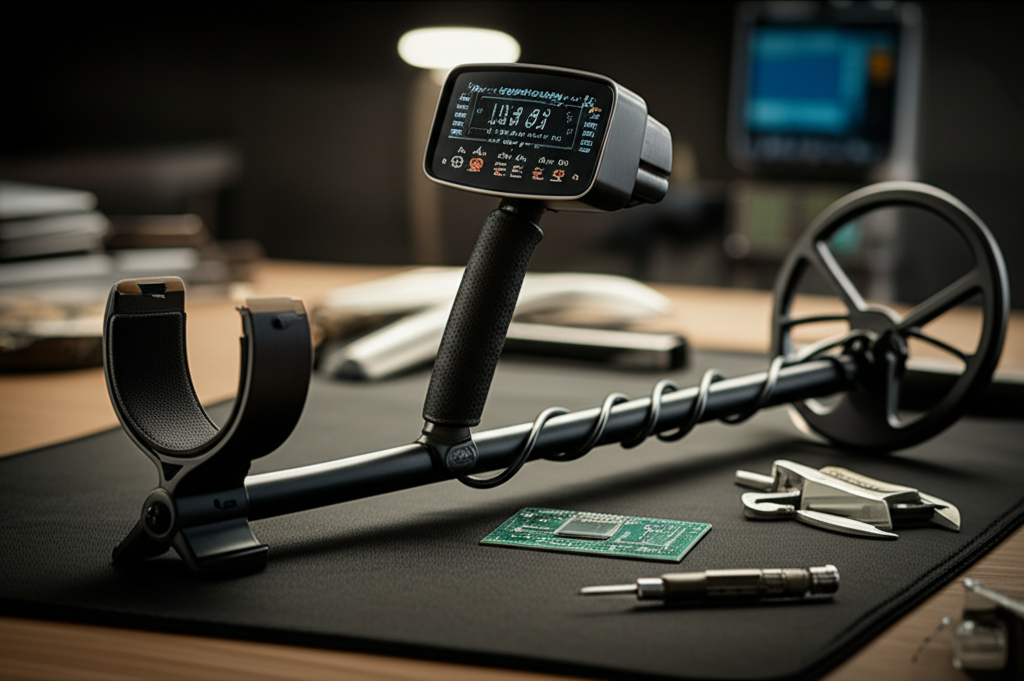
Metal detector design has evolved from simple circuits to sophisticated machines, driven by breakthroughs in electronics, software, and coil technology, making treasure hunting more accessible and rewarding.
Metal detecting is a fantastic hobby. It connects you with history and the outdoors. But choosing the right gear can feel tricky. Understanding how metal detectors are made helps a lot. It’s like knowing how a car engine works before you buy one. This knowledge helps you pick the best tool for your treasure hunts. We’ll explore the key moments that shaped the metal detectors we use today. Get ready to learn what makes a detector tick!
The Dawn of Detection: Early Metal Detector Design
The very first metal detectors were not for finding old coins. They were made to find metal in mines or for military purposes. Early designs were bulky and simple. They often used large batteries. These machines were heavy and hard to carry around. They also didn’t have many settings. Finding small targets was very difficult.
These early devices laid the groundwork. They proved that metal could be detected remotely. This was a huge step. It sparked ideas for more advanced machines. The basic principles of electromagnetism were key.
The Induction Balance (IB) Revolution in Metal Detector Design
A major leap in metal detector design came with Induction Balance (IB) technology. This is still the most common type of detector today. IB detectors use two coils: a transmitter and a receiver. The transmitter sends out a magnetic field. If this field hits metal, it creates a signal. The receiver coil picks up this signal.
This design made detectors much better. They could ignore ground minerals more effectively. This meant fewer false signals from the earth. IB technology allowed for greater sensitivity. It made finding smaller and deeper targets possible. Many modern detectors still rely on this core principle.
Very Low Frequency (VLF) Detectors: Fine-Tuning the Search
Very Low Frequency (VLF) detectors are a refinement of the IB design. They operate at specific low frequencies. This frequency choice is important for performance. Different frequencies are better for different types of targets. Lower frequencies are good for larger, deeper objects. Higher frequencies work well for smaller targets like gold nuggets.
VLF detectors also improved ground balancing. They can filter out mineralized soil much better. This is crucial in areas with lots of iron in the ground. Having adjustable ground balance is a key feature. It lets the user adapt the detector to the site. This made detecting in varied locations much easier.
Pulse Induction (PI) Detectors: Power for Tough Ground
Pulse Induction (PI) detectors work differently. Instead of a continuous signal, they send short pulses. These pulses create strong magnetic fields. When a target is hit, the field collapses and creates a signal. PI detectors are known for their power. They can often detect deeper than VLF detectors.
PI technology is excellent in highly mineralized ground. It is less affected by iron-rich soils. This makes them ideal for beaches and areas with black sand. Gold prospectors often favor PI detectors. They are great for finding larger gold nuggets. However, PI detectors can struggle to distinguish between different types of metal.
Multi-Frequency Technology: The Best of All Worlds
Modern metal detector design has embraced multi-frequency technology. These detectors can transmit and analyze signals at several frequencies at once. This offers a huge advantage. You get the depth of low frequencies and the sensitivity to small targets of high frequencies. It’s like having multiple detectors in one unit.
Multi-frequency detectors are very versatile. They perform well in various soil conditions. They can also help identify targets better. Some advanced models use different frequencies simultaneously. This allows for more precise target identification. This innovation has significantly boosted detecting performance.
Advanced Electronics and Microprocessors: The Brains of the Detector
Beyond coils, the electronics inside detectors have seen massive changes. Early detectors had simple analog circuits. Modern detectors use powerful microprocessors. These are like the computer brains of the detector. They process signals much faster and more accurately.
Microprocessors allow for complex algorithms. These algorithms help filter out junk and identify targets. They enable features like digital target ID numbers. These numbers give an idea of what the target might be. They also allow for adjustable tones and settings. This makes the detector more user-friendly and effective.
User Interface and Ergonomics: Making Detectors Comfortable
Good metal detector design isn’t just about performance. It’s also about how the detector feels and works. Ergonomics is very important. Detectors need to be lightweight and balanced. This reduces fatigue during long detecting sessions. Adjustable shafts help users of different heights.
The user interface has also improved. Controls are more intuitive. Displays are clearer and easier to read. Many modern detectors have waterproof coils and control boxes. This allows for detecting in rain or shallow water. Comfortable headphones are also a key part of the experience.
Coil Design: The Eyes of the Detector
The search coil is a critical part of any metal detector. Coil design has evolved significantly. Early coils were often large and heavy. Now, coils come in many shapes and sizes. Smaller coils are better for tight spaces and discriminating small targets. Larger coils offer greater depth and coverage.
Coil technology has also advanced. DD coils are common and offer good performance in mineralized ground. Concentric coils can offer good depth. Some coils are designed for specific tasks, like prospecting. Waterproof coils are now standard on many models. The right coil can dramatically improve your finds.
Software and Firmware Updates: Staying Current
A significant breakthrough in metal detector design is software. Detectors are no longer just hardware. They have software that can be updated. Manufacturers can release firmware updates. These updates can improve performance or add new features. This means your detector can get better over time.
This software approach makes detectors more adaptable. It allows manufacturers to fix bugs. It also lets them respond to user feedback. This keeps detectors competitive. It’s a modern approach to product development. It ensures that detectors remain cutting-edge.
The Future of Metal Detector Design
The future of metal detector design looks exciting. We can expect even smarter detectors. Artificial intelligence might play a bigger role. This could lead to better target identification. Ground balancing might become even more automated. We might see detectors with integrated GPS.
Wireless audio is becoming standard. This makes detecting more convenient. Lighter and more durable materials will likely be used. Expect detectors to become more user-friendly. The goal is always to find more targets with less effort. The journey of metal detector design is far from over.
Frequently Asked Questions About Metal Detector Design
What is the most important part of a metal detector’s design?
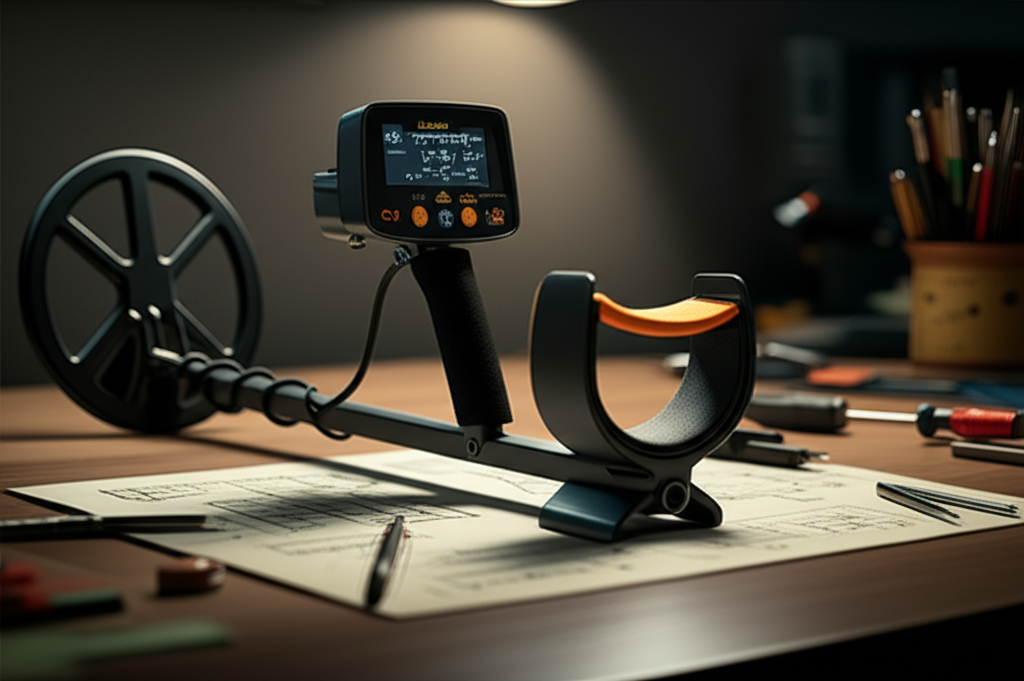
The search coil is often considered the most important part. It’s what interacts directly with the ground and targets. Its design greatly affects depth, sensitivity, and how well it ignores minerals.
How do different coil shapes affect metal detector performance?
DD coils are shaped like two Ds and are great for mineralized ground. They offer good depth and target separation. Concentric coils are round and can offer good depth and pinpoint accuracy. Smaller coils are better for small targets and trashy areas.
Why are VLF detectors so popular for coin and relic hunting?
VLF detectors offer a good balance of sensitivity to small targets and ground balancing capabilities. They are versatile and work well in most environments for finding coins, jewelry, and relics.
What are the main advantages of Pulse Induction (PI) detectors?
PI detectors are very powerful. They can detect deeper than VLF detectors. They also perform exceptionally well in highly mineralized soils like beaches with black sand.
How has digital technology changed metal detector design?
Digital technology, especially microprocessors, has made detectors much smarter. They can process signals faster, offer digital target IDs, and allow for advanced filtering and customizable settings. This makes them more effective and user-friendly.
Will future metal detectors be able to identify targets with 100% accuracy?
While accuracy will continue to improve, 100% certainty is unlikely. Many factors affect detection, like target orientation and depth. However, AI and advanced algorithms will get closer to perfect identification.
Conclusion: The Evolving Art of Metal Detector Design
Understanding metal detector design reveals a fascinating journey. From simple circuits to sophisticated machines, each breakthrough has made treasure hunting more accessible. The Induction Balance, VLF, and PI technologies formed the core. Now, multi-frequency, digital processing, and better ergonomics are pushing the limits. The constant evolution in coil technology and software updates ensures detectors get smarter and more effective. As we look ahead, the future of metal detector design promises even greater discoveries for detectorists worldwide.
