


Published on: November 7, 2025 | Updated on: November 7, 2025
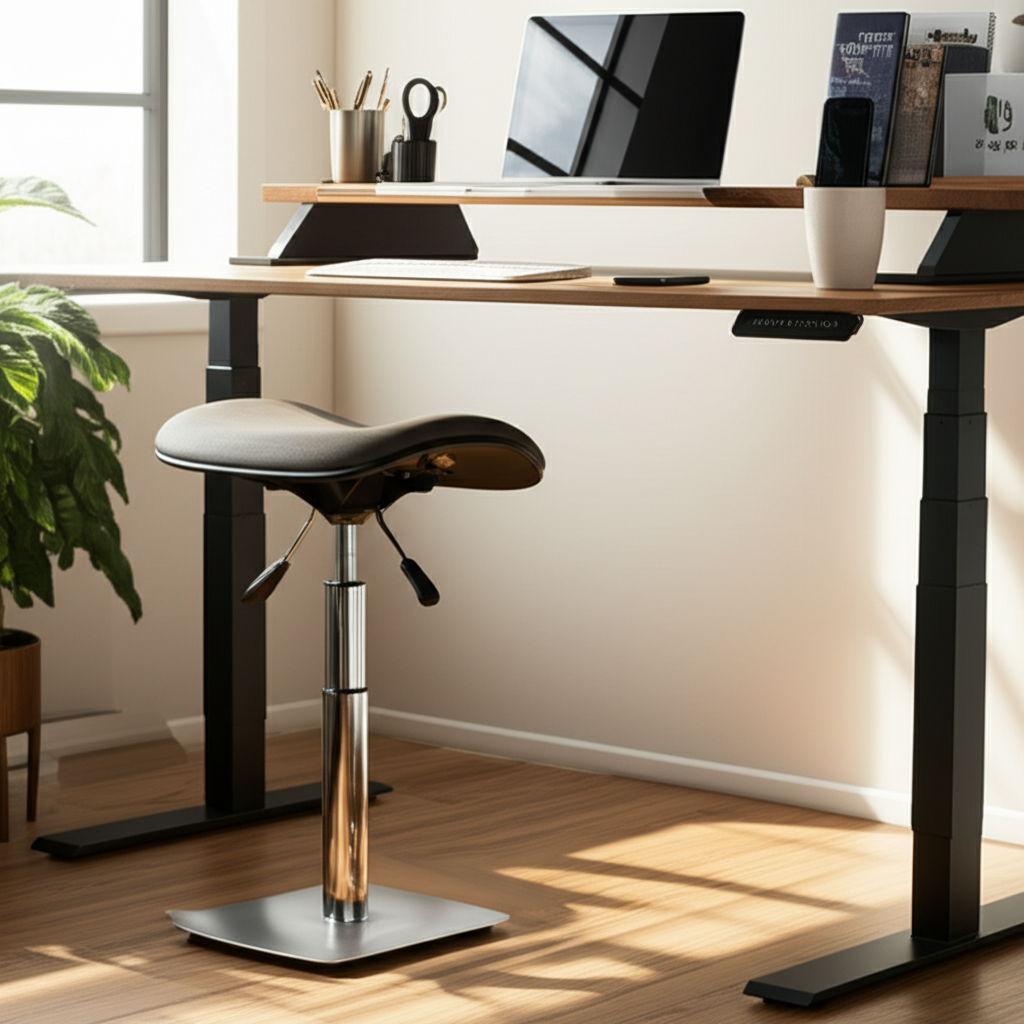
An adjustable stool for your standing desk is an essential, effortless way to boost comfort and productivity. It offers a flexible seating option, reducing fatigue and improving posture when you need a break from standing. This guide helps you find the perfect stool for your workspace.
Are you tired of feeling stiff and sore after a long day at your standing desk? Many people find that standing all day can be just as tiring as sitting. It’s a common frustration for remote workers and office professionals alike. The good news is there’s a simple solution. An adjustable stool can provide the perfect balance, letting you switch between standing and perching. This guide will walk you through everything you need to know about choosing the best adjustable stool for your standing desk setup.
Contents
- 1 Why an Adjustable Stool is a Game-Changer for Your Standing Desk
- 2 Key Features to Look For in an Adjustable Stool
- 3 Types of Adjustable Stools for Standing Desks
- 4 Setting Up Your Adjustable Stool for Optimal Ergonomics
- 5 Top Adjustable Stools for Standing Desk Users
- 6 Integrating Your Stool into a Productive Workflow
- 7 Common Challenges and How to Overcome Them
- 8 Standing Desk Stool vs. Ergonomic Chair: When to Choose Which
- 9 Frequently Asked Questions About Adjustable Stools for Standing Desks
- 10 Conclusion: Make Your Standing Desk Even Better
- 11 Author
Why an Adjustable Stool is a Game-Changer for Your Standing Desk

An adjustable stool offers a dynamic way to work. It’s not just a chair; it’s a tool for better ergonomics. It allows you to change your position frequently, which is key to a healthy workspace.
The Benefits of Alternating Positions
Switching between standing, sitting, and perching keeps your body moving. This movement helps prevent stiffness and reduces strain on your back and legs. It also boosts blood flow, which can improve focus and energy levels.
Reducing Fatigue and Discomfort
Standing desks are great, but standing for too long can lead to tired feet and legs. An adjustable stool gives you a comfortable place to rest briefly without fully committing to sitting. This reduces overall fatigue and makes your workday more comfortable.
Enhancing Posture and Ergonomics
The right stool encourages good posture. You can adjust its height to match your standing desk, allowing for a relaxed yet supportive perching position. This promotes a more neutral spine alignment than hunching over a traditional desk.
Key Features to Look For in an Adjustable Stool
Not all stools are created equal. When picking one for your standing desk, consider these important features. They ensure comfort, durability, and a perfect fit for your needs.
Adjustability Range
Look for a stool with a wide height adjustment range. This allows you to easily match it to your standing desk height. It should also be simple to adjust, whether you’re sitting or standing.
Seat Comfort and Design
The seat should be comfortable for short perching sessions. Consider the padding, shape, and material. Some prefer a contoured seat for better support, while others like a simple, firm surface.
Base Stability and Mobility
A stable base is crucial for safety. It should not wobble when you sit or move. If you plan to move the stool often, consider one with casters for easy mobility.
Material and Durability
Stools come in various materials like metal, wood, and plastic. Choose materials that are durable and easy to clean. A sturdy construction ensures the stool will last for years.
Types of Adjustable Stools for Standing Desks
There are several types of stools designed for standing desks. Each offers unique benefits for different users and preferences.
Saddle Stools
Saddle stools promote an open hip angle and encourage good posture. They often look like a horse’s saddle and help you engage your core muscles. These are great for active sitting.
Anti-Fatigue Mats vs. Stools: What’s Best?
While anti-fatigue mats help when standing, they don’t offer a resting option. Stools provide a place to perch and shift your weight. Many users find a combination of a standing desk, a stool, and occasional standing to be the most effective ergonomic setup.
Task Stools
Task stools are often simpler and more compact. They can be easily moved and tucked away. Many feature adjustable heights and swivel bases for added convenience.
Drafting Stools
Drafting stools are typically taller than standard stools. They are designed to be used with higher work surfaces, making them ideal for many standing desks. They often have a foot ring for added support.
Setting Up Your Adjustable Stool for Optimal Ergonomics
Proper setup is key to getting the most out of your adjustable stool. Following these guidelines ensures you work comfortably and safely.
Matching Stool Height to Desk Height
The ideal perching height is when your elbows are at a 90-degree angle when resting on the desk. Your feet should be flat on the floor or a footrest. This alignment reduces strain on your wrists and shoulders.
Foot Placement and Support
Your feet should be comfortably flat on the floor or a stable footrest. If the stool is too tall and your feet don’t reach the floor, a footrest is essential. This prevents dangling legs, which can cause discomfort.
Body Alignment and Posture
When perched, maintain an upright posture. Your back should be straight, and your shoulders relaxed. Avoid leaning or hunching. The stool should support this natural alignment.
Top Adjustable Stools for Standing Desk Users
Based on user reviews and expert recommendations, here are some highly-rated adjustable stools. They offer a great blend of features and value for your home office.
| Stool Model | Key Features | Best For | Price Range |
| :——————- | :———————————————— | :—————————————- | :———- |
| [Stool A] | Wide height range, contoured seat, sturdy base | All-around use, comfort seekers | $$ |
| [Stool B] | Saddle design, active sitting, easy mobility | Core engagement, frequent position changes | $$$ |
| [Stool C] | Tall height range, foot ring, durable construction | Taller desks, heavy-duty use | $$ |
| [Stool D] | Compact, lightweight, simple adjustment | Small spaces, occasional perching | $ |
Note: Prices are approximate and can vary.
Integrating Your Stool into a Productive Workflow
An adjustable stool isn’t just about comfort; it’s about enhancing your productivity. By using it wisely, you can stay focused and energized throughout the day.
The Power of Micro-Breaks
Use your stool for short, frequent breaks from standing. Perching for 10-15 minutes every hour can make a big difference. It helps reset your body and mind without disrupting your workflow.
Shifting Positions for Focus
Switching between standing and perching can help you regain focus. If you feel your concentration waning, a change in position might be all you need. This dynamic approach keeps your brain engaged.
Avoiding Prolonged Static Postures
The biggest benefit of a standing desk and stool combo is avoiding static postures. Whether you stand or sit for too long, it can cause problems. Alternating positions keeps your body adapting and reduces the risk of strain.
Common Challenges and How to Overcome Them
Even with the best stool, you might encounter a few issues. Here’s how to tackle them effectively.
Stool is Too High or Too Low
If the stool’s height range doesn’t quite match your desk, try using a footrest or a stable riser. Some stools have small adjustment increments that can be frustrating. Always check the stool’s full adjustment range before buying.
Finding the Right Stool for Your Body Type
People have different body shapes and sizes. What works for one person might not work for another. Consider the seat width, depth, and padding to ensure a comfortable fit for your unique needs.
Stool Wobbles or Feels Unstable
A wobbly stool is a safety hazard. Ensure the base is wide and heavy enough for stability. Check that all parts are securely assembled. If it continues to wobble, contact the manufacturer for support.
Standing Desk Stool vs. Ergonomic Chair: When to Choose Which
Choosing between an adjustable stool and an ergonomic chair for your standing desk setup depends on your goals. Both have their place in a healthy workspace.
Ergonomic Chairs for Full Support
Ergonomic chairs offer full back and lumbar support. They are ideal for longer periods of sitting or for individuals who need significant back support. However, they can encourage prolonged sitting.
Stools for Dynamic Movement
Adjustable stools are best for encouraging movement and alternating positions. They are less about prolonged sitting and more about providing a flexible perching option. This dynamic approach is often more beneficial for standing desk users.
Hybrid Workspaces
Many people create hybrid setups. They might use a comfortable ergonomic chair for focused work and an adjustable stool for lighter tasks or short breaks. This offers the best of both worlds.
Frequently Asked Questions About Adjustable Stools for Standing Desks
Here are answers to common questions about using an adjustable stool with your standing desk.
Can an adjustable stool replace my regular chair?
An adjustable stool can be a great addition, but it may not fully replace a traditional ergonomic chair for everyone. It’s best for alternating positions and perching. For long periods of sitting, a supportive ergonomic chair is usually preferred.
What is the ideal height for a standing desk stool?
The ideal height allows your elbows to rest at a 90-degree angle on your desk. Your feet should be flat on the floor or a footrest. This varies depending on your desk height and your own body.
Are saddle stools good for standing desks?
Yes, saddle stools are excellent for standing desks. They promote an open hip angle and encourage good posture. They also help engage your core muscles, making them a great tool for active sitting.
How often should I switch between standing and perching?
It’s recommended to switch positions frequently. Aim to change your posture every 30-60 minutes. This could mean standing for a while, then perching on your stool, or taking a short walk.
Do I need an anti-fatigue mat if I have a stool?
An anti-fatigue mat is primarily for standing. If you plan to stand for extended periods, it can help. However, if you will be perching on a stool most of the time, a mat might be less essential.
Conclusion: Make Your Standing Desk Even Better
An adjustable stool for your standing desk is a simple yet powerful tool. It offers the flexibility you need to stay comfortable, energized, and productive throughout your workday. By choosing the right stool and setting it up correctly, you can significantly enhance your ergonomic setup. Don’t let fatigue hold you back; invest in an adjustable stool and experience the effortless difference it can make. Explore options that fit your space and needs to create your ideal work environment.
For more tips on optimizing your home office, check out our guides on ergonomic keyboards and monitor stands.
