


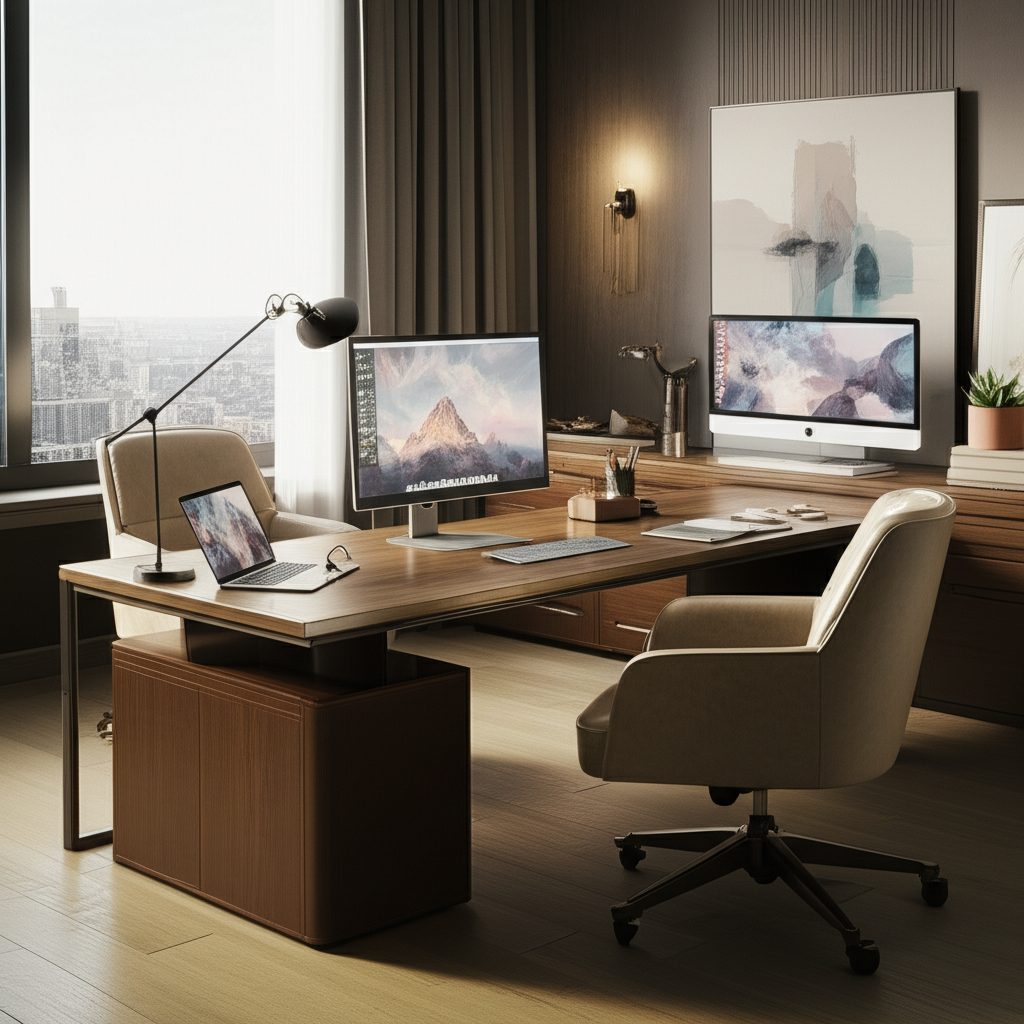
Published on: September 1, 2025 | Updated on: September 1, 2025
Two desk office layout ideas are essential for creating productive, shared, or multi-functional home workspaces. Explore genius configurations that maximize efficiency and comfort for remote workers and families.
Two Desk Office Layout Ideas: Essential, Genius Configurations for Productivity and Harmony
Feeling cramped or unproductive in your home office? Many of us share our workspace with family, colleagues, or simply need distinct zones for different tasks. Finding the perfect arrangement for two desks can transform a chaotic corner into a haven of efficiency and calm. I’ve helped countless people optimize their home offices, and I know that with the right layout, you can achieve both functionality and a beautiful aesthetic. Let’s dive into some genius two-desk office layout ideas that will boost your productivity and well-being.
Contents
- 1 Why Two Desks? Maximizing Space and Functionality
- 2 The Tandem Desk: Side-by-Side Synergy
- 3 The Back-to-Back Brilliance: Privacy and Focus
- 4 The L-Shaped Advantage: Corner Comfort and Expansion
- 5 The Parallel Powerhouse: Facing Forward Together
- 6 The “Facing Each Other” Dynamic: Direct Collaboration and Communication
- 7 The Corner Nest: Maximizing Awkward Spaces
- 8 The Room Divider Strategy: Defining Zones in Open Spaces
- 9 Ergonomics: The Foundation of Your Two-Desk Setup
- 10 Storage and Organization: Keeping Two Workspaces Tidy
- 11 Lighting and Décor: Setting the Mood for Productivity
- 12 Frequently Asked Questions About Two Desk Office Layouts
- 13 Conclusion: Your Optimized Two-Desk Workspace Awaits
- 14 Author
Why Two Desks? Maximizing Space and Functionality

When you think about a home office, you might envision a single, solitary desk. However, the reality for many remote professionals, freelancers, or even students is that one desk simply isn’t enough. Perhaps you need a dedicated space for focused work and another for creative brainstorming or video calls. Maybe you share your office with a partner, a child doing homework, or a sibling. Whatever your situation, strategically placing two desks can unlock incredible potential for your workspace. It’s about creating distinct zones, fostering collaboration, or simply giving yourself more room to spread out and think.
The Benefits of a Two-Desk Setup
Enhanced Productivity: Separate zones for different tasks can minimize distractions and promote deeper focus.
Improved Collaboration: Ideal for couples or business partners working from home, allowing for parallel work without constant interruption.
Flexibility and Adaptability: Easily switch between different types of work or accommodate various user needs.
Space Optimization: Smart layouts can make even small rooms feel more spacious and organized.
The Tandem Desk: Side-by-Side Synergy
One of the most popular and straightforward two desk office layout ideas is the tandem setup, where two desks are placed side-by-side. This configuration is fantastic for couples or partners who work together, allowing for easy communication and a sense of shared space. It’s also a great option if you simply need more surface area for your own projects. The key here is ensuring adequate space between the desks for comfort and access, or even positioning them flush against a wall.
Key Considerations for Tandem Desks
Spacing: Leave enough room for comfortable seating and easy movement. Aim for at least 2-3 feet between the back of one chair and the front of the other if facing the same direction.
Ergonomics: Ensure both individuals have comfortable, ergonomic setups, including proper chair height and monitor placement. Consider adjustable monitor arms to optimize individual viewing angles.
Power and Connectivity: Plan for sufficient outlets and cable management solutions to keep the area tidy.
Lighting: Position desks to take advantage of natural light, or use adjustable task lighting for each workspace.
This side-by-side arrangement promotes a feeling of connection and makes collaboration effortless, turning your shared office into a productivity powerhouse.
The Back-to-Back Brilliance: Privacy and Focus
For those who need to maximize individual focus while sharing a space, the back-to-back desk layout is a genius solution. This arrangement creates a natural division, offering a sense of privacy for each person. It’s particularly effective in larger rooms or open-plan areas where you want to define distinct work zones without building walls. By placing desks with their backs to each other, you minimize visual distractions and create a more personal work bubble.
Optimizing the Back-to-Back Layout
Central Divider: Consider a low bookshelf, a potted plant, or even a decorative screen to further enhance the separation and add visual interest. This also provides valuable storage.
Sufficient Clearance: Ensure there’s enough space behind each desk for chairs and movement, typically at least 3-4 feet.
Cable Management: This setup can be a bit trickier for cables. Invest in cable raceways, grommets, or under-desk trays to keep wires neat and out of sight.
Lighting Solutions: Since natural light might be split, individual desk lamps or adjustable floor lamps are essential for balanced illumination.
This layout is a masterclass in creating personal space within a shared environment, fostering deep work for everyone involved.
The L-Shaped Advantage: Corner Comfort and Expansion
An L-shaped desk configuration is incredibly versatile and a smart choice for two desk office layout ideas, especially when you have a corner space or want to create a more expansive work surface. You can achieve this by using two separate L-shaped desks, or by combining two rectangular desks at a right angle. This layout naturally defines different work zones – one for primary tasks and the other for secondary activities like meetings, reference materials, or creative work.
Maximizing Your L-Shaped Workspace
Corner Placement: This layout is perfect for utilizing often-underused corner spaces, making them highly functional.
Zone Definition: Dedicate one leg of the L to your computer and core tasks, and the other to paperwork, phone calls, or a secondary monitor.
Ergonomic Flow: Arrange your setup so that essential items are within easy reach, minimizing unnecessary movement.
Storage Integration: Utilize the corner space effectively with corner shelving units or filing cabinets that fit snugly into the angle.
The L-shape offers a natural flow and a sense of spaciousness, making it an excellent choice for dynamic work environments.
The Parallel Powerhouse: Facing Forward Together
Similar to the tandem setup, the parallel desk layout involves placing two desks facing the same direction, often along a long wall. This arrangement is excellent for team environments or when you want to maintain a sense of connection while working. It’s a clean, organized look that can make a room feel larger and more cohesive. The key is ensuring enough space between the desks for comfort and access, creating individual work zones that feel distinct yet connected.
Tips for Parallel Desk Success
Wall Mounting: If space is tight, consider wall-mounted desks to create a floating effect, which can make the room feel more open.
Monitor Placement: Use monitor arms or stands to adjust height and angle for each user, preventing neck strain and optimizing viewing.
Shared vs. Individual Storage: Decide if you need shared storage solutions like a long bookshelf between desks, or individual filing cabinets at each workstation.
Aesthetic Cohesion: Use matching or complementary desk accessories and décor to unify the space visually.
This parallel arrangement fosters a sense of teamwork and shared purpose, making it ideal for collaborative remote work or study sessions.
The “Facing Each Other” Dynamic: Direct Collaboration and Communication
When direct interaction and constant communication are paramount, placing two desks facing each other can be incredibly effective. This layout is ideal for pairs who need to collaborate frequently, discuss ideas, or simply enjoy the proximity. It fosters a strong sense of partnership and makes sharing resources or information seamless. However, it’s crucial to ensure adequate space to avoid feeling too cramped and to manage potential distractions.
Making “Facing Each Other” Work
Sufficient Spacing: Allow ample legroom and space for chairs to swivel. A minimum of 4-5 feet between the desk edges is recommended.
Cable Management is Crucial: With desks facing each other, cables can become a tangled mess. Utilize under-desk trays, cable sleeves, and wireless peripherals where possible.
Lighting Balance: Ensure each workspace has adequate, individual lighting to prevent glare and eye strain.
Visual Barriers (Optional): If the direct eye contact becomes too distracting, consider small desk-mounted privacy panels or strategically placed plants.
This layout cultivates a dynamic, interactive environment perfect for pairs who thrive on direct collaboration and shared energy.
The Corner Nest: Maximizing Awkward Spaces
Corner rooms or oddly shaped spaces can be challenging to furnish, but they often present an opportunity for creative two desk office layout ideas. By placing desks in a corner, either at a right angle to each other or forming an L-shape around the corner, you can transform a dead space into a highly functional work area. This is particularly useful for smaller offices or when you need to fit two workspaces into a room without taking up too much central floor space.
Conquering Corner Challenges
Corner Desks: Specially designed corner desks can fit snugly and efficiently into these spaces.
Two Rectangular Desks: Place two desks at a right angle to form an L-shape within the corner.
Vertical Storage: Maximize the wall space above and around the desks with wall-mounted shelves or monitor risers.
Task Lighting: Ensure adequate lighting, as corners can often be darker areas. Consider corner desk lamps or wall sconces.
This layout is a smart way to utilize every inch of your office, creating a cozy yet productive nook.
The Room Divider Strategy: Defining Zones in Open Spaces
If you’re working with a larger, open-plan room or a studio apartment, using desks as room dividers can be a brilliant two desk office layout idea. Placing two desks back-to-back or perpendicular to each other in the middle of the room can effectively create distinct zones without the need for permanent walls. This not only adds structure and organization but can also enhance the aesthetic appeal of the space, making it feel more intentional and less like a single, multipurpose area.
Implementing the Divider Technique
Desk Placement: Position desks to create clear pathways and define work areas from living or relaxation zones.
Storage as Dividers: Utilize bookshelves or storage units placed between or behind the desks to further enhance the separation and add functionality.
Acoustic Considerations: If noise is a concern, consider acoustic panels or soft furnishings to help absorb sound between the zones.
Cable Management: Ensure cables are neatly managed, perhaps running them through a central console or using wireless solutions to maintain a clean look.
This approach elegantly segments larger spaces, offering both privacy and a visually appealing separation of functions.
Ergonomics: The Foundation of Your Two-Desk Setup
No matter which layout you choose, prioritizing ergonomics is absolutely essential. When you have two desks, it means you have two individuals who need comfortable, supportive workspaces to prevent strain and promote long-term health. Investing in good chairs, proper monitor height, and keyboard positioning is paramount for productivity and well-being. I always recommend adjustable chairs and monitor arms to cater to individual needs.
Essential Ergonomic Elements for Two Desks
Ergonomic Chairs: Look for chairs with adjustable height, lumbar support, armrests, and tilt functions.
Monitor Height: The top of your monitor should be at or slightly below eye level. Use monitor stands or adjustable arms to achieve this.
Keyboard and Mouse Placement: Your elbows should be at a 90-degree angle when typing, with wrists straight. Consider ergonomic keyboards and mice.
Desk Height: Ensure your desk height allows for proper arm positioning. A standing desk converter or adjustable-height desk can be excellent investments.
Footrests: If your feet don’t comfortably rest flat on the floor, a footrest can improve posture and circulation.
Creating an ergonomic foundation ensures that both workspaces are not just functional, but also healthy and sustainable for daily use.
Storage and Organization: Keeping Two Workspaces Tidy
With two desks, the potential for clutter multiplies. Effective storage and organization are crucial for maintaining a productive and serene environment. Think vertically with shelves, utilize desk organizers, and invest in filing cabinets or drawers. Cable management is also a non-negotiable; messy wires can be a major distraction and a safety hazard. Keeping both workstations neat will significantly boost focus and efficiency for everyone.
Smart Storage Solutions for Dual Desks
Vertical Shelving: Wall-mounted shelves or tall bookcases can store books, binders, and decorative items, freeing up desk space.
Desk Organizers: Use trays, pen cups, and drawer dividers to keep small items sorted and easily accessible.
Filing Cabinets/Drawers: Essential for paperwork, these can be placed under desks or beside them. Consider mobile pedestals for flexibility.
Cable Management Systems: Invest in cable clips, raceways, sleeves, or under-desk trays to tame unruly wires.
Utilize Wall Space: Pegboards or wall-mounted organizers can hold supplies and accessories, keeping desks clear.
A well-organized space is key to maximizing productivity and minimizing stress in any home office, especially with two workstations.
Lighting and Décor: Setting the Mood for Productivity
The right lighting and décor can transform your two-desk office from merely functional to inspiring. Natural light is always best, so position your desks to maximize it if possible. Supplement with layered lighting: ambient light for the room, task lighting for each desk, and accent lighting for a pleasant atmosphere. Choose décor that reflects your personality and promotes a calm, focused mindset. Consider plants, artwork, or motivational quotes to personalize your space.
Creating an Inspiring Workspace
Natural Light: Position desks near windows, but consider blinds or curtains to control glare.
Ambient Lighting: Overhead lighting or floor lamps to illuminate the general space.
Task Lighting: Desk lamps for focused illumination on each workstation. Adjustable options are ideal.
Accent Lighting: String lights or small lamps to add warmth and ambiance.
Color Psychology: Use calming colors like blues and greens for focus, or warmer tones for creativity.
Personal Touches: Add plants, artwork, or photos that inspire and motivate you.
Thoughtful lighting and décor contribute significantly to a positive and productive work environment for both occupants.
Frequently Asked Questions About Two Desk Office Layouts
Q1: What is the best layout for two desks in a small room?
For small rooms, consider the back-to-back layout or an L-shaped configuration in a corner to maximize space. Wall-mounted desks can also be a great option to create a floating feel and save floor space.
Q2: How much space do I need between two desks?
It depends on the layout. For side-by-side or parallel desks, aim for at least 2-3 feet between the back of one chair and the front of the other. For desks facing each other, allow 4-5 feet for comfortable movement.
Q3: How can I manage cables with two desks?
Use cable raceways, sleeves, clips, or under-desk trays to bundle and hide wires. Wireless peripherals and power strips with surge protection are also very helpful.
Q4: What if my partner and I have different work styles?
The back-to-back layout or L-shaped setup can create distinct zones that cater to different needs. Ensure each workspace has personalized lighting and storage solutions.
Q5: Can I use different types of desks in the same office?
Yes, absolutely! You could pair a standing desk with a traditional sitting desk, or use two desks of different sizes or styles if they complement each other aesthetically. The key is cohesion in color or material if possible.
Q6: How do I ensure good lighting for both desks?
Maximize natural light by placing desks near windows. Supplement with individual task lighting for each desk, such as adjustable desk lamps, and ensure general room lighting is adequate.
* Q7: What’s the best way to divide a shared office space with two desks?
You can use the desks themselves as dividers (e.g., back-to-back), or incorporate furniture like low bookshelves or screens between them to create distinct zones and add storage.
Conclusion: Your Optimized Two-Desk Workspace Awaits
Designing a home office with two desks doesn’t have to be a challenge. By exploring these essential and genius two desk office layout ideas, you can create a space that is both functional and inspiring. Whether you opt for a collaborative tandem setup, a focused back-to-back arrangement, or a space-saving L-shape, remember to prioritize ergonomics, smart storage, and thoughtful lighting. Tailoring the layout to your specific needs and space will ensure a productive, comfortable, and harmonious work environment. Now, go forth and create your ideal dual-desk workspace!
