


Published on: September 2, 2025 | Updated on: September 2, 2025
Learn how to clean your jewelry at home with these proven, essential tips. Restore sparkle to your favorite pieces using safe and effective methods, ensuring they last for years to come.
Keeping your jewelry sparkling at home doesn’t require expensive trips to the jeweler. With a few common household items and a bit of know-how, you can restore the shine to your precious metals and gemstones. This guide will walk you through the safest and most effective ways to clean your jewelry, ensuring your treasured pieces look their best without damage. Get ready to give your jewelry the spa treatment it deserves right in your own kitchen!
Why Cleaning Your Jewelry At Home Matters
Regularly cleaning your jewelry at home is crucial for maintaining its beauty and longevity. Dirt, oils, and lotions can dull the shine of your favorite pieces, making them look old and worn. Proper cleaning prevents the buildup of these substances, which can also irritate the skin for those with sensitivities. By following simple home cleaning methods, you protect your investment and keep your jewelry looking as vibrant as the day you bought it.
The Importance of Gentle Cleaning for Precious Metals

Precious metals like gold, silver, and platinum are durable but can still be scratched or tarnished if not handled with care. Harsh chemicals or abrasive scrubbing can easily damage their delicate surfaces. Therefore, understanding the right cleaning techniques is paramount to preserving the integrity of your jewelry. Gentle, consistent cleaning ensures your metal pieces retain their luster and structural soundness for generations.
Essential Tools and Supplies for Home Jewelry Cleaning
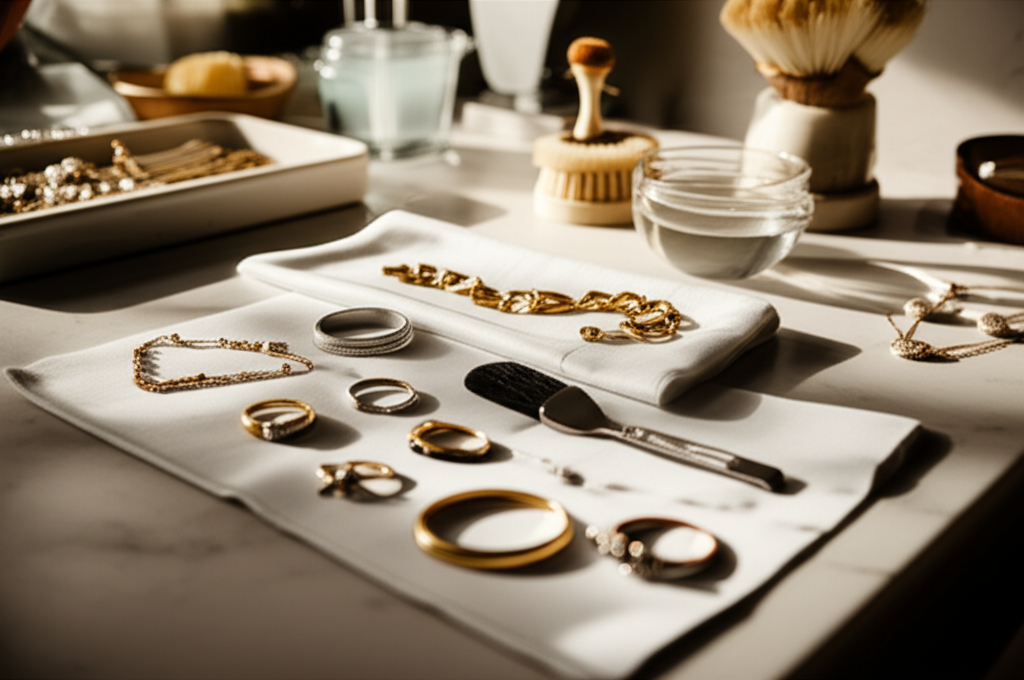
Gathering the right tools is the first step to effectively cleaning your jewelry at home. You likely already have most of these items in your kitchen or bathroom. Having these on hand will make the process smooth and efficient.
What You’ll Need to Get Started
Soft cloths: Microfiber cloths are ideal for polishing without scratching.
Mild dish soap: A gentle, non-abrasive soap is key for loosening grime.
Warm water: This helps to dissolve dirt and oils.
Small bowls or containers: For soaking your jewelry.
Soft-bristled toothbrush: A dedicated, soft brush for intricate areas.
Tweezers: To safely handle small or delicate pieces.
A clean, dry towel: For gently drying your jewelry after cleaning.
Optional but Helpful Additions
Ammonia-based cleaner: For extra tough grime on certain metals.
Rubbing alcohol: Useful for disinfecting and drying certain types of jewelry.
Baking soda paste: A mild abrasive for stubborn tarnish on silver.
Jewelry polishing cloths: Specifically designed for different metals.
How to Clean Gold Jewelry at Home Safely
Gold jewelry, whether yellow, white, or rose, is relatively easy to clean at home. The key is to avoid harsh chemicals that can strip its plating or damage intricate settings. A simple soap and water solution is usually all you need to bring back its gleam.
The Gentle Soap and Water Method
For most gold jewelry, a simple mixture of warm water and a few drops of mild dish soap is highly effective. This solution gently lifts away dirt, oil, and residue without causing harm. You can confidently use this method for everyday cleaning to keep your gold pieces looking their best.
Step-by-Step Guide to Cleaning Gold Jewelry
1. Prepare the solution: Mix warm water with a small amount of mild dish soap in a small bowl.
2. Soak the jewelry: Place your gold jewelry into the solution and let it soak for about 15-20 minutes.
3. Gentle scrubbing: Use a soft-bristled toothbrush to gently scrub around the settings and crevices. Be extra careful with delicate pieces.
4. Rinse thoroughly: Rinse the jewelry under cool, running water to remove all soap residue.
5. Dry and polish: Pat the jewelry dry with a soft, lint-free cloth, then buff gently to restore its shine.
Dealing with Stubborn Grime on Gold
If soap and water aren’t enough for very dirty gold pieces, you can try a solution of one part ammonia to six parts water. Soak the jewelry for no more than 10 minutes, then rinse and dry as usual. This method is generally safe for solid gold, but avoid it for plated or antique gold items. Always test on an inconspicuous area first if you’re unsure.
Effective Ways to Clean Silver Jewelry at Home
Silver jewelry is prone to tarnishing, a chemical reaction that turns the metal dark. Fortunately, there are several easy home remedies to restore its bright, silvery sheen. Tackling tarnish promptly will prevent it from becoming deeply ingrained.
The Baking Soda and Aluminum Foil Method
One of the most popular and effective home methods for cleaning tarnished silver involves baking soda and aluminum foil. This chemical reaction gently lifts the tarnish without abrasive scrubbing, protecting your silver’s surface. It’s a surprisingly simple yet powerful technique for reviving dull silver items.
How to Use Baking Soda and Foil for Silver Tarnish
1. Line a bowl: Line a glass or ceramic bowl with aluminum foil, shiny side up.
2. Add baking soda: Sprinkle a tablespoon or two of baking soda into the bowl.
3. Submerge jewelry: Place your tarnished silver jewelry onto the foil, ensuring it makes contact.
4. Pour hot water: Carefully pour hot water into the bowl, enough to cover the jewelry.
5. Observe the reaction: You’ll see a slight fizzing as the tarnish transfers to the foil. Let it sit for a few minutes.
6. Rinse and dry: Remove the jewelry with tweezers, rinse under cool water, and dry thoroughly with a soft cloth.
Using Silver Polishing Cloths
For light tarnish or general upkeep, a dedicated silver polishing cloth is an excellent tool. These cloths are impregnated with a special cleaning solution and polishing agents. Simply rub the jewelry gently with the cloth to remove tarnish and restore shine. They are convenient for quick touch-ups and maintaining the luster between deeper cleanings.
When to Consider Professional Cleaning for Silver
While home methods are great, some intricate silver pieces with gemstones or delicate filigree might require professional attention. If your silver has pearls, turquoise, or other porous stones, home cleaning methods could cause damage. A jeweler can safely clean these items, ensuring no harm comes to the stones or the metalwork.
Cleaning Platinum and Other White Metals
Platinum and other white metals like palladium offer a naturally bright, white luster that is quite durable. Their cleaning process is similar to that of gold, focusing on removing dirt and oil buildup. The key is to maintain their inherent shine without introducing abrasive elements.
Maintaining the Lustre of Platinum Jewelry
Platinum is a dense and resilient metal, making it resistant to tarnishing. However, it can accumulate dirt and oils from daily wear, dulling its brilliant white appearance. Gentle cleaning methods are best to preserve its natural luster and prevent any microscopic scratches.
Simple Cleaning Steps for Platinum
1. Mild soap solution: Create a mixture of warm water and a mild dish soap in a bowl.
2. Soak and scrub: Submerge your platinum jewelry for about 20-30 minutes, then gently scrub with a soft-bristled toothbrush.
3. Rinse well: Rinse the jewelry thoroughly under running water to remove all soap.
4. Dry and buff: Gently pat dry with a soft cloth and then buff to restore its shine.
Cleaning White Gold and Palladium
White gold is typically alloyed with white metals and then plated with rhodium for a bright, silvery finish. Palladium, on the other hand, is naturally white and durable. Both can be cleaned using the mild soap and water method described for gold. Be cautious with white gold if the rhodium plating is worn, as the underlying yellow gold might show.
Caring for Gemstone Jewelry at Home
Gemstone jewelry requires a more delicate approach to cleaning, as different stones have varying sensitivities to chemicals and abrasion. Always identify your gemstone before attempting any cleaning to avoid potential damage. Some stones can be cleaned with soap and water, while others need special care or should only be cleaned by a professional.
Safe Cleaning for Most Gemstones
For durable gemstones like diamonds, sapphires, and rubies, a mild soap and warm water solution is usually safe. Soak the jewelry for a short period, then gently brush with a soft toothbrush. Rinse thoroughly and dry with a soft cloth. This method is effective for removing everyday grime and restoring sparkle.
Gemstones to Handle with Extreme Care
Certain gemstones are more porous or sensitive and can be damaged by home cleaning methods. These include pearls, opals, emeralds, turquoise, coral, and amber. Avoid ultrasonic cleaners, harsh chemicals, and even prolonged soaking, as these can cause color loss, cloudiness, or structural damage.
Specific Care for Delicate Gemstones
Pearls: Gently wipe with a damp cloth after wearing. For cleaning, use only a slightly damp cloth with a tiny drop of mild soap if necessary, then wipe with a clean damp cloth and dry immediately.
Opals: Never soak opals in water or expose them to harsh chemicals. Wipe gently with a soft, dry cloth.
Emeralds: Due to their natural inclusions, emeralds are fragile. Clean them with a soft, dry cloth or a very slightly damp cloth. Avoid any cleaning solutions.
When to Seek Professional Gemstone Cleaning
If your gemstone jewelry features any of the delicate stones mentioned above, or if you’re unsure about a particular stone’s composition, it’s best to consult a professional jeweler. They have the expertise and specialized tools to clean your jewelry safely and effectively, preserving its value and beauty. You can learn more about gemstone care from resources like the Gemological Institute of America (GIA).
Cleaning Costume Jewelry and Fashion Accessories
Costume jewelry, often made from base metals, plastics, beads, and glass, also benefits from cleaning to maintain its appearance. However, these materials are typically less durable than precious metals and gemstones, so gentler methods are essential. Harsh cleaning can quickly ruin the finish or material integrity.
Gentle Cleaning for Fashion Jewelry
For most costume jewelry, a simple wipe-down with a soft, damp cloth is often sufficient. If more cleaning is needed, use a very mild soap solution and a soft cloth, being careful not to saturate porous materials like wood or fabric elements. Always dry thoroughly.
Tips for Cleaning Various Costume Jewelry Materials
Metals: Wipe with a dry or slightly damp cloth. Avoid abrasive cleaners or polishes, which can remove plating.
Glass/Crystals: Use a glass cleaner or a mild soap solution with a soft cloth, then buff dry.
Beads (non-precious): Wipe gently with a damp cloth. If beads are strung on delicate thread, be very careful not to over-wet.
Enamel/Painted pieces: Use a soft, dry cloth for dusting. If cleaning is necessary, use a slightly damp cloth very gently.
Avoiding Damage to Plated and Painted Finishes
Many costume jewelry pieces have plated finishes or painted details that can easily wear away with aggressive cleaning. Always opt for the gentlest method possible. Avoid scrubbing, harsh chemicals, and prolonged exposure to moisture. A quick, careful clean is usually all that’s needed.
Special Considerations for Specific Jewelry Types
Beyond the metal and stones, certain jewelry designs and components require unique care. Understanding these specifics will help you clean your treasured items without inadvertently causing damage. Proper handling is key to preserving intricate details and functional elements.
Cleaning Jewelry with Pearls and Opals
As mentioned, pearls and opals are exceptionally delicate. Pearls have a natural coating called nacre that can be damaged by acids and abrasion. Opals contain water, making them susceptible to drying out and cracking if exposed to extreme temperature changes or harsh cleaners. Always use the gentlest methods, focusing on surface cleaning.
Caring for Engraved and Filigree Jewelry
Intricate designs like engravings or filigree settings can trap dirt and grime. A soft-bristled toothbrush is your best friend here. Use it gently with your mild soap solution to carefully work into these small spaces. Ensure you rinse thoroughly to remove any loosened debris.
Jewelry with Moving Parts or Electronics
Items like watches or jewelry with small moving parts or embedded electronics require specialized cleaning. Never submerge watches unless they are specifically rated for it. For most electronic jewelry, a gentle wipe with a dry or slightly damp cloth is the safest approach. Consult the manufacturer’s instructions for specific care guidelines.
When Not to Clean Jewelry at Home
While home cleaning is effective for many pieces, there are instances where professional intervention is the best course of action. Knowing when to step away from DIY cleaning protects your valuable or delicate items from potential damage. Trusting a professional ensures your jewelry receives the expert care it deserves.
Identifying Jewelry That Needs Professional Care
Valuable heirlooms: If a piece is a priceless family heirloom, the risk of damage during home cleaning might be too high.
Jewelry with loose stones: Stones that are already loose can easily fall out during cleaning or handling.
Pieces with antique or delicate settings: Intricate settings or very old pieces may be more fragile.
Jewelry with porous or sensitive gemstones: As discussed, pearls, opals, turquoise, and similar stones need expert handling.
* Items with significant tarnish or damage: Deeply set tarnish or existing damage might require specialized tools and techniques.
The Risks of DIY Cleaning for Certain Pieces
Attempting to clean jewelry that requires professional care can lead to irreversible damage. This can include stone cracking, metal discoloration, loss of plating, or even the complete destruction of delicate components. It’s always better to err on the side of caution and seek expert advice for high-value or particularly fragile items.
How to Clean My Jewelry at Home: A Quick Reference Table
| Jewelry Type | Recommended Cleaning Method | What to Avoid |
| :—————— | :—————————————————————————————————————————————————– | :———————————————————————————————————————————————————————– |
| Gold (Solid) | Mild dish soap, warm water, soft toothbrush, microfiber cloth. | Harsh chemicals (bleach, chlorine), abrasive cleaners, ultrasonic cleaners (unless specified by jeweler), ammonia for plated gold. |
| Silver (Sterling) | Baking soda & aluminum foil method, silver polishing cloth, mild soap & water. | Abrasive scrubbing, harsh chemicals that can remove patina (if desired), prolonged exposure to air without protection. |
| Platinum | Mild dish soap, warm water, soft toothbrush, microfiber cloth. | Abrasive cleaners, ultrasonic cleaners (unless specified by jeweler). |
| Diamonds | Mild dish soap, warm water, soft toothbrush, microfiber cloth. | Ammonia (can dull diamond appearance over time), ultrasonic cleaners (can dislodge stones). |
| Rubies & Sapphires | Mild dish soap, warm water, soft toothbrush, microfiber cloth. | Ultrasonic cleaners, harsh chemicals, extreme temperature changes. |
| Emeralds | Soft, dry cloth; slightly damp cloth only if necessary. | Soaking, ultrasonic cleaners, steam cleaners, ammonia, harsh chemicals, rapid temperature changes. |
| Pearls | Gently wipe with a slightly damp cloth; very mild soap if necessary, followed by a clean damp cloth and immediate drying. | Soaking, ultrasonic cleaners, steam cleaners, harsh chemicals, direct contact with perfumes or hairspray, abrasive cloths. |
| Opals | Soft, dry cloth. | Soaking in water, ultrasonic cleaners, steam cleaners, harsh chemicals, sudden temperature changes, abrasive cloths. |
| Costume Jewelry | Soft, damp cloth; mild soap & water for non-porous materials; specialized cleaners for specific materials (glass cleaner, etc.). | Harsh chemicals, abrasive cleaners, prolonged soaking, scrubbing, anything that can remove plating or damage finishes. |
Frequently Asked Questions About Home Jewelry Cleaning
How often should I clean my jewelry?
For everyday wear, cleaning your jewelry once a month is generally sufficient. However, pieces worn daily or exposed to lotions, soaps, or sweat might benefit from a quick clean every week or two.
Can I use toothpaste to clean my jewelry?
It’s best to avoid toothpaste for cleaning jewelry. Toothpaste contains abrasives that can scratch and damage the surface of metals and even some gemstones, dulling their finish over time.
Is it safe to clean jewelry in an ultrasonic cleaner at home?
Ultrasonic cleaners can be effective, but they are not suitable for all types of jewelry. They can damage soft gemstones, pearls, opals, and antique or fragile pieces by vibrating them intensely or dislodging stones. Always check if your jewelry is safe for ultrasonic cleaning.
What’s the best way to dry my jewelry after cleaning?
Always pat your jewelry dry with a soft, lint-free cloth, such as a microfiber cloth. Avoid using paper towels, as they can be slightly abrasive and leave lint. Ensure all crevices are dry to prevent water spots or potential damage to sensitive materials.
My silver jewelry is heavily tarnished. Can I still clean it at home?
Yes, for heavily tarnished silver, the baking soda and aluminum foil method is very effective. If the tarnish is extremely deep, you might need to repeat the process or consider a professional cleaning for best results without damaging the metal.
Can I use rubbing alcohol to clean my jewelry?
Rubbing alcohol can be used sparingly for certain types of jewelry, like disinfecting metal components or helping them dry quickly. However, it can damage certain gemstones, coatings, or porous materials. Use it with caution and only on suitable pieces, rinsing afterward if necessary.
Conclusion: Keep Your Treasures Sparkling
Learning how to clean your jewelry at home is an empowering skill that ensures your cherished pieces remain beautiful for years to come. By understanding the right methods for different materials – from the gentle soap and water for gold and platinum to the specialized care for gemstones and costume jewelry – you can confidently maintain their sparkle. Remember to always use soft materials and avoid harsh chemicals or abrasive scrubbing. For particularly valuable, delicate, or antique items, don’t hesitate to consult a professional jeweler. With these proven, essential tips, you can master the art of home jewelry cleaning and keep your treasures looking their absolute best.
