


Published on: September 2, 2025 | Updated on: September 2, 2025
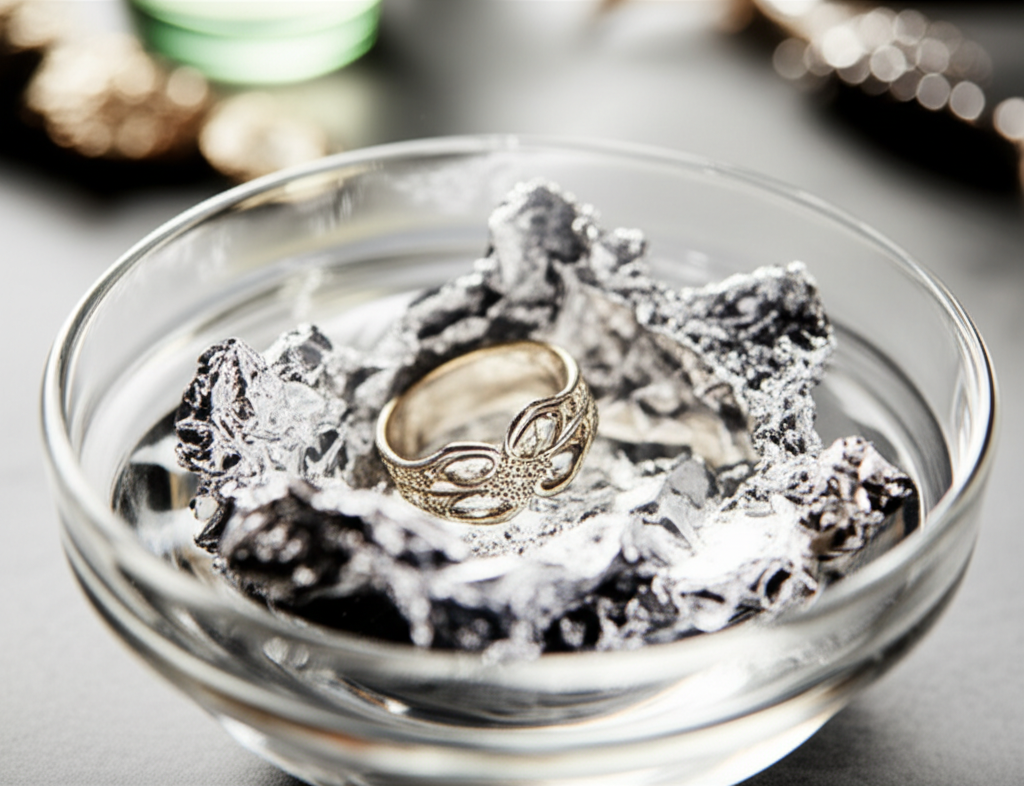
Unlock brilliant shine for your treasured pieces with this simple aluminum foil jewelry cleaning hack, proving effective for restoring sparkle to tarnished items safely and affordably right in your own home.
Is your favorite silver necklace looking dull, or has that gold ring lost its gleam? Tarnished jewelry can be frustrating, making even the most beautiful pieces look old and neglected. Many of us reach for expensive commercial cleaners, but what if I told you a surprisingly effective solution lies right in your kitchen drawer? Get ready to discover a genius, budget-friendly method that uses common household items to bring back your jewelry’s dazzling sparkle.
Why Does Jewelry Tarnish, and How Can We Fix It?
Jewelry tarnish is a natural process, primarily affecting metals like silver, brass, and copper. It occurs when these metals react with sulfur compounds in the air, forming a dark layer on the surface. This layer, though harmless, dulls the shine and can hide the intricate details of your precious items. Understanding this chemical reaction is key to choosing the right cleaning method.
The Science Behind the Aluminum Foil Sparkle: A Chemical Reaction Explained
The magic of cleaning jewelry with aluminum foil lies in a process called ion exchange, a form of electrochemical cleaning. When aluminum foil is combined with hot water and a mild alkaline substance (like baking soda), it creates an environment where the sulfur compounds (tarnish) are attracted to the aluminum. The tarnish essentially transfers from your jewelry to the foil, leaving your metal brighter and cleaner. It’s a gentle yet powerful way to reverse the effects of oxidation.
Gathering Your Supplies: What You’ll Need for This DIY Jewelry Cleaner
Before we dive into the cleaning process, let’s make sure you have everything ready. This method is wonderfully straightforward, requiring minimal supplies. You’ll need aluminum foil, a heat-safe bowl or container, hot water, and baking soda. A soft cloth for drying and polishing is also essential. Having these items on hand ensures a smooth and successful cleaning experience.
Essential Tools and Materials:

- Aluminum foil
- A heat-safe bowl (glass or ceramic works well)
- Baking soda
- Hot water (not boiling, but very hot)
- Soft cloths (microfiber is ideal)
- Your tarnished jewelry
Step-by-Step Guide: How to Clean Jewelry at Home with Aluminum Foil
Now, let’s get down to business and bring that sparkle back! This method is incredibly easy to follow, making it perfect for anyone looking for a quick and effective jewelry cleaning solution. Follow these simple steps to transform your dull pieces into dazzling treasures.
Step 1: Prepare Your Cleaning Station
First, line your heat-safe bowl with aluminum foil, ensuring the shiny side faces up. This foil acts as the reactive surface for the tarnish. It’s important to use a bowl that won’t be damaged by hot water, as heat is a crucial component of this cleaning reaction.
Step 2: Add the Baking Soda
Sprinkle about one to two tablespoons of baking soda evenly over the aluminum foil lining the bowl. Baking soda acts as an electrolyte, helping the chemical reaction along. Don’t be shy with the baking soda; it’s essential for creating the right solution.
Step 3: Introduce the Hot Water
Carefully pour very hot (but not boiling) water into the bowl, enough to submerge your jewelry completely. You should see a slight fizzing reaction as the baking soda and hot water interact with the foil. This is the cleaning power activating.
Step 4: Submerge Your Jewelry
Gently place your tarnished jewelry into the hot water solution, making sure each piece is fully immersed and in contact with the aluminum foil. You might notice a slight odor as the sulfur compounds are released from your jewelry. This is a good sign the process is working.
Step 5: Let the Magic Happen
Allow your jewelry to soak in the solution for about 5 to 10 minutes. For heavily tarnished items, you might need to leave them a bit longer. Observe the water; you’ll likely see it darken as the tarnish transfers from your jewelry.
Step 6: Rinse and Dry Thoroughly
Carefully remove your jewelry from the bowl using tongs or a spoon, as the water will still be hot. Rinse each piece thoroughly under cool running water to remove any residual baking soda or loosened tarnish. Pat your jewelry dry with a soft cloth, ensuring no moisture remains.
Step 7: Polish for Extra Shine
For an extra boost of brilliance, gently polish your now-clean jewelry with a soft polishing cloth. This final step will enhance the shine and remove any lingering smudges, leaving your pieces looking as good as new.
What Types of Jewelry Can You Clean With This Method?
This aluminum foil and baking soda method is particularly effective for sterling silver, gold (10K, 14K, 18K), brass, and copper jewelry. These metals are prone to tarnishing and respond well to the ion exchange process. However, it’s crucial to be aware of certain materials and gemstones that should be kept away from this cleaning solution to prevent damage.
Metals That Shine Brightly:
- Sterling Silver
- Gold (all karats)
- Brass
- Copper
Important Considerations: What to Avoid When Using This Method
While this method is a fantastic DIY solution, it’s not suitable for all types of jewelry. Certain materials and gemstones can be damaged by the alkaline solution or the heat involved. Always exercise caution and know your jewelry’s composition before attempting this cleaning technique.
Jewelry to Handle with Care or Avoid:
- Pearls: Their porous surface can be damaged, and their nacre (lustrous coating) can be stripped away.
- Opals: These gemstones can crack or lose their color due to temperature changes and the chemical reaction.
- Turquoise: This porous stone can absorb the cleaning solution, leading to discoloration or damage.
- Emeralds: Many emeralds are treated with oils or fillers to enhance their clarity, which can be leached out by this cleaning method.
- Costume Jewelry: Plated metals or jewelry with glued-in stones might have finishes that peel or stones that become dislodged.
- Jewelry with Antique Patina: If your piece has a deliberately darkened or aged finish, this method will remove it.
If you’re unsure about a specific piece, it’s always best to consult a professional jeweler. They can advise on the safest cleaning methods for your particular items.
Alternative DIY Jewelry Cleaning Methods for Different Needs
While the aluminum foil method is a star player, other simple DIY solutions can also work wonders for your jewelry. Depending on the material and the type of dirt or tarnish, you might find these alternatives equally effective. Experimenting with different methods can help you find the perfect routine for your collection.
Gentle Soap and Water:
For everyday cleaning or lightly soiled pieces, a mild dish soap mixed with warm water is a safe bet. Use a soft brush (like a toothbrush) to gently scrub and then rinse and dry. This is a good first step for most jewelry types.
Toothpaste (Use with Caution):
A small amount of non-gel, non-whitening toothpaste can be used to gently polish silver. Apply a tiny bit to a soft cloth, rub gently, and rinse thoroughly. However, toothpaste can be abrasive, so use it sparingly and only on sturdy metals.
Ammonia Solution (for Gold and Diamonds):
A solution of one part ammonia to six parts warm water can be effective for cleaning gold and diamonds. Soak for a few minutes, then rinse and dry. This is a stronger solution, so ensure good ventilation and avoid using it on other metals or gemstones.
Comparing the Aluminum Foil Method with Commercial Cleaners
When it comes to cleaning jewelry, you have options ranging from specialized commercial products to simple DIY hacks. The aluminum foil method stands out for its affordability, accessibility, and surprisingly effective results, especially for silver. However, commercial cleaners might offer specialized formulas for specific metals or stone types.
| Feature | Aluminum Foil Method | Commercial Jewelry Cleaners |
| :—————- | :—————————————————– | :————————————————————– |
| Cost | Very low (uses common household items) | Moderate to high |
| Effectiveness | Excellent for tarnish on silver, gold, brass, copper | Varies by product; can be very effective for specific issues |
| Ease of Use | Simple, straightforward steps | Generally easy, but may require specific handling instructions |
| Safety | Generally safe for many metals; avoid delicate stones | Can be harsh; always read labels and warnings |
| Availability | Materials readily available in most homes | Requires purchase from jewelry stores or online |
| Environmental | Eco-friendly, minimal waste | Can contain chemicals that require careful disposal |
Ultimately, the best method depends on your jewelry’s material, the type of cleaning needed, and your personal preference. The aluminum foil method is an excellent starting point for tackling common tarnish.
Tips for Maintaining Your Jewelry’s Sparkle Between Cleanings
Keeping your jewelry looking its best doesn’t just happen during cleaning sessions; proper daily care plays a significant role. By adopting a few simple habits, you can minimize tarnish buildup and keep your pieces gleaming for longer. This proactive approach reduces the need for intensive cleaning.
Daily Care Habits:
- Remove jewelry before activities: Take off rings before washing hands or doing chores, and remove necklaces before showering or exercising to avoid exposure to chemicals, moisture, and friction.
- Store properly: Keep your jewelry in separate, airtight pouches or jewelry boxes to prevent pieces from scratching each other and to minimize air exposure, which causes tarnish.
- Wipe down after wearing: Gently wipe each piece with a soft, dry cloth after wearing to remove oils and sweat that can contribute to tarnish.
Consistent, gentle care will make a world of difference in preserving your jewelry’s beauty. These small steps contribute to a longer lifespan for your treasured items.
Frequently Asked Questions (FAQs) About Cleaning Jewelry with Aluminum Foil
Can I use this method on plated jewelry?
It’s generally not recommended for plated jewelry. The cleaning process can potentially strip away the plating, revealing the base metal underneath. Always test on an inconspicuous area first if you’re unsure.
Will this method damage my gemstones?
Yes, some gemstones, like pearls, opals, turquoise, and emeralds, can be damaged by the heat and the chemical reaction. It’s best to remove these stones or clean them separately using gentler methods.
How often can I use this aluminum foil cleaning method?
You can use this method as needed for tarnished pieces. However, frequent use on the same piece might eventually wear down certain metal finishes. Aim for occasional deep cleaning when tarnish becomes noticeable.
What if my jewelry is still tarnished after trying this?
If the tarnish is very deep or persistent, you might need to repeat the process or try a different cleaning method. Some tarnish can be more stubborn and may require professional attention.
Is the smell from the process normal?
Yes, a slight sulfurous smell is normal. It indicates that the tarnish (sulfur compounds) is being released from the metal and reacting with the aluminum.
Can I use cold water instead of hot water?
While cold water might still offer some benefit due to the aluminum and baking soda, hot water significantly speeds up and enhances the ion exchange process, making the cleaning more effective.
Conclusion: A Sparkle Saver in Your Kitchen
Discovering how to clean jewelry at home with aluminum foil is a revelation for anyone with a collection of tarnished treasures. This accessible, affordable, and surprisingly effective method harnesses a simple chemical reaction to restore the brilliance to your favorite silver, gold, brass, and copper pieces. By following these straightforward steps, you can avoid expensive professional cleaning and keep your jewelry looking its absolute best. Remember to always consider the type of metal and any gemstones your jewelry contains to ensure you’re using the safest approach. With a few common household items and a little bit of know-how, you can easily achieve that genius sparkle and keep your beloved accessories shining for years to come.
