


Published on: September 2, 2025 | Updated on: September 2, 2025
Discover the surprisingly effective and budget-friendly way to restore your jewelry’s sparkle using common baking powder. This simple, DIY method delivers a brilliant shine without harsh chemicals, making it a go-to solution for keeping your precious pieces looking their best.
Are your favorite necklaces, rings, or bracelets looking a little dull and lifeless? We all love to wear our treasured jewelry, but over time, tarnish, lotions, and everyday grime can build up, robbing them of their natural brilliance. You might be tempted to reach for expensive, specialized cleaners, but what if I told you a simple pantry staple could do the job just as effectively, if not better? Get ready to be amazed by the power of baking powder to clean jewelry, offering a gentle yet potent solution for a dazzling shine.
Why Baking Powder is Your Jewelry’s New Best Friend
Baking powder, that unassuming leavening agent found in nearly every kitchen, possesses mild abrasive and alkaline properties that make it surprisingly effective for cleaning. It can gently lift away tarnish and residue without scratching delicate metals, offering a safe and accessible alternative to harsh chemical cleaners. This makes it an ideal solution for anyone looking for a DIY approach to jewelry care.
The Science Behind Baking Powder’s Cleaning Power

The magic of baking powder lies in its composition. It’s a mixture of a carbonate or bicarbonate (like sodium bicarbonate, or baking soda), an acid salt (like cream of tartar), and a filler (like cornstarch). When mixed with water, it creates a mild chemical reaction, producing tiny bubbles that help to loosen dirt and tarnish. Its fine, powdery texture also acts as a very gentle abrasive.
Understanding Jewelry Tarnish and Buildup
Tarnish is a natural process that occurs when metals react with sulfur compounds in the air, causing a discoloration. For silver, this results in a black or grey film. Other jewelry can accumulate a dull film from oils, lotions, soaps, and sweat, obscuring its original shine. Identifying the type of metal and the nature of the buildup is crucial for choosing the right cleaning method.
Gathering Your Tools: What You’ll Need
To harness the power of baking powder for your jewelry, you won’t need a specialized toolkit. Most of these items are likely already in your home, making this a truly convenient and cost-effective cleaning method. Having everything ready ensures a smooth and efficient cleaning process.
Essential Items for a Sparkling Clean
Baking Powder: The star ingredient. Ensure it’s fresh for optimal results.
Water: Lukewarm water works best to activate the baking powder.
Soft Cloths: Microfiber cloths are ideal for polishing without scratching.
Small Bowl or Container: To mix the baking powder paste.
Soft-Bristled Brush: An old, soft toothbrush or a dedicated jewelry brush.
Optional: Aluminum Foil: For a more intensive cleaning method with silver.
Having these simple items readily available means you can tackle dull jewelry whenever the need arises, keeping your pieces consistently radiant.
The Classic Baking Powder Paste Method
This is the most straightforward and popular way to use baking powder for cleaning jewelry. It’s gentle enough for most metals and gemstones, providing a noticeable improvement in shine with minimal effort. I’ve used this method countless times, and it never disappoints for everyday grime.
Step-by-Step Guide to the Paste Method
1. Create the Paste: In a small bowl, mix a tablespoon of baking powder with just enough lukewarm water to form a thick, smooth paste. Aim for a consistency similar to toothpaste.
2. Apply the Paste: Gently apply the paste to your jewelry using your fingers or a soft cloth. Ensure all surfaces, especially intricate details, are covered.
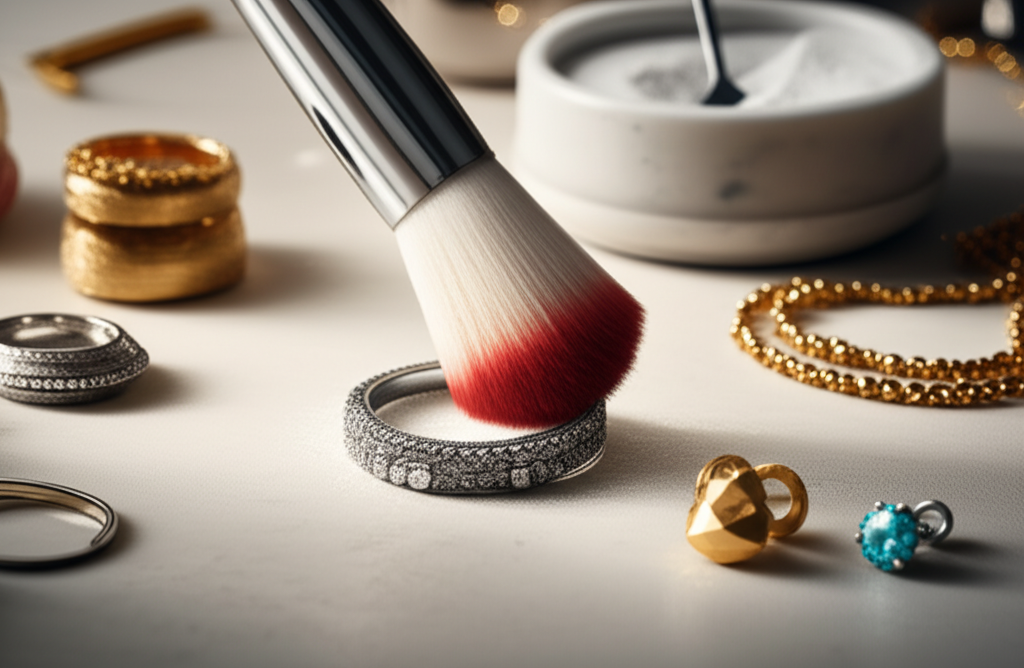
3. Gentle Scrubbing: Using a soft-bristled brush (like an old toothbrush), gently scrub the jewelry. Pay attention to areas with visible tarnish or buildup.
4. Rinse Thoroughly: Rinse the jewelry under lukewarm running water to remove all traces of the baking powder paste.
5. Dry and Polish: Pat the jewelry dry with a soft, lint-free cloth. For an extra shine, buff gently with a clean microfiber cloth.
This method is fantastic for regular maintenance and can revive pieces that have lost their luster due to everyday wear and tear.
What You Can Clean with This Method
This paste method is generally safe for most jewelry types, including:
Sterling Silver: Effectively removes light tarnish.
Gold (10K, 14K, 18K): Cleans away grime without damaging the metal.
Platinum: Restores shine and removes surface dirt.
Certain Gemstones: Such as diamonds, sapphires, and rubies.
However, it’s always wise to exercise caution with softer gemstones or plated jewelry.
The Baking Powder and Aluminum Foil Immersion Method (for Silver)
For more stubborn tarnish on silver jewelry, a slightly more involved method using aluminum foil can be incredibly effective. This technique leverages a chemical reaction to transfer the tarnish from the silver to the foil. I find this particularly useful for older silver pieces that have seen better days.
How the Foil Method Works
This method relies on an electrochemical process. When silver (Ag) comes into contact with baking soda (sodium bicarbonate, NaHCO₃) in hot water, and aluminum (Al) is present, a reaction occurs. The aluminum acts as a sacrificial anode, reacting with the sulfur compounds causing the tarnish, effectively pulling the tarnish off the silver and onto the aluminum.
Step-by-Step Guide to the Foil and Baking Powder Soak
1. Prepare the Container: Line a glass or ceramic bowl with aluminum foil, shiny side up. Ensure the foil covers the bottom and sides of the bowl.
2. Add Jewelry: Place your tarnished silver jewelry directly onto the aluminum foil. Make sure the pieces are touching the foil.
3. Add Baking Powder: Sprinkle about 1-2 tablespoons of baking powder over the jewelry.
4. Pour Hot Water: Carefully pour enough hot (not boiling) water into the bowl to completely submerge the jewelry. You’ll see a slight fizzing action.
5. Soak: Let the jewelry soak for 5-10 minutes, or until the tarnish visibly lifts. For heavily tarnished items, you might need to soak a bit longer.
6. Rinse and Dry: Carefully remove the jewelry from the bowl using tongs or a fork (avoid touching the foil directly). Rinse thoroughly under cool water.
7. Polish: Dry and polish the silver with a soft microfiber cloth.
This method is a lifesaver for reviving severely tarnished silver items, bringing back their original luster.
Important Considerations for the Foil Method
While highly effective for silver, this method is not recommended for jewelry with gemstones, especially porous ones like pearls, opals, or turquoise, as the reaction can damage them. It’s also best avoided for plated jewelry, as it can strip the plating. Always test on an inconspicuous area if unsure.
Cleaning Specific Jewelry Types with Baking Powder
While baking powder is versatile, different jewelry materials require slightly different approaches. Understanding your jewelry’s composition is key to ensuring a safe and effective clean. I always advise readers to know what they’re working with before diving in.
Sterling Silver: Bringing Back the Gleam
Sterling silver is prone to tarnishing, but baking powder can effectively combat this. The paste method is great for regular cleaning, while the foil soak is ideal for deeper tarnish removal. After cleaning, buffing with a silver polishing cloth can enhance the shine further.
Gold Jewelry: Gentle Restoration
Gold, especially higher karat gold (like 18K or 24K), is quite resistant to tarnish. However, it can still accumulate dirt and oils from wear. The baking powder paste method is excellent for cleaning gold jewelry, gently lifting away grime without scratching the metal. Be cautious with lower karat gold (like 10K or 14K) as it contains more alloys that might react differently.
Gemstone Jewelry: A Delicate Touch
Cleaning jewelry with gemstones requires extra care. For durable stones like diamonds, sapphires, and rubies, the baking powder paste method is generally safe. Apply the paste carefully with a soft brush, avoiding the setting if possible, and rinse thoroughly.
For softer or porous gemstones like pearls, opals, turquoise, emeralds, or coral, it’s best to avoid baking powder altogether. These stones can be damaged by the mild abrasion or the chemical reaction. For these, a simple wipe with a damp, soft cloth or a specialized jewelry cleaner is a safer bet. Always consult a jeweler if you’re unsure about your gemstone’s composition.
Plated Jewelry: Proceed with Caution
Baking powder should be used with extreme caution, if at all, on plated jewelry (like gold-plated or silver-plated items). The mild abrasive nature and the chemical reaction in the foil method can potentially strip away the plating, revealing the base metal underneath and causing discoloration. A very gentle application of the paste, followed by immediate rinsing and drying, might be attempted on less valuable plated pieces, but it carries a risk.
Alternatives and Complementary Cleaning Methods
While baking powder is a fantastic DIY cleaner, other methods can complement its use or serve as alternatives for specific situations. Knowing your options ensures you can choose the best approach for your treasured pieces. I often use a combination of methods for the best results.
Dish Soap and Water
A simple solution of mild dish soap and warm water is often sufficient for everyday cleaning of most jewelry types, including those with delicate stones. It effectively removes grease and grime without being abrasive. This is my go-to for quick clean-ups.
Commercial Jewelry Cleaners
There are many excellent commercial jewelry cleaners available, formulated for specific metals and gemstones. These can be very effective, especially for intricate pieces or valuable items, but they often come with a higher price tag and may contain harsher chemicals. Always follow the product instructions carefully.
Professional Cleaning
For very valuable, antique, or intricately set jewelry, professional cleaning by a reputable jeweler is the safest and most effective option. They have the expertise and specialized equipment to clean your pieces without causing damage.
Troubleshooting Common Jewelry Cleaning Issues
Even with simple methods like using baking powder, you might encounter a few hiccups. Knowing how to troubleshoot can save your jewelry from potential damage and ensure you achieve that desired sparkle. I’ve learned a few tricks over the years that might help you too.
Jewelry Still Looks Dull After Cleaning
If your jewelry still appears dull after using baking powder, it might be due to heavy tarnish that requires a stronger cleaner or professional attention. It could also be that the baking powder solution wasn’t fully rinsed off, leaving a residue. Ensure you rinse thoroughly and buff with a clean cloth.
Scratching the Jewelry
If you notice scratches, it’s likely because the baking powder paste was too abrasive, or you used a brush that was too stiff. Always use the gentlest approach possible, and if you’re concerned, stick to just using your fingers or a very soft cloth to apply and gently rub the paste. For very delicate pieces, consider a simple mild soap and water solution.
Gemstones Damaged or Discolored
This usually happens when using methods unsuitable for certain gemstones, like the foil and baking powder soak, or if the paste was applied too aggressively. Always identify your gemstones and research their cleaning requirements before proceeding. When in doubt, opt for the mildest cleaning method or professional cleaning.
Frequently Asked Questions (FAQ)
Can I use baking powder to clean my engagement ring?
Yes, you can often use the baking powder paste method to clean engagement rings, especially those with diamonds. However, if your ring features softer gemstones like emeralds or opals, it’s best to avoid baking powder and opt for a milder cleaning solution like mild dish soap and water.
How often should I clean my jewelry with baking powder?
You can clean your jewelry with baking powder as needed, perhaps once a month for pieces worn regularly, or whenever they start to look dull. Over-cleaning can sometimes be detrimental, especially for plated items or those with delicate settings.
Will baking powder damage my jewelry?
Generally, baking powder is safe for most metals like sterling silver, gold, and platinum when used correctly. However, it’s crucial to avoid harsh scrubbing and never use the aluminum foil method on plated jewelry or jewelry with porous gemstones, as these can cause damage.
Is baking powder better than baking soda for cleaning jewelry?
Baking powder contains baking soda, but also an acid and a filler. For most jewelry cleaning, baking soda paste is often sufficient and slightly less reactive. The aluminum foil method specifically benefits from the presence of baking soda to create the necessary reaction.
Can I use baking powder to clean pearls?
No, it is strongly advised not to use baking powder to clean pearls. Pearls are organic and porous, and baking powder’s abrasive nature and chemical properties can easily dull their luster, cause micro-scratches, or even damage their surface coating. Stick to a soft, damp cloth for pearls.
What’s the best way to store my cleaned jewelry?
After cleaning and drying your jewelry, store each piece separately in a soft pouch, jewelry box, or an airtight bag to prevent scratching and minimize exposure to air, which can cause tarnishing.
Conclusion: A Sparkling Solution from Your Pantry
It’s truly remarkable how a common household ingredient like baking powder can revive your jewelry, offering a cost-effective, gentle, and surprisingly effective cleaning solution. Whether you opt for the simple paste method for everyday grime or the more intensive foil soak for stubborn silver tarnish, baking powder is a DIY champion. Remember to always identify your jewelry’s materials, especially any gemstones, and proceed with care. With these simple techniques, you can keep your treasured pieces looking brilliantly shiny and new for years to come.
Final Words on Baking Powder Jewelry Cleaning
Embracing the power of baking powder to clean jewelry is a smart move for any jewelry owner. It’s a testament to how simple, accessible ingredients can deliver impressive results, saving you money and keeping your favorite accessories looking their absolute best. Keep these methods in mind for a quick refresh or a deeper clean, and enjoy the dazzling shine that awaits!
