


Published on: September 2, 2025 | Updated on: September 2, 2025
Restore your diamond bracelet’s brilliance with simple, effective cleaning methods that bring back its dazzling sparkle.
Diamonds are forever, but they can lose their luster over time. Think about it: your beautiful diamond bracelet is constantly exposed to lotions, soaps, sweat, and everyday grime. This buildup can make even the most stunning stones appear dull. Don’t worry, though! Keeping your diamond bracelet sparkling doesn’t require expensive trips to the jeweler. I’m here to walk you through proven, effective ways to clean your diamond bracelet right at home, using common household items. Get ready to rediscover that dazzling shine that first captured your heart.
Why Your Diamond Bracelet Needs Regular Cleaning
A clean diamond bracelet not only looks better but also ensures the longevity of its sparkle and settings. Over time, oils, dirt, and residue from cosmetics and skin can accumulate on your diamond and its metal setting. This film can significantly diminish the fire and brilliance of your precious stones, making them appear cloudy or dull. Regular cleaning prevents this buildup, keeping your bracelet looking as radiant as the day you first wore it. It’s a simple maintenance task that pays off in lasting beauty.
Think of it like cleaning your favorite kitchen tools; a little care goes a long way in maintaining their performance and appearance. A grimy bracelet is a sad bracelet, but a sparkling one is a joy to behold.
Understanding What Makes Diamonds Dull
Diamonds are known for their brilliance, but they are susceptible to losing their sparkle due to the accumulation of everyday substances. While diamonds themselves are incredibly hard and resistant to scratching, their surfaces can attract and hold onto oils and dirt. This film, often invisible to the naked eye, refracts light differently, dulling the stone’s natural fire. Common culprits include hand lotions, hairspray, perfumes, and even the natural oils on your skin.
Even the most durable materials need a little upkeep. Understanding these common culprits helps you appreciate why a gentle cleaning routine is so important for your treasured piece.
Essential Tools for Cleaning Your Diamond Bracelet
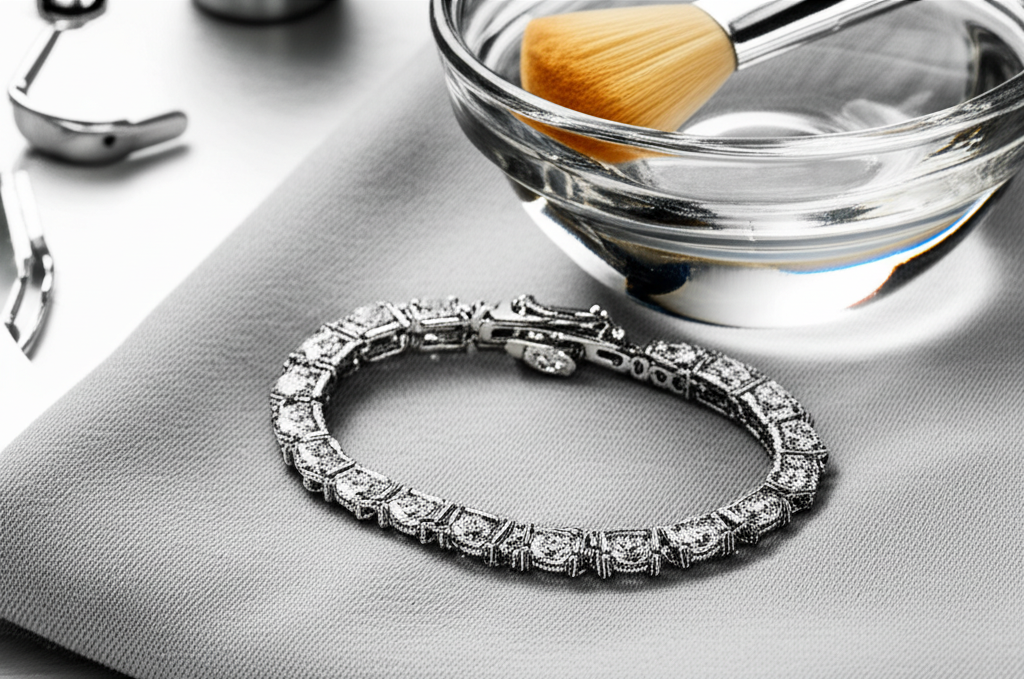
Gathering the right tools is key to effectively cleaning your diamond bracelet without causing damage. You likely have most of what you need already in your home. Having these items on hand ensures you can tackle the cleaning process with confidence and achieve excellent results. It’s about using the right equipment for the job, just like you would when working on a DIY project.
Here’s a list of what you’ll need:
A small, soft-bristled brush: An old, clean toothbrush or a baby’s soft brush works wonderfully.
Mild dish soap: Choose a gentle, non-moisturizing liquid dish soap.
A small bowl: For creating your cleaning solution.
Lukewarm water: Never use hot water, as it can damage certain metals or settings.
A lint-free cloth: For drying and polishing your bracelet.
Optional: A jewelry polishing cloth: For an extra shine on the metal parts.
Optional: A mesh strainer or colander: To catch the bracelet if a stone loosens.
Using the correct tools ensures you’re not introducing scratches or harsh chemicals that could harm your bracelet’s precious metal or stones. It’s about being gentle and precise.
The Safest and Most Effective At-Home Cleaning Method
The most proven and effective way to clean a diamond bracelet at home involves a gentle soak and brush with mild soap and water. This method is safe for most diamonds and common metal settings like gold and platinum. It effectively breaks down the oils and grime that dull your stones, restoring their natural brilliance. I’ve used this technique countless times, and it never fails to bring back that sparkle.
Here’s a step-by-step guide:
Step 1: Prepare Your Cleaning Solution

Fill a small bowl with lukewarm water. Add a few drops of mild dish soap. Stir gently to create a soapy solution. Avoid using harsh detergents or abrasive cleaners, as these can damage the metal or the diamond’s surface.
Step 2: Soak Your Bracelet
Place your diamond bracelet in the solution. Let it soak for about 20 to 40 minutes. This allows the warm water and soap to loosen any accumulated dirt and grease.
Step 3: Gently Brush the Diamond
Using your soft-bristled brush, gently scrub around the diamond and the metal setting. Pay close attention to the underside of the diamonds and any intricate details in the setting. Be thorough but gentle; you’re not trying to scrub away metal, just lift away grime.
Step 4: Rinse Thoroughly
Rinse your bracelet under lukewarm running water. Ensure all soap residue is washed away. It’s a good idea to place a mesh strainer in the sink drain during this step, just in case a stone happens to be loose.
Step 5: Dry and Polish
Gently pat your bracelet dry with a lint-free cloth. You can then use a jewelry polishing cloth to buff the metal parts for extra shine. Avoid using paper towels, as they can scratch the metal.
This simple process is remarkably effective at restoring your diamond bracelet’s sparkle. It’s a testament to how basic tools and gentle techniques can achieve professional-looking results.
Deep Cleaning for Stubborn Grime
When everyday grime just won’t budge, a slightly more concentrated cleaning solution can be used, but with extra caution. Sometimes, a standard soak might not be enough to penetrate deeply embedded oils or residues. This method is still safe for diamonds but requires a bit more attention to detail to ensure no residue is left behind. It’s like a more thorough clean for your favorite drill bit when it gets really gunked up.
Using Ammonia (with Caution)
For very stubborn grime, a solution of one part ammonia to three parts water can be effective.
Prepare the solution: Mix ammonia and water in a small bowl.
Soak briefly: Submerge your bracelet for no more than 10 minutes.
Brush and rinse: Gently brush and rinse thoroughly as described in the previous method.
Important Note: Never mix ammonia with bleach or any other cleaning agents, as this can create dangerous fumes. This method is not suitable for all gemstones or porous metals, so if you have a mixed-material bracelet, stick to the milder soap solution. Always research your specific jewelry if you’re unsure.
Cleaning Different Metal Settings
While diamonds are robust, the metal setting of your bracelet requires specific care to maintain its beauty and integrity. Different metals react differently to cleaning agents and polishing. Understanding your bracelet’s metal is crucial to avoid discoloration, scratching, or damage. It’s similar to knowing which wood finish requires a specific type of cleaner.
Here’s a quick guide for common metal types:
Gold (Yellow, White, Rose): Generally safe with mild dish soap. For yellow gold, a soft polishing cloth is usually sufficient for shine. White gold often has a rhodium plating; avoid harsh abrasives that can wear this down.
Platinum: Very durable and resistant to corrosion. It can handle mild cleaning solutions. Platinum can develop a patina over time, which some people prefer. If you want to restore its original bright white look, a professional polish might be needed.
Sterling Silver: Prone to tarnishing. While mild soap is fine for cleaning, you’ll need a dedicated sterling silver polishing cloth or dip to remove tarnish. Be careful not to over-polish, as this can wear down intricate details.
Always check with your jeweler if you’re unsure about your bracelet’s specific metal or any special coatings. They can provide tailored advice for maintaining its unique finish.
What NOT to Do When Cleaning Your Diamond Bracelet
Avoiding certain cleaning agents and methods is just as important as knowing what to do to protect your diamond bracelet. Just as you wouldn’t use a power sander on delicate woodwork, you need to be careful with jewelry. The wrong approach can cause irreversible damage, dulling the stones or scratching the metal. These are common mistakes that can easily be avoided with a little knowledge.
Here are some things to strictly avoid:
Harsh Chemicals: Never use bleach, acetone, chlorine, or abrasive cleaners. These can damage the metal, erode solder points, or even affect certain gemstones if your bracelet has them.
Abrasive Materials: Avoid using paper towels, rough cloths, or abrasive scrubbing pads. These can scratch the metal setting.
Ultrasonic Cleaners (with caution): While often used by jewelers, home ultrasonic cleaners can be risky for certain types of jewelry. They can loosen stones, especially if they have pre-existing micro-fractures or are set in a way that makes them vulnerable. If your bracelet has any chips, cracks, or is very intricately set, it’s best to avoid these.
Boiling Water: Hot water can weaken metal settings and potentially cause stones to loosen or even crack, especially if there are thermal shock differences. Always opt for lukewarm water.
Toothpaste: While it might seem like a mild abrasive, toothpaste contains grit that can scratch the metal and even the facet edges of the diamonds over time.
Sticking to gentle, proven methods ensures your diamond bracelet remains beautiful for years to come. It’s about preserving its value and sparkle.
Frequency of Cleaning: How Often Should You Clean?
The ideal cleaning frequency for your diamond bracelet depends on how often you wear it and your lifestyle. Wearing your bracelet daily means it will accumulate grime faster than if you wear it only for special occasions. Consistent, gentle cleaning is better than infrequent, aggressive cleaning. It’s like maintaining your power tools; regular light cleaning prevents major issues.
Daily Wear: If you wear your bracelet every day, a quick rinse and gentle wipe with a soft cloth after taking it off can help. A thorough cleaning with soap and water once every 1-2 months is recommended.
Occasional Wear: If you wear your bracelet only a few times a month, a thorough cleaning every 6 months to a year should suffice.
Exposure to Chemicals: If you know you’ll be exposed to lotions, hairspray, or cleaning chemicals, remove your bracelet beforehand. This simple step significantly reduces the need for frequent deep cleaning.
Paying attention to how your bracelet looks and feels is the best indicator. If it starts to look dull, it’s time for a clean!
When to Seek Professional Cleaning or Repair
While at-home cleaning is effective for routine maintenance, certain situations warrant professional attention. Sometimes, the buildup is too severe, or there might be underlying issues with the setting that only a jeweler can address. Recognizing when to call in the experts ensures your treasured piece is handled with the utmost care. It’s like knowing when to take your car to a mechanic instead of trying a DIY fix.
Consider professional cleaning or inspection if:
Your bracelet has intricate settings or multiple gemstones: A jeweler has specialized tools and expertise to clean these safely.
You notice a loose stone or damaged setting: Never attempt to fix this yourself. A professional can secure it properly without causing further damage.
The metal is heavily tarnished or discolored: Jewelers have specific polishing compounds and techniques for different metals.
Your bracelet hasn’t been professionally checked in over a year: Regular check-ups can catch potential problems before they become serious.
You’re unsure about the metal or stone type: A jeweler can accurately identify materials and provide the best care advice.
For a truly deep clean or if you suspect any damage, a visit to a reputable jeweler is always the safest bet. They can often clean your jewelry while you wait.
Frequently Asked Questions (FAQs)
Here are answers to common questions about cleaning your diamond bracelet. Many readers often wonder about specific cleaning agents or the best approach for their unique piece. I’ve compiled some of the most frequent queries to help you gain confidence in your at-home cleaning routine.
Q1: Can I use Windex to clean my diamond bracelet?
While Windex contains ammonia, which can be a cleaning agent, it also contains other chemicals that might not be ideal for all jewelry settings or metals. It’s safer and more effective to stick with mild dish soap and water.
Q2: How do I clean a diamond bracelet with a gold setting?
For gold settings, the mild dish soap and water method is perfect. After cleaning, you can use a soft, lint-free cloth or a specialized gold polishing cloth to buff the gold to a brilliant shine. Avoid abrasive cleaners that can scratch the gold.
Q3: Is it safe to clean my diamond bracelet in an ultrasonic cleaner?
Ultrasonic cleaners can be effective but carry risks. They can loosen stones, especially in older or intricately set pieces, or those with micro-fractures. If your bracelet has any of these characteristics, it’s best to avoid ultrasonic cleaning or consult a jeweler first.
Q4: My diamond bracelet looks dull even after cleaning. What could be the problem?
If your bracelet remains dull after a thorough cleaning, it might indicate that the metal is tarnished, the setting is too complex for home cleaning, or there might be very fine scratches on the diamond facets from daily wear. In such cases, professional cleaning and polishing are recommended.
Q5: Can I wear my diamond bracelet while swimming or showering?
It’s best to avoid wearing your diamond bracelet while swimming (especially in chlorinated pools) or showering. Chlorine and soaps can build up on the bracelet, dulling the stones and potentially damaging the metal settings over time. Removing it before these activities will help maintain its sparkle.
Q6: What’s the difference between cleaning and polishing a diamond bracelet?
Cleaning removes dirt and grime using soap and water. Polishing, on the other hand, is a more intensive process that removes minor scratches and restores shine to the metal. While you can polish the metal with a soft cloth at home, deep metal polishing or polishing the diamonds themselves is best left to professionals.
Conclusion: Keep Your Diamonds Dazzling
By following these simple, proven steps, you can effectively clean your diamond bracelet at home and restore its captivating sparkle. Maintaining the brilliance of your diamond jewelry doesn’t require complicated procedures or expensive products. With just a few common household items and a bit of gentle care, you can ensure your bracelet remains a dazzling accessory for years to come. Remember, consistent, gentle cleaning is the key to long-lasting shine.
So, grab that mild dish soap and soft brush, and give your diamond bracelet the TLC it deserves. You’ll be amazed at the difference it makes. If you ever feel unsure or notice any issues with your bracelet, don’t hesitate to consult a professional jeweler. Happy cleaning, and enjoy that renewed sparkle!
