


Published on: September 16, 2025 | Updated on: September 16, 2025
Uncover valuable baseball cards by the pound, transforming bulk buys into treasure. Learn to identify key rookies, vintage stars, and rare parallels mixed within common sets, turning potential junk into profitable finds with expert tips.
Buying baseball cards by the pound can feel like a treasure hunt, but it’s often filled with more common cards than you’d expect. Many collectors get excited about the possibility of striking gold, only to sift through mountains of less valuable material. This guide will walk you through how to approach these bulk purchases, helping you spot the hidden gems that truly make the effort worthwhile. We’ll cover what to look for, how to organize your finds, and the best ways to assess their value.
What Does “Baseball Cards By The Pound” Really Mean?
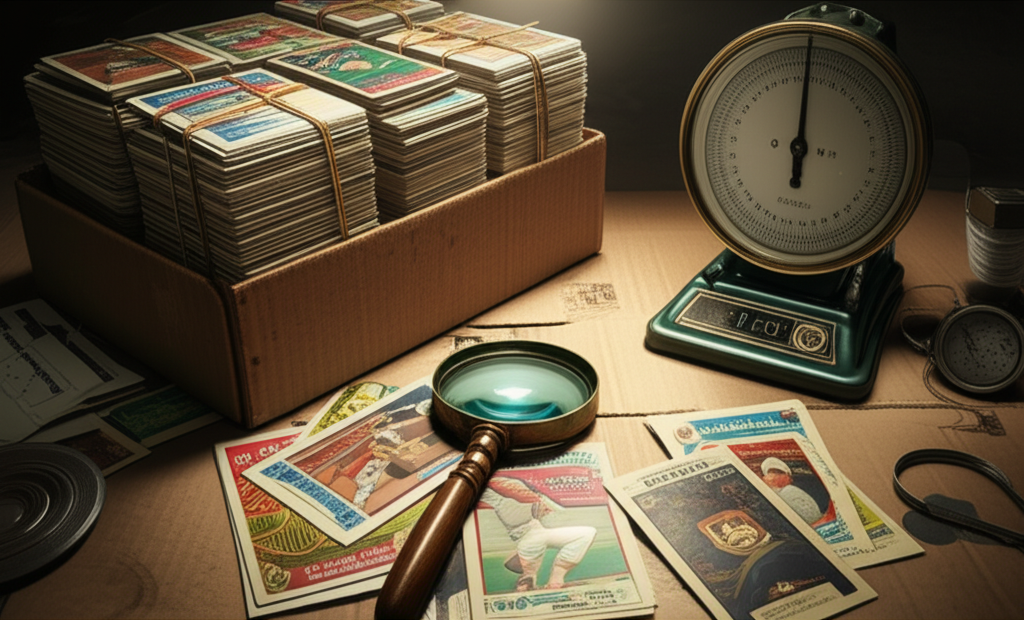
“Baseball cards by the pound” refers to purchasing large quantities of baseball cards sold by weight, rather than by individual card or pack. This method is popular for clearing out old collections, and it offers a low-cost entry point for collectors looking to acquire many cards quickly. The allure is the potential to find rare and valuable cards mixed in with the common ones, making it a speculative but potentially rewarding endeavor.
The primary appeal of buying cards this way is the sheer volume you receive for a relatively low price. It’s a common practice at estate sales, flea markets, and online marketplaces where sellers want to offload entire collections without sorting. While the majority of cards are typically common, the possibility of unearthing a valuable gem is what drives many enthusiasts.
Why Buy Baseball Cards By The Pound? The Allure of the Bulk Buy
The main reason collectors opt for baseball cards by the pound is the thrill of discovery and the potential for significant value. It’s a much more affordable way to acquire a large volume of cards compared to buying individual packs or graded cards. For those looking to build a comprehensive collection, complete sets, or simply acquire a lot of cards for trading and sorting, this method can be very appealing.
Furthermore, it’s an excellent way for new collectors to get a feel for different eras of baseball cards without a huge initial investment. You can learn to identify players, brands, and print variations by handling a large number of cards. This hands-on experience is invaluable for developing a discerning eye for what truly holds value.
When you first get your hands on a bulk purchase of baseball cards by the pound, it’s easy to feel overwhelmed. The key is to have a systematic approach. Start by looking for cards from specific, well-known sets that are known to contain valuable rookie cards or star players.
Focus on identifying cards from the late 1980s through the 1990s, as this era saw a boom in card production but also produced some highly sought-after rookies. Also, keep an eye out for cards from the “junk wax” era (roughly 1987-1994) that feature key players, as some of these can still be valuable in good condition. Don’t dismiss older cards, but be prepared for more wear and tear.
Identifying Key Rookie Cards: The Holy Grail of Bulk Buys
Rookie cards are often the most valuable cards in any collection, and finding them in a pound of cards is a significant win. These are cards featuring a player in their first year of professional play. For example, a 1989 Upper Deck Ken Griffey Jr. rookie card can be quite valuable, even in lower grades.
To effectively identify these, you need to have a mental checklist of major rookie cards from different eras. Familiarize yourself with key players from the 1980s, 1990s, and early 2000s. A quick online search for “most valuable rookie cards” can give you a great starting point for your identification efforts.
Vintage Stars vs. Modern Marvels: Value Across Eras
The value of baseball cards spans across different eras, but there are distinct differences between vintage and modern cards when buying by the pound. Vintage cards (pre-1980s) are generally rarer and can command higher prices if they are in excellent condition and feature Hall of Fame players. However, they are less common in bulk buys and often show significant wear.
Modern cards, especially from the late 80s and 90s, are more plentiful but can still hold value if they are key rookie cards or rare parallels. The sheer volume of modern cards means you might find more “hits” in terms of valuable players, but the overall rarity is lower. Understanding the market for both is crucial for maximizing your finds.
Recognizing Parallels and Inserts: The Subtle Value Boosters
Beyond base rookie cards, look for parallel cards and insert cards. Parallels are variations of base cards, often with different colors, foil accents, or numbering. For instance, a Topps Gold Label or a Skybox Metal Universe PMG card can be significantly more valuable than its base counterpart.
Insert cards are special cards randomly inserted into packs, often featuring unique designs, autographs, or memorabilia. These can range from common inserts to extremely rare chase cards. Learning to identify these special editions requires a keen eye and some research into specific set checklists.
Condition is King: Grading Your Potential Treasures
When you find a card that seems valuable, its condition is paramount. Even a rare rookie card can be worth very little if it’s creased, has major surface scratches, or is heavily worn. When sorting through cards by the pound, always assess the condition as you go.
Look for sharp corners, clean surfaces, well-centered images, and crisp edges. Cards in near-mint or mint condition are far more valuable than those with significant flaws. If you’re serious about maximizing value, consider getting particularly valuable cards professionally graded by companies like PSA or BGS.
Tools of the Trade: Essential Gear for Sorting
While you don’t need elaborate equipment to sort through baseball cards by the pound, a few tools can make the process much easier and more efficient. Good lighting is essential for spotting condition issues and identifying subtle variations on cards. A clean, flat surface to work on is also a must.
A magnifying glass can be helpful for examining printing details or identifying minor flaws. Finally, a good set of binders or storage boxes will be necessary to organize your finds once you start pulling out the valuable cards. Having a checklist or a way to look up card values on your phone can also speed up the process significantly.
Pricing Your Finds: How to Know What’s Valuable
Once you’ve sorted through your bulk cards and identified potential gems, the next step is determining their value. The most reliable way to do this is by checking recent sales data on platforms like eBay. Search for the specific card number, player, and year, and filter by “sold listings” to see what people have actually paid.
Websites like Beckett.com and CardLadder.com offer pricing guides and market trends, though these can sometimes be higher than actual selling prices. Remember that condition plays a huge role, so compare your card’s condition to the sold examples. A card that looks good in hand might be significantly different from a graded example online.
The Art of the Deal: Selling Your Baseball Cards
After identifying and valuing your baseball cards by the pound finds, you’ll want to sell them to recoup your investment and make a profit. You have several options, each with its pros and cons. Selling individual cards on platforms like eBay can yield the highest prices, but it requires more effort in listing, packing, and shipping.
Selling to a local card shop or attending a card show can offer quicker sales but typically at a lower price. You can also sell in bulk lots of similar cards, which might appeal to collectors looking to complete sets. Choose the selling method that best suits your time and desired profit margin.
Common Pitfalls to Avoid When Buying By The Pound
One of the biggest mistakes is getting caught up in the sheer volume and forgetting to focus on quality. It’s easy to spend hours sorting through cards and only find a few items of genuine value. Another pitfall is overpaying for bulk lots; always try to negotiate or factor in the time and effort required for sorting.
Also, be wary of sellers who claim to have “loaded” boxes. Often, these are just marketing tactics. It’s crucial to do your research on what constitutes a valuable card and to be patient. Not every pound of cards will be a winner, and that’s part of the game.
FAQ: Your Baseball Cards By The Pound Questions Answered
Q1: How much should I expect to pay per pound for baseball cards?
A: Prices vary widely, but a common range is $10 to $30 per pound. Lower prices might indicate a higher proportion of very common cards, while higher prices could mean the seller has done some pre-sorting or knows there are potentially valuable cards. Always research and negotiate.
Q2: Are there any specific years or brands that are better to look for when buying by the pound?
A: Generally, cards from 1987-1994 (the “junk wax” era) are abundant and can contain valuable rookie cards. Key years like 1989, 1990, and 1991 are often good hunting grounds for rookies like Ken Griffey Jr., Frank Thomas, and Chipper Jones. Older vintage cards (pre-1980) are rarer in bulk but can be incredibly valuable if in good condition.
Q3: How do I know if a card is a rookie card?
A: A rookie card is typically the player’s first widely distributed card in their professional playing career. Look for indicators on the card like “RC” symbol, or consult online databases and checklists for the specific year and set to confirm if it’s a player’s debut card.
Q4: What’s the difference between a parallel and a base card?
A: A base card is the standard card in a set. A parallel is a variation of that base card, often featuring a different color scheme, foil, numbering, or print run. Parallels are usually rarer and thus more valuable than their base counterparts.
Q5: How important is the condition of the card?
A: Condition is extremely important, often more so than rarity for cards from the 1980s and 1990s. A card in mint condition can be worth hundreds or thousands of times more than the same card in poor condition. Always check for creases, surface wear, corner wear, and centering.
Q6: Should I buy cards by the pound if I’m a beginner?
A: Yes, it can be a fun and cost-effective way to learn about different players, sets, and card conditions. However, be prepared for a lot of sorting and to find mostly common cards. It’s a good learning experience before investing in more expensive cards.
Conclusion: The Thrill of the Sort with Baseball Cards By The Pound
Purchasing baseball cards by the pound offers an exciting and potentially rewarding avenue for collectors. While it requires patience, a keen eye, and a bit of research, the possibility of unearthing valuable rookie cards, rare parallels, or vintage stars makes the effort worthwhile. By understanding what to look for, prioritizing condition, and knowing how to price and sell your finds, you can transform those bulk boxes into a significant profit or a highly valuable addition to your collection. The thrill of sorting through baseball cards by the pound is truly in the hunt for those hidden gems.

