


Published on: September 16, 2025 | Updated on: September 16, 2025
Basic Metal Detector: Essential Finds, Effortless Discovery
Unlock the thrill of discovery with a basic metal detector. Learn what to expect, where to search, and how to make your first finds with simple, reliable gear that’s perfect for beginners. Effortless treasure hunting starts here.
Metal detecting can seem like a complex hobby, with all sorts of high-tech gadgets and specialized techniques. Many beginners feel overwhelmed, wondering if they need the most expensive equipment to find anything interesting. I’ve been there, starting with just a simple machine, and I can tell you that a basic metal detector is more than capable of leading you to exciting finds. This guide will demystify the process, showing you how to get the most out of an entry-level detector and enjoy the rewarding journey of unearthing hidden treasures.
What Exactly is a Basic Metal Detector?
A basic metal detector is your entry point into the captivating world of treasure hunting. These machines are designed with simplicity and ease of use in mind, making them ideal for newcomers to the hobby. They typically offer essential features like adjustable sensitivity, discrimination settings to filter out unwanted junk, and visual or audio target identification. While they may lack the advanced capabilities of professional models, they are perfectly suited for locating common targets like coins, jewelry, and relics in accessible locations.
Why Start with a Basic Metal Detector?
Starting with a basic metal detector is a smart financial decision and a practical approach to learning the ropes. These detectors are significantly more affordable than their advanced counterparts, allowing you to test your interest in the hobby without a substantial investment. More importantly, they force you to learn the fundamentals of how metal detectors work, how to interpret signals, and the importance of careful digging. Mastering these skills on a simpler machine will give you a solid foundation, making it easier to appreciate and utilize the features of more complex detectors later on, should you choose to upgrade.
Essential Features of Entry-Level Detectors
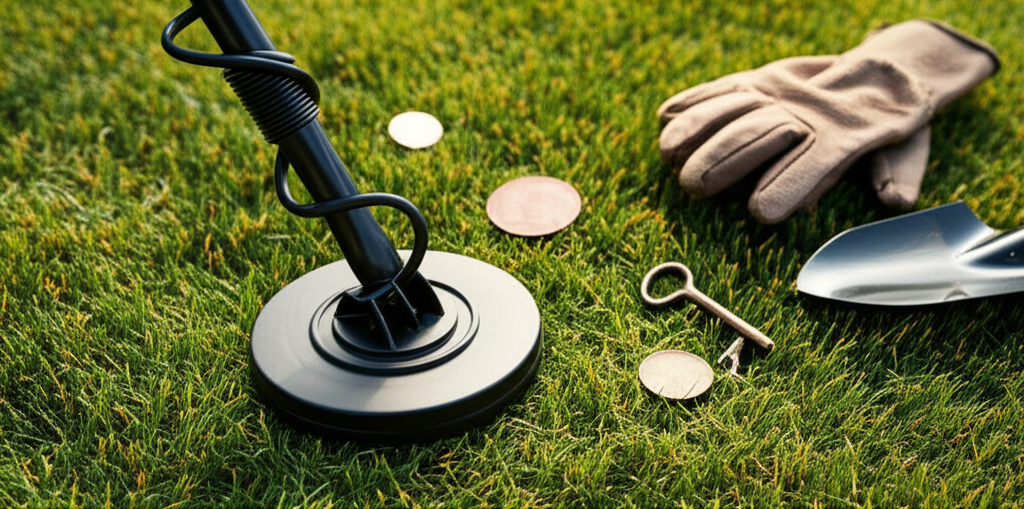
When looking at a basic metal detector, focus on a few key features that will make your detecting experience more fruitful. Adjustable sensitivity allows you to fine-tune the detector’s depth and responsiveness to ground conditions, preventing false signals in mineralized soil. Discrimination is crucial for filtering out common trash like pull tabs and foil, so you can focus on potentially valuable targets. A clear target ID system, often a simple audio tone or a numerical display, helps you distinguish between different types of metal.
Understanding Different Types of Basic Metal Detectors
Basic metal detectors generally fall into a few categories based on their technology, though the core functionality remains similar. Most entry-level models use Very Low Frequency (VLF) technology, which is excellent for general-purpose detecting of coins, jewelry, and relics. Some might offer multi-frequency capabilities, but this is less common in the most basic units. The coil size and type also play a role; smaller coils are better for trashy areas and pinpointing, while larger coils offer greater depth and coverage.
Where to Begin Your Search: Prime Locations for Basic Metal Detectorists
The success of your metal detecting adventures hinges significantly on choosing the right locations. Fortunately, many promising spots are easily accessible and often overlooked. Think about places where people have gathered and lost items over time. These areas are rich with potential for finds, even with a basic metal detector.
Parks and Recreational Areas
Public parks are treasure troves for beginners. People picnic, play, and relax here, frequently dropping coins, rings, and other small metal objects. Look for areas around benches, picnic tables, playgrounds, and along walking paths. These are high-traffic zones where items are most likely to be lost.
Schoolyards and Old Playgrounds
Older schoolyards, especially those that have been in use for decades, can be excellent hunting grounds. Children often lose coins and small toys. Be sure to check local regulations regarding metal detecting on school property, as permission may be required.
Beaches (Wet and Dry Sand)
Beaches offer a dynamic environment for metal detecting. The constant shifting of sand can reveal items lost years ago. While popular beaches can be trashy, they also yield a high volume of lost jewelry and coins. Always check local regulations, as some beaches have restrictions on metal detecting.
Old Home Sites and Farm Fields
Exploring old home sites, even if only foundations remain, can lead to historically significant finds. Look for old fence lines, well areas, and where the house might have stood. Similarly, old farm fields, especially those near former dwellings, can yield old farm tools, buckles, and coins. Always obtain permission from landowners before detecting on private property.
Fairgrounds and Event Sites
Areas that have hosted fairs, festivals, or sporting events over the years are excellent candidates. These locations see large crowds, increasing the chances of lost items. Research historical event sites in your area for potential discoveries.
Your First Finds: What to Expect with a Basic Metal Detector
With a basic metal detector, your initial finds will likely be common items, which is part of the learning process and incredibly rewarding. Don’t expect to unearth pirate chests on your first outing, but celebrate every beep and signal. Learning to identify these common targets is key to understanding your detector and refining your skills.
Coins: The Most Common Discovery
Coins are the bread and butter of many basic metal detectorists. You’ll find pennies, nickels, dimes, and quarters, especially in parks and older urban areas. Older coins, depending on their composition and age, can be quite interesting and valuable.
Jewelry: Rings, Bracelets, and More
Lost jewelry is a thrilling find for any detectorist. Simple bands, earrings, and even more elaborate pieces can turn up in parks, beaches, and yards. Learning to differentiate jewelry signals from trash signals is a skill that develops with practice.
Relics and Old Buttons
Exploring older sites can yield fascinating relics from the past. Old buttons, buckles, tools, and fragments of pottery are common finds at historical locations. These items offer a tangible connection to history and are often very satisfying to unearth.
Trash vs. Treasure: Learning to Discriminate
A significant part of metal detecting is learning to distinguish between trash and treasure. Basic metal detectors have discrimination settings that help filter out common junk like pull tabs, bottle caps, and foil. However, these settings aren’t perfect, and sometimes valuable items can be masked by nearby trash. Developing your ear for different tones and your understanding of target IDs will improve your ability to identify good signals.
Essential Accessories to Complement Your Basic Metal Detector
While a basic metal detector is your primary tool, a few key accessories can significantly enhance your detecting experience and increase your success rate. These items aren’t expensive but make a big difference in efficiency and enjoyment. Investing in these will help you dig more effectively and protect your finds.
The Indispensable Pinpointer
A pinpointer is a small, handheld detector that helps you locate your target within the plug of soil you’ve dug. Instead of sifting through dirt for minutes, a pinpointer will quickly zero in on the target, saving you time and effort. I consider a pinpointer an absolute must-have, even for the most basic setups.
A Sturdy Digging Tool
You’ll need a reliable digging tool. For most conditions, a robust garden trowel or a specialized digging tool designed for metal detecting works well. Look for one with a serrated edge for cutting through roots and compacted soil.
Pouch or Bag for Finds
You need a place to keep your discoveries. A finds pouch that attaches to your belt is ideal. It keeps your hands free and provides a convenient place to store coins, relics, and other items you unearth.
Headphones for Enhanced Audio
Metal detecting can be noisy, especially in busy areas. Headphones help you hear faint signals and differentiate between target tones more clearly. They also prevent your beeps from disturbing others nearby.
Mastering Your Basic Metal Detector: Tips for Effortless Discovery
Getting the most out of a basic metal detector is about understanding its capabilities and employing smart techniques. It’s not just about swinging the coil; it’s about how and where you swing it, and how you interpret the signals. Here are some field-tested tips to help you make effortless discoveries.
Understand Your Detector’s Manual
This might sound obvious, but many beginners skip reading the manual. Your detector’s manual is your best friend. It explains what each setting does, how to calibrate it, and provides insight into the target ID system. Spend time with it to truly understand your machine.
Sweep Technique: Slow and Steady Wins
The way you swing your coil matters. Always sweep the coil slowly and deliberately, overlapping each sweep by about half the coil’s width. This ensures you don’t miss any targets. A slow sweep allows the detector to properly analyze the target’s signal.
Ground Balancing: Adapting to Your Environment
Many basic metal detectors have a ground balance feature, either automatic or manual. This process helps the detector ignore the natural mineralization in the soil, reducing false signals and increasing depth. Learn how to ground balance your specific model, especially when moving to different types of terrain.
Interpreting Signals: The Art of Listening
Learning to interpret the sounds your detector makes is an art. Different tones and patterns usually correspond to different types of metal. Pay attention to how your detector reacts to known targets (like a coin you place on the ground) to build a reference library of sounds.
Pinpointing Your Target Accurately
Once your detector signals a target, you need to pinpoint its exact location. Most detectors have a pinpoint mode, or you can use an X-pattern sweep to narrow down the signal. A pinpointer will then make extracting the target from the soil much faster.
Digging Techniques: Minimize Your Impact
Responsible digging is crucial. Always dig a neat plug of soil that can be easily replaced, leaving no trace of your activity. Learn to cut clean plugs and carefully examine the soil you remove. This preserves the site and is often required by local regulations.
Common Pitfalls to Avoid with a Basic Metal Detector
Even with a simple machine, there are common mistakes that can hinder your progress and lead to frustration. Being aware of these pitfalls will help you avoid them and get more enjoyment out of your hobby. Learning from others’ mistakes is a great way to accelerate your own learning curve.
Over-reliance on Discrimination
While discrimination is useful, setting it too high can cause your detector to ignore potentially valuable targets. Some deeper coins or certain types of jewelry might register similarly to trash. It’s often better to dig a few more “iffy” signals than to miss out on a good find.
Digging Every Single Signal
It’s tempting to dig every beep, but this can lead to a lot of wasted time and effort, especially in trashy areas. Learn to judge signals based on their consistency, tone, and the target ID if your detector provides one. Experienced detectorists learn to let certain signals go.
Not Getting Permission for Private Property
Detecting on private land without explicit permission is trespassing and can lead to legal trouble. Always seek permission from the landowner before detecting anywhere that isn’t public land. Building good relationships with landowners can open up new hunting opportunities.
Ignoring the Manual and Learning Resources
As mentioned before, not reading the manual is a common mistake. Furthermore, there are countless online forums, YouTube channels, and detectorist communities eager to share knowledge. Don’t be afraid to ask questions and learn from others.
Using the Wrong Coil for the Conditions
While basic detectors usually come with one standard coil, understanding coil types is beneficial. If you hunt in very trashy areas, a smaller coil might be more effective at isolating targets. Conversely, a larger coil covers more ground and can find deeper targets in cleaner areas.
Maintaining Your Basic Metal Detector for Longevity
Your basic metal detector is a piece of equipment that deserves care to ensure it performs well for years to come. Proper maintenance is straightforward and requires minimal effort. Following these simple steps will protect your investment and keep your detector ready for your next outing.
Cleaning After Each Use
After every detecting session, clean your metal detector, especially the coil. Use a damp cloth to wipe away dirt and grime. Pay attention to the control box and shaft, ensuring no sand or mud remains.
Protecting the Coil
The coil is the most crucial part of your detector. Avoid banging it against rocks or hard surfaces. Consider a coil cover for added protection, especially if you’re detecting in rocky or abrasive environments.
Battery Care
If your detector uses replaceable batteries, ensure you use fresh, high-quality ones. If it has a rechargeable battery, follow the manufacturer’s recommendations for charging and storage. Proper battery care ensures reliable performance.
Storage
Store your metal detector in a dry, safe place when not in use. Avoid extreme temperatures, as they can damage the electronics. A padded bag or a dedicated storage case is ideal.
Beyond the Basics: When to Consider an Upgrade
After you’ve spent a good amount of time with your basic metal detector and honed your skills, you might start to feel its limitations. This is a natural progression in the hobby, and recognizing when it’s time to upgrade is part of the journey. An upgrade can open up new possibilities and enhance your detecting experience.
Increased Depth and Sensitivity
More advanced detectors often offer significantly greater depth and sensitivity, allowing you to find older, deeper targets that your basic model might miss. This is particularly important for relic hunting or searching older sites.
Better Target Separation and Discrimination
Higher-end detectors excel at separating multiple targets in trashy soil and offer more sophisticated discrimination capabilities. This means fewer false signals and a better chance of identifying good targets amongst the junk.
Specialized Modes and Frequencies
Advanced machines often come with specialized modes for different types of detecting, such as all-metal modes for maximum depth, or specific programs for coins, relics, or even gold prospecting. Multiple frequencies can also be advantageous for different target types.
Waterproof Capabilities
If you dream of detecting on the beach beyond the dry sand or even wading into shallow water, a waterproof detector is a game-changer. Many advanced models are fully submersible.
Frequently Asked Questions About Basic Metal Detectors
Q1: Can a basic metal detector find gold?
A1: While some basic metal detectors can detect gold jewelry, they are generally not optimized for prospecting for small gold nuggets. Specialized gold detectors use different frequencies and technologies for this purpose.
Q2: How deep can a basic metal detector find targets?
A2: A basic metal detector can typically find coins up to 6-8 inches deep, and larger metal objects deeper. Depth depends on the target size, soil conditions, and the detector’s settings.
Q3: Do I need a license to use a metal detector?
A3: In most places, you do not need a license to use a metal detector on public lands. However, always check local, state, and federal regulations, as some areas like historical sites or parks may have specific rules or prohibitions.
Q4: How do I know if a signal is a coin or trash?
A4: Your detector’s target ID system (audio tones or numbers) and your experience will help. Coins often produce a repeatable, clear tone, while trash can be erratic. Practice is key to learning the nuances of different signals.
Q5: What is the best basic metal detector for a beginner?
A5: Popular and well-regarded basic metal detectors for beginners often include models from brands like Garrett, Minelab, and Bounty Hunter. Research reviews for specific entry-level models that fit your budget and intended use.
Q6: Can I use my basic metal detector in the rain?
A6: Most basic metal detectors have control boxes that are not waterproof. While you can often use them in light drizzle, avoid heavy rain. Always check your detector’s specifications for its weather resistance.
Conclusion: Your Journey with a Basic Metal Detector Begins
Embarking on the hobby of metal detecting is an accessible and exciting adventure, and a basic metal detector is your perfect starting point. You don’t need to break the bank to experience the thrill of discovery. By understanding what your basic metal detector can do, choosing productive locations, and employing simple, effective techniques, you’re well on your way to unearthing fascinating finds. Remember to be patient, persistent, and respectful of the environment and property. Each outing is a learning experience, and with every signal you investigate, you’ll gain confidence and skill. So grab your basic metal detector, head outdoors, and start your own treasure-hunting story.
