


Published on: September 17, 2025 | Updated on: September 17, 2025
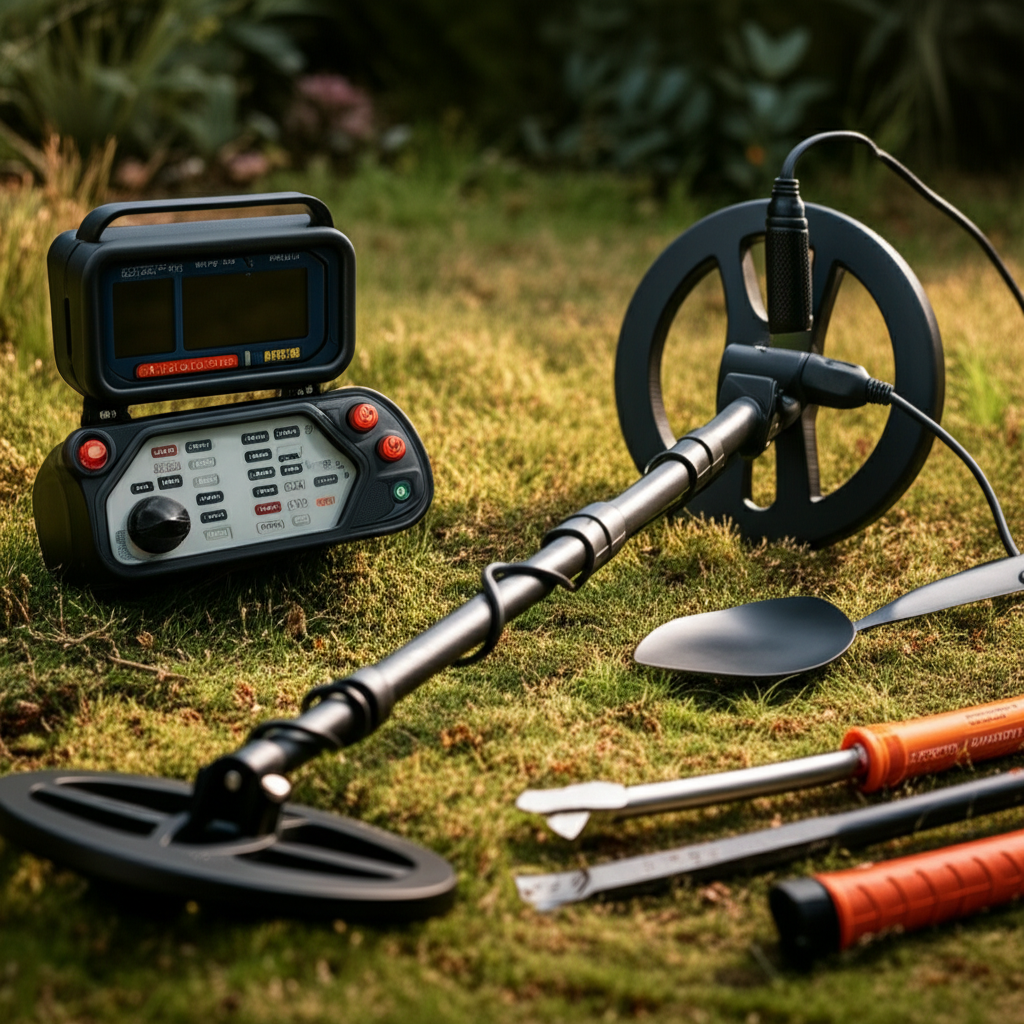
Unlock your detecting potential with the best metal detecting tools, from high-tech detectors and sensitive pinpointers to robust digging gear, ensuring every outing is a success and every find is a treasure.
The thrill of uncovering hidden history, finding lost coins, or striking gold is what drives many of us into the rewarding world of metal detecting. Yet, without the right equipment, your adventures can quickly turn frustrating. Sifting through endless junk or missing valuable targets is a common pitfall for beginners and even seasoned detectorists. Don’t let the wrong tools hold you back from making those essential finds. This guide will equip you with the knowledge to select the absolute best metal detecting tools, transforming your hunts from hopeful searches to successful expeditions.
Why Having the Right Metal Detecting Tools is Crucial
Choosing the correct metal detecting tools isn’t just about having the latest gadgets; it’s about maximizing your efficiency and enjoyment in the field. The right equipment can mean the difference between a rewarding day of discoveries and a fruitless, tiring excursion. It directly impacts your ability to pinpoint targets accurately, extract them cleanly, and differentiate between valuable items and mere trash. Investing wisely in essential tools ensures you’re prepared for any situation and can make the most of every detecting opportunity.
Understanding Your Metal Detector: The Heart of Your Gear

Your metal detector is the cornerstone of your detecting arsenal, and understanding its capabilities is paramount. Different detectors excel in various environments and target types, from shallow coin shooting to deep relic hunting or gold prospecting. The right detector will significantly enhance your chances of making those “essential finds” you dream of. Consider the types of targets you’re most interested in and the terrains you’ll be hunting to make an informed choice.
Key Detector Features to Consider
When evaluating metal detectors, several features stand out as critical for success. These elements dictate the detector’s performance, ease of use, and suitability for your specific needs. Paying attention to these will help you choose a machine that truly complements your detecting style.
Frequency: Higher frequencies are generally better for small, low-conductivity targets like gold nuggets and thin jewelry. Lower frequencies penetrate deeper into the soil, making them ideal for larger, more conductive targets like old coins and relics. Multi-frequency detectors offer versatility across different target types and ground conditions.
Discrimination: This feature allows you to ignore undesirable metallic targets, such as iron nails or pull tabs, so you can focus on what you want to find. Advanced discrimination allows for nuanced rejection of specific metals.
Ground Balance: Essential for noisy ground conditions (like those with high mineral content), ground balance helps the detector ignore the ground’s signals and focus on targets. Automatic ground balance is convenient, while manual offers more control.
Waterproof Design: If you plan on detecting near water, beaches, or in the rain, a waterproof detector or coil is indispensable.
Weight and Ergonomics: You’ll be swinging your detector for hours, so comfort is key. A lightweight, well-balanced detector with an adjustable shaft will reduce fatigue.
Popular Metal Detector Brands and Their Strengths
The market boasts several reputable brands, each with its loyal following and distinct strengths. Understanding these can guide your selection process. I’ve spent countless hours with detectors from these manufacturers, and they consistently deliver reliable performance.
Garrett: Known for user-friendly designs and excellent all-around performance, Garrett detectors are a fantastic choice for beginners and experienced users alike. Models like the AT Pro and the new Apex are highly regarded for their versatility.
Minelab: Minelab detectors often feature advanced technologies like Multi-IQ (simultaneous multi-frequency) and are particularly renowned for their gold prospecting and deep-seeking capabilities. The Equinox series is a game-changer for hobbyists.
Nokta Makro: This brand has rapidly gained popularity for offering feature-rich detectors at competitive price points. Their waterproof designs and robust build quality are major advantages.
Fisher: With a long history in the industry, Fisher offers reliable detectors suitable for various applications, from coin and relic hunting to beach detecting.
The Indispensable Pinpointer: Your Target’s Best Friend
Once your metal detector signals a target, the real work begins. This is where a high-quality pinpointer becomes one of the most essential metal detecting tools. It’s a small, handheld device that helps you precisely locate the target within the plug of soil you’ve excavated, saving you immense time and effort. Without one, you’re essentially digging blind within your target area.
Why a Pinpointer is a Game-Changer
Imagine digging a plug of soil and meticulously sifting through it for a coin. A pinpointer drastically reduces this search time by giving you an immediate, close-range indication of the target’s exact location. This not only speeds up recovery but also minimizes damage to the target and the environment.
Speed: Quickly narrows down the target location within the soil plug.
Accuracy: Prevents over-digging and unnecessary disturbance of the ground.
Target Protection: Helps you retrieve delicate targets without damaging them.
Reduced Frustration: Eliminates the tedious task of manually searching through dirt.
Top Pinpointer Features and Recommendations
Not all pinpointers are created equal. Look for features that enhance their performance and usability in the field. I always recommend a pinpointer with vibration and audible alerts, as well as adjustable sensitivity.
Vibration and Audio Alerts: Both alert you to the target’s proximity. Vibration is crucial in noisy environments or when you need to be discreet.
Waterproof Capability: Essential for beach detecting or if you encounter wet conditions.
LED Light: Helps illuminate your target area, especially in low-light conditions or dark soil.
Sensitivity Adjustment: Allows you to fine-tune the pinpointer for different target sizes and depths, and to reduce false signals in mineralized soil.
Some of the best metal detecting tools in this category include the Garrett Pro-Pointer AT, Minelab Pro-Find series, and Nokta Makro Pinpointer. Each offers robust performance and reliability for dedicated detectorists.
Essential Digging Tools: Recovering Your Finds Responsibly
Even with the best detector and pinpointer, you won’t make any essential finds without the right digging tools. Responsible recovery is key to preserving historical sites and ensuring you can continue detecting in the future. Your digging tools should allow you to excavate cleanly and efficiently with minimal impact.
The Detectorist’s Digging Arsenal
A well-equipped detectorist carries a small but effective set of digging tools. These are designed for specific tasks, from slicing sod plugs to probing for deeper targets. Using the right tool for the job makes recovery far less disruptive.
Trowel or Digging Knife: This is your primary tool for slicing sod plugs or digging smaller holes. Look for a sturdy, stainless steel trowel with a sharp, serrated edge. Brands like Lesche and Garrett offer excellent digging tools designed for detectorists.
Shovel: For deeper targets or larger areas, a robust shovel is necessary. A folding shovel can be convenient for transport. Ensure it’s strong enough to penetrate compacted soil.
Plugger/Sod Cutter: Specifically designed to cut neat, circular sod plugs, making replacement easy and almost invisible.
Probe: A long, thin metal rod used to gently probe soil for deeper targets or to verify a signal before digging a large plug.
Choosing the Right Digging Tools for Your Terrain
The type of ground you’ll be hunting dictates which digging tools are most effective. Sandy beaches require different tools than hard-packed park soil or dense woodland. Always consider the local regulations regarding digging.
Sandy Beaches: A strong, sharp trowel with a pointed tip is ideal for slicing through wet or dry sand. A sand scoop is also invaluable for sifting through sand quickly.
Parks and Lawns: A sod plugger or a sharp trowel is best for cutting neat plugs that can be easily replaced, minimizing visible disturbance.
Woodlands and Fields: A sturdy digging knife or a small shovel might be needed for harder ground. Be extra mindful of roots and undergrowth.
Metal Detector Coils: Enhancing Your Detector’s Performance
While your metal detector comes with a standard coil, upgrading or adding specialized coils can dramatically enhance its performance and versatility. Coils are the “eyes” of your detector, and different coils are designed to find different things in various conditions. Swapping coils can tailor your machine to specific detecting scenarios, leading to more “essential finds.”
Understanding Coil Types and Their Benefits
The size and type of coil significantly impact depth, target separation, and ground coverage. Choosing the right coil for the job is crucial for maximizing your success.
Small Coils (e.g., 5-8 inches): Excellent for tight spaces, trashy areas, and pinpointing small targets like gold nuggets or thin jewelry. They offer superior target separation.
Medium Coils (e.g., 9-11 inches): The most common size, offering a good balance of depth, coverage, and sensitivity to a wide range of targets. Ideal for general coin and relic hunting.
Large Coils (e.g., 13+ inches): Provide maximum depth penetration for large, deep targets. They cover more ground quickly but can be less sensitive to smaller items and may struggle in highly mineralized soil.
Elliptical Coils: Offer better maneuverability in tight spots and around obstacles compared to round coils of similar size.
Double-D vs. Spider Coils: Double-D coils generally offer better ground balancing and less mineralization interference. Spider coils can offer deeper penetration but are more prone to false signals.
When to Use Different Coils
Matching the coil to your target and environment is key. I often carry multiple coils to adapt to different detecting situations.
Trashy Parks: A smaller coil with good target separation will help you pick out good targets amidst the junk.
Open Fields: A larger coil can cover more ground and find deeper targets more efficiently.
Beach Detecting: Waterproof coils are essential, and sometimes a specialized beach coil offers optimal performance in wet sand.
Gold Prospecting: High-frequency coils (15 kHz and above) are typically preferred for detecting small gold nuggets.
Essential Accessories for the Modern Detectorist
Beyond the core detecting tools, a few accessories can significantly improve your detecting experience, safety, and the organization of your finds. These often-overlooked items contribute to making your outings smoother and more productive. They are the supporting cast to your detector, pinpointer, and digging tools.
Must-Have Accessories for Every Hunt
I always pack these items before heading out. They ensure I’m prepared for various scenarios and can properly manage my findings.
Carry Bag or Backpack: Protects your detector during transport and provides a place to store accessories, finds, and water. Look for padded compartments.
Headphones: Crucial for hearing faint signals, especially in noisy environments. They also help conserve battery life on some detectors and allow you to focus on the subtle nuances of target sounds.
Gloves: Protect your hands while digging and handling potentially sharp or dirty objects.
Water and Snacks: Detecting can be physically demanding, so staying hydrated and energized is important.
Finds Pouch: A dedicated pouch for storing your recovered items. Some have multiple compartments for separating different types of finds.
Tool Roll or Pouch: Keeps your digging tools organized and easily accessible.
First-Aid Kit: Essential for any outdoor activity, in case of minor injuries.
Advanced Tools for Specialized Detecting
For those looking to push their detecting further, several advanced tools can unlock new possibilities and help you find those truly “essential finds” that others miss. These are for the more dedicated or specialized detectorist.
Exploring Beyond the Basics
Metal Detector Harness: For heavier detectors or long detecting sessions, a harness can distribute the weight and reduce arm fatigue.
Ground Penetrating Radar (GPR): While expensive and complex, GPR can be used to detect larger, deeper objects and anomalies in the ground, often used by professionals for archaeological surveys or locating underground utilities.
Specialized Prospecting Tools: For gold prospectors, tools like gold pans, snuffer bottles, and classifying screens are essential for separating gold from sediment.
Metal Detector Apps and Software: Some modern detectors connect to smartphones for data logging, target analysis, and firmware updates.
Maintaining Your Metal Detecting Tools
The best metal detecting tools are only effective if they are properly maintained. Regular care ensures longevity, optimal performance, and prevents costly repairs. Think of it as taking care of your trusted partners in the field.
Keeping Your Gear in Top Shape
Cleaning: After each outing, clean your detector, coil, and accessories. Use a damp cloth for general cleaning and a soft brush for crevices. Avoid harsh chemicals.
Coil Care: Protect your coil from impacts. Store it carefully and check for cracks or damage regularly. Ensure the coil cable is securely connected.
Battery Maintenance: Follow the manufacturer’s recommendations for battery charging and storage. Consider rechargeable batteries for convenience and cost savings.
Storage: Store your detector and accessories in a dry, safe place away from extreme temperatures. A dedicated carry bag or case is ideal.
Maximizing Your Finds with the Best Metal Detecting Tools: A Holistic Approach
Ultimately, the “best” metal detecting tools are those that work together seamlessly to help you achieve your detecting goals. It’s not just about owning individual pieces of equipment, but understanding how they complement each other and how to use them effectively. A high-performance detector is only as good as the pinpointer that helps you locate the target and the digging tools that recover it cleanly.
The combination of a sensitive detector, an accurate pinpointer, appropriate digging tools, and the right accessories creates a system that increases your efficiency and success rate. By investing in quality tools and learning to use them proficiently, you’ll significantly improve your chances of uncovering those truly essential finds, making every detecting trip more rewarding.
Frequently Asked Questions About Metal Detecting Tools
What is the most important piece of metal detecting equipment?
While the metal detector itself is fundamental, a good pinpointer is arguably the most crucial accessory for efficiently recovering targets. It drastically speeds up the process of finding the item within the dug soil.
Do I need a different metal detector for beaches and parks?
Not necessarily. Many modern detectors are designed to perform well on both beaches and in parks, often with adjustable settings for different ground conditions. However, specialized beach detectors are often fully waterproof and designed to handle saltwater mineralization.
How deep can a metal detector find a target?
Depth capability varies greatly depending on the detector’s technology, the coil size, the target’s size and conductivity, and ground mineralization. General coin hunting detectors might find targets up to 8-12 inches deep, while specialized deep-seeking detectors can go much deeper for larger relics.
Are expensive metal detectors always better?
Not always. While higher-end detectors often offer more advanced features and better performance, many mid-range and even some entry-level detectors are excellent for beginners and can find plenty of valuable targets. It’s more important to choose a detector that suits your needs and budget.
What kind of targets can I expect to find?
You can find a wide variety of targets, including old coins, jewelry, relics (like buttons, buckles, or military artifacts), tokens, and sometimes even gold nuggets. The types of finds depend heavily on the history of the area you are detecting.
Is it legal to metal detect everywhere?
No, it’s crucial to check local laws and regulations. Detecting is often prohibited in national parks, historical sites, protected archaeological areas, and on private property without explicit permission. Always get landowner permission before detecting on private land.
Conclusion: Equipping Yourself for Essential Finds
Making those truly “essential finds” in metal detecting is a journey that begins with the right tools. From the sophisticated technology of your metal detector and the pinpoint accuracy of your handheld device to the robust practicality of your digging implements, each piece of gear plays a vital role. By understanding the strengths of different detectors, coils, and accessories, and by committing to responsible practices with quality digging tools, you are setting yourself up for success. Don’t let subpar equipment hinder your passion; invest in the best metal detecting tools that match your ambitions and terrain, and you’ll be well on your way to uncovering history and making memorable discoveries. Happy hunting!
