


Published on: September 17, 2025 | Updated on: September 17, 2025
Discover the best metal detector for coins with our expert guide, revealing essential finds and practical tips for every detectorist, from beginner to seasoned pro. Maximize your treasure hunting success with the right gear and knowledge.
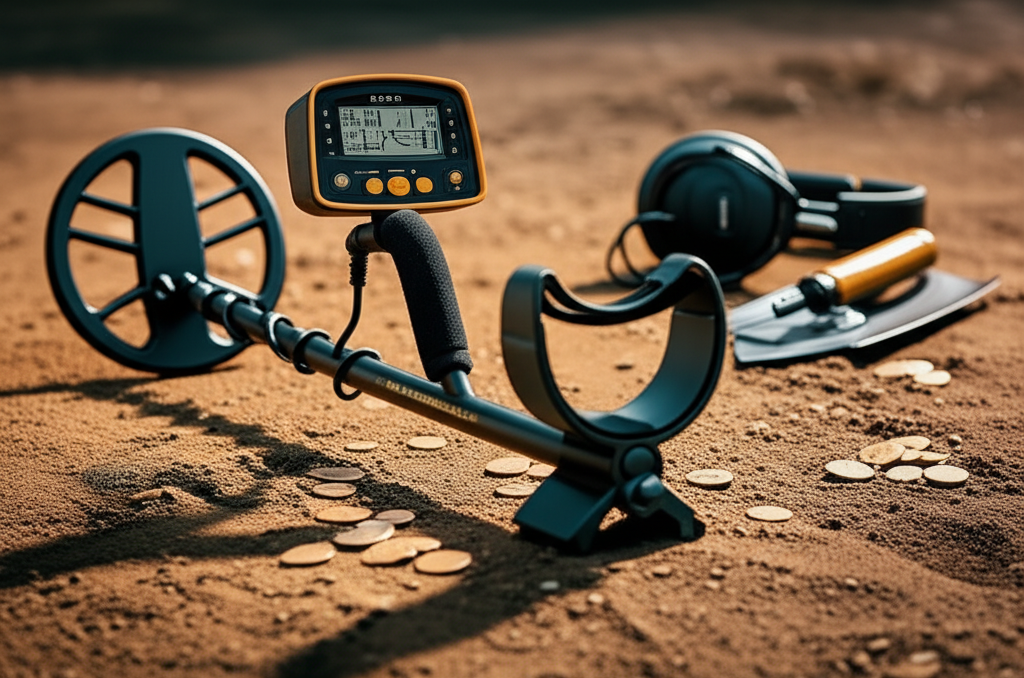
The thrill of unearthing a forgotten coin, a piece of history lying hidden beneath your feet, is an experience like no other. But finding those elusive treasures often hinges on one crucial piece of equipment: your metal detector. Choosing the best metal detector for coins can feel overwhelming with so many options available. I’ve spent countless hours in the field, testing various machines and techniques, and I’m here to share what I’ve learned to help you make the right choice and start finding those amazing coins.
Why Choosing the Right Coin Detector Matters
Selecting the best metal detector for coins isn’t just about buying a gadget; it’s about investing in your passion and maximizing your chances of success. Different detectors excel in different environments and target types, and a machine not suited for coin hunting can lead to frustration and missed opportunities. Understanding what makes a detector good for coins will save you time, money, and a lot of digging up junk.
Understanding Metal Detector Technology for Coin Hunting
At its core, a metal detector works by sending out an electromagnetic field and then listening for disturbances caused by metallic objects. For coin hunting, you want a detector that is sensitive to small, shallow targets, can differentiate between various types of metal, and can handle mineralized ground without excessive chatter. Technologies like VLF (Very Low Frequency) and PI (Pulse Induction) have their strengths, but for general coin shooting, VLF detectors are often the go-to choice due to their discrimination capabilities.
VLF vs. PI Detectors for Coin Shooters

VLF detectors are excellent for coin hunting because they operate at specific frequencies that are highly sensitive to the conductivity of coins. They also offer superior discrimination, allowing you to ignore iron junk and focus on desirable targets. PI detectors, on the other hand, are generally better for highly mineralized ground or saltwater beaches and can detect deeper, but they often lack the discrimination of VLF machines, meaning more digging of trash. For most coin hunting scenarios, a VLF detector will serve you best.
Key Features to Look for in a Coin Detector
When you’re out searching for coins, certain features on a metal detector become indispensable. I always prioritize sensitivity to small targets, good discrimination, and user-friendliness. An adjustable ground balance is also crucial for adapting to different soil conditions and reducing false signals.
Sensitivity and Depth
The ability of a detector to pick up small, thin targets like coins at a reasonable depth is paramount. While no detector can see through the earth, higher frequencies often translate to better sensitivity on smaller targets. Some detectors offer adjustable sensitivity settings, allowing you to fine-tune performance based on the environment.
Discrimination and Notch Discrimination
Discrimination is the detector’s ability to ignore unwanted metallic targets, such as pull tabs, nails, and foil. For coin hunting, you want a detector that can effectively discriminate against iron and other ferrous trash while still detecting desirable non-ferrous metals like copper, silver, and gold. Notch discrimination allows you to selectively ignore specific target ID ranges, further refining your search.
Ground Balance
Soil mineralization can wreak havoc on a metal detector, causing constant false signals and making it difficult to hear faint targets. Ground balance helps the detector adjust to the specific mineral content of the soil, allowing it to operate more stably and effectively. Manual and automatic ground balance options are available, with automatic being more convenient for beginners.
Target ID (VDI) Numbers
Most modern coin detectors display a Target ID, often represented by a numerical value (VDI – Visual Discrimination Index). These numbers provide an indication of the type of metal detected, helping you decide whether to dig. Coins typically fall within specific VDI ranges, though these can vary slightly between detectors and target conditions.
Top Metal Detectors for Coin Hunting in 2024
After years of swinging coils and sifting through dirt, I’ve identified a few standout detectors that consistently deliver for coin shooters. These machines balance performance, features, and price, making them excellent choices for a wide range of detectorists.
Garrett AT Pro
The Garrett AT Pro is a workhorse that I’ve relied on extensively. It’s waterproof, making it perfect for wet environments like beaches and shallow streams, and its multi-frequency capability allows it to adapt to various ground conditions. The Pro mode offers enhanced audio and detection capabilities, crucial for distinguishing subtle coin signals.
| Feature | Garrett AT Pro |
| :————– | :————————————————– |
| Type | VLF (15 kHz) |
| Waterproof | Yes (up to 10 feet) |
| Target ID | Yes (0-99) |
| Ground Balance | Automatic & Manual |
| Audio Features | Pro Audio, Tone Roll Audio |
| Best For | All-around coin hunting, relic hunting, wet areas |
The AT Pro’s robust build and excellent performance in a variety of conditions make it a top contender for the best metal detector for coins. Its audio feedback is particularly informative, helping you interpret signals more accurately.
Minelab Equinox 800
The Minelab Equinox 800 is a revolutionary detector that uses Multi-IQ technology, meaning it transmits and analyzes multiple frequencies simultaneously. This provides exceptional target separation, depth, and sensitivity across a wide range of targets, including small coins. Its versatility is unmatched, excelling in parks, fields, and beaches alike.
| Feature | Minelab Equinox 800 |
| :————– | :————————————————- |
| Type | Multi-IQ (Simultaneous Multi-Frequency) |
| Waterproof | Yes (up to 10 feet) |
| Target ID | Yes (0-50) |
| Ground Balance | Automatic |
| Audio Features | Bluetooth, Wireless Audio |
| Best For | Versatile coin hunting, relic hunting, gold |
I find the Equinox 800 to be incredibly effective at picking up faint signals that other detectors might miss. Its user interface is intuitive, and the ability to switch between different modes tailored to specific hunting scenarios is a huge advantage.
Nokta Makro Simplex+
For beginners or those on a budget, the Nokta Makro Simplex+ is an absolute game-changer. It offers impressive features, including full waterproofing and a robust Target ID system, at a price point that’s hard to beat. I’ve been impressed by its performance, which rivals much more expensive detectors.
| Feature | Nokta Makro Simplex+ |
| :————– | :————————————————- |
| Type | VLF (12 kHz) |
| Waterproof | Yes (up to 10 feet) |
| Target ID | Yes (0-99) |
| Ground Balance | Automatic |
| Audio Features | Built-in wireless module |
| Best For | Beginner coin hunting, general purpose detection |
The Simplex+ is a fantastic entry point into coin hunting, offering a user-friendly experience without compromising on essential features. It’s a testament to how far affordable technology has come in the metal detecting world.
Essential Accessories for Coin Hunters
Beyond the detector itself, a few key accessories can significantly enhance your coin hunting experience. These tools help you locate, retrieve, and identify your finds more efficiently, minimizing frustration and maximizing your success rate.
Pinpointer
A pinpointer is an indispensable tool for any serious detectorist. Once you’ve identified a target with your main detector, a pinpointer helps you pinpoint its exact location within the plug of dirt, dramatically reducing the time and effort needed to find the coin. I never leave home without mine.
Digging Tools
The right digging tools are crucial for extracting your targets cleanly and efficiently, especially in different soil types. A sturdy digging trowel is essential for cutting clean plugs, while a robust digging shovel can be necessary for deeper targets or harder ground. Some detectorists also prefer a soil sifter for separating targets from excavated dirt.
Headphones
Good quality headphones are vital for hearing those faint coin signals. They block out ambient noise, allowing you to focus on the subtle tones your detector produces. Wireless headphones are becoming increasingly popular, offering freedom of movement without tangled cords.
Coin Hunting Techniques for Maximum Finds
Having the best metal detector for coins is only half the battle; your technique plays an equally important role. Learning how to swing your coil properly, interpret signals, and manage your search area can make a world of difference in your finds.
Coil Swinging Technique
Consistent and proper coil swinging is fundamental. I always aim for a slow, smooth sweep, overlapping each pass by about half the coil’s width. This ensures you cover the ground thoroughly and don’t miss any targets that might be just outside the sweep path. Keep the coil as parallel to the ground as possible.
Interpreting Signals and Target ID
Learning to interpret the audio tones and Target ID numbers is a skill that develops with practice. Pay attention to how different types of targets sound and what VDI numbers they produce on your specific detector. Don’t be afraid to dig “iffy” signals, especially if you’re new to a machine, as they might be shallow coins masked by deeper junk.
Working Different Environments
Parks, fields, old homesteads, and schoolyards are prime locations for finding lost coins. Researching historical maps and local history can help you identify promising areas. Always be aware of local regulations regarding metal detecting, and always get permission before detecting on private property.
Advanced Tips for Serious Coin Shooters
Once you’ve mastered the basics, there are always ways to refine your approach and uncover even more historical currency. These advanced techniques can help you push your detecting game to the next level and uncover those deeply buried or tricky targets.
Coil Selection
While most detectors come with a standard coil, different coil sizes and frequencies can be beneficial for specific hunting scenarios. Smaller coils offer better sensitivity to tiny targets and excellent target separation in trashy areas. Larger coils can provide greater depth, which is useful in cleaner ground or when searching for older, larger denomination coins.
Understanding Ground Mineralization
As mentioned earlier, ground mineralization can be a challenge. Learning to read your detector’s ground balance reading and making adjustments can significantly improve performance. Some detectors have specific modes designed to combat heavy mineralization.
Dealing with Trashy Sites
Old sites are often littered with modern trash, which can mask good targets. Using a detector with excellent discrimination and target separation is key. Techniques like pinpointing and carefully digging small plugs can also help you isolate and retrieve valuable coins from a sea of junk.
Frequently Asked Questions About Coin Detecting
Q1: What is the best metal detector for beginners looking for coins?
For beginners, I recommend the Nokta Makro Simplex+ or the Garrett AT Pro. They are user-friendly, offer great performance for the price, and are robust enough for various conditions.
Q2: How deep can a good coin detector find coins?
A good VLF detector with a standard coil can typically find coins from 6 to 10 inches deep in average soil conditions. Deeper targets are possible with larger coils or in areas with less mineralization.
Q3: Should I dig every target?
It’s a good practice to dig most repeatable signals, especially when you’re learning your detector. As you gain experience, you’ll become better at distinguishing between junk and potential coin signals based on audio and VDI numbers.
Q4: What is the best frequency for coin hunting?
Frequencies between 7 kHz and 20 kHz are generally considered ideal for coin hunting. Higher frequencies are more sensitive to small, thin targets, while lower frequencies can offer more depth.
Q5: Can I use my metal detector on the beach?
Yes, many detectors are designed for beach use, especially those that are waterproof and have good saltwater modes. The Garrett AT Pro and Minelab Equinox 800 are excellent choices for beach detecting.
Q6: How do I avoid digging too much trash?
Focus on learning your detector’s audio cues and Target ID numbers. Use discrimination settings wisely, but be cautious not to discriminate out good targets. A good pinpointer will also speed up the process of locating targets in the dirt.
Conclusion: Your Path to Unearthing Coin Treasures
Choosing the best metal detector for coins is a critical first step on your journey to uncovering history and valuable finds. Whether you opt for the versatile Minelab Equinox 800, the reliable Garrett AT Pro, or the budget-friendly Nokta Makro Simplex+, remember that practice and technique are just as important as the gear itself. With the right detector and a willingness to learn, you’ll be well on your way to experiencing the unparalleled joy of finding forgotten coins. Happy hunting!
