


Published on: September 22, 2025 | Updated on: September 22, 2025
Yes, many metal detectors can get wet, but not all parts are waterproof. Understanding waterproofing levels, proper care, and specific model features is crucial to prevent damage and maximize your detecting adventures in wet conditions.
Metal detecting is an outdoor pursuit, and sometimes that means encountering rain, puddles, or even a shallow stream. The question that inevitably pops up for every detectorist, from the weekend hobbyist to the seasoned relic hunter, is: “Can a metal detector get wet?” It’s a frustrating worry when you’re out in the field, and the weather turns, or you’re tempted to explore a waterlogged area. Many detectorists have learned the hard way that not all metal detectors are created equal when it comes to moisture. This guide will demystify metal detector waterproofing, explain what “water-resistant” really means, and share essential secrets to keep your gear safe and sound, no matter the conditions. We’ll cover everything from understanding manufacturer ratings to practical, field-tested tips for protecting your valuable equipment.
Understanding Metal Detector Waterproofing Ratings: What Do They Mean?
Many beginners are confused by the different terms used to describe a metal detector’s resistance to water. It’s vital to understand these distinctions before you even think about taking your detector near water. Simply put, a detector might be designed to handle a splash, but that doesn’t mean it can be submerged.
What “Water-Resistant” Really Implies
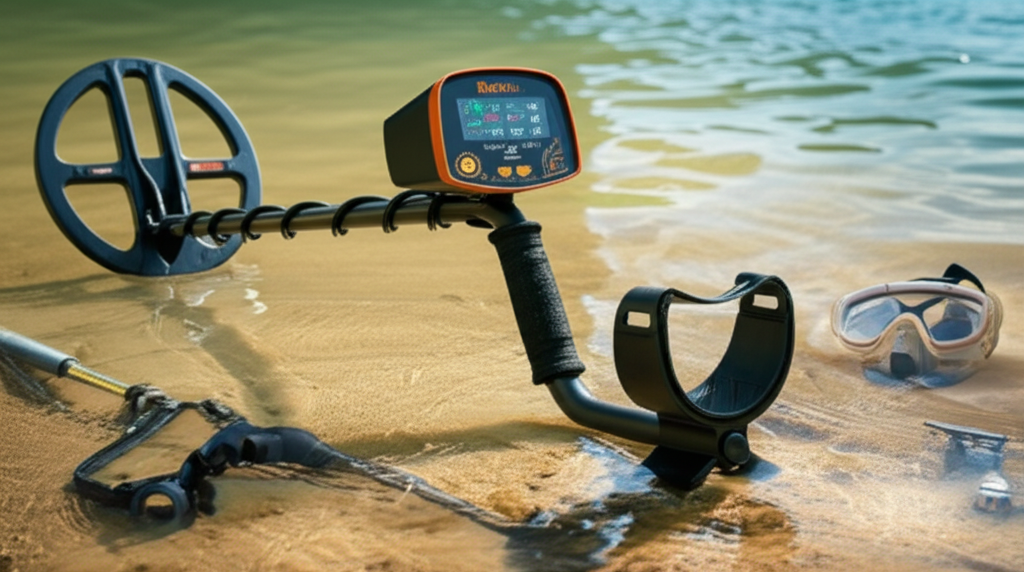
When a manufacturer labels a metal detector as “water-resistant,” it generally means it can withstand light splashes or brief exposure to rain. Think of it like your smartphone that can survive a spilled drink but isn’t meant for a swim. This level of protection is common on many entry-level and mid-range detectors.
Fully Waterproof vs. Submersible: The Crucial Difference
This is where many people get tripped up. A “fully waterproof” detector, often rated with an IP (Ingress Protection) code, is designed to be completely sealed against water ingress. This usually means it can be submerged to a specific depth for a certain amount of time. Always check the manufacturer’s specifications for the exact depth and duration rating.
IP Ratings Explained: Your Key to Understanding Protection
The Ingress Protection (IP) rating is a standardized system that classifies the degree of protection provided by enclosures against intrusion from solid objects and liquids. For metal detectors, the second digit in the IP rating is the most important for water protection. For example, an IP68 rating means the device is dust-tight (the ‘6’) and can withstand continuous immersion in water under conditions specified by the manufacturer (the ‘8’).
Can A Metal Detector Get Wet? It Depends on the Model and Its Components
The straightforward answer to “can a metal detector get wet?” is a nuanced “yes, but with significant caveats.” It’s not a blanket approval for all detectors and all situations. The design of the detector, particularly its coil, control box, and shaft, dictates its ability to handle moisture.
The Coil: Usually the Most Waterproof Part
The search coil is almost always the most water-resistant or fully waterproof component of a metal detector. Manufacturers design coils to be submerged, allowing detectorists to hunt in shallow water, along shorelines, and in wet grass without worry. This is because the coil’s circuitry needs to be protected from the environment it’s actively searching within.
The Control Box: The Sensitive Heart of Your Detector
The control box, housing the electronics, speaker, and user interface, is the most vulnerable part of your metal detector. While some high-end models are fully submersible, many are only water-resistant to varying degrees. Exposing a non-waterproof control box to heavy rain or submersion is a surefire way to damage it permanently.
The Shaft and Armrest: Often Overlooked Vulnerabilities
While not as critical as the control box, the shaft and armrest can also be points of water ingress. If your detector is advertised as submersible, these parts should also be sealed. However, on many detectors, these components are less protected, and prolonged exposure to moisture could lead to corrosion or damage to internal wiring if not properly maintained.
Waterproofing Your Metal Detector: Essential Field-Tested Secrets
Even if your detector isn’t fully submersible, there are smart ways to protect it and expand your detecting possibilities in damp conditions. These are the tricks I’ve learned over years of battling the elements in the field.
The Power of a Waterproof Cover
For detectors that are not fully waterproof, a dedicated waterproof cover is an absolute game-changer. These covers are specifically designed to fit over the control box, protecting it from rain and splashes. They often have clear plastic windows, allowing you to see and operate the controls easily.
Choosing the Right Cover: What to Look For
When selecting a waterproof cover, ensure it’s made from durable, flexible material. It should fit snugly without restricting your access to buttons or the screen. Look for covers that offer good visibility and are easy to attach and remove.
DIY Protection: Simple Solutions for Lighter Rain
If you’re caught in a light shower and don’t have a cover, a sturdy plastic bag (like a heavy-duty zip-top bag) can offer temporary protection for the control box. Secure it tightly around the shaft, ensuring no water can seep in. This is a makeshift solution, but it can save your detector in a pinch.
Submersible Detectors: What to Expect and How to Use Them
If you’re serious about detecting in rivers, lakes, or the ocean, investing in a fully submersible metal detector is essential. These machines are built for underwater adventures and open up a whole new world of treasure hunting.
Top Features of Submersible Metal Detectors
Fully submersible detectors typically feature robust construction, sealed control boxes, and often come with waterproof headphones. They are designed to withstand immersion to specific depths, allowing you to search beaches, riverbeds, and even shallow coastal waters with confidence.
Depth Ratings: Know Your Limits
Always pay close attention to the manufacturer’s specified depth rating for submersible detectors. Most are rated for a few feet (e.g., 10-20 feet), but this varies significantly. Exceeding these limits can lead to water damage, even on a waterproof unit.
Underwater Detecting Techniques: A Different Ballgame
Detecting underwater requires different techniques. You’ll need to move the coil slowly and deliberately, as water resistance can affect your swing speed. Using waterproof headphones is also crucial for hearing those faint signals underwater.
Essential Accessories for Wet Weather Detecting
Beyond a waterproof cover or a submersible detector, several accessories can make your wet weather detecting experience much more enjoyable and successful.
Waterproof Headphones: Hear Every Signal
For any detector, but especially for submersible models, waterproof headphones are a must. They block out ambient noise, allowing you to hear faint signals clearly, and they keep your ears dry and warm in chilly conditions.
Waterproof Pinpointers: Precision in the Wet
Just like detectors, pinpointers also come in submersible variants. A waterproof pinpointer is invaluable for pinpointing targets in shallow water or muddy conditions, saving you time and effort when digging.
Specialized Digging Tools for Wet Ground
Working in wet soil can be challenging. Consider using digging tools with longer handles or specialized blades designed to cut through sod and mud more effectively. Keeping your tools clean and rust-free is also important.
Maintaining Your Metal Detector After Wet Use
Proper post-detection maintenance is critical, especially after your detector has been exposed to moisture. This is where many detectorists fall short, leading to premature wear and tear.
Cleaning Your Detector Thoroughly
After each use in wet conditions, rinse your metal detector with fresh water to remove any salt, mud, or debris. Pay special attention to the coil and shaft connections. Avoid using high-pressure hoses, which can force water into seals.
Drying Your Detector Correctly
Allow your metal detector to air dry completely before storing it. You can use a soft, absorbent cloth to gently wipe down all surfaces. Ensure all ports and battery compartments are dry before closing them up.
Checking for Seals and Corrosion
Periodically inspect the seals around the control box and any other openings for signs of wear or damage. If you notice any cracks or degradation, it might be time to consider a repair or replacement to maintain its water resistance. Keep an eye out for any signs of corrosion, especially on metal parts.
Common Mistakes to Avoid When Detecting in Wet Conditions
Even with the right gear, certain common mistakes can lead to disaster. Being aware of these pitfalls can save your detector and your detecting season.
Assuming All Detectors Are Waterproof
This is the most critical mistake. Never assume your detector can handle water unless it’s explicitly stated and rated by the manufacturer. Always check the manual.
Exceeding Depth Ratings
Even with a submersible detector, pushing the depth limits is risky. Manufacturers test these limits rigorously, and exceeding them can compromise the seals and damage the electronics.
Not Rinsing After Saltwater Use
Saltwater is highly corrosive. If you detect in saltwater environments, it’s imperative to rinse your detector thoroughly with fresh water immediately after use to prevent long-term damage.
Can You Use A Metal Detector in the Rain?
Yes, you can absolutely use a metal detector in the rain, provided you take the necessary precautions. For detectors that are not fully waterproof, a good quality rain cover for the control box is essential. Many modern detectors have coils that are designed to be waterproof, allowing you to swing them through wet grass or even shallow puddles without concern.
Can A Metal Detector Coil Get Wet?
Yes, metal detector coils are almost universally designed to be waterproof or at least highly water-resistant. This is a deliberate design choice, as the coil is the part of the detector that is most exposed to the elements during operation. You can typically submerge the coil in water without issues, allowing you to search shorelines, shallow streams, and wet fields.
FAQ: Your Top Metal Detecting Wet Weather Questions Answered
Here are answers to some of the most common questions detectorists have about using their gear in wet conditions.
Q1: My metal detector isn’t advertised as waterproof. Can I still use it in light rain?
A1: Yes, you can usually use a non-waterproof detector in light rain if you protect the control box with a waterproof cover or a sturdy plastic bag. Avoid heavy downpours or letting water pool on the control unit.
Q2: What does an IP68 rating mean for my metal detector?
A2: An IP68 rating means your metal detector is dust-tight and can be submerged in water up to a depth specified by the manufacturer, usually for an extended period. Always check the manual for exact submersion limits.
Q3: Is it safe to use my submersible detector in saltwater?
A3: Yes, but it’s crucial to rinse your detector thoroughly with fresh water immediately after use in saltwater to prevent corrosion. Salt is highly damaging to electronics and metal components.
Q4: My detector coil is waterproof, but the control box isn’t. Can I hunt in shallow water?
A4: You can swing the coil through shallow water, but you must keep the control box completely dry. A waterproof cover is highly recommended for this scenario.
Q5: How often should I check the seals on my waterproof metal detector?
A5: It’s a good practice to check the seals periodically, especially before and after detecting in water. Look for any signs of wear, cracks, or damage to ensure the integrity of the waterproofing.
Q6: What happens if water gets into the control box of a non-waterproof detector?
A6: Water ingress into a non-waterproof control box can cause short circuits, corrosion, and permanent damage to the electronic components. This can lead to the detector malfunctioning or failing completely.
Conclusion: Embrace the Wet, Detect with Confidence
So, to answer the burning question, “can a metal detector get wet?” – yes, but with the crucial understanding of its specific waterproofing capabilities. Many coils are built to be submerged, opening up exciting new hunting grounds like beaches and riverbeds. However, the control box is often the most vulnerable part. By knowing your detector’s IP rating, investing in protective covers for non-submersible models, and following essential maintenance routines, you can confidently take your treasure hunting adventures into damp conditions. Always prioritize protection for the control box and never exceed the manufacturer’s specified depth limits for submersible detectors. With the right knowledge and gear, a little rain or a shallow stream won’t stop you from uncovering those hidden gems.
