


Published on: September 10, 2025 | Updated on: September 10, 2025
Denture cleaner for jewelry offers an essential, transformative shine, making it a surprisingly effective and budget-friendly solution for restoring brilliance to your precious accessories. Discover how this common household item can revitalize your favorite pieces.
Tired of dull, tarnished jewelry that’s lost its sparkle? You’ve likely tried various polishing cloths and expensive solutions, only to be disappointed. What if I told you a secret weapon for dazzling jewelry might already be sitting in your bathroom cabinet? It sounds unusual, but denture cleaner for jewelry is a game-changer. This article will guide you through why it works, how to use it safely, and the incredible, transformative shine it can deliver. Get ready to rediscover the brilliance of your treasured pieces without breaking the bank.
Why Denture Cleaner for Jewelry Works Wonders
Denture cleaner tablets are formulated with powerful yet gentle cleaning agents designed to break down plaque and stains on artificial teeth. These same active ingredients are surprisingly effective at lifting tarnish, grime, and buildup from various types of jewelry. They contain mild abrasives and effervescent agents that create tiny bubbles, which help to dislodge dirt from intricate crevices. This makes them an accessible and cost-effective alternative to specialized jewelry cleaners.
The magic lies in the chemical reaction. When a denture tablet dissolves in water, it releases oxygen and other cleaning compounds. These work to oxidize and lift away the dulling layers of tarnish and dirt that accumulate on metals. The effervescent action provides a gentle scrubbing effect without the need for harsh brushing. This process is particularly beneficial for jewelry with detailed filigree or stone settings, where traditional polishing can be difficult.
Understanding the Science Behind the Shine
Denture cleaning tablets typically contain ingredients like sodium percarbonate (an oxygen bleach), sodium bicarbonate (baking soda), citric acid, and sometimes enzymes. Sodium percarbonate releases hydrogen peroxide and sodium carbonate when dissolved in water, creating an alkaline solution that breaks down organic matter and lifts stains. Citric acid acts as a mild chelating agent, helping to bind to metal ions and prevent further tarnishing, while also providing a gentle acidic boost. The effervescence, or fizzing action, is crucial for mechanical cleaning.
This effervescence creates microscopic bubbles that expand and contract, gently scrubbing away debris from the surface of your jewelry. It’s this combination of chemical action and gentle physical agitation that allows denture cleaner to tackle tarnish and grime effectively. For most precious metals like gold and silver, these ingredients are safe when used as directed. However, it’s always wise to understand the composition of your jewelry before proceeding.
The Best Jewelry Types for Denture Cleaner Treatment
Denture cleaner is a fantastic choice for cleaning many types of jewelry, especially those made from precious metals like sterling silver and gold. It’s also effective for costume jewelry, plated items, and pieces with gemstones like diamonds, sapphires, and rubies. The gentle cleaning action can restore their luster without causing damage. It’s particularly adept at reaching the nooks and crannies of intricate designs, bringing back their original sparkle.
However, some materials require caution. Jewelry made with porous gemstones like pearls, opals, emeralds, or turquoise should be cleaned with extreme care or avoided altogether. These stones can absorb the cleaning solution, leading to discoloration or damage. Likewise, items with glued-in components or delicate enamel work might not withstand the soaking process. Always identify your jewelry’s materials before deciding on a cleaning method.
Step-by-Step Guide: How to Use Denture Cleaner for Jewelry
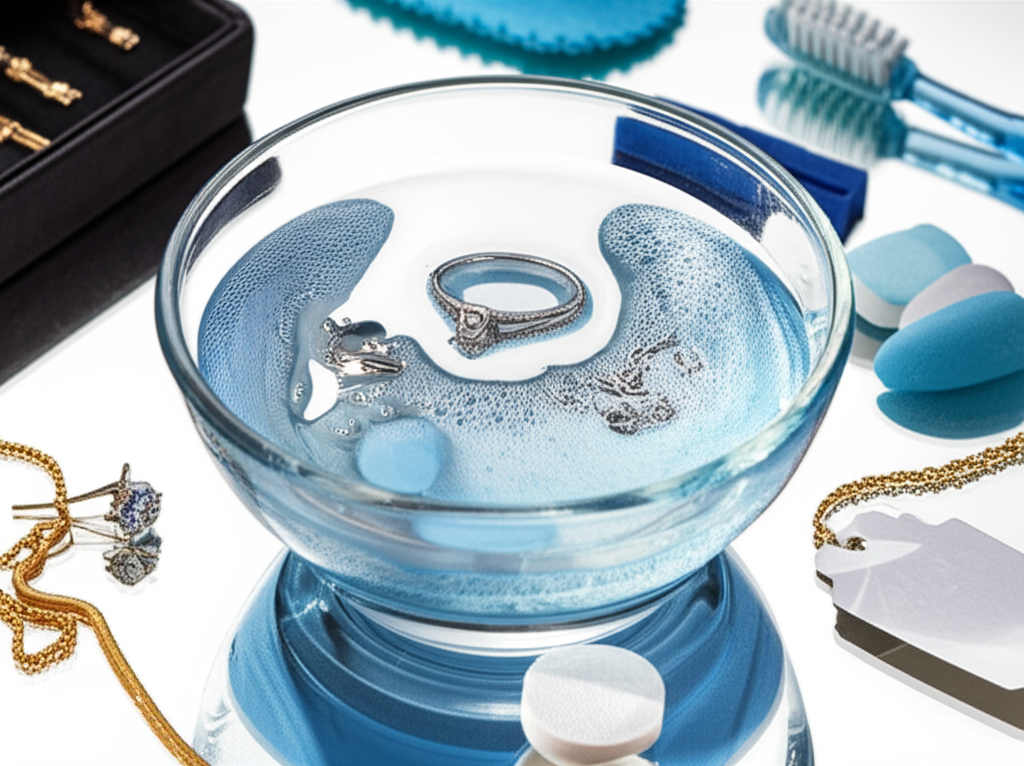
Using denture cleaner for your jewelry is remarkably simple. You’ll need a small bowl or container, warm water, and your chosen denture cleaning tablets. Begin by filling the bowl with warm water. Avoid using hot water, as extreme temperatures can sometimes damage certain gemstones or alter the metal’s properties.
Next, drop one denture cleaning tablet into the water. Watch as it fizzes and dissolves, creating a cleaning solution. Submerge your jewelry in the solution, ensuring all parts are fully covered. Let the jewelry soak for the time recommended on the denture cleaner packaging, typically 15-30 minutes, or until the fizzing subsides. This allows the active ingredients to work on the tarnish and grime.
After soaking, gently remove your jewelry from the solution. Use a soft-bristled brush, like an old toothbrush, to carefully scrub away any remaining dirt or loosened tarnish, especially in detailed areas. Rinse each piece thoroughly under cool running water to remove all traces of the cleaning solution. Finally, dry your jewelry completely with a soft, lint-free cloth. Buffing gently will enhance the shine and remove any water spots.
Essential Tools and Materials for the Job
Gathering the right supplies ensures a smooth and effective cleaning process. You’ll primarily need denture cleaning tablets – any reputable brand will do. A small non-metallic bowl or container is essential for soaking your jewelry; glass or ceramic works perfectly. Warm tap water is ideal for activating the tablets.
For scrubbing stubborn grime, a soft-bristled toothbrush is invaluable. Look for one with very fine bristles to avoid scratching your jewelry. A soft, lint-free cloth, such as a microfiber cloth or a dedicated jewelry polishing cloth, is crucial for drying and buffing. For very delicate pieces or those with hard-to-reach areas, consider a pair of non-metallic tweezers for safely handling items in the cleaning solution.
Comparing Denture Cleaner to Traditional Jewelry Cleaners
Denture cleaner offers a compelling alternative to specialized jewelry cleaners in several aspects. Its primary advantage is affordability; a pack of denture tablets is significantly less expensive than most commercial jewelry cleaning solutions. It’s also readily available in most drugstores and supermarkets, making it a convenient option. The cleaning action is generally gentle enough for most precious metals and durable gemstones, providing a comparable shine.
However, specialized jewelry cleaners might offer formulations tailored to specific metals or include anti-tarnish agents for longer-lasting protection. Some professional cleaners also contain harsher chemicals that can remove deeper tarnish more quickly, but these may also pose a greater risk to delicate stones or finishes. For everyday cleaning and restoring brilliance, denture cleaner is an excellent, cost-effective choice. For deeply tarnished or antique pieces, professional cleaning might be more suitable.
| Feature | Denture Cleaner for Jewelry | Specialized Jewelry Cleaner |
| :—————— | :———————————————————- | :————————————————————- |
| Cost | Very Affordable | Moderate to Expensive |
| Availability | Widely available in most stores | Available in jewelry stores, online, or some department stores |
| Ease of Use | Simple soak and rinse method | Varies, often similar to denture cleaner |
| Effectiveness | Excellent for tarnish, grime, and general buildup | Can be tailored for specific metals and tarnish levels |
| Gentleness | Generally gentle on most metals and durable stones | Varies by formulation; some can be harsh |
| Best For | Everyday cleaning, silver, gold, costume jewelry | Specific metals, deep tarnish, delicate finishes (if formulated) |
| Potential Risks | Damage to porous stones (pearls, opals), glued items | Can be too harsh for certain materials or finishes |
Safety Precautions and What to Avoid
While denture cleaner is generally safe, a few precautions ensure your jewelry remains unharmed. Never use hot water, as it can damage certain gemstones like pearls or opals and may affect the integrity of glued-in settings. Avoid soaking jewelry with porous stones (pearls, opals, turquoise, emeralds) or organic materials like coral. These can absorb the solution and become discolored or degraded.
Also, refrain from using denture cleaner on jewelry with glued-in stones, glued elements, or delicate enamel work. The prolonged moisture and chemical action can weaken adhesives. Do not mix denture cleaner with other cleaning agents, as this can create dangerous fumes or damage your jewelry. Always rinse your jewelry thoroughly after cleaning to remove any residue.
Revitalizing Specific Jewelry Types
Sterling Silver: This is where denture cleaner truly shines. Silver naturally tarnishes due to a reaction with sulfur in the air, forming a dark layer. Denture cleaner effectively lifts this tarnish, restoring silver’s bright, reflective finish. For heavily tarnished pieces, a slightly longer soak or gentle scrubbing with a soft brush can be beneficial.
Gold Jewelry: Gold, especially lower karat gold (like 10K or 14K), can also accumulate grime and dullness. Denture cleaner can safely remove this buildup, bringing back the gold’s inherent warmth and shine. It’s particularly useful for intricate gold chains or rings with detailed engraving.
Diamond and Gemstone Jewelry: Diamonds, sapphires, and rubies are hard and non-porous, making them excellent candidates for denture cleaner. The solution can effectively remove the oils and lotions that make diamonds appear dull, restoring their sparkle. For other gemstones, always check their porosity and hardness first.
Costume Jewelry and Plated Items: For many pieces of costume jewelry or items with a gold or silver plating, denture cleaner can provide a surprising refresh. It helps remove the everyday grime that accumulates, making them look brighter. However, be cautious with heavily worn plating, as the cleaning might expose underlying base metals.
Troubleshooting Common Issues
Sometimes, even with the best intentions, you might encounter minor issues. If your jewelry doesn’t seem to be cleaning effectively, ensure the water is warm but not hot, and that the tablet has fully dissolved. For stubborn tarnish, try a slightly longer soak or use a soft brush for gentle agitation. If you notice any discoloration after cleaning, it might indicate the jewelry contains alloys that reacted with the solution, or that the jewelry is plated and the plating has worn off.
If you’re concerned about porous stones, a quick dip and rinse might be safer than a full soak. Always test on an inconspicuous area if you have any doubts about the material. Remember, the goal is to enhance, not harm, your precious items.
Maintaining Your Jewelry’s Shine Post-Cleaning
Once your jewelry is sparkling, proper maintenance will keep it that way longer. Store your clean jewelry in a dry, airtight container or jewelry box to minimize exposure to air and moisture, which cause tarnish. For sterling silver, consider using anti-tarnish strips or bags. Regularly wear your jewelry; the natural oils from your skin can sometimes help keep silver from tarnishing too quickly.
Wipe your jewelry with a soft, lint-free cloth after each wear to remove body oils, lotions, and perfumes. For pieces that are frequently worn or exposed to chemicals (like chlorine in pools), a quick rinse and dry can make a big difference. Periodic re-cleaning with denture cleaner or a specialized polish will keep your pieces looking their best.
Frequently Asked Questions About Denture Cleaner for Jewelry
Can I use denture cleaner on my wedding ring?

Yes, most wedding rings made of gold or platinum can be safely cleaned with denture cleaner. However, if your ring contains porous gemstones like pearls or opals, or has glued-in elements, it’s best to avoid soaking or consult a jeweler.
How often can I clean my jewelry with denture cleaner?
For most everyday jewelry, cleaning once a month or as needed when you notice dullness is sufficient. Over-cleaning can potentially wear down intricate details on very old or delicate pieces.
Will denture cleaner damage my pearls?
It is highly recommended to avoid using denture cleaner on pearls. Pearls are organic and porous; they can absorb the cleaning solution, leading to dullness, discoloration, or structural damage.
What if my jewelry has a lot of intricate details?
Denture cleaner is excellent for intricate details because the effervescent action helps dislodge dirt from small crevices. After soaking, use a very soft toothbrush to gently scrub these areas before rinsing.
Can denture cleaner remove deep tarnish from silver?
Denture cleaner can effectively remove moderate tarnish from silver. For extremely deep or black tarnish, you might need a more potent silver polish, but always test it gently first.
Conclusion: The Unexpected Sparkle You Can Achieve
Who knew that a humble denture cleaner could be such a powerful ally in your quest for dazzling jewelry? We’ve explored how its unique cleaning properties break down tarnish and grime, offering an essential, transformative shine to a wide array of precious and costume pieces. From sterling silver to gold and even durable gemstones, this budget-friendly solution provides an accessible way to restore brilliance.
By following the simple steps and safety precautions outlined, you can confidently use denture cleaner for jewelry to bring back the sparkle to your favorite accessories. Embrace this smart, cost-effective method and enjoy the radiant glow of your revitalized treasures. Your jewelry box will thank you for this simple yet effective secret!
