


Published on: October 15, 2025 | Updated on: October 15, 2025
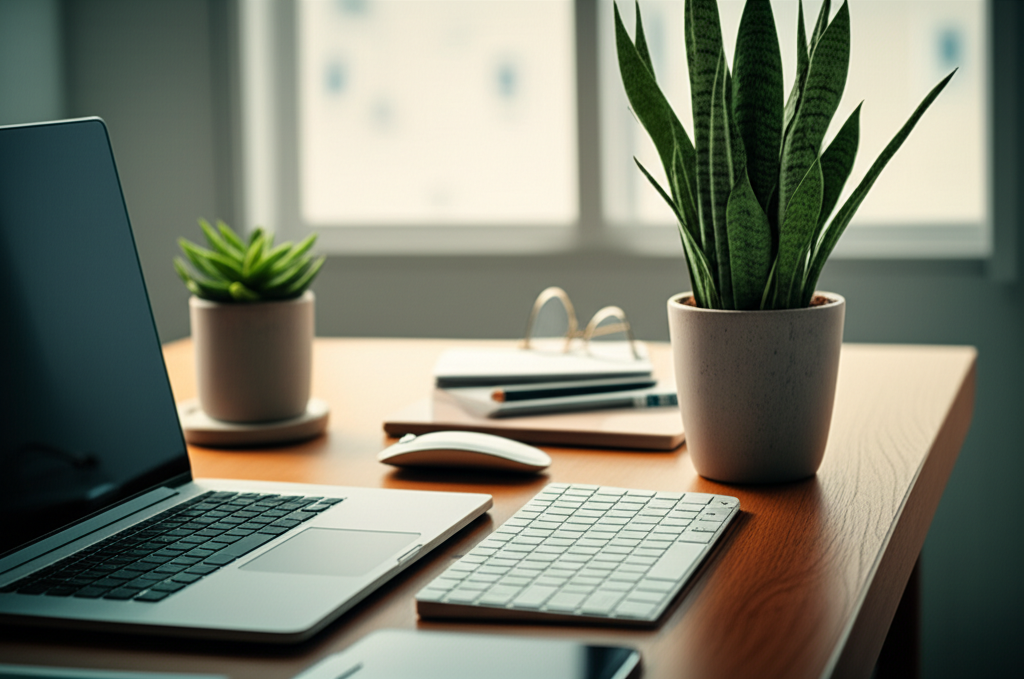
Transform your home office into a vibrant, productive haven with our essential green workspace design inspiration. Explore stunning ideas that blend nature, function, and style for ultimate well-being and efficiency.
Are you dreaming of a home office that feels both inspiring and calming? Many of us struggle to create a workspace that truly supports our focus and creativity. It can feel overwhelming to balance beauty with practicality. But don’t worry, I’m here to guide you. This article will unlock simple yet powerful green workspace design inspiration. Get ready to learn how to create a space that nurtures your productivity and well-being.
Why Green Workspace Design Matters for Productivity

Choosing a green workspace design isn’t just about aesthetics; it’s a strategic move for boosting your productivity and overall well-being. Bringing elements of nature indoors has a profound impact on our mood and cognitive function. A well-designed green workspace can reduce stress and increase focus.
The Science Behind Nature and Productivity
Studies show that exposure to nature, even in small doses, can improve concentration and creativity. Greenery helps to filter air and can even lower blood pressure. These benefits translate directly into a more effective work environment.
Top Green Workspace Design Inspiration Ideas
Let’s dive into some stunning and essential ideas to bring the power of green into your home office. These suggestions are easy to implement and offer big results.
1. Embrace Natural Light: The Foundation of a Green Workspace
Natural light is the ultimate green design element. It’s free, abundant, and has incredible benefits for your mood and energy levels. Maximize the light you have to create a more inviting and productive workspace.
Maximize your natural light for a brighter, more energetic workspace that boosts focus and reduces eye strain.
Position your desk to face a window if possible. This allows you to enjoy natural light throughout the day. Avoid placing your screen directly in front of a window to prevent glare.
Desk Placement: Aim for a side-on view to the window.
Blind Adjustments: Use sheer blinds to diffuse harsh sunlight.
Mirror Magic: Place mirrors strategically to reflect light.
A well-lit space makes you feel more awake and engaged. It also reduces the need for artificial lighting, saving energy.
2. Incorporate Live Plants: Nature’s Productivity Boosters
Live plants are the heart of any green workspace. They purify the air, reduce stress, and add a touch of natural beauty. Even a single plant can make a significant difference.
Bring life into your workspace with plants that purify the air, reduce stress, and enhance your focus and creativity.
Choosing the right plants for your space is key. Consider low-maintenance options if you’re new to plant care. Popular choices include Snake Plants, ZZ Plants, and Pothos.
Air Purifiers: Snake Plants and Spider Plants are excellent.
Low Light Lovers: ZZ Plants and Cast Iron Plants thrive in dimmer areas.
Hanging Wonders: Pothos and String of Pearls add vertical interest.
These living companions create a calming atmosphere. They can also help improve indoor air quality, making your workspace healthier.
Easy-Care Plants for Your Green Office
Finding plants that fit your lifestyle is important. Here are a few easy-care options perfect for busy professionals.
| Plant Name | Light Needs | Watering Frequency | Benefits |
| :————— | :————— | :—————– | :————————————- |
| Snake Plant | Low to Bright | Infrequent | Air purification, stress reduction |
| ZZ Plant | Low to Medium | Very Infrequent | Air purification, drought tolerant |
| Pothos | Low to Bright | Moderate | Air purification, easy to propagate |
| Spider Plant | Bright Indirect | Moderate | Air purification, produces “babies” |
These plants require minimal attention but offer maximum impact. They’re perfect for adding life without adding stress.
3. Choose Earthy Color Palettes: Calming Greens and Neutrals
Colors have a powerful psychological effect. For a green workspace, think about natural, calming hues. Greens, blues, and earthy neutrals create a serene and focused environment.
Utilize calming earthy tones like greens, browns, and soft blues to create a serene and focused atmosphere that reduces mental fatigue.
Consider painting one accent wall a soft sage green. You can also introduce these colors through accessories. Think desk organizers, cushions, or artwork.
Accent Wall: A soft green or muted blue.
Neutral Base: Beige, cream, or light grey for walls and furniture.
Wood Tones: Incorporate natural wood finishes for warmth.
These colors mimic nature’s palette. They help to create a harmonious and balanced workspace.
4. Natural Materials: Wood, Stone, and Bamboo
The texture and feel of your materials matter. Opt for natural elements that connect you to the outdoors. Wood, bamboo, and stone bring organic warmth and durability to your space.
Integrate natural materials like wood, bamboo, and cork to add warmth, texture, and a sustainable feel to your workspace, enhancing its connection to nature.
A solid wood desk is a classic choice. Bamboo offers a sustainable and lightweight alternative. Consider a stone coaster or a corkboard for a unique touch.
Wood: Desks, shelves, picture frames.
Bamboo: Desk accessories, organizers, chair accents.
Stone/Ceramics: Coasters, plant pots, decorative items.
These materials are not only beautiful but often more sustainable. They add a tactile richness to your workspace.
5. Biophilic Design Elements: Bringing the Outdoors In
Biophilic design is all about connecting humans with nature. It goes beyond just plants and light. Think about incorporating natural patterns and views.
Incorporate biophilic design principles by mimicking natural patterns, using natural light, and creating views of nature to foster a sense of calm and enhance cognitive function.
This could mean using artwork that depicts landscapes. You might also choose furniture with curved, organic shapes. If you have a view of nature, make sure to maximize it.
Nature-Inspired Art: Landscapes, botanical prints.
Organic Shapes: Curved furniture lines, rounded corners.
Water Features: Small tabletop fountains can add calming sounds.
The goal is to create a space that feels alive and connected to the natural world. This connection is deeply restorative.
6. Sustainable and Eco-Friendly Choices
A truly green workspace is also an eco-friendly one. Think about the materials you use and their impact. Choosing sustainable options benefits both your health and the planet.
Prioritize sustainable and eco-friendly materials and practices in your workspace design to reduce your environmental footprint and create a healthier, more conscious work environment.
Look for furniture made from recycled materials. Opt for low-VOC paints and finishes. Consider energy-efficient lighting solutions.
Recycled Materials: Furniture, rugs, desk accessories.
Low-VOC Products: Paints, sealants, adhesives.
Energy Efficiency: LED lighting, smart power strips.
Making conscious choices enhances the “green” aspect of your workspace. It aligns your work environment with your values.
7. Smart Storage Solutions: Declutter for Clarity
A cluttered space can lead to a cluttered mind. Effective storage is crucial for maintaining a calm and productive green workspace. Opt for solutions that are both functional and aesthetically pleasing.
Implement smart storage solutions that keep your workspace tidy and organized, promoting mental clarity and a sense of calm essential for focused work.
Think vertical storage to save floor space. Natural wood or bamboo shelving units are excellent choices. Hidden storage options can help maintain a minimalist look.
Vertical Shelving: Maximize wall space.
Drawer Organizers: Keep small items tidy.
Closed Cabinets: Hide away clutter for a clean look.
Organized spaces reduce distractions. They allow you to focus on your tasks at hand.
8. Ergonomics Meets Green Design: Comfort for Productivity
Ergonomics is vital for long-term comfort and health. Combine ergonomic principles with green design for a workspace that supports both your body and mind.
Integrate ergonomic principles with green design by choosing comfortable, supportive furniture made from natural materials to ensure physical well-being and enhance focus.
An ergonomic chair made from breathable, natural fabrics is ideal. A height-adjustable desk allows you to switch between sitting and standing. These choices support your physical health.
Ergonomic Chair: Look for adjustable lumbar support and breathable materials.
Standing Desk: Promotes movement and reduces sedentary time.
Monitor Stand: Ensures proper screen height to prevent neck strain.
Investing in ergonomic solutions is investing in your health. It prevents strain and fatigue during long work hours.
9. Lighting: Balancing Natural and Artificial
While natural light is king, you’ll need artificial light too. Choose options that complement your green workspace design. Aim for warm, adjustable lighting.
Balance natural light with warm, adjustable artificial lighting to create an inviting and productive atmosphere that minimizes eye strain and supports your circadian rhythm.
Task lighting is essential for focused work. Ambient lighting can create a softer mood. Consider lamps with dimming features.
Task Lighting: Desk lamps for focused illumination.
Ambient Lighting: Floor lamps or ceiling lights for general brightness.
Warm Bulbs: Opt for bulbs with a warm color temperature (around 2700K).
The right lighting can transform your space. It makes it more comfortable and functional for different tasks.
Integrating Green Workspace Design into Your Home
Bringing these green workspace design inspiration ideas into your home is a journey. Start small and build up. Even a few changes can make a big difference.
Small Space, Big Impact: Green Ideas for Compact Offices
Even the smallest corners can be transformed into green havens. Think vertically and use multi-functional items. A small plant on your desk or a nature-inspired mousepad can start the process.
Maximize limited space with vertical solutions, multi-functional furniture, and small green accents to create an inspiring and productive compact workspace.
A floating shelf can hold plants and organizers. A compact desk with built-in storage is perfect. Choose a chair that can tuck away neatly.
Floating Shelves: For plants, books, and decor.
Multi-Functional Desk: With integrated drawers or shelving.
Compact Ergonomic Chair: Easy to store when not in use.
Don’t let size limit your creativity. Small spaces can be incredibly charming and functional.
Creating a Serene Sanctuary: Mindful Green Workspace Design
Your workspace should be a place where you feel calm and centered. Mindful design choices contribute to this feeling. Focus on simplicity and intention.
Cultivate a serene sanctuary by focusing on simplicity, intentionality, and elements that promote mindfulness and reduce stress in your green workspace.
Declutter regularly. Bring in items that bring you joy. Consider incorporating natural scents like lavender or eucalyptus.
Mindful Decor: Items with personal meaning.
Natural Scents: Essential oil diffusers.
* Quiet Zone: Minimize noise distractions.
A serene workspace supports deep work. It allows you to be fully present.
Frequently Asked Questions About Green Workspace Design
What are the main benefits of a green workspace?
A green workspace improves air quality, reduces stress, boosts focus, and enhances creativity. It connects you with nature, making work more enjoyable and productive.
How can I add plants to my workspace if I don’t have a green thumb?
Choose low-maintenance plants like Snake Plants or ZZ Plants. They tolerate neglect well and still provide air-purifying benefits. Start with one or two easy-care options.
What colors are best for a productive green workspace?
Calming greens, blues, and earthy neutrals like beige and brown are ideal. They create a serene atmosphere that promotes focus and reduces anxiety.
Is natural light enough for a green workspace?
While natural light is essential, you’ll likely need artificial light too. Opt for warm, dimmable lighting that complements natural light and reduces eye strain.
How can I make my small workspace feel more green?
Incorporate small plants, use natural materials like wood or bamboo, and choose green accents in your decor. Even a nature-themed print can help.
What is biophilic design in a workspace?
Biophilic design connects the indoor environment with nature. It includes elements like natural light, plants, natural materials, and views of nature to enhance well-being.
How do I balance aesthetics and functionality in a green workspace?
Prioritize your needs first. Choose functional, ergonomic furniture. Then, layer in green elements like plants and natural materials that also enhance the aesthetic appeal.
Conclusion: Cultivating Your Productive Green Oasis
Designing a green workspace is an investment in yourself. It’s about creating a space that not only looks beautiful but also actively supports your productivity and well-being. By incorporating natural light, live plants, earthy colors, and sustainable materials, you can transform your home office into a vibrant, calming, and highly functional environment. Remember, even small changes can lead to significant improvements. Embrace these green workspace design inspiration ideas to cultivate your personal oasis. Start today and experience the difference a truly green workspace can make.
