


Published on: September 8, 2025 | Updated on: September 8, 2025
Keep your precious metals and stones sparkling by learning how to clean jewelry after chlorine exposure. This guide offers simple, effective methods to remove damage and prevent future harm to your favorite pieces.
Swimming pools, hot tubs, and even some cleaning products contain chlorine, a powerful chemical that can wreak havoc on your jewelry. Over time, this can lead to discoloration, dullness, and even structural damage, especially for softer metals and certain gemstones. But don’t worry, with the right knowledge and a few simple household items, you can easily restore your jewelry’s luster and protect it from further harm. This guide will walk you through everything you need to know to tackle chlorine-damaged jewelry.
Why Chlorine is Bad for Your Jewelry
Chlorine, a common disinfectant found in swimming pools and hot tubs, is notoriously harsh on jewelry. It can react with the metals in your pieces, causing them to tarnish, discolor, and even pit. Certain gemstones are also vulnerable, with chlorine potentially dulling their sparkle or causing permanent damage. Understanding these risks is the first step to safeguarding your treasured accessories.
The Chemical Reaction: Chlorine Meets Metal and Stone
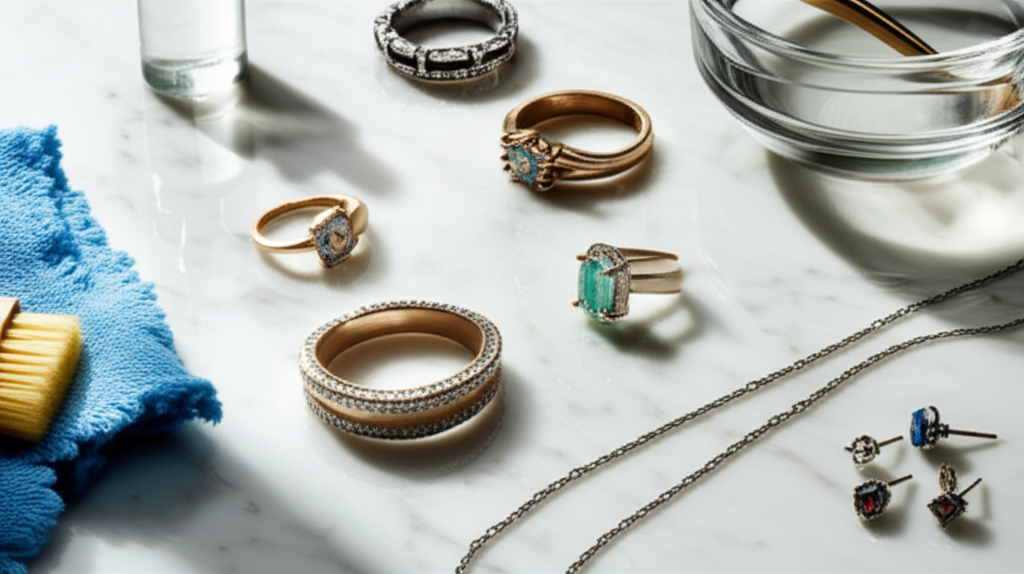
Chlorine is a strong oxidizing agent. When it comes into contact with metals like gold, silver, and even the alloys used in platinum jewelry, it can strip away protective layers or react directly with the metal itself. This often results in a dull, discolored appearance, sometimes referred to as “chlorine damage.” For instance, chlorine can react with the copper in 14k gold, leading to green or black spots.
Gemstone Susceptibility to Chlorine
Not all gemstones are created equal when it comes to chlorine resistance. Porous stones like pearls, opals, and turquoise are particularly susceptible. Chlorine can seep into their microscopic pores, causing them to become discolored, develop a cloudy appearance, or even crack. Even harder stones like diamonds can lose some of their brilliance if the chlorine leaves a residue on their surface.
Immediate Steps: What to Do Right After Chlorine Exposure
The best defense against chlorine damage is a swift offense. If you know your jewelry has been exposed to chlorinated water, take action as soon as possible. Rinsing your jewelry immediately can significantly minimize the potential for lasting damage. This simple step can save you a lot of trouble and expense down the line.
Rinse with Fresh Water
The very first thing you should do is rinse your jewelry thoroughly with cool, fresh water. Avoid using hot water, as this can sometimes exacerbate chemical reactions. Gently swish the pieces in the water for at least 30 seconds to ensure all chlorine residue is washed away. This quick rinse is crucial for preventing the chemicals from setting into the metal or stones.
Gentle Drying
After rinsing, gently pat your jewelry dry with a soft, lint-free cloth. Avoid rubbing vigorously, as this can cause scratches, especially on softer metals or polished surfaces. Ensuring your jewelry is completely dry helps prevent water spots and further chemical reactions from any remaining moisture.
Essential Tools and Supplies for Cleaning
Before you begin the cleaning process, gather the necessary items. Most of these are common household products, making it easy to get started. Having everything ready ensures a smooth and efficient cleaning experience, so you can get back to admiring your sparkling jewelry.
What You’ll Need
Mild Dish Soap: A gentle, non-abrasive soap is your best friend for everyday cleaning.
Soft Bristle Brush: An old, soft toothbrush is perfect for gently scrubbing intricate designs.
Lint-Free Cloths: Microfiber cloths are ideal for polishing without scratching.
Small Bowl: For soaking your jewelry.
Warm Water: To create your cleaning solution.
Optional: Specialized jewelry cleaner (for tougher cases), ammonia solution (for specific metals/stones, use with caution).
Choosing the Right Cleaning Agent
The key is to use mild cleaning agents. Harsh chemicals or abrasive cleaners will do more harm than good. For most jewelry, a simple solution of warm water and a few drops of mild dish soap is highly effective. Always check your jewelry’s material and any specific care instructions before opting for stronger solutions.
Step-by-Step Guide: How to Clean Jewelry After Chlorine
This comprehensive guide will take you through the most effective methods for cleaning jewelry that has been exposed to chlorine. We’ll cover different approaches based on the type of jewelry and the severity of the damage. Follow these steps carefully to bring back the shine.
Step 1: Prepare Your Cleaning Solution
Fill a small bowl with warm water. Add a few drops of mild dish soap to the water and gently swirl to create a soapy solution. Ensure the soap is well-dissolved and not creating excessive suds, as this can make rinsing more difficult. This gentle solution is safe for most types of jewelry.
Step 2: Soak Your Jewelry
Place your chlorine-exposed jewelry into the prepared soapy water. Let it soak for about 10-20 minutes. This soaking period allows the water and soap to loosen any grime, chlorine residue, or tarnish that has formed on the surface of your jewelry. For very delicate pieces, a shorter soaking time might be advisable.
Step 3: Gentle Scrubbing
After soaking, use a soft-bristle toothbrush to gently scrub each piece of jewelry. Pay close attention to any nooks, crannies, or settings where chlorine residue might have accumulated. Be extremely gentle, especially around any gemstones, to avoid dislodging them or scratching the metal. This step is crucial for removing stubborn film.
Step 4: Thorough Rinsing
Rinse each piece of jewelry thoroughly under cool, running tap water. Make sure to rinse away all traces of soap. Soap residue can dull the shine of your jewelry, so a good rinse is essential. You can also use a small bowl of clean water to rinse if running water is not ideal for your setup.
Step 5: Drying and Polishing
Gently pat your jewelry dry with a soft, lint-free cloth, such as a microfiber cloth. Once dry, you can use a clean section of the cloth to gently polish your jewelry. This will help restore its natural shine and remove any lingering water spots. For metals like silver, a dedicated silver polishing cloth can be used for an extra boost.
Special Considerations for Different Jewelry Materials
Not all jewelry is created equal, and certain materials require specific care, especially after chlorine exposure. What works for gold might not be suitable for pearls or silver. Understanding the properties of your jewelry’s materials will help you choose the safest and most effective cleaning method.
Cleaning Gold Jewelry After Chlorine
Gold jewelry, especially lower karat gold (like 10k or 14k) which contains more alloy metals, can be susceptible to chlorine damage. The cleaning process outlined above (mild soap, water, soft brush) is generally safe and effective. For heavily tarnished gold, a solution of one part ammonia to six parts water can be used, but always rinse thoroughly and avoid this for gold with certain gemstones. Always test any cleaning solution on an inconspicuous area first.
Cleaning Silver Jewelry After Chlorine
Silver is more prone to tarnishing than gold. Chlorine can accelerate this process, leaving a dark, dull film. For mild tarnish, the mild soap and water method is a good start. For more significant tarnishing, you might consider a silver polishing cloth or a commercial silver cleaner. Be cautious with silver cleaners, as they can sometimes be abrasive.
Cleaning Platinum Jewelry After Chlorine
Platinum is a very durable metal and is less likely to be damaged by chlorine than gold or silver. However, dirt and residue can still accumulate, dulling its shine. The standard mild soap and water cleaning method is usually sufficient for platinum. If you notice scratches, a professional jeweler may be needed for re-polishing.
Gemstone Care After Chlorine Exposure
The care for gemstones varies greatly. Soft, porous stones like pearls, opals, turquoise, and coral should be cleaned very gently. Avoid soaking them for extended periods. A damp cloth with a tiny bit of mild soap followed by a rinse with a clean, damp cloth is usually best. Harder stones like diamonds, sapphires, and rubies can typically withstand the standard soap and water cleaning method, but it’s always wise to check with a jeweler if you’re unsure.
When to Seek Professional Cleaning
While most minor chlorine damage can be handled at home, some situations call for expert intervention. If your jewelry is particularly valuable, features intricate or delicate gemstones, or if you’re unsure about the best cleaning method, a professional jeweler is your best bet. They have the tools and expertise to safely clean and restore your pieces.
Signs Your Jewelry Needs Professional Attention
Severe Discoloration or Pitting: If the metal appears significantly discolored, blackened, or shows signs of pitting, it might indicate deep chemical damage.
Loose Gemstones: If you notice any gemstones feel loose or are at risk of falling out, a jeweler can secure them properly.
Intricate or Antique Pieces: Very old, delicate, or intricately designed jewelry often requires specialized cleaning techniques.
Uncertainty About Materials: If you’re unsure about the exact composition of your jewelry or the gemstones it holds, professional advice is recommended.
Benefits of Professional Jewelry Cleaning
Professional jewelers use specialized ultrasonic cleaners and steam cleaners that can remove stubborn grime and residue safely and effectively. They can also identify and address any potential damage, such as weakened prongs or cracks, that you might miss. A professional cleaning can restore your jewelry to its original brilliance and ensure its longevity.
Preventing Future Chlorine Damage to Your Jewelry
The best way to deal with chlorine damage is to prevent it from happening in the first place. Making a few simple habits part of your routine can go a long way in protecting your treasured pieces from the harsh effects of chlorine. It’s easier to prevent damage than to repair it.
Remove Jewelry Before Swimming or Hot Tubs
This is the golden rule of jewelry care when it comes to chlorine. Always remove your rings, bracelets, necklaces, and earrings before entering a swimming pool, hot tub, or even a heavily chlorinated spa. Store them in a dry place away from the water to avoid any contact. This simple habit is the most effective way to prevent chlorine damage.
Be Mindful of Household Cleaners
Many common household cleaning products contain chlorine bleach or other harsh chemicals that can damage jewelry. When cleaning around the house, especially if using bleach-based products, remove your jewelry. Store it in a safe place until you’re finished with your cleaning tasks.
Regular Gentle Cleaning
Regularly cleaning your jewelry with mild soap and water, as described earlier, can prevent the buildup of residues that might react with chlorine or other substances. A quick clean once a week or every two weeks can maintain its shine and prevent potential issues. This proactive approach keeps your jewelry looking its best.
Table: Chlorine Resistance of Common Gemstones
Understanding which gemstones are more or less resistant to chlorine can help you decide when to remove your jewelry. This table provides a general overview, but it’s always best to research your specific stone if you’re unsure.
| Gemstone Type | Chlorine Resistance | Recommended Care After Exposure |
| :—————- | :—————— | :—————————————————————————————————————————— |
| Diamonds | High | Generally safe, but can lose shine from residue. Clean with mild soap and water. |
| Sapphires | High | Similar to diamonds, generally safe. Clean with mild soap and water. |
| Rubies | High | Similar to diamonds, generally safe. Clean with mild soap and water. |
| Emeralds | Moderate | Can be brittle. Avoid harsh chemicals and soaking. Gentle wipe with a damp cloth is best. |
| Amethyst | Moderate | Can fade with prolonged exposure. Clean gently with mild soap and water; avoid soaking. |
| Garnet | Moderate | Generally safe, but some varieties may be sensitive. Clean with mild soap and water. |
| Pearls | Low | Very porous and sensitive. Remove before chlorine exposure. Clean with a soft, damp cloth only. Avoid soaking and chemicals. |
| Opals | Low | Porous and can absorb liquids, leading to color loss. Remove before chlorine exposure. Clean gently with a damp cloth. |
| Turquoise | Low | Porous and can change color. Remove before chlorine exposure. Clean with a soft, damp cloth; avoid soaking. |
| Coral | Low | Porous and sensitive to chemicals. Remove before chlorine exposure. Clean with a soft, damp cloth. |
This table highlights the importance of knowing your gemstones. While diamonds and sapphires are quite resilient, pearls and opals require extreme caution. Always err on the side of removing jewelry with sensitive stones before any potential chlorine exposure.
Common Mistakes to Avoid When Cleaning Jewelry
Even with the best intentions, it’s easy to make mistakes that can harm your jewelry. Being aware of these common pitfalls can help you avoid them and ensure your cleaning efforts are beneficial, not detrimental. Protect your precious pieces by steering clear of these errors.
Using Harsh Chemicals or Abrasives
Never use bleach, ammonia (unless diluted and for specific metals), or abrasive cleaners like toothpaste or baking soda paste on your jewelry. These can scratch metals, damage gemstones, and strip away protective coatings, leading to more significant problems than chlorine exposure itself. Always opt for the mildest cleaning agents first.
Scrubbing Too Hard
Vigorous scrubbing with a toothbrush can scratch metal surfaces and even dislodge gemstones, especially if they are not set securely. Use a very light touch and let the soaking solution do most of the work. Patience is key when cleaning delicate items.
Ignoring Specific Material Needs
Treating all jewelry the same is a recipe for disaster. Forgetting that pearls are porous or that certain gemstones can be damaged by water can lead to irreversible harm. Always research your jewelry’s materials and follow specific care instructions.
Not Rinsing Properly
Leaving soap residue on your jewelry will dull its shine and can even attract more dirt. Ensure you rinse thoroughly under clean water until all traces of soap are gone. This step is vital for achieving a brilliant finish.
DIY vs. Professional Cleaning: When to Choose Which
Deciding whether to tackle a cleaning job yourself or take it to a professional depends on several factors. For routine maintenance and minor chlorine residue, DIY methods are usually sufficient and cost-effective. However, for valuable pieces or significant damage, professional help is often the wiser choice.
DIY Cleaning Advantages
Cost-Effective: Uses readily available household items.
Convenient: Can be done at home anytime.
Good for Routine Maintenance: Effective for everyday dirt and light residue.
Empowering: Gives you control over your jewelry’s care.
Professional Cleaning Advantages
Expertise: Jewelers have specialized knowledge of materials and cleaning techniques.
Advanced Tools: Access to ultrasonic cleaners and steam cleaners for deep cleaning.
Damage Assessment: Can identify and repair minor damage (e.g., loose prongs).
Ideal for Valuable/Delicate Pieces: Safest option for high-value or intricate jewelry.
Consider the value of your jewelry, the type of damage, and your own comfort level with cleaning. If in doubt, a quick consultation with a jeweler can provide peace of mind.
Frequently Asked Questions (FAQ)
Got more questions about cleaning jewelry after chlorine? Here are some common ones answered.
Can chlorine permanently damage my jewelry?
Yes, chlorine can cause permanent damage, especially to softer metals and porous gemstones. It can lead to discoloration, tarnishing, pitting, and even structural weakening of certain stones over time. The longer the exposure and the more concentrated the chlorine, the higher the risk of permanent damage.
How often should I clean my jewelry after pool use?
If you frequently swim in chlorinated pools, it’s best to rinse your jewelry with fresh water immediately after each swim. For a more thorough cleaning, a gentle wash with mild soap and water once a week or every other week is recommended, especially if you notice any dullness.
Is it safe to use toothpaste to clean jewelry?
No, it is generally not safe to use toothpaste to clean jewelry. Toothpaste contains abrasive particles that can scratch and dull the surface of metals and gemstones, causing irreversible damage. Always opt for mild dish soap or specialized jewelry cleaners.
What if my jewelry has turned green after chlorine exposure?
A green tint often indicates a reaction between chlorine and the alloy metals in your jewelry (like copper in gold). You can try cleaning it with the mild soap and water method. For more stubborn discoloration on gold, a diluted ammonia solution (1 part ammonia to 6 parts water) can sometimes help, but rinse extremely thoroughly afterward. If the greening is severe or persistent, consult a jeweler.
Can I wear my jewelry in a hot tub?
It’s best to avoid wearing jewelry in hot tubs. Hot tubs often contain higher concentrations of chlorine or bromine, and the heat can also accelerate chemical reactions, increasing the risk of damage to your jewelry.
My pearl necklace feels dull after swimming. What should I do?
Pearls are very delicate. If your pearl necklace feels dull, it likely absorbed chlorine. Gently wipe the pearls with a soft, slightly damp cloth to remove residue. Avoid soaking them or using any cleaning solutions. For significant dullness or discoloration, consult a professional pearl cleaner or jeweler.
Final Words on Keeping Your Jewelry Chlorine-Free
Protecting your jewelry from chlorine doesn’t have to be a daunting task. By understanding the risks and adopting simple preventative measures and cleaning routines, you can keep your precious pieces looking their best for years to come. Remember to always remove your jewelry before swimming, rinse it immediately after exposure, and use gentle, appropriate cleaning methods for different materials. If you encounter significant damage or are unsure about how to proceed, don’t hesitate to seek professional help from a trusted jeweler. With a little care and attention, you can ensure your jewelry continues to shine brightly, free from the damaging effects of chlorine.
