


Published on: September 6, 2025 | Updated on: September 6, 2025
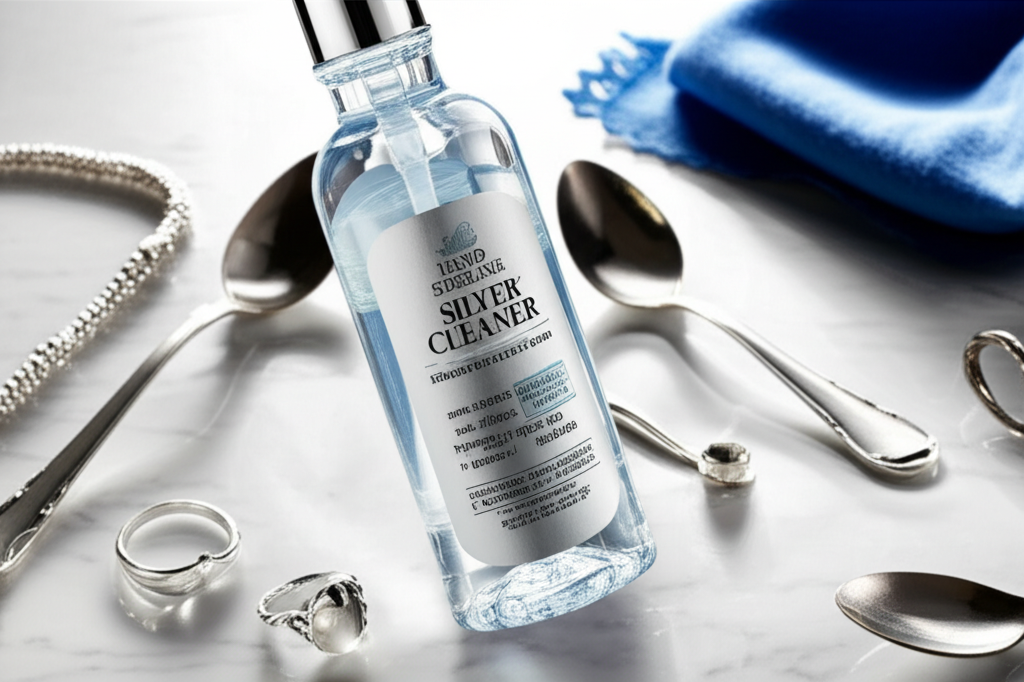
Get your sterling silver sparkling again with the best liquid sterling silver cleaner, offering a fast, effective shine without harsh scrubbing.
Sterling silver, a beloved metal for jewelry, tableware, and decorative items, has a unique charm. However, it’s prone to tarnishing, a natural chemical reaction that dulls its luster. Fortunately, restoring that brilliant shine is often simpler than you think, especially with the right liquid sterling silver cleaner. This guide will walk you through everything you need to know to achieve that ultimate effective shine, from understanding why silver tarnishes to choosing and using the best cleaning solutions.
Why Does Sterling Silver Tarnish?
Tarnish on sterling silver is a natural process caused by a chemical reaction. It’s not a sign of poor quality but rather a consequence of the metal’s composition. Understanding this process helps in preventing and cleaning it effectively.
The primary culprit behind silver tarnish is hydrogen sulfide, a gas found in the air. When this gas comes into contact with sterling silver (which is an alloy of silver and other metals, usually copper), it forms silver sulfide. This compound appears as a dark, dull layer on the surface of the silver.
Other factors can accelerate tarnishing. Exposure to humidity, certain chemicals like rubber, wool, and even some foods (like eggs and onions) can contribute to the speed at which your silver loses its shine. The copper alloy in sterling silver is more reactive than pure silver, making it susceptible to these environmental influences.
What Exactly is a Liquid Sterling Silver Cleaner?
A liquid sterling silver cleaner is a specially formulated solution designed to remove tarnish from sterling silver items. These cleaners work by chemically dissolving the silver sulfide layer without damaging the underlying metal. They are a popular choice for their ease of use and effectiveness on intricate designs.
These cleaning solutions typically contain mild acids or chelating agents that break down the tarnish. Many also include a rinsing agent to help prevent water spots and a polishing agent to enhance shine. The liquid form allows the cleaner to penetrate crevices and intricate details of jewelry or silverware, areas that can be difficult to reach with pastes or cloths alone.
When selecting a liquid sterling silver cleaner, it’s crucial to look for products specifically designed for sterling silver. Using cleaners meant for other metals could potentially damage your valuable items. Always check the product label for specific instructions and warnings.
How Does a Liquid Sterling Silver Cleaner Work?
The magic behind liquid sterling silver cleaner lies in its chemical formulation. These solutions are engineered to gently lift and dissolve the tarnish layer, revealing the bright, shiny silver beneath. It’s a process that requires careful balancing of active ingredients to be effective yet safe.
Most liquid cleaners utilize a mild acidic base, such as thiourea or phosphoric acid, to react with and break down the silver sulfide (tarnish). Some may also contain ammonia or other agents that help to lift the tarnish particles from the silver surface. The solution essentially loosens the grip of the tarnish on the metal.
Once the tarnish is dissolved, it is rinsed away with the cleaner solution or water. The effectiveness of the cleaner often depends on the severity of the tarnish. Light tarnish might disappear in seconds, while heavier tarnish may require a bit more soaking or gentle agitation.
Choosing the Right Liquid Sterling Silver Cleaner
With numerous options on the market, selecting the best liquid sterling silver cleaner can feel overwhelming. Consider factors like the type of item you’re cleaning, the severity of the tarnish, and any specific ingredients to avoid. Your choice impacts both the effectiveness of the cleaning and the longevity of your silver.
One of the most important considerations is the formulation. Some cleaners are designed for quick dips, while others are more intensive. For delicate jewelry, a gentler formula is usually preferred. If you have heavily tarnished items, a more potent cleaner might be necessary, but always test on an inconspicuous area first.
Brand reputation and customer reviews are also valuable indicators. Look for established brands known for quality silver care products. Reading reviews from other users who have cleaned similar items can provide insights into a product’s performance. Don’t forget to check the ingredient list if you have any sensitivities or concerns about harsh chemicals.
Top-Rated Liquid Sterling Silver Cleaners: A Comparison
To help you make an informed decision, I’ve researched some of the most highly regarded liquid sterling silver cleaners available. These products are praised for their effectiveness, ease of use, and value for money. Here’s a look at a few standouts that consistently receive positive feedback from users.
Here’s a quick comparison table of some popular options:
| Product Name | Key Features | Best For | Potential Downsides |
| :———————– | :———————————————– | :——————————————- | :——————————————— |
| Silver Dip Cleaner | Fast-acting, deep cleaning, easy to use | Jewelry, silverware, intricate items | Can be too harsh for some plated items |
| Jewelry Cleaner Solution | Gentle formula, includes polishing agents | Fine jewelry, everyday wear | May require more soaking for heavy tarnish |
| Ultra-Shine Silver Polish | Non-abrasive, long-lasting shine, pleasant scent | Larger pieces, serving trays, decorative items | Can be slightly more expensive than basic dips |
When evaluating these, consider your specific needs. If speed is of the essence, a dip cleaner is excellent. For precious heirlooms, a gentler, polishing solution might be a safer bet. Always follow the manufacturer’s instructions for optimal results and safety.
How to Use Liquid Sterling Silver Cleaner Effectively
Using a liquid sterling silver cleaner correctly is key to achieving that ultimate shine without causing any damage. It’s a straightforward process, but a few tips can make all the difference. Always prioritize safety and follow the product’s specific instructions.
Step-by-Step Guide to Using Liquid Sterling Silver Cleaner:
1. Prepare Your Workspace: Find a well-ventilated area, preferably near a sink. Lay down some paper towels or an old cloth to protect your surfaces from spills.
2. Gather Your Supplies: You’ll need the liquid sterling silver cleaner, a small non-metallic bowl (glass or plastic), rubber gloves, a soft cloth for drying, and possibly a soft-bristled brush for intricate areas.
3. Wear Gloves: Protect your skin from the cleaning solution by wearing rubber gloves. This is especially important if you have sensitive skin or cuts.
4. Dip the Silver: Carefully dip the tarnished sterling silver item into the bowl containing the cleaner. Do not leave it in for longer than recommended by the manufacturer, as this can cause damage. Many cleaners work in seconds.
5. Rinse Thoroughly: Remove the item from the cleaner and rinse it immediately and thoroughly under cool running water. Ensure all traces of the cleaner are washed away.
6. Dry and Buff: Gently dry the item with a soft, lint-free cloth. For extra shine, buff the silver with a clean section of the cloth.
7. Inspect: Check the item for any remaining tarnish. If necessary, repeat the process for stubborn spots, but avoid excessive dipping.
Remember, some cleaners are designed as dips, while others are meant to be applied with a cloth. Always read and follow the specific instructions on the product packaging. Proper technique ensures a brilliant shine and preserves your silver.
When to Use a Liquid Cleaner vs. Polishing Cloth or Paste
While liquid sterling silver cleaner is incredibly effective, it’s not always the only or best solution. Polishing cloths and pastes offer different approaches to tarnish removal, each with its own advantages and disadvantages. Knowing when to use each can help you maintain your silver collection perfectly.
Liquid cleaners are generally best for heavily tarnished items, especially those with intricate designs or crevices. Their ability to penetrate allows for a more thorough clean in hard-to-reach areas. However, they can sometimes be too aggressive for very delicate or plated items, and they don’t offer the same gentle buffing action as a cloth.
Polishing cloths, often infused with a mild cleaning agent, are excellent for light tarnish and for maintaining a regular shine. They provide a gentle, controlled cleaning and buffing action that is less likely to damage sensitive surfaces. They are also very convenient for quick touch-ups and are less messy than pastes.
Silver pastes offer a more hands-on approach. They require more elbow grease but can be very effective for removing moderate to heavy tarnish. However, they can be abrasive if used too vigorously and can leave residue if not buffed out completely. For items with deep engravings or filigree, a paste might struggle to reach all areas effectively.
Preventing Tarnish: Tips for Long-Term Shine
The best way to deal with tarnish is to prevent it from forming in the first place. While you can’t stop the natural process entirely, there are several effective strategies to slow it down and keep your sterling silver looking its best for longer. These preventative measures are simple and can save you a lot of cleaning time.
Key Tarnish Prevention Strategies:
Store Properly: Keep your silver in a cool, dry place. An airtight container or a flannel-lined jewelry box is ideal. For added protection, wrap items in acid-free tissue paper or place an anti-tarnish strip in the storage area.
Avoid Exposure to Chemicals: Keep silver away from rubber bands, wool, certain cleaning products, perfumes, hairspray, and lotions. These contain sulfur compounds that accelerate tarnishing.
Wear Regularly: Paradoxically, wearing your silver jewelry often can help prevent tarnish. The natural oils from your skin can provide a protective barrier, and regular wear encourages polishing.
Clean After Use: After wearing or using your silver items, wipe them down with a soft, dry cloth to remove any oils, sweat, or residues that could contribute to tarnish.
* Control Humidity: High humidity is a major enemy of silver. If you live in a humid climate, consider using a dehumidifier in your storage area.
Implementing these habits will significantly reduce the frequency with which you need to use a liquid sterling silver cleaner, preserving the beauty and value of your treasured pieces.
Dealing with Stubborn Tarnish and Delicate Items
Sometimes, tarnish can be particularly stubborn, or the silver item might be delicate, requiring extra care. In these situations, using a liquid sterling silver cleaner demands a cautious approach. It’s important to know when to proceed with caution and when to seek professional help.
For heavily tarnished areas on durable items like robust silverware or sturdy jewelry, you might need to let the liquid cleaner soak for a minute or two longer than usual. However, always keep an eye on the item and avoid prolonged immersion, which can weaken the metal or remove plating. A soft-bristled brush can help gently dislodge tarnish after soaking.
When dealing with delicate items, such as antique jewelry with intricate filigree, enamel, or gemstones, extreme caution is advised. Some gemstones can be damaged by the chemicals in silver cleaners. Always check if the gemstones are porous or can be affected by immersion. If in doubt, it’s best to use a silver polishing cloth or consult a professional jeweler.
Can Liquid Sterling Silver Cleaner Damage My Silver?
While designed to clean, improper use or choosing the wrong product can indeed lead to damage. It’s essential to understand the potential risks associated with liquid sterling silver cleaner to avoid them. Always remember that gentleness and adherence to instructions are paramount.
Over-immersion is a common pitfall. Leaving silver in a strong dip cleaner for too long can strip the silver, especially if it’s plated, or even weaken intricate parts of the metalwork. This can lead to a duller finish or structural integrity issues over time. Always follow the recommended soaking times strictly.
Furthermore, using a cleaner not specifically formulated for sterling silver can cause irreversible damage. Some general metal cleaners contain harsh abrasives or chemicals that can etch, discolor, or corrode the silver. Always ensure the product explicitly states it is safe for sterling silver.
Frequently Asked Questions About Liquid Sterling Silver Cleaner
Q1: How often should I use a liquid sterling silver cleaner?
A: Use a liquid sterling silver cleaner only when necessary, typically for visible tarnish that a polishing cloth can’t remove. Over-cleaning can wear down the silver over time. Regular wiping with a soft cloth is best for daily maintenance.
Q2: Can I use liquid sterling silver cleaner on silver-plated items?
A: Be very cautious. Many liquid cleaners are too harsh for silver-plated items and can strip the plating. Always test on an inconspicuous area first, or opt for a much gentler cleaner specifically designed for plated ware.
Q3: What should I do if my sterling silver has gemstones?
A: It’s crucial to check if the gemstones can be damaged by the cleaner. Porous stones like pearls, turquoise, and opals should not be immersed. For most hard stones like diamonds or sapphires, a quick dip might be okay, but it’s safest to clean around them with a soft cloth or cotton swab.
Q4: Does liquid sterling silver cleaner remove scratches?
A: No, liquid sterling silver cleaner is designed to remove tarnish (a chemical reaction), not physical damage like scratches. Scratches require polishing by a professional or using specialized abrasive compounds, which can also remove metal.
Q5: Is it safe to use liquid sterling silver cleaner on antique silver?
A: Extreme caution is advised. Antique silver can be more delicate and may have unique patinas you don’t want to remove. It’s often best to consult a professional conservator or jeweler before using any chemical cleaners on valuable antiques.
Q6: What is the difference between a liquid cleaner and a silver polishing paste?
A: Liquid cleaners typically involve dipping or wiping with a solution for quick tarnish removal, especially in crevices. Pastes require more manual rubbing and are good for removing moderate to heavy tarnish on flat surfaces, but can be more abrasive.
Conclusion: Achieving That Ultimate Sterling Silver Shine
Restoring the brilliance of your sterling silver doesn’t have to be a chore. With the right knowledge and the best liquid sterling silver cleaner, you can achieve an ultimate effective shine with minimal effort. Remember, prevention is key, but when tarnish strikes, a quality liquid cleaner is your most powerful ally.
By understanding how tarnishing occurs and how these cleaners work, you can confidently choose and use a product that revitalizes your cherished silver pieces. Always prioritize gentle care, follow instructions diligently, and store your silver properly to maintain its gleam for years to come. Your efforts will be rewarded with beautifully shining sterling silver that you can proudly display and use.

