


Published on: November 5, 2025 | Updated on: November 5, 2025
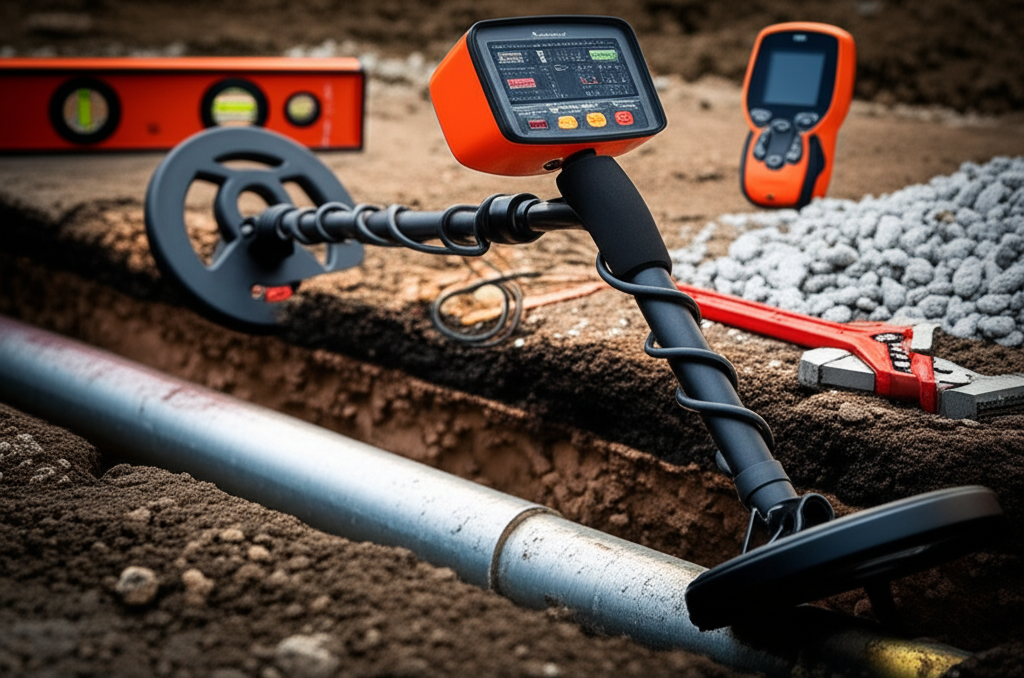
A metal detector for underground pipes is a specialized tool that helps you find hidden metal pipes beneath the surface. This guide reveals the best types and features for accurate pipe detection, ensuring you avoid costly accidental digs.
Locating buried metal pipes can be a real headache. Whether you’re a DIY homeowner planning a garden project or a professional landscaper, hitting an unmarked pipe can cause major damage and expense. Thankfully, technology offers a solution. Specialized metal detectors are designed to pinpoint these hidden lines with remarkable accuracy.
This article will guide you through choosing the right metal detector for finding underground pipes. We’ll explore the technology involved, the key features to look for, and how to use these tools effectively. Get ready to discover how a good metal detector can save you time, money, and a whole lot of trouble.
Why You Need a Metal Detector for Underground Pipes
Finding underground pipes is crucial for safety and preventing damage. Many pipes are buried shallowly, but their exact location is often unknown. Accidental damage to water, gas, or electrical conduits can be dangerous and expensive to repair. A dedicated pipe locator takes the guesswork out of digging.
These specialized detectors are designed to sense the metallic composition of pipes. They work differently than typical hobbyist metal detectors. Their sensitivity and discrimination settings are tuned for the specific task of finding linear metal objects underground.
Using a metal detector for underground pipes is a smart preventative measure. It ensures your digging projects are safe. You can plan your work with confidence, knowing where the buried hazards lie.
Understanding How Metal Detectors Find Pipes
Metal detectors work by creating an electromagnetic field. This field interacts with metal objects underground. The detector then signals the presence of metal.
For pipes, the detector’s coil sends out this field. When the field hits a metal pipe, it creates a reaction. This reaction is picked up by the detector’s receiver.
The strength and type of signal help determine what the metal object is. Specialized pipe detectors are good at distinguishing pipes from other metal junk. They are designed to follow the long path of a pipe.
Key Features to Look for in a Pipe Detector
When choosing a metal detector for pipes, certain features are essential. You need a device that is sensitive and can differentiate between pipe types. Look for adjustable discrimination settings.
Depth indication is another vital feature. This tells you how deep the pipe is buried. This helps you plan your excavation safely.
Frequency range also matters. Lower frequencies are generally better for detecting deeper objects. Higher frequencies can be good for smaller targets.
Consider the coil size and shape. Larger coils can cover more ground but may miss smaller pipes. Elliptical coils can be useful for sweeping along pipe lines.
Types of Metal Detectors for Underground Pipes
There are a few main types of metal detectors suited for pipe locating. General-purpose hobby detectors can sometimes find pipes. However, they may struggle with discrimination and depth.
Specialized pipe and cable locators are the best option. These are often used by utility companies. They are built for this specific task.
Some hobby detectors have a “pipe” mode or can be adjusted for it. These can be a good compromise for occasional use. They offer more versatility.
The choice depends on your needs. For frequent or professional use, a dedicated locator is recommended. For occasional homeowner use, a versatile hobby detector might suffice.
VLF (Very Low Frequency) Detectors

VLF detectors are common for general metal detecting. They use two coils: one to transmit and one to receive. They are good at finding various metal types.
VLF detectors can be adjusted to find pipes. They are often good at discriminating against junk metal. This helps you focus on the pipe.
Many VLF models offer good depth penetration. This is important for buried pipes. They can be a solid choice for many users.
Pulse Induction (PI) Detectors
Pulse Induction detectors send out short pulses of energy. They are less affected by mineralized ground. This makes them great for beaches or highly mineralized soils.
PI detectors are known for their depth. They can often detect deeper targets than VLF detectors. They tend to be less discriminatory.
While powerful, PI detectors might signal on any metal. This means you might dig up more trash. They are often used for gold prospecting but can find pipes.
Ground Penetrating Radar (GPR)
Ground Penetrating Radar is a more advanced technology. It uses radar pulses to image the subsurface. It can detect non-metallic pipes too.
GPR systems are very accurate. They provide a visual map of underground features. This makes them ideal for complex sites.
However, GPR units are expensive. They also require more training to operate effectively. They are typically used by professionals.
Choosing the Right Coil for Pipe Detection
The search coil is the heart of any metal detector. For finding pipes, coil selection is important. A larger coil generally covers more ground.
A larger coil can also detect deeper targets. However, it might be less sensitive to small objects. It can also be harder to maneuver in tight spaces.
Smaller coils are more sensitive to shallow targets. They are easier to swing around obstacles. They might not detect pipes as deeply.
Elliptical coils are often favored for pipe hunting. They can be swept back and forth along a suspected pipe line. This helps confirm the pipe’s path.
Top Metal Detectors for Underground Pipes: Our Picks
Selecting the best metal detector for pipes involves balancing features and price. For serious utility work, professional pipe locators are the standard. Brands like Minelab and Garrett offer high-end options.
For the DIY enthusiast or occasional user, some hobby detectors stand out. The Garrett AT Pro is a versatile detector that can be tuned for pipe finding. It’s waterproof and durable.
Another excellent option is the Minelab Equinox series. These detectors use multi-frequency technology. This allows them to adapt to different ground conditions and target types effectively.
The Fisher CZ-21 is a robust underwater detector that can also be used for shallow buried pipes. It offers good depth and discrimination. Always check reviews for specific pipe detection performance.
How to Use a Metal Detector to Find Underground Pipes
Using a metal detector for pipes requires a systematic approach. First, familiarize yourself with your detector’s settings. Understand its sensitivity and discrimination controls.
Start by sweeping the detector slowly over the area. Use a consistent pattern, like a grid. Overlap your sweeps to ensure full coverage.
When the detector signals, pinpoint the target. Move the coil in an ‘X’ pattern over the signal. This helps you find the center of the object.
Listen for changes in the tone. A continuous tone might indicate a pipe. Learn your detector’s sounds.
If you suspect a pipe, try to follow its line. Sweep the detector parallel to the suspected path. This confirms the direction and length.
Tips for Accurate Pipe Detection
For best results, conduct your search in good weather. Avoid areas with a lot of underground electrical interference. This can affect detector performance.
Ensure your detector’s battery is fully charged. Low battery can lead to inconsistent signals. Keep your detector’s software updated if applicable.
Practice makes perfect. Spend time learning your detector in an area where you know metal objects are buried. This builds your skills.
Be patient. Finding pipes can take time and careful sweeping. Don’t rush the process.
Common Mistakes to Avoid
A common mistake is not understanding your detector. Using it on the wrong settings will yield poor results. Always read the manual.
Another mistake is sweeping too fast. This can cause you to miss targets. Slow, methodical sweeps are key.
Ignoring discrimination can lead to digging up lots of junk. Learn to use discrimination wisely to focus on pipes. However, be careful not to discriminate out the pipe itself.
Not confirming the target can also be an issue. Always pinpoint the signal thoroughly before digging. A faint signal might be something else.
Frequently Asked Questions
What is the best type of metal detector for finding underground pipes?
The best type is a specialized pipe and cable locator. For general use, versatile hobby detectors with good discrimination and depth capabilities, like VLF models, are also effective.
Can a hobby metal detector find underground pipes?
Yes, many hobby metal detectors can find underground pipes, especially if they have adjustable discrimination and are used with appropriate coils and techniques.
How deep can a metal detector find pipes?
Depth varies greatly by detector, coil size, pipe material, and ground conditions. High-end pipe locators can find pipes several feet deep, while hobby detectors might find them a foot or two down.
Should I use a large or small coil for finding pipes?
A larger coil generally detects deeper but might miss shallow pipes. A smaller coil is better for shallow targets and maneuverability. Elliptical coils are often good for tracing pipe lines.
What is discrimination on a metal detector?
Discrimination is a setting that allows the detector to ignore certain types of metal, like iron or foil. This helps you focus on more valuable targets, but be cautious not to discriminate out pipes.
How do I know if a signal is a pipe?
Pipes often produce a strong, consistent tone that follows a linear path. Pinpointing the signal in an ‘X’ pattern and sweeping parallel to the suspected line helps confirm it.
Do I need a special license to use a metal detector for pipes?
Generally, no license is required for using a metal detector on private property. However, always check local regulations and obtain permission before detecting on public or private land.
Conclusion
Finding underground pipes is essential for safe digging. A metal detector designed for this purpose is an invaluable tool. By understanding the different types of detectors, key features, and proper usage techniques, you can confidently locate buried lines.
Investing in a quality metal detector for underground pipes will save you from costly accidents and repairs. Whether you choose a professional locator or a versatile hobby detector, the ability to detect hidden pipes brings peace of mind to any outdoor project. Happy detecting!
