


Published on: November 6, 2025 | Updated on: November 6, 2025
Master your metal detector with this essential guide, covering everything from understanding your manual to advanced techniques for maximizing your finds.
Finding treasures with a metal detector is an exciting adventure. But sometimes, understanding how your detector works can be tricky. Many people struggle with confusing instructions or don’t know how to get the best results. This guide is here to help. I will walk you through every part of your metal detector manual. We’ll cover settings, features, and common problems. By the end, you’ll feel confident using your detector like a pro. Let’s unlock the secrets hidden beneath the ground.
Why Your Metal Detector Manual is Your Best Friend
Your metal detector manual is the key to unlocking your machine’s full potential. It contains vital information specific to your model. Ignoring it means missing out on crucial features and settings. This can lead to frustration and fewer finds. Think of it as a map for your treasure hunts.
Understanding your manual helps you avoid common mistakes. It explains what different sounds and signals mean. It also tells you how to adjust settings for different targets and ground conditions. Without this knowledge, you might overlook valuable items or dig unnecessary holes.
Decoding the Basics: What Every Manual Covers
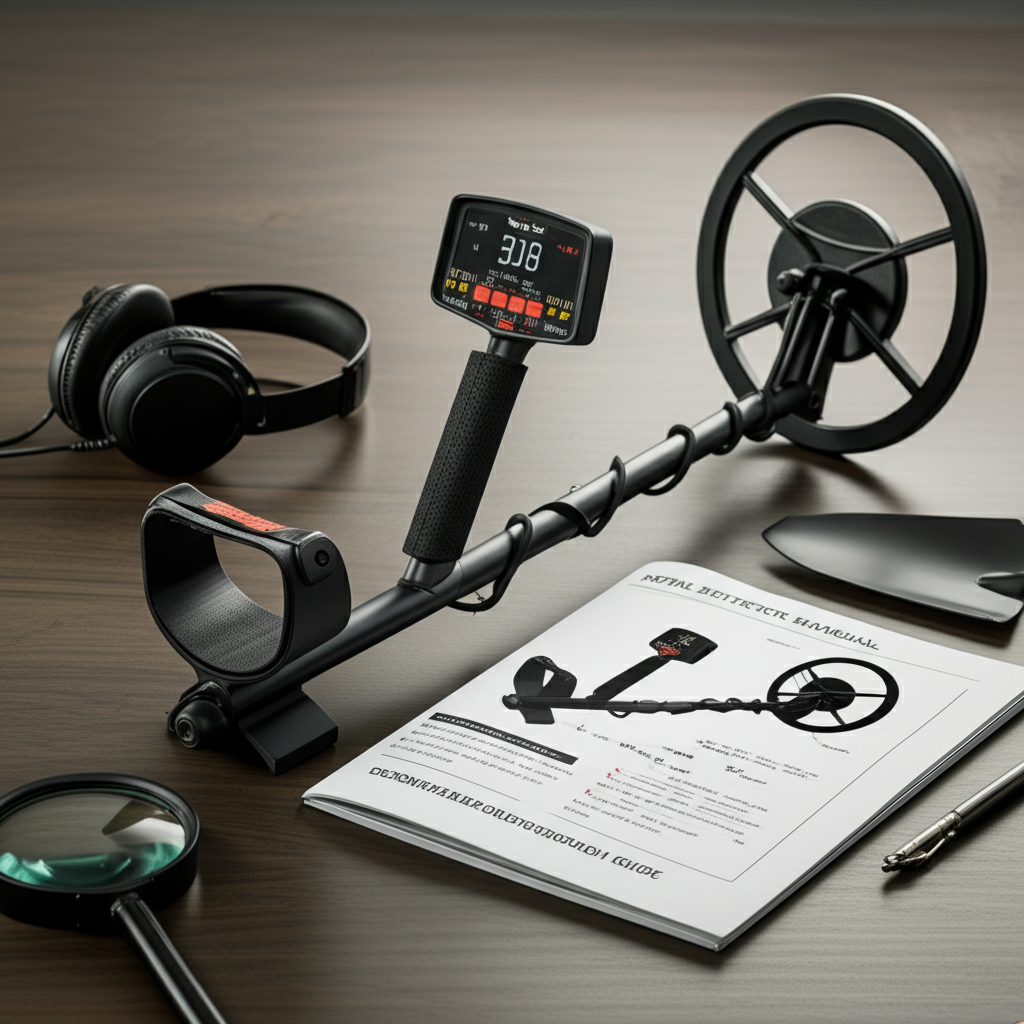
Every metal detector manual starts with the fundamental parts of your device. You’ll learn about the search coil, control box, and shaft. The manual explains how each piece works together. It details how to assemble and disassemble your detector for transport.
You’ll also find information on power sources, usually batteries. The manual will tell you the type of batteries needed and how to insert them. Proper battery care ensures your detector runs smoothly during your hunts. It’s important to check these details before heading out.
Understanding Your Detector’s Controls and Settings
The control panel is where you interact with your metal detector. Your manual will explain each button and dial. Common controls include sensitivity, discrimination, and volume. Sensitivity adjusts how deep the detector can ‘see’. Discrimination helps filter out unwanted junk metal.
Volume controls how loud the target signals are. Some detectors have ground balance settings. This helps ignore minerals in the soil that can cause false signals. Learning these controls is crucial for effective detecting. Your manual provides the exact functions for your specific model.
Interpreting Signals: What Your Detector is Telling You
Metal detector signals are not always straightforward. Your manual is essential for understanding these audio and visual cues. It will likely include a target ID chart. This chart shows numbers or tones associated with different types of metal. For example, iron might give a low tone, while silver might give a high tone.
Pay close attention to the depth indicator. This shows how far down the target might be. The manual helps you understand the nuances of these signals. Sometimes a faint signal could be a deep coin. A strong signal might just be a piece of foil. Practice interpreting these signals in a controlled environment.
Essential Accessories: Enhancing Your Detecting Experience
Beyond the detector itself, several accessories can greatly improve your hunts. A pinpointer is a small, handheld device. It helps you locate the exact spot of a target once you’ve dug a plug. This saves a lot of time and reduces the size of your digging area.
Digging tools are also vital. A sturdy trowel or a specialized digging stick is necessary. Always check local regulations before digging. Some areas prohibit digging or require permits. Your manual might not cover accessories, but they are crucial for a successful outing.
Field Techniques: Putting Your Manual to Work
Using your metal detector effectively involves specific techniques. Your manual might suggest sweep patterns. A good technique is to sweep the coil slowly and evenly from side to side. Overlap your sweeps to cover the area thoroughly. Keep the coil parallel to the ground.
When you get a signal, pinpoint its exact location. Then, carefully remove the soil plug. Use your pinpointer to find the target within the soil or hole. Replace the plug neatly when you are finished. This respects the land and leaves no trace of your hunt.
Troubleshooting Common Issues with Your Detector
Even with the best equipment, problems can arise. False signals are common. These can be caused by soil mineralization, electrical interference, or small junk items. Your manual often has a troubleshooting section. It can guide you on adjusting sensitivity or discrimination.
If your detector isn’t turning on, check the batteries. Ensure they are inserted correctly and are fresh. If the search coil isn’t working, make sure it’s securely connected. Persistent issues might require contacting the manufacturer. Your manual provides contact information for support.
Maintenance and Care: Keeping Your Detector in Top Shape
Proper care ensures your metal detector lasts for years. Always clean your detector after each use. Wipe down the coil, shaft, and control box. Avoid submerging the control box unless it is waterproof. Store your detector in a dry, safe place.
Protect the search coil from damage. Avoid banging it against rocks or hard surfaces. Keep it covered when not in use. Check the manual for specific cleaning recommendations. Regular maintenance prevents costly repairs and keeps your detector performing at its best.
Advanced Features and Settings Explained
Many modern metal detectors have advanced features. These can include notch discrimination, which lets you ignore specific types of metal. Some have multi-frequency capabilities for detecting different targets. Others offer wireless headphone compatibility. Your manual is the best resource for understanding these complex settings.
Learning these advanced features can significantly improve your finds. For instance, notch discrimination can help you avoid pull tabs while still detecting rings. Experimenting with these settings, guided by your manual, will refine your detecting skills. This allows you to target specific types of treasures.
Common Metal Detector Manual FAQs
What is the most important part of a metal detector manual?
The most important part is understanding the specific settings and signals for your model. This helps you identify targets correctly.
How do I know what a signal means?
Your manual will have a chart or explanation of tones and numbers. These correspond to different types of metal.
Can I use my metal detector in the rain?
Some detectors are waterproof, but many are not. Check your manual to see if your detector can handle wet conditions.
How do I adjust the sensitivity?
Your manual will show you the button or dial for sensitivity. Adjust it based on ground conditions and target depth.
What is discrimination on a metal detector?
Discrimination lets you ignore certain types of metal, like iron. Your manual explains how to set this feature.
How do I store my metal detector?
Store it in a cool, dry place. Protect the coil from damage. Your manual will have specific storage advice.
Final Words on Mastering Your Metal Detector
Your metal detector manual is an indispensable tool. It holds the knowledge to transform your detecting experience. By carefully reading and understanding its contents, you gain confidence. You’ll learn to interpret signals, adjust settings, and maintain your gear. This expertise leads to more successful and enjoyable treasure hunts. Embrace your manual as your trusted guide. Happy hunting!