


Published on: November 9, 2025 | Updated on: November 9, 2025
Metal Detector Silver Gold: Essential Hidden Treasures
Unlock the secrets of finding silver and gold with the right metal detector. This guide covers essential tools, techniques, and tips to help you discover valuable hidden treasures, from ancient coins to precious jewelry, making your treasure hunting adventures more rewarding.
Metal detecting for silver and gold is an exciting hobby. Many people dream of finding shiny coins or beautiful jewelry. Sometimes, it feels hard to know where to start. You might wonder which metal detector is best for finding silver and gold. This guide will help you. I’ll share what I’ve learned over many years of searching. We will explore the tools you need and the best ways to find these hidden treasures.
What Makes a Metal Detector Good for Silver and Gold?
A good metal detector for silver and gold needs specific features. It must be sensitive to small targets. It also needs to handle different types of ground. Some detectors are better at ignoring junk and finding the good stuff.
Frequency Matters for Precious Metals
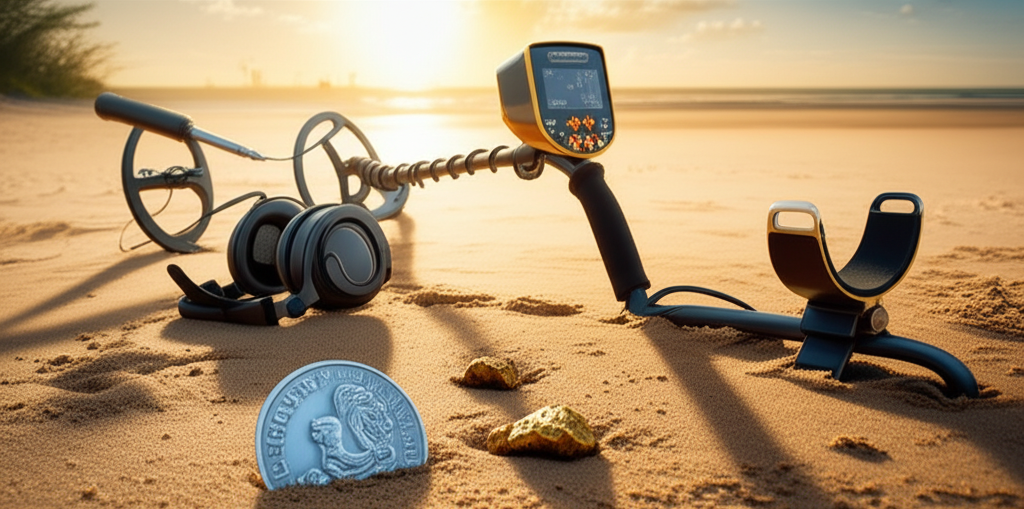
The frequency of a metal detector is very important. Higher frequencies are better for small, low-conductivity targets like silver and gold. Lower frequencies are better for larger targets like iron. Many detectors offer multiple frequencies. This lets you switch settings for different types of finds.
Discrimination and Ground Balance
Discrimination helps the detector ignore unwanted metals, like iron nails. This saves you digging time. Ground balance helps the detector ignore minerals in the soil. This makes the detector more accurate. A good detector will have adjustable discrimination and ground balance.
Choosing the Right Metal Detector for Silver and Gold
Selecting the perfect metal detector can feel overwhelming. There are many brands and models. I’ve used many over the years. My advice is to think about what you want to find most.
Top Detectors for Silver and Gold Prospecting
Some detectors are famous for finding gold. Others are great for silver coins and jewelry. Brands like Minelab, Garrett, and Nokta Makro make excellent machines. They often have models designed for specific types of treasure hunting.
Minelab Equinox Series: These are popular for their versatility. They work well for coins, relics, and gold. They use Multi-IQ technology. This means they search on many frequencies at once.
Garrett AT Gold: This detector is built for gold prospecting. It is waterproof and has a high operating frequency. This makes it very sensitive to small gold nuggets.
Nokta Makro Gold Finder: Another great option for gold. It is simple to use and very sensitive. It’s a good choice for beginners wanting to find gold.
Understanding Detector Features
Look for features like adjustable sensitivity. This helps you fine-tune the detector. A good display screen shows target information. This helps you decide if it’s worth digging. A waterproof coil is also a big plus for detecting near water.
Essential Accessories for Treasure Hunters
A metal detector is just one piece of your gear. You need other tools to be successful. These accessories help you find, recover, and identify your finds.
Pinpointers: Your Digging Buddy
A pinpointer is a small, handheld detector. You use it after you dig a plug of soil. It helps you find the exact location of the target in the hole. This saves a lot of time and prevents you from damaging your finds.
Garrett Pro-Pointer AT: This is a very popular and reliable pinpointer. It’s waterproof and has great sensitivity.
Nokta Makro Pointer: Another excellent choice. It’s durable and easy to use.
Digging Tools: Recovering Your Treasures
You need good digging tools. A sturdy shovel or trowel is essential. For tougher ground, a digging tool with a serrated edge can cut through roots. Always try to dig neat plugs. This helps preserve the area you are detecting.
Lesche Sampson Trowel: This is a favorite among detectorists. It’s strong and sharp.
* Rampart Digging Tool: Another robust option for challenging soil.
Other Helpful Gear
Don’t forget a durable bag for your finds. A sand scoop is useful for beaches. Gloves protect your hands. A headphones adapter can be helpful too. Good headphones let you hear faint signals clearly.
Where to Hunt for Silver and Gold
Knowing where to look is as important as having a good detector. Different locations are better for different types of finds. Always get permission before detecting on private property.
Beaches: A Goldmine for Jewelry
Beaches are fantastic places to find lost jewelry. People often lose rings and earrings while swimming or playing. Silver items are also common. Look in the wet sand near the water and in the dry sand where people sunbathe.
Parks and Old Home Sites: Coins and Relics
Old parks and the grounds around former homes are great for coins. People dropped coins for many years. Look for areas where people gathered. Old fairgrounds or picnic spots can be very productive.
Old Mining Areas: Gold Prospecting
If you are serious about finding gold, you need to go where gold is found. Research historical gold mining areas. Look for streams and rivers where gold might have washed down. These areas can be challenging but very rewarding.
Techniques for Maximizing Your Finds
Using your metal detector effectively is key. Simple techniques can make a big difference. Practice makes perfect.
Mastering Your Detector’s Settings
Learn all the settings on your metal detector. Read the manual carefully. Experiment with different discrimination levels. See how ground balance affects your signals. A detector is only as good as the person using it.
Understanding Target Signals
Every metal detector gives signals for different targets. Learn to distinguish a good signal from junk. A clear, repeatable tone is usually a good sign. Learn to ignore choppy or inconsistent signals. These often indicate iron or foil.
Systematic Searching Patterns
Cover the ground thoroughly. Use a grid pattern. Overlap your sweeps slightly. Move slowly and deliberately. This ensures you don’t miss any targets.
Detecting Silver: Coins, Jewelry, and More
Silver is a popular target for many detectorists. It’s found in many forms. From old coins to modern jewelry, silver is out there.
Identifying Silver Coins
Many older coins are made of silver. U.S. silver coins include dimes, quarters, and half dollars before 1965. Many foreign coins also contain silver. Your metal detector will signal these as good targets.
Finding Lost Silver Jewelry
Silver rings, bracelets, and necklaces are often lost. Beaches and parks are prime locations. A sensitive metal detector with a good coil can find these items. Look for consistent, clear signals.
The Thrill of Finding Gold
Gold is the ultimate treasure for many detectorists. It can be found in various forms. Gold prospecting requires specific detectors and locations.
Gold Nuggets and Flakes
In gold-bearing areas, you can find gold nuggets and flakes. These are often found in streambeds or old placer mining sites. Specialized gold detectors are often needed. They are very sensitive to tiny gold particles.
Gold Jewelry: Rings and Chains
Like silver, gold jewelry is frequently lost. Beaches, parks, and old yards are good places to search. Gold signals can be strong and clear. Learning your detector’s audio tones is crucial here.
Legal and Ethical Considerations
Treasure hunting is fun, but it comes with responsibilities. Always be respectful of the land and its owners.
Getting Permission to Detect
Always get permission before detecting on private land. For public lands, check the rules. Some parks allow detecting, while others do not. Ignorance is not an excuse.
Respecting the Environment
Leave the area as you found it, or better. Fill in your holes completely. Take any trash you find with you. Preserving the environment ensures we can continue this hobby.
Frequently Asked Questions
What is the best metal detector for beginners looking for silver and gold?
For beginners wanting to find both silver and gold, the Minelab Vanquish series or the Garrett Ace series are excellent choices. They are user-friendly, affordable, and capable of detecting these precious metals.
How deep can a metal detector find silver and gold?
The depth depends on the detector, coil size, target size, and ground conditions. Generally, larger targets like silver coins can be found deeper than small gold flakes. Good detectors with larger coils can reach depths of 8-12 inches or more for coins.
Is it worth buying a specialized gold detector?
If your primary goal is to find gold nuggets, then yes, a specialized gold detector is worth it. They operate at higher frequencies and are designed for the subtle signals of gold in mineralized ground.
What is the VDI number for silver and gold?
VDI (Visual Target ID) numbers vary by detector model. However, silver typically registers in the high 70s to 90s. Gold signals can range widely, often from the 40s to 70s, depending on the purity and size of the gold item.
Can I detect for silver and gold in the rain?
Many modern metal detectors are waterproof or water-resistant. You can often detect in light rain or with a waterproof coil near water. Always check your detector’s specifications for its water resistance rating.
What are the most common mistakes new detectorists make?
Common mistakes include not learning their detector, digging every signal, not getting permission, and damaging the environment. Slowing down and learning your machine’s sounds is crucial.
Conclusion
Finding silver and gold with a metal detector is a rewarding pursuit. It combines the thrill of discovery with the joy of being outdoors. By choosing the right metal detector silver gold is within reach. Understanding how frequency, discrimination, and ground balance work is vital. Don’t forget essential accessories like pinpointers and digging tools. Always research your locations and get permission. Mastering your detector’s settings and using systematic search patterns will increase your success. Remember to practice ethical detecting. This hobby offers endless possibilities for uncovering hidden treasures. Happy hunting!
