


Published on: November 10, 2025 | Updated on: November 10, 2025
Metal Detectors for Underwater: Essential Hidden Treasures
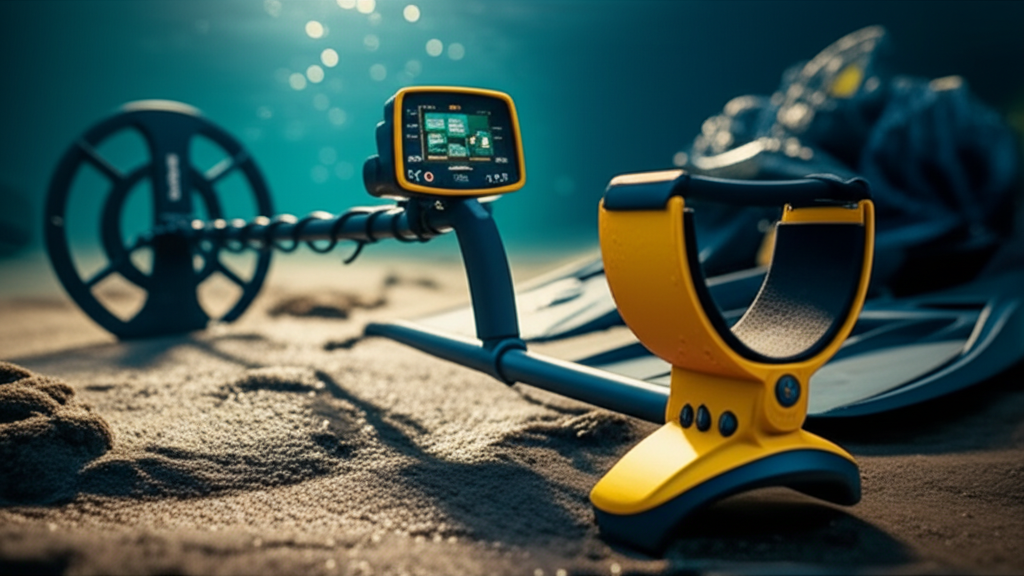
Dive into the depths and uncover secrets with the right underwater metal detector. These specialized tools are built tough to handle saltwater, sand, and submersion, letting you find lost coins, jewelry, and historical artifacts hidden beneath the waves. This guide will help you choose the best one for your aquatic adventures.
The ocean, lakes, and rivers hold countless secrets. Many of these are shiny treasures lost to time or carelessness. Metal detecting underwater can be incredibly rewarding. But you need the right gear. Standard metal detectors won’t survive submersion. You need a specialized underwater metal detector. This guide will show you what to look for. We’ll cover the best types and features. Get ready to explore a whole new world of finds.
Why You Need a Dedicated Underwater Metal Detector
Standard metal detectors are not built for water. They can get damaged by salt, sand, and pressure. Underwater metal detectors are designed to be fully submersible. They use special technology to work effectively in wet conditions. These detectors can find items lost at the beach, in rivers, or even in the ocean. They open up a vast new area for treasure hunting.
Finding treasures underwater is different from land detecting. The water pressure affects performance. Saltwater can interfere with signals. Sand can clog moving parts. A good underwater detector is waterproof and durable. It needs to handle these harsh environments. This ensures you can detect safely and effectively.
Understanding Waterproof Ratings and Detector Types
Metal detectors have different waterproof ratings. Some are just rainproof. Others can be submerged for a short time. For true underwater use, you need a fully submersible detector. Look for IP ratings or specific depth ratings. Many underwater detectors are also pulse induction (PI) or very low frequency (VLF) types.
PI detectors are great for saltwater and black sand. They are less affected by mineralized ground. VLF detectors are good all-around performers. They can often discriminate between different metal types. Some high-end underwater detectors use multiple frequencies. This helps find a wider range of targets.
Key Features to Look for in Underwater Metal Detectors
When choosing a metal detector for underwater use, several features are crucial. Waterproofing is the most important. You also need good depth penetration. Easy controls are helpful, especially with gloves on. A good audio response helps you identify targets. Some detectors have visual displays.
Consider the coil size and shape. Smaller coils are better for tight spots like rocky areas. Larger coils offer greater depth and coverage. Adjustable shafts are good for comfort. Wireless headphones can be a big plus. Think about battery life too. You don’t want your detector dying mid-hunt.
Top Underwater Metal Detector Brands and Models
Several reputable brands make excellent underwater metal detectors. Garrett, Minelab, and Nokta are popular choices. Each offers models suited for different budgets and needs. The Garrett ATX is a rugged PI detector. The Minelab Equinox series is a versatile multi-frequency VLF detector. Nokta Makro’s PulseDive is a popular pinpointer that can also be used for shallow water detecting.
The Minelab CTX 3030 is a high-end option. It offers advanced features for serious treasure hunters. For budget-conscious beginners, the Garrett AT Gold is a good VLF choice. Always research specific models. Read reviews from other users. Consider what types of targets you hope to find.
Metal Detecting in Saltwater vs. Freshwater Environments
Saltwater presents unique challenges for metal detectors. The salt ions in the water can create a lot of “noise.” This makes it harder for the detector to pick up target signals. PI detectors are generally better in saltwater. They are less sensitive to the ground mineralization caused by salt.
Freshwater is usually less challenging. Standard VLF detectors can perform very well in lakes and rivers. You might still encounter mineralized soil or clay. However, the interference is typically less than in saltwater. Always check your detector’s capabilities for the specific water type you’ll be hunting in.
Essential Accessories for Underwater Detecting
Beyond the detector itself, a few accessories are vital. A good pinpointer is a must-have. It helps you locate targets precisely in the sand or mud. You’ll need a scoop or small shovel for digging. Make sure it’s made of durable plastic or stainless steel. This prevents damage to your detector and the environment.
A recovery bag or pouch is useful for storing your finds. Consider a dive mask and snorkel for better visibility. Gloves can protect your hands from sharp objects or rough sand. A mesh bag is good for rinsing finds in the water. Don’t forget a way to carry your gear, like a waterproof backpack.
Techniques for Successful Underwater Metal Detecting
Underwater metal detecting requires specific techniques. Sweep your coil slowly and steadily. Overlap your sweeps to cover the area thoroughly. Listen carefully to the audio signals. Learn to distinguish between good targets and trash. Practice identifying different tones.
When you get a target signal, use your pinpointer to pinpoint its exact location. Dig carefully. Avoid disturbing the underwater environment more than necessary. Rinse your finds in the water if possible. Take your time and be patient. Successful underwater hunts often require persistence.
Safety First: Staying Safe While Detecting Underwater
Safety is paramount when detecting underwater. Always detect with a buddy. Never go alone, especially in open water. Be aware of currents, tides, and water depth. Know your swimming abilities. Avoid areas with strong currents or boat traffic.
Check the weather forecast before you go. Wear bright clothing if possible. Let someone know where you are going and when you expect to return. Be mindful of underwater hazards like sharp objects or marine life. Understand local regulations regarding metal detecting. Some areas may have restrictions.
Common Underwater Finds and Where to Look
Beaches are prime locations for finding lost jewelry and coins. People often lose items while swimming or playing in the surf. Riverbeds can yield old coins, tools, and sometimes historical artifacts. Lakes can be great for dropped items from boats or swimmers. Old piers and swimming areas are often productive.
Look for areas where people gather or relax. Near jetties, swimming areas, and picnic spots on shorelines are good bets. Don’t overlook areas where boats might anchor. Research local history. Old maps or historical accounts can point to potential sites of lost items or shipwrecks.
Maintaining Your Underwater Metal Detector
Proper maintenance will extend the life of your underwater metal detector. After each use, rinse it thoroughly with fresh water. This removes salt, sand, and dirt. Pay attention to seals and connectors. Ensure they are clean and undamaged.
Dry the detector completely before storing it. Store it in a cool, dry place. Check the battery compartment for corrosion. Follow the manufacturer’s instructions for any specific maintenance needs. Keeping your detector clean and well-maintained ensures it will perform reliably for years.
Frequently Asked Questions About Underwater Metal Detectors
Q1: Can I use a regular metal detector underwater?
No, most regular metal detectors are not waterproof. Water can damage their electronics and internal components. You need a detector specifically designed for underwater use.
Q2: What is the best type of metal detector for saltwater?
Pulse Induction (PI) metal detectors are generally best for saltwater. They are less affected by the high mineralization found in saltwater and black sand.
Q3: How deep can underwater metal detectors go?
Depth capabilities vary greatly by model. Some are designed for shallow water (a few feet), while others can go much deeper, even for scuba diving. Always check the manufacturer’s specifications.
Q4: Do I need special headphones for underwater detecting?
Yes, you will need waterproof headphones or a specialized underwater communication system. Regular headphones will be ruined by water.
Q5: What is a pinpointer and why is it important underwater?
A pinpointer is a small, handheld detector that helps you find the exact location of a target in the soil or sand. It’s crucial underwater to minimize digging and disturbance.
Q6: Are there laws about metal detecting underwater?
Yes, laws vary by location. Some areas, like protected historical sites or shipwrecks, may have restrictions or require permits. Always research local regulations.
Conclusion: Your Gateway to Underwater Treasures
Metal detecting underwater opens up an exciting new frontier for treasure hunters. Choosing the right metal detectors for underwater use is key to success and enjoyment. By understanding waterproof ratings, essential features, and brand options, you can select a detector that fits your needs and budget. Remember to prioritize safety, learn effective techniques, and maintain your gear. With the right equipment and knowledge, you’re ready to explore the hidden treasures waiting beneath the waves. Happy hunting!

